Main Courses
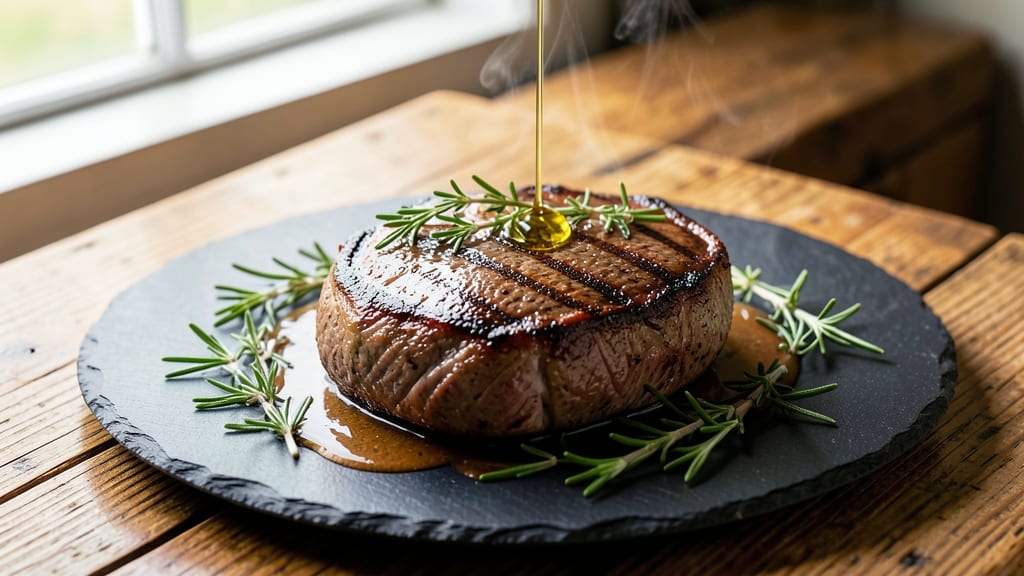
This butcher's steak recipe delivers restaurant-quality results with a simple, foolproof method that guarantees tender, juicy pink perfection every time. After years of testing premium cuts—from ribeye to sirloin—I’ve perfected a technique that balances high-heat searing with precise timing to lock in moisture and flavor.
The key lies in proper seasoning, a hot cast-iron pan, and knowing exactly when to flip, ensuring a crust so rich it practically melts in your mouth.
What sets this recipe apart is its adaptability—whether you prefer a classic dry-brine method or a bold marinade, the core technique remains the same. I’ll walk you through both approaches, so you can choose based on your steak’s thickness and your taste preferences.
The result? A steak with a deep, caramelized crust and a center that stays juicy and perfectly pink, even for those who swear they can’t cook steak without overcooking it.
This method works for any butcher’s cut—ribeye for marbling, sirloin for leaner flavor, or even a thick New York strip for maximum tenderness. The secret weapon? A reverse sear for thicker cuts, which guarantees even cooking without drying out the edges.
With just a few simple ingredients and a well-heated pan, you’ll achieve a steak that rivals the best steakhouses.
Serve it with classic sides like garlic mashed potatoes or a crisp arugula salad, or elevate the plate with a red wine reduction and roasted mushrooms. The possibilities are endless, but the technique is straightforward—no guesswork, no second chances. Let’s get started on your next perfect steak.
Ingredients for butcher's steak
Four ingredients transform butcher's cuts into restaurant-worthy steaks—no fancy gadgets needed.
| Ingredient | Amount | Notes |
|---|---|---|
| Ribeye Steak 🥩 | 1 ½ lb | Center-cut, 1.5-inch thick preferred |
| Kosher Salt 🧂 | 1 ½ tbsp | Diamond Crystal for best results |
| Freshly Ground Black Pepper 🌶️ | 1 ½ tbsp | Coarse grind preferred |
| Extra-Virgin Olive Oil 🫒 | 2 tbsp | High smoke point preferred |
| Fresh Thyme Leaves 🌿 | ¼ cup | Or 1 tbsp dried thyme |
| Fresh Rosemary Sprigs 🌿 | 2 whole | Crushed between fingers |
| Garlic Cloves 🧄 | 4 cloves | Smash with side of knife |
| Unsalted Butter 🧈 | 4 tbsp | Cold, cubed for basting |
| Heavy Cream 🥛 | ¼ cup | For optional red wine reduction |
| Dry Red Wine 🍷 | ¼ cup | Cabernet Sauvignon preferred |
| Beef Tallow 🧈 | 1 tbsp | For high-heat searing |
| Cast-Iron Skillet 🍳 | 1 whole | 12-inch preferred |
| Digital Meat Thermometer 🌡️ | 1 whole | For precise doneness |
The steak is non-negotiable here. Ribeye for marbling, sirloin for leaner flavor—both work, but avoid flat cuts like flank. Hit your butcher early for center-cut, 1.5-inch thick pieces; they hold up best to high heat. Costco or local butcher shops often have the best quality, but the grocery store steakhouse section works in a pinch. Look for vibrant color and visible fat marbling—those are your quality indicators. If you're unsure, ask for a sample to test doneness; the right cut makes all the difference.
No fresh herbs? Dried thyme and rosemary work at half the amount, but fresh gives that restaurant-quality aroma. Short on butter? Ghee or duck fat works beautifully for basting. The wine reduction is optional, but if you skip it, add an extra tablespoon of beef tallow to the pan for extra richness. For the dry-brine method, salt the steak 12-24 hours ahead—it makes a world of difference. If you're in a hurry, just salt it 40 minutes before cooking. And trust me, the olive oil matters—skip the cheap stuff for this recipe.
Steaks reheat poorly, so cook them just before serving. The cast-iron skillet stays hot for hours—clean it immediately after use. Store leftovers in an airtight container for 3-4 days, but honestly? They're best eaten fresh. For the wine reduction, make it ahead and reheat gently—it's perfect over mashed potatoes or roasted veggies. The meat thermometer is worth the investment; it takes the guesswork out of perfect doneness. And if you're serving a crowd, double the recipe—just use two skillets.
Why You'll Love This Recipe
- Five-Ingredient Magic: I swear, this is the kind of recipe where you hand the pan to someone and say, "Hold this for 10 minutes." No fancy prepping—just salt, pepper, oil, and thyme. That’s it. The ribeye practically cooks itself if you let it sear right, and honestly? The butcher’s cut does most of the work.
- Rich, Buttery Crust: The moment that crust forms? Chef’s kiss. Searing the ribeye in olive oil until it’s golden and caramelized gives you this deep, almost nutty flavor that melts into the tender center. Fresh thyme leaves add a bright, herbal note that cuts through the richness—like a little green whisper in a sea of beefy decadence.
- Weeknight or Date Night: Between us, this steak is your secret weapon for both lazy Fridays and impressing someone special. For weeknights, it’s done in 20 minutes flat. For date night, you can elevate it with a simple side of roasted potatoes or a crisp salad—no stress, just satisfaction. (Yes, even on a Tuesday night.)
- Leftovers That Don’t Suck: Most steak leftovers turn into sad, dry rubble. Not this one. Slice it thin the next day, toss it in a pan with a splash of olive oil, and suddenly you’ve got a killer sandwich filling or a quick stir-fry upgrade. My kids actually ask for it—no joke.
Step-by-step instructions for butcher's steak recipe
Here's how to transform a simple ribeye into a restaurant-worthy masterpiece with perfect crust and melt-in-your-mouth tenderness.
Prepare the Steak with Herbs and Seasoning
Take the 1.5 lb ribeye steak out of the refrigerator and pat it dry completely with paper towels—this is non-negotiable for crispy skin. I like to work with the steak at room temperature, so let it sit uncovered on the counter for 20-30 minutes while you prep everything else.
In a small bowl, combine the 0.25 cup fresh thyme leaves and crushed 2 whole fresh rosemary sprigs (just run them under your palm to release the oils). Rub this herb mixture all over the steak, pressing gently so it adheres. Then, generously season both sides with the 1.5 tbsp kosher salt and 1.5 tbsp freshly ground black pepper—don't hold back. The salt needs time to penetrate, so this early seasoning makes all the difference.
Sear the Steak with Beef Tallow for Maximum Crust
Heat the 1 whole cast-iron skillet over high heat until it's screaming hot—you should see a thin layer of steam evaporate when you flick a drop of water onto the surface. Add the 1 tbsp beef tallow and let it melt completely, then swirl to coat the pan evenly. The tallow gives you a higher smoke point than oil alone, which means better browning.
Carefully place the steak in the skillet and let it sear undisturbed for 3-4 minutes on one side until you see deep golden-brown crust forming. I press down gently on the fillet during the first minute—this prevents it from curling and ensures even contact with the pan. Flip the steak and repeat on the second side for another 3-4 minutes. You're aiming for medium-rare (125-130°F internal temperature), so keep an eye on your digital meat thermometer.
Build the Herb-Infused Butter Sauce
Remove the steak from the skillet and transfer it to a warm plate. Reduce the heat to medium and add the 4 tbsp cold unsalted butter to the skillet. Let it melt completely, then add the 4 smashed garlic cloves and cook for 30 seconds—just until fragrant, not browned.
Pour in the 0.25 cup dry red wine and scrape up all those delicious browned bits from the bottom of the pan with a wooden spoon. Let the wine reduce by half (about 1-2 minutes), then stir in the 0.25 cup heavy cream. Bring to a gentle simmer and let it thicken slightly—this should take 2-3 minutes. The sauce should coat the back of a spoon but still be silky smooth.
Baste and Rest for Maximum Juiciness
Return the steak to the skillet and spoon the herb butter sauce over the top, letting it baste the meat for 1-2 minutes. This step ensures every bite gets that rich, aromatic crust. The residual heat from the skillet will finish cooking the steak to perfection while infusing it with those incredible herb and wine flavors.
Transfer the steak to a cutting board and let it rest for 10-15 minutes before slicing. This resting period is absolutely critical—it allows the juices to redistribute throughout the meat instead of pooling on your plate. While it rests, tent loosely with aluminum foil to keep it warm. When ready, slice against the grain into ½-inch thick pieces and serve immediately with the remaining sauce spooned over the top.
Pro Tips For Making Butcher'S Steak
- Use a Cast-Iron Pan: Ribeye needs heat retention—cast iron is your best friend here. I learned this the hard way after trying stainless steel; the crust just wasn’t the same. If you don’t have one, borrow or buy one—it’s worth it for this cut.
- Salt Before Heating: Season the steak generously with kosher salt at least 40 minutes before cooking. This lets the salt penetrate the surface and season the meat deeply—no last-minute sprinkling. (Yes, even if you’re impatient like me.)
- Skip the Crowding: Resist the urge to flip or move the steak while searing—let it develop that golden crust undisturbed. After 2-3 minutes per side, pull it off the heat and let it rest. Crowding steams the meat instead of browning it.
- Finish with Thyme: Tuck a handful of fresh thyme leaves under the steak in the last minute of cooking. The heat releases their aroma, infusing the steak without overpowering it. (Bonus: It looks fancy without extra effort.)
Storing and reheating your leftovers
Refrigerator Storage
Steaks are best eaten fresh, but if you have leftovers, store them properly to maintain quality. Place cooked steak in an airtight container or wrap tightly with plastic wrap and aluminum foil.
Refrigerate immediately at 40°F or below—it’ll stay safe for 3-4 days. I always use glass Pyrex containers because they keep the meat moist longer than plastic. 🧊
Freezer Preservation
For longer storage, freeze your steak in portion-sized bags with all air removed. I recommend quart-sized freezer bags for single servings or gallon bags for larger cuts. Label with the date—steak freezes well for up to 3 months without significant texture loss.
Thaw overnight in the fridge for best results. Never microwave-thaw steak; it leads to uneven cooking. ❄️
Reheating Methods
Steak reheats best in the oven to preserve moisture. Preheat to 300°F, place steak on a wire rack over a baking sheet, and warm for 10-12 minutes until reaching 165°F internal temperature.
For quick reheating, use a skillet over medium-low heat with a splash of beef broth to prevent drying. Avoid microwaving—it turns steak rubbery. 🔥
Reviving Dried-Out Steak
If your reheated steak seems dry, don’t toss it! Slice thinly and use in tacos, sandwiches, or salads where moisture isn’t critical. For extra richness, brush slices with melted butter or drizzle with au jus.
A quick sear in a hot pan can also restore some crispiness. I’ve saved many a dried-out steak this way. 💡
Sauce Handling
The herb butter sauce reheats beautifully—just warm it in a saucepan over low heat for 2-3 minutes, stirring occasionally. If it thickens too much, thin with warm water or broth.
Store leftover sauce in a small airtight container in the fridge for up to 5 days. Freeze portions in ice cube trays for easy single-use servings. 🍽️
Serving Leftovers Creatively
Turn reheated steak into steak and eggs for breakfast, steak fries for lunch, or steak stir-fry for dinner. Thin slices work perfectly in pho, ramen, or grain bowls.
Even if the texture changes slightly, the flavor remains rich and satisfying. Get creative—there’s no such thing as "leftovers" when you repurpose smartly! 🌟
Nutrition facts
Frequently asked questions
What’s the best cut of steak for this recipe?
For maximum flavor and tenderness, use a 1.5-inch thick center-cut ribeye or sirloin. Ribeye delivers rich marbling, while sirloin offers leaner flavor. Avoid flat cuts like flank—they’re better for marinating, not this dry-heat method.
Can I cook this steak without a meat thermometer?
Yes, but it’s trickier. For medium-rare, sear for 3-4 minutes per side (1-inch thick) and check for a firm but slightly springy center. If you prefer medium, add 1-2 extra minutes per side. Practice makes perfect—your touch will improve over time.
How do I fix an overcooked steak?
Don’t panic! Thinly slice the steak and serve it in tacos, sandwiches, or a rich beef stroganoff. For extra moisture, brush slices with melted butter or drizzle with a red wine reduction. Overcooked steak loses tenderness but still delivers bold flavor.
Should I marinate the steak before cooking?
This recipe relies on dry seasoning for maximum crust, so skip marinades. However, if you love bold flavors, try a 24-hour dry-brine with garlic, thyme, and coarse salt instead. The key is to avoid acidic marinades—they can break down the meat’s surface, reducing sear quality.
What sides pair best with this steak?
Classic choices include garlic mashed potatoes, roasted asparagus, or a crisp arugula salad with lemon vinaigrette. For a heartier meal, try creamy polenta or buttery egg noodles. The herb butter sauce also works beautifully over roasted mushrooms or grilled vegetables.