What this work is made with
This page is a list of things, not a story. Recipes Canvas depends on more than words—it lives in the objects that shape the work, the hands that shape them, and the wear that tells their truth. Here, we name what holds the site together.
This is where every plate starts with a blank canvas of spices. The recipes here are built around what works in real kitchens, not just what looks good in photos. The tools, the techniques, and the hands behind them decide what stays.
The things that do the work
These are the objects that shape what you read. They’ve seen hundreds of tests, thousands of adjustments, and the quiet failures that taught the most. Each one has a story in its wear.
The cast-iron skillet
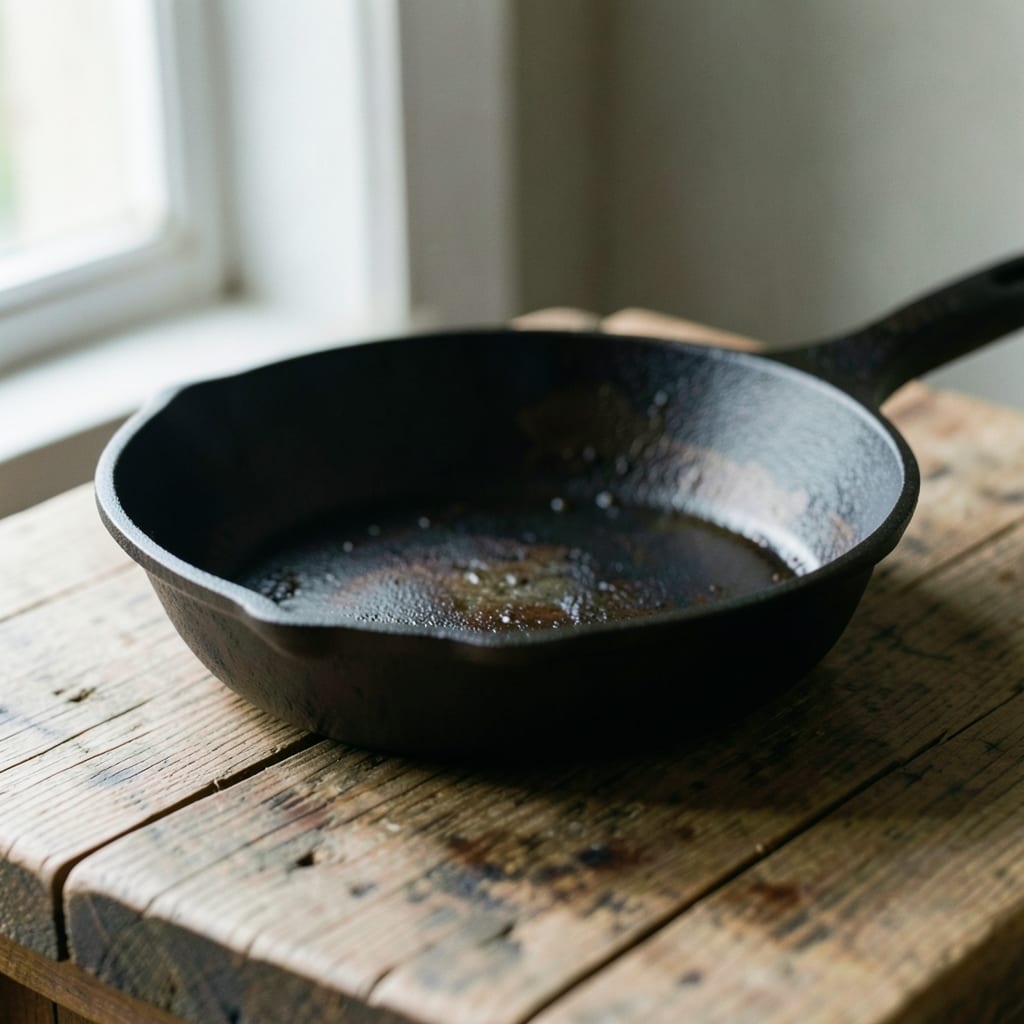
A 10-inch skillet, dented at the rim from years of scraping stuck-on food. It’s been here since 2018, when it replaced a nonstick pan that warped after one sear.
It taught us that a good crust isn’t about the pan—it’s about patience. The first time we used it for a caramelized onion dish, the onions stuck so badly we nearly gave up. Now, we let them cook low and slow, and the skillet’s weight keeps the heat even.
The wooden spoon with the split handle
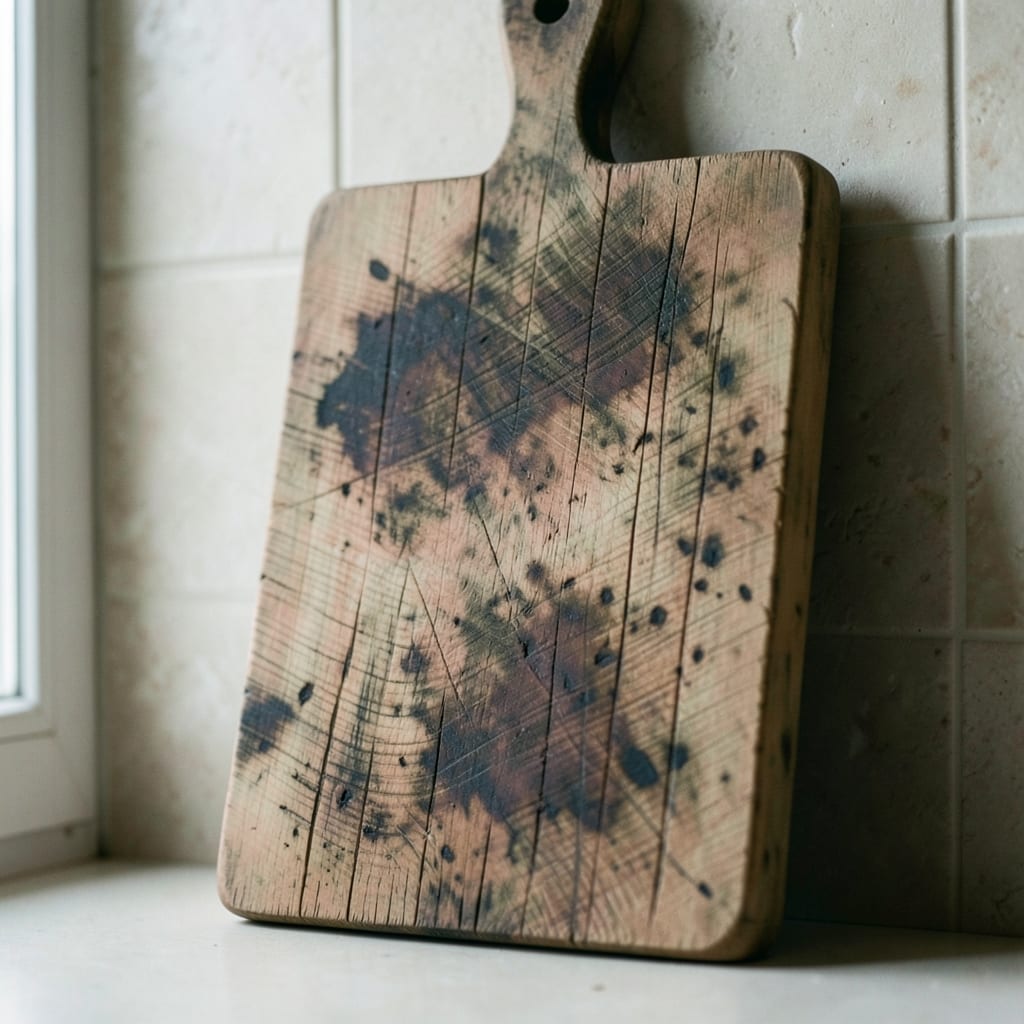
A cheap maple spoon from a kitchen supply store, bought in 2020 after the last one’s handle snapped mid-stir. The split runs down the middle, held together by years of use.
It’s the only tool we stir risottos with—no metal, no plastic. The split means we have to grip it tighter, but it also means we notice when a risotto is *just* done. The second it starts to drag, we stop. That split handle is why the grains stay al dente.
The stainless steel tongs with one bent prong
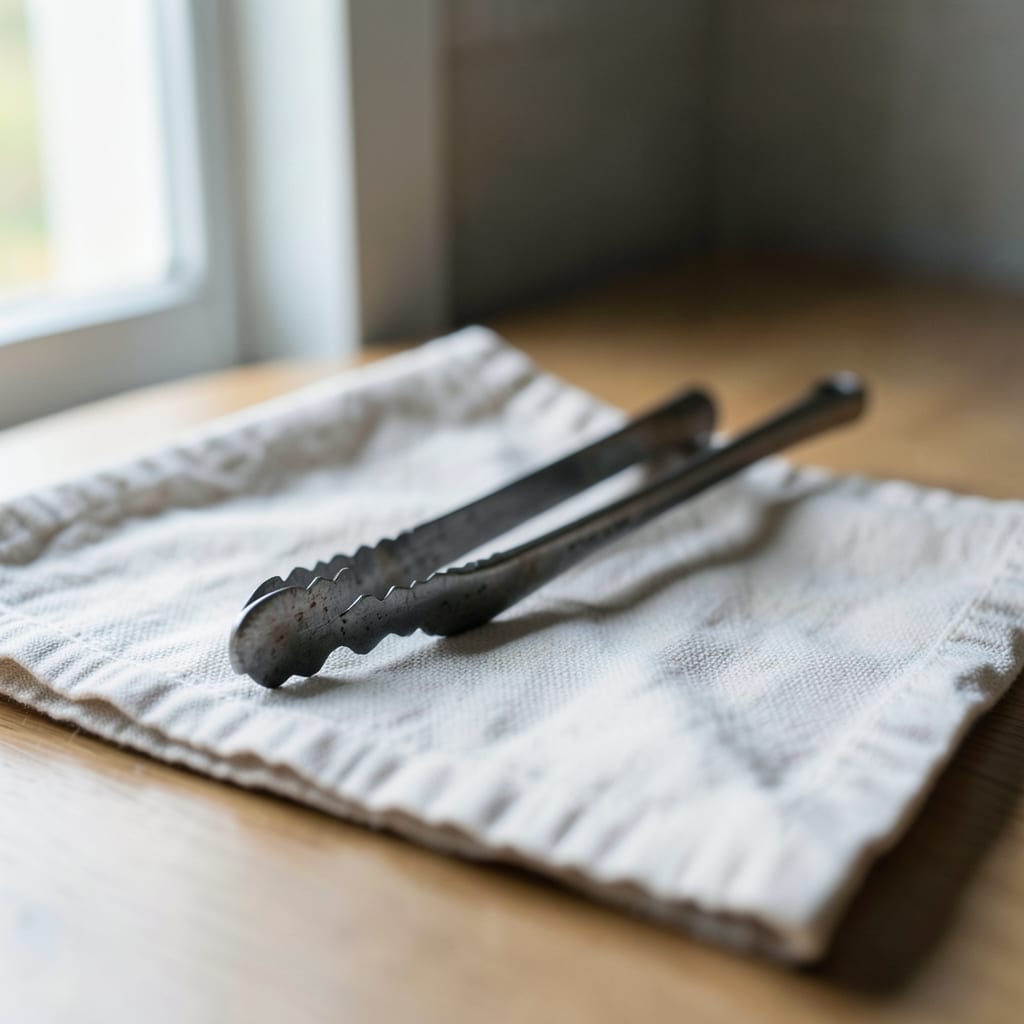
A pair of tongs from a bulk discount bin, missing one prong after a 2021 mishap with a stack of plates. The remaining three are bent at awkward angles, but they still grip better than any new pair we’ve tried.
They’re the only way to flip a steak without losing half the sear. The bent prongs mean we have to angle them just right, but that’s how we know when the meat is ready—the tongs catch the crust without tearing it.
The linen towel with the singed edge
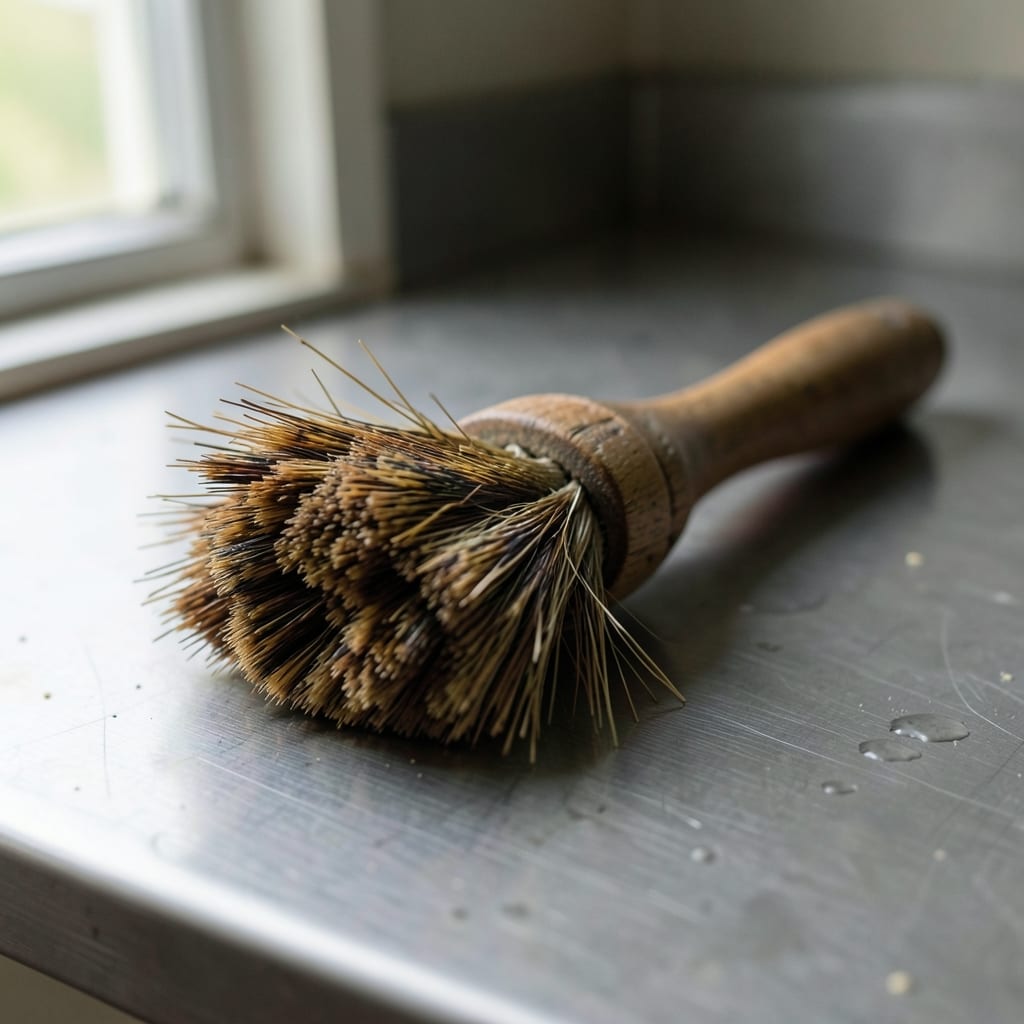
A 24-inch linen towel, bought secondhand in 2019. The right edge is singed from a gas stove flare-up that turned a pan of oil into a small fire.
We use it to test doneness—pressing a patty or a dumpling against the towel tells us if it’s ready faster than any timer. The singed edge is a reminder: heat is the enemy of precision, and the towel’s texture is the only thing that fights back.
What is not in the drawer
Some tools are left out on purpose. This work doesn’t depend on them.
Deliberately absent
- Digital scales—measuring by volume is faster and more forgiving in home kitchens.
- Specialty gadgets like mandolines or garlic presses—good knives and steady hands do the work better.
- Food processors—hand-chopping spices and herbs keeps the flavors sharper.
- Instant-read thermometers—we rely on touch and experience to judge doneness.
Behind the scenes

I am Angelo Villanueva, the founder and editor. I’m the one who decides which recipes stay, which get rewritten, and which get scrapped after three failed attempts.
I came to this from a tiny apartment kitchen with a single burner stove, where I learned that even the simplest meals could feel like a celebration.
My grandmother handed me that stove—it was her first gift to me when I moved out—and now it’s the one I test every slow-cooked dish on.
This work has given me a permanent burn scar on my thumb from a misjudged sear, a habit of tasting everything twice (once raw, once cooked), and an inability to walk past a spice rack without pausing to smell each jar.
I’m here to make sure every recipe on this site works the first time. That means testing, rewriting, and sometimes starting over. The tools and the wear are why the results are worth trusting.
Why any of this matters to you
These objects—worn, bent, or kept only because they work—are why the recipes here are reliable. They’ve seen the mistakes, the near-failures, and the quiet triumphs that turn a good dish into a great one.
When you read a recipe here, you’re reading something that’s been shaped by a skillet that doesn’t lie, a spoon that drags when it’s done, and tongs that grip just right. That’s the difference between a recipe and a real meal.
Every step here is written for the tools you already have. No shortcuts, no vague timings—just what actually works in a kitchen that isn’t a lab.
The recipes are grouped by category: Appetizers, Beverages, Breakfast & Brunch, Desserts, Main Courses and Salads.