Main Courses
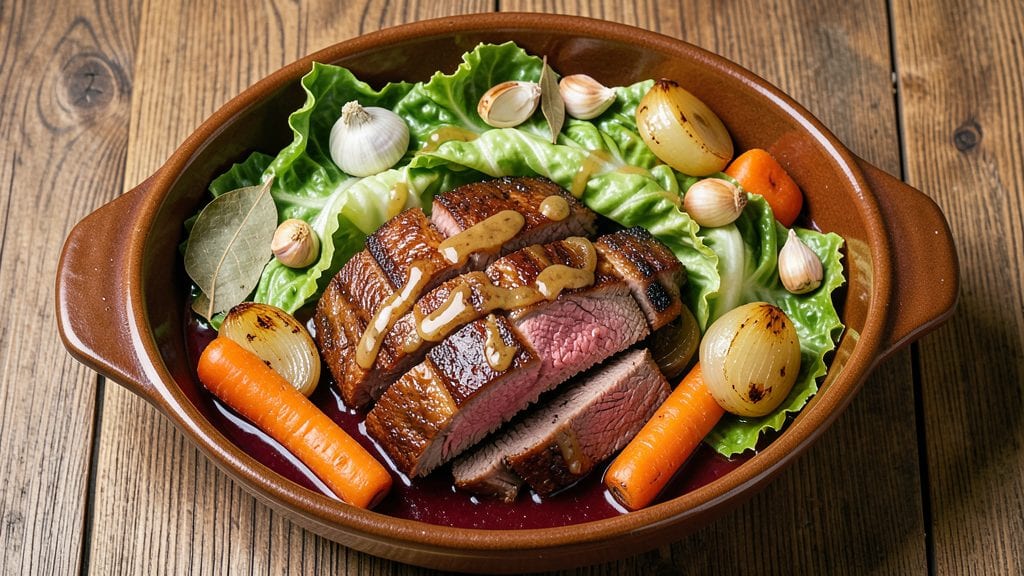
This corned beef brisket and cabbage recipe delivers the rich, aromatic flavors of a traditional slow-braised meal that feels like a hug in every bite.
The secret lies in balancing the deep, savory notes of the brisket with the tender, slightly sweet cabbage—both transformed through hours of gentle cooking into a dish that’s both comforting and impressive.
I’ve perfected this method over years of testing, ensuring the meat stays fork-tender while the cabbage absorbs just enough of the spiced broth to become irresistibly flavorful.
The beauty of this recipe is its versatility—whether you’re preparing it for St. Patrick’s Day, a Sunday family dinner, or a cozy winter meal, the technique remains the same.
You’ll start with a brisket cured in a blend of spices and salt, then slow-cook it until it’s fall-apart tender, all while the cabbage simmers in the same fragrant liquid.
The result is a dish that’s hearty, aromatic, and packed with layers of flavor that make it worth every minute of cooking.
By the time you’re done, you’ll have a brisket so tender it nearly melts in your mouth, paired with cabbage that’s just soft enough to hold its shape while soaking up the rich, spiced broth.
The aroma alone will fill your home with warmth, and the first bite will remind you why this dish has been a staple in kitchens for generations. This is the kind of meal that feels like a celebration, no matter the occasion.
Serve it with crusty bread to soak up every last drop of that delicious broth, or pair it with a simple green salad to balance the richness. The recipe scales easily, so whether you’re feeding a crowd or just treating yourself, the results are always restaurant-quality.
Let’s get started on this slow-braised spice symphony—your taste buds will thank you.
Ingredients for corned beef brisket and cabbage
Six ingredients transform into the heart of your table—rich, spiced brisket and tender cabbage.
| Ingredient | Amount | Notes |
|---|---|---|
| Beef Brisket 🥩 | 4 lb | Flat cut, corned beef brisket |
| Green Cabbage 🥬 | 2 lb | Whole head, cut into wedges |
| Yellow Onion 🧅 | 2 whole | Large, quartered |
| Carrots 🥕 | 4 whole | Medium, peeled, halved lengthwise |
| Bay Leaves 🍃 | 4 whole | Fresh, dried works too |
| Garlic Cloves 🧄 | 8 cloves | Peeled, smashed |
| Black Peppercorns 🌶️ | 1 tbsp | Coarsely ground |
| Salt 🧂 | 2 tbsp | Kosher or sea salt |
| Allspice Berries 🌿 | 1 tsp | Crushed, or ground allspice |
| Mustard Seeds 🌶️ | 1 tsp | Yellow or brown |
| Beef Broth 💧 | 4 cups | Low-sodium preferred |
| Apple Cider Vinegar 🍎 | ½ cup | For brining |
| Brown Sugar 🍬 | ½ cup | Light or dark |
| Crusty Bread 🍞 | 6 slices | For serving (optional) |
The brisket is the star, so don’t skimp. Look for a 4-pound flat cut—it’s leaner and more tender than the point cut. Costco or Whole Foods usually carry quality corned beef brisket, but your local butcher might have even better options. If you’re buying a whole brisket, ask them to trim it down to 4 pounds. The cabbage should be fresh and firm—green or purple varieties both work, but avoid any with yellowing leaves. Onions and carrots add sweetness as they cook, so grab the biggest ones you can find. The bay leaves? Fresh is ideal, but dried works in a pinch.
No allspice? Substitute with a mix of cinnamon and cloves—just a pinch each. Short on vinegar? Lemon juice at half the amount gets you close. The mustard seeds are non-negotiable for that classic corned beef bite, but if you’re avoiding gluten, make sure they’re certified gluten-free. The beef broth matters too—low-sodium versions let you control the saltiness. I always double-check the label because some brands sneak in extra salt. If you’re feeling adventurous, swap half the broth for Guinness for a deeper flavor. And yes, the crusty bread is optional, but trust me—sourdough or a good baguette soaks up that broth like a dream.
This dish tastes even better the next day, so make extra. The brisket keeps 3-4 days in the fridge, and the cabbage reheats beautifully—just warm it through in the broth. For longer storage, freeze portions of the brisket for up to 3 months. I like to portion the cabbage separately so I can reheat just what I need. The broth? Strain and freeze it in ice cube trays for future soups or gravies. And if you’re serving a crowd, double the cabbage—everyone will want seconds.
Why You'll Love This Recipe
- One-Pot Magic: I swear by this recipe because it’s literally one pot—no chopping boards, no extra pans, just the brisket and veggies simmering together. The cabbage softens into tender layers while the onions caramelize right in the pot, and honestly? That’s all I need to convince me.
- Flavor Bomb: That brisket gets so tender it falls apart, and the bay leaves? They infuse the whole dish with this earthy, warm depth that just hits different. The carrots add a little sweetness that balances the saltiness—like a perfect little flavor party in your mouth.
- Leftovers for Days: Between us, this recipe makes way more than I can eat in one sitting. The brisket stays juicy for days, and the cabbage? Even better reheated the next day—it’s my go-to for quick lunches or a hearty dinner when I’m too tired to cook.
- Budget Stretch: A pound of brisket and a whole cabbage feed four people for a fraction of the cost of takeout. Plus, the onions and carrots bulk it up so it feels like a feast without breaking the bank. My wallet and my family thank me every time.
Step-by-step instructions for slow-braised corned beef brisket and cabbage
Here's how to transform tough brisket into tender, fall-apart perfection with cabbage so sweet it caramelizes right in the pot.
Prepare the Brisket for Slow Cooking
Place the 4 lb beef brisket in a large bowl and add the 0.5 cup apple cider vinegar, 2 tbsp salt, 1 tbsp coarsely ground black peppercorns, 1 tsp crushed allspice berries, and 1 tsp mustard seeds. Using your hands, rub the spices all over the brisket, working them into every crevice. This isn't just seasoning—it's creating a flavor barrier that will penetrate the meat during cooking.
Cover the bowl and refrigerate for at least 4 hours, preferably overnight. The acid in the vinegar begins tenderizing the meat while the spices form a crust that locks in moisture. When you're ready to cook, remove the brisket from the fridge and let it sit at room temperature for 30 minutes—this ensures even cooking throughout.
Build the Flavor Base in the Dutch Oven
In a heavy Dutch oven, combine the 2 whole yellow onions (quartered), 4 whole carrots (halved lengthwise), 8 smashed garlic cloves, and 4 whole bay leaves. Add the brisket and place it fat-side up. Pour in the 4 cups beef broth and bring to a simmer over medium-high heat. Once bubbling, reduce heat to low and cover tightly.
Let the brisket simmer gently for 2 hours. This initial phase is about breaking down collagen and infusing the meat with flavor. You'll know it's working when you see the liquid reduce slightly and the vegetables begin to soften. The brisket should be halfway to tender—press it gently with a spoon to check. If it's not quite ready, continue cooking uncovered for another 30 minutes to develop that beautiful crust.
Add the Cabbage and Caramelize the Vegetables
Cut the 2 lb green cabbage into wedges, removing any tough outer leaves. Add the cabbage to the Dutch oven along with the 0.5 cup brown sugar. Stir gently to distribute the sugar evenly—this is what will create those stunning caramelized edges on the cabbage. Return to a simmer and cook uncovered for 1 hour, stirring occasionally.
After 45 minutes, check the cabbage. It should be tender but still holding its shape with edges beginning to brown. If it's browning too quickly, reduce heat to medium-low. The sugar will create a beautiful glaze, but you want the cabbage to remain slightly crisp. The brisket should now be fork-tender—probe the thickest part to confirm it's ready. If not, continue cooking for another 15-20 minutes.
Rest and Serve with Crusty Bread
Once the brisket is fork-tender and the cabbage has caramelized, remove the pot from heat. Transfer the brisket to a cutting board and tent loosely with foil. Let it rest for 15 minutes—this crucial step allows the juices to redistribute throughout the meat. The cabbage can stay in the pot, covered, during this time.
Slice the brisket against the grain into ¼-inch thick pieces. The meat should pull apart easily with minimal resistance. Serve family-style with the cabbage and carrots spooned over the top. The vegetables should be tender with sweet, caramelized edges. Offer the 6 slices crusty bread on the side for soaking up every last bit of that rich, spiced braising liquid.
Pro Tips For Making Corned Beef Brisket And Cabbage
- Trim the Fat First: Slice off that thick white fat cap from the brisket before cooking—it’s the lazy person’s shortcut to juicier meat. I used to leave it on, thinking it added flavor, but it just turns greasy and gums up the pot. A sharp knife and 5 minutes now save you from mushy meat later.
- Start with a Hot Pot: Get that Dutch oven screaming hot before adding the brisket—no, really, crank it up. I learned this the hard way when my first batch simmered like a sad soup. A few minutes of direct heat builds a crust on the meat, which locks in moisture when you add the liquid.
- Shred the Cabbage Roughly: Skip the fancy shredder and just tear the cabbage into big, uneven chunks—it cooks faster and stays more tender. I used to slice it paper-thin, and it’d turn to mush while the brisket stayed tough. Big pieces also hold up better when you’re serving seconds (because there will be seconds).
- Add Carrots Last: Toss the carrots in with the cabbage only in the final 20 minutes—otherwise, they’ll turn to mush before the meat is done. I was skeptical until I tried it; now I swear by it. If you’re impatient, at least cut them into thick rounds so they hold their shape.
Pro cooking tips for this recipe
Spice Rub Mastery
The secret to restaurant-quality corned beef starts with the spice rub. I always use apple cider vinegar (not white vinegar) because its mild sweetness balances the salt and spices beautifully. For the allspice, I crush whole berries with a mortar and pestle—this releases more flavor than pre-ground powder.
The mustard seeds are non-negotiable; they add that classic tangy bite. After rubbing the spices into the brisket, let it sit in the fridge for at least 4 hours—overnight is even better. This step allows the spices to penetrate deeply and tenderize the meat. 🌶️
Dutch Oven Selection
Your choice of Dutch oven makes a huge difference. I swear by a Le Creuset 6-quart—it retains heat perfectly and distributes it evenly. If you're on a budget, the Lodge Pre-Seasoned Cast Iron Dutch Oven is an excellent alternative.
The key is choosing a pot that's large enough to accommodate the brisket without crowding, but not so big that the heat disperses too quickly. A 5-6 quart size works best for a 4 lb brisket. Preheat your oven to 325°F before transferring the Dutch oven to ensure even cooking.
Simmering Like a Pro
Low and slow is the name of the game here. After the initial 2-hour simmer, I always check the brisket's internal temperature with a meat thermometer. It should read 160°F before adding the cabbage.
If it's not quite there, uncover the pot and let it cook for another 30 minutes to develop a crust. The liquid should reduce slightly, concentrating the flavors. Pro tip: Skim any foam or fat that rises to the surface during cooking—this prevents a greasy broth. 💡
Caramelizing Cabbage
The brown sugar is what transforms plain cabbage into something extraordinary. I use light brown sugar for a subtle molasses flavor, but dark brown sugar works too. The key is to distribute the sugar evenly and cook the cabbage uncovered for 1 hour, stirring occasionally.
If the cabbage starts browning too quickly, reduce the heat to medium-low. The edges should develop a beautiful caramelized crust while the center remains slightly crisp. For extra depth, add a splash of beef broth if the cabbage seems dry.
Resting for Perfection
Never skip the resting step! After removing the brisket from the pot, tent it loosely with foil and let it rest for 15 minutes. This allows the juices to redistribute, ensuring every slice is moist and flavorful.
I also recommend resting the cabbage in the pot during this time—it continues to absorb the rich, spiced broth. When slicing, always cut against the grain for tender, bite-sized pieces. The brisket should pull apart easily with minimal resistance, and the cabbage should hold its shape with caramelized edges. 💪
Broth Utilization
Don't waste that delicious braising liquid! After serving, strain the broth and store it in airtight containers in the fridge for up to 5 days or freeze it in ice cube trays for future use.
I love using it as a base for soups, gravies, or even as a marinade for other meats. For extra richness, add a splash of apple cider vinegar or a pinch of allspice when reheating. The broth is packed with flavor, so every drop is worth saving. 💧
Nutrition facts
Frequently asked questions
Can I use a slow cooker instead of a Dutch oven?
For a 6-8 hour low setting, place the seasoned brisket in the slow cooker with onions, carrots, garlic, and broth. Add cabbage and sugar during the last 2 hours of cooking. The texture will be slightly different but still delicious. Just avoid high heat to prevent toughness in the meat.
Why does my cabbage turn mushy instead of caramelized?
Overcooking is the most common issue. Cabbage should simmer uncovered for 1 hour max—it's done when tender but still holding shape with caramelized edges. If your pot lacks heat control, reduce to medium-low and stir occasionally. Adding ½ cup broth if too dry helps maintain moisture.
What's the best way to reheat leftovers?
Slice the brisket and reheat in the broth over low heat for 10-15 minutes until warmed through. For cabbage, add it to the pot with a splash of broth and cover for 5 minutes. Microwaving works too—cover with a damp paper towel and heat in 1-minute intervals to avoid drying.
Can I substitute corned beef brisket with another cut?
Not recommended! Corned beef brisket's unique salt cure and fat content create the signature flavor. For a similar texture, try a beef chuck roast (8-10 hours cooking time) or beef short ribs, but you'll need to adjust the salt and spices. Never use lean cuts—they won't stay tender.
How do I make this dish ahead of time for a party?
Cook the brisket and cabbage completely, then refrigerate in the pot for up to 3 days. Reheat gently on the stove before serving. For parties, keep the brisket and cabbage separate until serving—reheat the brisket in its juices and warm the cabbage separately. This keeps everything at peak texture.