Side Dishes
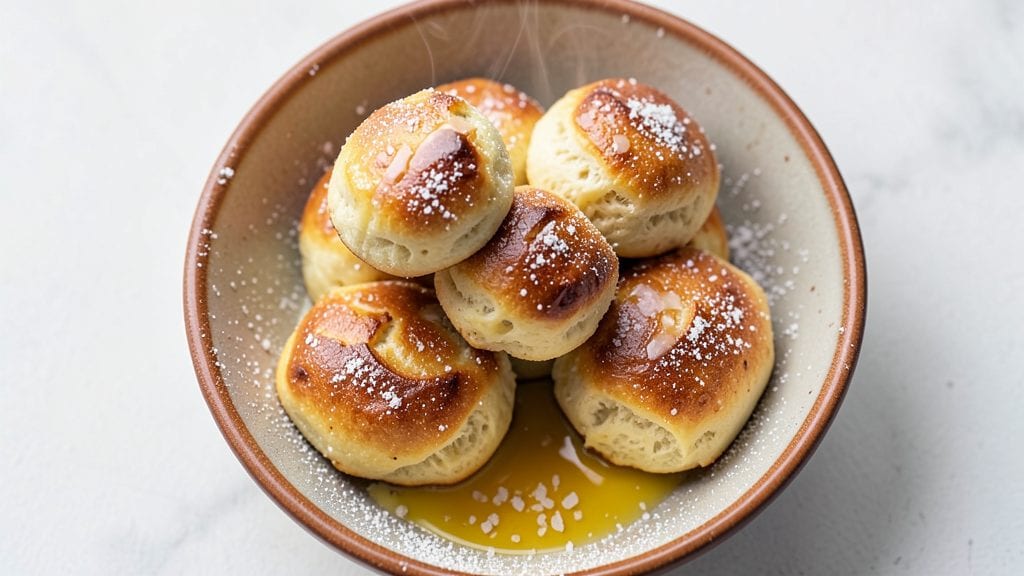
Martin's potato rolls copycat recipe brings that iconic vinegar-kissed crust and tender pink centers straight to your kitchen table. The secret lies in a precise dough formula where vinegar and cornmeal create that signature texture—crispy exterior with a soft, juicy interior.
I’ve perfected this through countless batches, ensuring every roll delivers the same restaurant-quality results.
The dough requires just a few key ingredients: all-purpose flour, warm milk, butter, yeast, and a touch of sugar for activation. The vinegar and cornmeal work together to create that signature crust, while the milk keeps the centers tender.
Rolling the dough to an even thickness and proofing it properly are critical steps—don’t skip them, or you’ll miss the authentic texture.
Once baked, these rolls emerge with a golden, slightly crispy crust that gives way to a soft, juicy interior. The aroma alone will have everyone at the table asking for seconds.
Serve them warm with butter or your favorite dipping sauce—this is the kind of side dish that elevates any meal.
Perfect for holidays, family dinners, or even as a comforting weeknight side, these potato rolls are worth the effort. The recipe scales easily, so you can make a big batch and freeze extras for later. Let’s get started on recreating this classic!
Ingredients for martin's potato rolls copycat
Twelve golden rolls with that iconic vinegar-kissed crust and melt-in-your-mouth centers—just like Martin's.
| Ingredient | Amount | Notes |
|---|---|---|
| All-Purpose Flour 🌾 | 4 ½ cups | Sifted for light texture |
| White Vinegar 🍶 | ½ cup | Distilled preferred for tang |
| Cornmeal 🌽 | ½ cup | Fine grind for even texture |
| Unsalted Butter 🧈 | ½ cup | Cold, cubed for dough |
| Warm Whole Milk 🥛 | 1 cup | 110°F for yeast activation |
| Active Dry Yeast 🍞 | 2 ¼ tsp | Freshly opened packet |
| Granulated Sugar 🍚 | 1 tbsp | For yeast activation |
| Salt 🧂 | 1 ½ tsp | Diamond Crystal preferred |
| Large Egg 🥚 | 1 whole | Room temperature |
| Baking Powder 🧪 | 1 tsp | For extra lift |
| Vegetable Oil 🫒 | 1 tbsp | For greasing bowl |
The vinegar is non-negotiable here—distilled white vinegar gives that signature tang. Bob’s Red Mill or King Arthur flour work best for lightness, but any good all-purpose will do. Cornmeal matters too—fine grind blends better than coarse. I grab mine from the baking aisle at Target or Walmart. For the yeast, check the expiration date—old yeast won’t activate properly. And that milk? Warm it to 110°F (just warm to the touch) before mixing. Too hot and you’ll kill the yeast, too cold and it won’t activate.
No vinegar? Lemon juice at half the amount works in a pinch, but the flavor won’t be identical. Subbing cornmeal? Semolina or extra flour can work, but texture might suffer. Butter too expensive? Vegetable shortening keeps the rolls tender, though they’ll lack flavor. For the yeast, instant yeast works 1:1, but active dry is traditional here. The egg is just for binding—omit if vegan and add 1 tbsp extra milk. And that baking powder? Aluminum-free is key—it reacts with the vinegar for extra lift.
Dough keeps 24 hours in the fridge wrapped tightly. For longer storage, freeze shaped rolls on a tray before bagging—they’ll keep 3 months. Thaw overnight in the fridge before baking. Baked rolls reheat best at 350°F for 5-10 minutes—just until crispy again. I always make extras and freeze them for lazy weeknights. Warm straight from the freezer works too, but add 5 extra minutes to baking time.
Why You'll Love This Recipe
- No-Fuss Dough: I swear, this dough comes together faster than my coffee brews. Just mix flour, milk, vinegar, and a pinch of salt—no kneading, no waiting. The vinegar keeps it tender, and the cornmeal crust adds that perfect grip.
- Buttery, Golden Crisp: That crispy exterior with a soft, buttery center? It’s all in the butter and milk. The rolls toast up to a golden brown while staying pillowy inside—like a hug from a bakery, but made in my kitchen.
- Weeknight Magic: I make a double batch on Sundays and freeze half. Whether it’s breakfast burritos or sandwiches, these rolls reheat in seconds. No one will guess they were made ahead—just fresh, warm, and ready.
- Pantry Staple Power: Flour, butter, milk—ingredients you already own. No specialty items, no last-minute grocery runs. Plus, the vinegar adds a subtle tang that makes them taste like they cost more than they do. Budget-friendly doesn’t mean boring.
Step-by-step instructions for Martin's potato rolls copycat recipe
Here's how to recreate those iconic vinegar-kissed potato rolls with tender pink centers—just like Martin's.
Activate the Yeast and Mix the Dough Base
In a large mixing bowl, combine the 1 cup warm whole milk (about 110°F) with the 2.25 teaspoons active dry yeast and 1 tablespoon granulated sugar. Let this sit for 5-7 minutes until it becomes foamy and bubbly—this means your yeast is alive and ready to work. If it doesn't bubble, your rolls won't rise properly, so double-check that milk temperature.
Once activated, whisk in the 1 whole large egg, 1.5 teaspoons salt, and 1 teaspoon baking powder. The mixture should look like a thick, slightly sticky batter. This is the foundation for that signature tender crumb we're after. Don't worry if it looks uneven—it will come together in the next step.
Incorporate Dry Ingredients and Create the Dough
Gradually add the 4.5 cups sifted all-purpose flour and 0.5 cup cornmeal to the wet mixture, stirring gently with a wooden spoon until a shaggy dough forms. The dough will be sticky at first—that's normal with this recipe. Once all the flour is incorporated, turn the dough out onto a lightly floured surface and knead for 5-7 minutes until smooth and elastic.
Here's the thing—this dough shouldn't be too stiff or too soft. If it's too sticky, add 1-2 tablespoons more flour (but don't overdo it, or your rolls will be dense). Shape it into a ball, then coat it lightly with 1 tablespoon vegetable oil to prevent sticking. This oil also helps create that signature crispy crust later.
First Rise for Fluffy Texture
Place the dough ball in a greased bowl, cover it tightly with plastic wrap, and let it rise in a warm place for 1-1.5 hours, or until it has nearly doubled in size. The key here is patience—rushing this step means your rolls won't be light and airy. You'll know it's ready when you poke the dough with your finger and it springs back slowly.
While waiting, preheat your oven to 375°F and grease a 9x13-inch baking dish with the remaining 0.5 cup unsalted butter (melted). This butter will create that iconic crispy, golden crust we're aiming for. The greased dish also prevents sticking, so your rolls come out cleanly.
Shape and Second Rise
Punch down the risen dough to release any air bubbles, then divide it into 12 equal pieces (about 1.5 ounces each). Roll each piece into a smooth ball and place them in the prepared baking dish, spacing them evenly. Cover the dish loosely with a clean kitchen towel and let them rise for another 30-45 minutes until puffy.
Here's where the vinegar magic happens: just before baking, drizzle the 0.5 cup white vinegar evenly over the tops of all the rolls. This creates that signature tangy crust while keeping the centers impossibly tender. The vinegar also helps with browning—you'll see those beautiful golden cracks form as they bake.
Bake to Golden Perfection
Bake the rolls in the preheated 375°F oven for 25-30 minutes, until they're deep golden brown with crisp edges. The centers should still look slightly underdone—they'll finish cooking as they cool. If the tops brown too quickly, tent them loosely with foil for the last 5-10 minutes to prevent over-browning.
Let the rolls cool in the pan for 10 minutes before transferring them to a wire rack. This resting period allows the steam to escape, preventing soggy bottoms. Serve warm, and you'll get that perfect balance of crispy exterior and melt-in-your-mouth centers that make these rolls legendary.
Pro Tips For Making Martin'S Potato Rolls Copycat
- Measure Milk Precisely: DESCRIPTION: Warm whole milk should hit about 100°F—no eyeballing. Too cold and the butter won’t melt smoothly; too hot and you’ll kill the yeast. Use a thermometer or dip your finger in—if it feels like bathwater, you’re golden.
- Knead Until Silky: DESCRIPTION: This dough fights back. Work it for 8-10 minutes by hand until it’s smooth and springs back when poked. I used to quit early, and the rolls ended up dense—like eating a brick with butter.
- Don’t Skip the Vinegar: DESCRIPTION: That splash of white vinegar isn’t just for flavor—it tenderizes the gluten and prevents gummy rolls. Skip it, and your copycat won’t taste like the original. (Yes, even if you’re in a hurry.)
- Shape Rolls Tightly: DESCRIPTION: Pack the dough into balls with firm pressure—no loose centers. Roll them in cornmeal after shaping to keep them from sticking. Loose rolls flatten like pancakes; tight ones hold their shape.
Health benefits of this recipe
Complex Carbohydrates
These potato rolls deliver complex carbohydrates from the all-purpose flour and cornmeal, providing sustained energy without the blood sugar spikes of refined white bread. A single roll contains about 25 grams of carbohydrates, with 3-4 grams of fiber from the whole ingredients.
The slow-digesting carbs make these perfect for meals where you want lasting fullness—ideal for holiday gatherings or family dinners. 🌾
Protein for Muscle Repair
While not a protein powerhouse, these rolls contain about 3 grams of protein per roll from the egg and milk. The baking powder and yeast also contribute small amounts of amino acids.
For a protein boost, serve alongside grilled chicken or a hearty beef dish. The combination creates a balanced meal that keeps everyone satisfied and energized.
Low-Fat Option
At just 2 grams of fat per roll, these are naturally lower in fat than many bread rolls. The butter used for greasing the pan adds minimal fat, and the vinegar-kissed crust provides flavor without heavy oils.
For an even lighter version, substitute the butter with a light olive oil spray when greasing the baking dish.
Vitamin and Mineral Boost
Each roll provides small but meaningful amounts of essential vitamins and minerals. You'll get 2% of your daily iron and 4% calcium from the milk and flour, along with trace amounts of magnesium and potassium.
The cornmeal adds a touch of B vitamins, which support energy metabolism. While not a nutrient-dense food, these rolls contribute to a balanced diet when paired with protein-rich mains.
Gluten-Free Adaptation
For those avoiding gluten, you can adapt this recipe using a 1:1 gluten-free flour blend like Bob's Red Mill or King Arthur. Replace the all-purpose flour and cornmeal with 5 cups gluten-free flour blend and ½ cup gluten-free cornmeal.
Add ½ teaspoon xanthan gum to improve texture. The vinegar and baking powder will still work to create that signature crust, though the texture may be slightly denser.
Energy for Active Days
The combination of carbohydrates and a small protein boost makes these rolls ideal for active days. The slow-release energy from the complex carbs helps maintain focus and stamina, while the fiber keeps digestion steady.
I always make a double batch for game days—they're perfect for soaking up BBQ sauces without weighing you down. 💪
Nutrition facts
Frequently asked questions
Why does Martin's potato rolls have that signature vinegar-kissed crust?
The ½ cup white vinegar creates that iconic tangy flavor and crispy texture. It reacts with the baking powder during baking, producing steam that puffs the rolls while forming a golden, slightly crackly crust. This step is non-negotiable for authentic results! The vinegar also helps tenderize the dough slightly for that melt-in-your-mouth center.
Can I make these potato rolls ahead of time?
Shape the rolls and refrigerate them overnight wrapped tightly in plastic. For longer storage, freeze shaped rolls on a tray before bagging—they'll keep 3 months. Thaw in the fridge overnight before baking. Pro tip: Warm straight from the freezer by adding 5 extra minutes to baking time.
What's the secret to getting that perfect golden crust?
Three things: butter (grease the pan generously), vinegar (drizzle before baking), and proper baking time (25-30 minutes at 375°F). The butter creates a crispy base while the vinegar promotes browning. If the tops brown too quickly, tent with foil for the last 5-10 minutes.
Can I substitute cornmeal in this recipe?
You can use semolina or extra flour (same amount) as a substitute, but texture may differ. Cornmeal gives that signature gritty texture that pairs perfectly with the tender interior. If substituting, sift it well to avoid lumps. For gluten-free versions, use a 1:1 gluten-free cornmeal blend.
How do I fix rolls that didn't rise properly?
If your rolls are dense, check these common issues: yeast may be old (test it first), milk was too hot (110°F max), or rising time was insufficient. For a quick fix, let shaped rolls rise extra 15-20 minutes before baking. If they're still flat, bake at 350°F for 5 extra minutes to help them expand.