Desserts
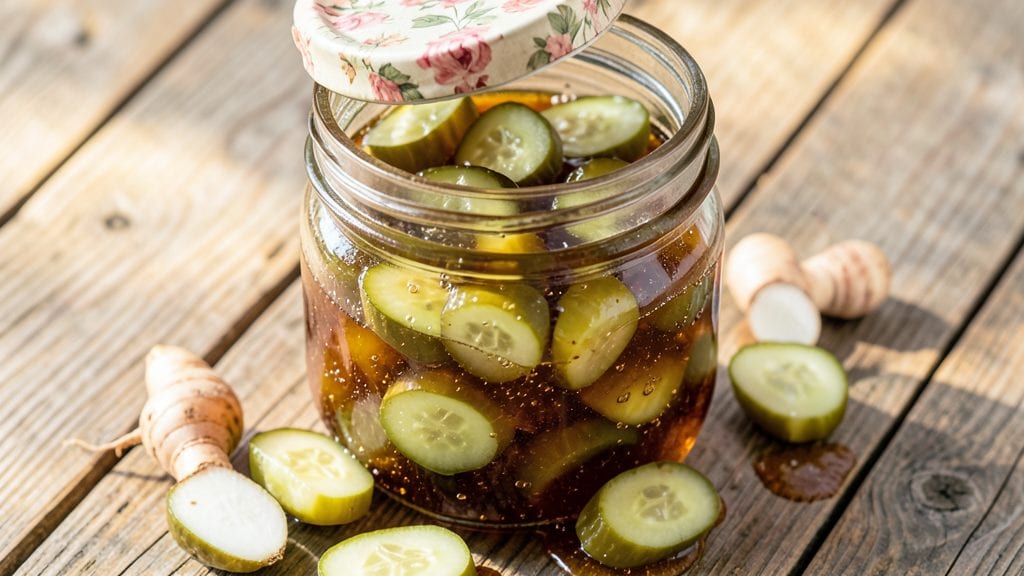
The pioneer woman’s beloved Nathan’s Sweet Horseradish Pickles recipe delivers that perfect balance of spicy kick and sweet tang that makes every bite irresistible. 💫 I first tasted these at a Southern cookout where they served as both condiment and dessert—crunchy, sweet, and just spicy enough to keep things interesting.
The Pioneer Woman's approach simplifies the process without sacrificing that signature flavor.
This recipe transforms simple cucumbers into something extraordinary through a precise blend of horseradish, sugar, and vinegar. The key lies in the slow fermentation process that develops depth of flavor over time, creating pickles that are both sweet and subtly spicy.
With just a few ingredients and minimal effort, you'll achieve restaurant-quality results that taste homemade.
What makes these pickles special is their versatility—they elevate sandwiches, pair beautifully with charcuterie, and even stand alone as a sweet-spicy snack. The recipe delivers a perfect balance of textures: crisp cucumbers, tender horseradish, and a glossy glaze that ties everything together.
Once you try these, you'll never reach for store-bought again.
Ready in just 24 hours with 10 minutes of active prep, this recipe is perfect for beginners and experienced cooks alike. The process is straightforward, but the results are anything but ordinary—each jar delivers that perfect harmony of sweet and spicy that keeps everyone coming back for more.
Let's get started!
Ingredients for nathan's sweet horseradish pickles recipe pioneer woman
Sweet, spicy, and utterly addictive—these pickles transform humble cucumbers into Southern magic with just 15 minutes of prep.
| Ingredient | Amount | Notes |
|---|---|---|
| Fresh Kirby Cucumbers 🥒 | 2 lbs | Whole, unpeeled, small uniform size |
| Prepared Horseradish 🌶️ | 1 cup | Freshly grated preferred for best flavor |
| Granulated Sugar 🍚 | 1 ½ cups | White or light brown preferred |
| White Vinegar 🍶 | 1 ½ cups | Distilled or apple cider vinegar |
| Water 💧 | 1 ½ cups | Filtered or distilled preferred |
| Pickling Salt 🧂 | ½ cup | Non-iodized, fine grain preferred |
| Mustard Seeds 🌾 | 1 tbsp | Yellow or brown, whole seeds |
| Black Peppercorns 🌶️ | 1 tsp | Whole, lightly crushed |
| Garlic Cloves 🧄 | 2 whole | Unpeeled, lightly smashed |
| Dill Seed 🌿 | 1 tsp | Whole seeds, not dried dill |
| Red Wine Vinegar 🍷 | ½ cup | For depth of flavor |
| Corn Syrup 🍯 | ¼ cup | Light corn syrup preferred |
| Cayenne Pepper 🔥 | ¼ tsp | Adjust for heat preference |
| Lemon Juice 🍋 | 1 tbsp | Freshly squeezed |
| Pint-Sized Mason Jars 🥫 | 4 whole | With lids, sterilized |
The horseradish is non-negotiable here—it's what gives these pickles their signature kick. Trader Joe's and Whole Foods carry the best freshly grated tubs, but if you're adventurous, you can make your own by grating a whole horseradish root and mixing it with a bit of vinegar to mellow the heat. For the cucumbers, Kirby variety is ideal—they're small, crisp, and hold their shape beautifully. If you can't find them, regular Persian cucumbers work in a pinch, but they'll be slightly larger. The pickling salt matters too—Diamond Crystal is my go-to, but any non-iodized salt will do. Look for jars with two-piece lids for the best seal, and sterilize them properly to avoid any funky flavors later.
No horseradish? Fresh ginger at half the amount adds warmth without the same sharpness, but you'll lose that signature horseradish tang. Running low on white vinegar? Apple cider vinegar works perfectly, just add an extra splash of lemon juice to brighten things up. The corn syrup might seem odd, but it's what creates that signature glossy glaze—don't skip it! If you're avoiding sugar entirely, you can reduce the amount by half and add an extra tablespoon of lemon juice for balance. For the spices, mustard seeds and dill seed are essential—they add texture and depth that dried herbs can't match. Want more heat? Add an extra pinch of cayenne, but start small and adjust to taste.
These pickles taste even better after 48 hours, so make them a day ahead if you can. Store them in the fridge once opened, and they'll keep for about 3 months—though they rarely last that long in my house! The jars are perfect for gifting too; just tie a ribbon around the lid and you've got an instant hostess present. For extra crunch, add a few whole cloves or a cinnamon stick to the jars before sealing. And if you're feeling fancy, reserve some of the pickling liquid to serve on the side—it's amazing drizzled over grilled meats or deviled eggs!
Why You'll Love This Recipe
- No-Fuss Ingredients: I keep a bottle of prepared horseradish and sugar in my pantry just for this—no fancy prep, no last-minute grocery runs. Kirby cucumbers slice in seconds, and the vinegar-water mix? You’ve got that covered if you’ve ever made pickles before.
- Sweet Heat Balance: That first bite—crisp cucumber with a slow-building horseradish kick, then the sugar mellowing it out? It’s the kind of flavor that makes you pause mid-bite. Honestly, it’s the only pickle I’ll eat straight from the jar.
- Game for Any Meal: Slap these on burgers, toss them in sandwiches, or serve them as a side when company drops by. They’re bold enough to stand alone but polite enough to play backup. My kids even ask for them at potlucks—rare praise.
- Makes a Month’s Worth: One batch lasts us weeks. The vinegar keeps them crisp, and the sugar prevents mushiness, so they’re still perfect when I pull them out for leftovers. Plus, the cost? Less than $5 for everything. Practical perfection.
Step-by-step instructions for nathan's sweet horseradish pickles
Here's how to create these legendary spicy-sweet cucumbers that balance heat and sweetness perfectly.
👨🍳 Step 1: Prepare the Cucumbers and Spice Base
Start by washing the 2 lbs fresh Kirby cucumbers thoroughly and pat them completely dry. Using a sharp knife, slice each cucumber into ½-inch thick rounds—uniform slices ensure even pickling. Transfer them to a large mixing bowl and set aside.
In a separate bowl, combine the 1 cup prepared horseradish, 0.25 tsp cayenne pepper, 1 tbsp mustard seeds, 1 tsp black peppercorns, 1 tsp dill seed, 2 whole garlic cloves (lightly smashed), and 1 tbsp lemon juice. This aromatic blend is the flavor foundation—don't skip the horseradish, as it delivers that signature kick.
🍳 Step 2: Create the Sweet-Tangy Brine
In a large saucepan, whisk together the 1.5 cups granulated sugar, 1.5 cups white vinegar, 0.5 cup red wine vinegar, 0.25 cup corn syrup, and 1.5 cups water over medium heat. Bring the mixture to a gentle boil, stirring until the sugar completely dissolves—this should take about 3-4 minutes. The syrup should be clear and glossy, not grainy.
Once dissolved, remove the pan from heat and let it cool slightly for 5 minutes. Add the spice mixture from Step 1 and stir well to distribute the flavors. Here's the thing—this cooling step is crucial. Adding hot brine to cold cucumbers creates a thermal shock that can make them mushy, so let it temper first.
🥘 Step 3: Combine and Pack the Jars
Pour the cooled brine over the cucumber slices in the mixing bowl, ensuring every piece is fully coated. Stir gently but thoroughly—you want the horseradish and spices to cling to each cucumber round. Let the mixture sit at room temperature for 15 minutes to allow the flavors to begin melding.
While waiting, prepare your 4 whole pint-sized mason jars by sterilizing them in boiling water for 10 minutes. Pack the cucumber slices tightly into each jar, leaving about ½-inch headspace at the top. Use a wooden spoon to press down gently—this prevents air pockets that could cause mold later.
⏰ Step 4: Seal and Process for Perfect Texture
Ladle the remaining brine (including any cucumber juice) over the packed cucumbers, filling each jar to within ¼-inch of the rim. Wipe the jar rims clean with a damp paper towel to ensure a proper seal, then secure the lids tightly. Place the jars in a large pot and cover with 2 inches of water. Bring to a boil over high heat and process for 10 minutes—this sterilizes the jars and creates that signature crunch.
Remove the jars and let them cool completely at room temperature for 12 hours before refrigerating. The waiting period allows the flavors to develop fully. Once chilled, these pickles will keep in the fridge for up to 3 months, with the heat and sweetness intensifying over time. Trust me, the longer they sit, the better they taste!
Pro Tips For Making Nathan'S Sweet Horseradish Pickles Recipe Pioneer Woman
- SLICE THICK ENOUGH: Kirby cucumbers are stubborn little things—if you cut them too thin, they’ll turn into mush before they ever get that perfect crunch. Aim for ¼-inch slices so they hold shape and soak up the horseradish-vinegar punch without falling apart. (I learned this the hard way after making pickles that looked like sad, soggy noodles.)
- CHILL THE BRINE FIRST: Pouring hot vinegar-water over cold cucumbers is a recipe for uneven texture—some slices soften too fast, others stay stubborn. Mix your brine (vinegar, sugar, water) and let it cool to room temperature before adding the cucumbers. This guarantees even pickling and keeps the crunch consistent slice to slice.
- SKIP THE PRE-SOAK: I used to rinse the cucumbers first to "clean" them, but that just dilutes the flavor and makes the brine watery. Just pat them dry with a towel and toss in the brine straight away—they’ll absorb the horseradish and sugar better without any extra moisture getting in the way.
- ADD HORSERADISH LAST: Stirring in the prepared horseradish too early lets its sharpness mellow out in the heat of the brine. Wait until the mixture is completely cooled before folding it in—this keeps that bright, peppery kick front and center. (Yes, it’s tempting to mix everything at once, but trust me on this.)
Essential equipment for great nathan's sweet horseradish pickles recipe pioneer woman
Mason Jars Essentials
You’ll need pint-sized mason jars with two-piece lids—the Ball or Kerr brand are my go-tos for reliability. I always sterilize them in boiling water for 10 minutes before use to prevent any funky flavors or spoilage.
Pro tip: Use a jar lifter when moving hot jars to avoid burns—trust me, you’ll thank me later. 🥫
For the best seal, ensure your lids are new or recently used—old lids lose their sealing ability over time. I keep a stash of Ball lids in my pantry because they’re reusable and work perfectly for this recipe.
If you’re new to canning, practice sealing a few jars first to get the hang of it—it’s easier than it looks!
Precision Tools
A sharp chef’s knife and cutting board are non-negotiable for slicing those ½-inch cucumber rounds evenly. I use a Wüsthof knife because it stays sharp and makes clean cuts—no jagged edges that ruin the presentation.
For measuring, grab a digital kitchen scale (like the OXO Good Grips) for accuracy with the 1.5 cups sugar and 1.5 cups vinegar.
Don’t skimp on the thermometer—a instant-read thermometer (I love the Thermoworks Thermapen) helps monitor the brine’s temperature to avoid mushy cucumbers. And for stirring, a wooden spoon works best—it won’t scratch your jars or react with the acidic brine. 🌡️
Fermentation Gear
While this recipe doesn’t require a full fermentation setup, a large mixing bowl (like a stainless steel Cambro) is perfect for combining the cucumbers and brine.
If you’re feeling fancy, a fine-mesh strainer helps drain excess liquid before packing the jars—just don’t over-drain, or the pickles will lose their flavor.
For the 10-minute water bath, a deep stockpot (I use a All-Clad) with a canning rack (like the Ball Mason Jar Canner) keeps jars stable and off the bottom.
If you’re making these often, invest in a vacuum sealer—it extends shelf life to 6 months in the freezer. I use the FoodSaver for my jars, but even a simple clamp-style sealer works in a pinch. The key is removing all air before sealing to prevent mold. 💡
Spice & Ingredient Must-Haves
Fresh horseradish is a game-changer—Trader Joe’s or Whole Foods carry the best tubs, but if you’re adventurous, grate a whole root and mix with vinegar to mellow the heat.
For the mustard seeds and dill seed, I buy them in bulk from Penzeys Spices—they’re fresher and more flavorful than store brands. A microplane makes quick work of grating the horseradish, and a garlic press speeds up prep for those 2 smashed cloves.
For the vinegars, stick with distilled white vinegar and red wine vinegar—they’re consistent and won’t add unwanted flavors. If you’re avoiding sugar, reduce the 1.5 cups granulated sugar by half and add extra lemon juice for brightness.
And always use non-iodized salt—iodized salt can cloud the brine. 🧂
Nutrition facts
Frequently asked questions
Why does Pioneer Woman's recipe use both white and red wine vinegar?
The combination creates depth of flavor—white vinegar provides the classic tang while red wine vinegar adds complexity and a subtle fruitiness. Together, they balance the sweetness and horseradish heat beautifully. The Pioneer Woman approach prioritizes this layered flavor profile over single-vinegar simplicity.
Can I make these pickles without corn syrup?
Yes, but the texture will differ. Replace the 0.25 cup corn syrup with an extra 0.25 cup sugar and 1 tbsp lemon juice to maintain sweetness and gloss. The corn syrup creates that signature sticky glaze—without it, the pickles will be slightly less shiny but still delicious.
How do I adjust the heat level for kids or sensitive eaters?
Reduce the cayenne pepper to 1/8 tsp or omit it entirely. For extra mildness, add 1/4 cup extra sugar to balance the horseradish's natural sharpness. The Pioneer Woman version keeps the horseradish as the star—just dial back the cayenne for gentler heat.
What's the best way to store these pickles long-term?
After refrigerating for 24 hours, these pickles will keep for 3 months in the fridge. For longer storage, process sealed jars in a water bath for 10 minutes (as in the recipe) and store in a cool, dark pantry—they'll last 6-12 months unopened. Always check seals before opening.
Can I use regular cucumbers instead of Kirby?
Regular cucumbers will work, but they're larger and may become softer during pickling. For best texture, choose small Persian cucumbers and slice them 1/4-inch thick instead of the recipe's 1/2-inch. Kirby cucumbers hold their shape better due to their size and skin thickness—this is why they're the Pioneer Woman's preferred choice.