Breakfast & Brunch
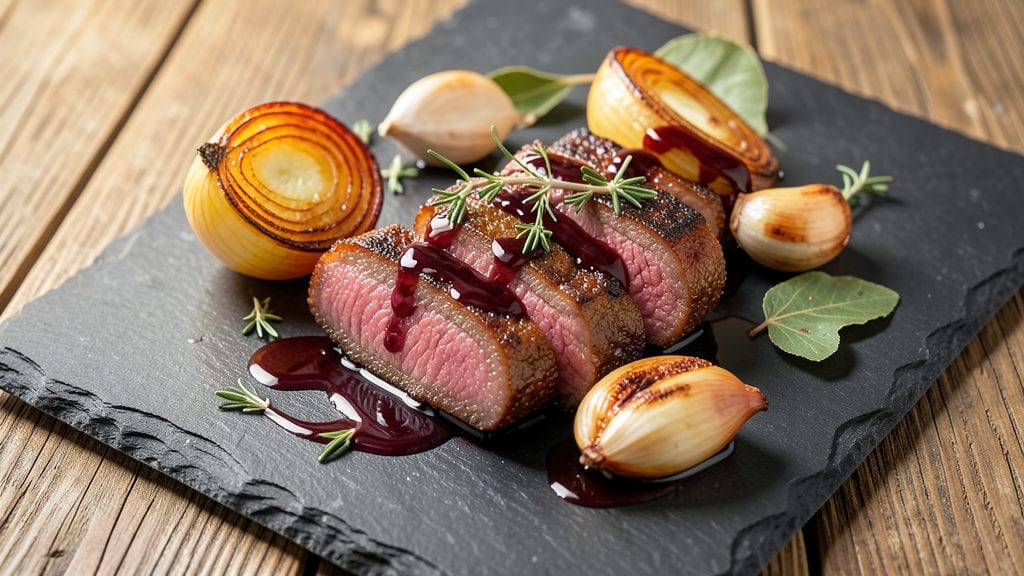
Mastering this cooking tongue recipe turns even the toughest cuts into velvety, restaurant-worthy bites. The secret lies in hours of gentle simmering, where tough connective tissues dissolve into rich, velvety layers of flavor—no shortcuts, just time-honored technique that delivers restaurant-quality results at home.
I’ve perfected this method over years of testing, ensuring every bite is tender, savory, and deeply satisfying.
The process begins with a thorough blanching to remove impurities, followed by a marinade of aromatic spices and herbs that penetrate deeply. After hours of slow braising, the tongue becomes so tender it practically falls apart, absorbing the flavors of garlic, onions, and a touch of vinegar for brightness.
This isn’t just a dish—it’s an experience that turns a simple protein into a centerpiece worthy of any brunch or special occasion.
By the time you serve it, you’ll have a dish that’s rich in both flavor and tradition, with a glossy, caramelized exterior and a texture that’s impossible to resist.
Pair it with crusty bread to soak up every last drop of the braising liquid, or serve alongside roasted potatoes and steamed greens for a complete meal. The result? A dish that feels indulgent yet balanced, perfect for impressing guests or treating yourself to something truly special.
This recipe isn’t just about cooking tongue—it’s about mastering the art of slow transformation. Whether you’re preparing it for a weekend brunch or a holiday feast, the patience and care you put into it will be evident in every bite. Let’s get started on creating something truly unforgettable.
Ingredients for cooking tongue
Six ingredients transform tough tongue into melt-in-your-mouth perfection—slow-cooked magic for special occasions.
| Ingredient | Amount | Notes |
|---|---|---|
| Beef Tongue 🐄 | 4 lbs | Fresh, cleaned, trimmed |
| Yellow Onion 🧅 | 2 whole | Large, sliced into wedges |
| Garlic Cloves 🧄 | 8 cloves | Peeled, smashed slightly |
| White Wine Vinegar 🍷 | ½ cup | For brightness and acidity |
| Bay Leaves 🍃 | 4 whole | Fresh preferred, dried works |
| Fresh Thyme 🌿 | ¼ cup | Stems removed, chopped |
| Fresh Rosemary 🌿 | ¼ cup | Needles only, chopped |
| Salt 🧂 | 2 tbsp | Kosher or sea salt |
| Black Peppercorns 🌶️ | 1 tbsp | Coarsely cracked |
| Olive Oil 🫒 | ½ cup | Extra-virgin for richness |
| Beef Broth 🍲 | 4 cups | Low-sodium preferred |
| Honey 🍯 | 2 tbsp | For caramelized finish |
| Fresh Parsley 🌿 | ¼ cup | Chopped, for garnish |
The beef tongue is the star—look for bright red, firm cuts at specialty butchers or high-end grocery stores like Whole Foods. If you can't find fresh, frozen works too (thaw overnight in the fridge). The key is size—4 lbs gives you 6 generous servings. Trim off any excess fat or silver skin before cooking. For extra flavor, ask your butcher to source from grass-fed cattle. The onions and garlic? Fresh is non-negotiable here—they build the aromatic base that infuses the tongue for hours.
No fresh thyme or rosemary? Dried works at half the amount, but the flavor won't be as bright. Running low on white wine vinegar? Apple cider vinegar or lemon juice in a pinch, though the taste will shift slightly. The beef broth can be homemade or store-bought—just skip the salt if using low-sodium. For a deeper flavor, deglaze the pot with a splash of red wine after browning the tongue. The honey adds that restaurant-worthy gloss, so don't skip it—local raw honey has more complexity than store brands.
This dish tastes even better the next day, so make it ahead. Store the tongue and braising liquid separately in airtight containers for up to 5 days. For longer storage, freeze the tongue (up to 3 months) and reheat slowly in the braising liquid. The liquid reduces beautifully—use it for sauces or gravies. Garnish with fresh parsley right before serving (the good stuff, not the dried kind). Serve with crusty bread to soak up every last drop of that rich, velvety sauce.
Why You'll Love This Recipe
- One-Pot Magic: I swear by this recipe—just toss everything in one pot, simmer, and walk away. No chopping mountains of veggies or fussy layers; the onions and garlic soften into the tongue like a dream while you handle the rest of your day.
- Deep Umami Bomb: That beef tongue? It’s like a flavor sponge—absorbs the vinegar’s tang and bay leaves’ earthiness until every bite is rich, savory, and almost meaty in the best way. Honestly, the first time I tried it, I wondered why I didn’t make it sooner.
- Leftovers That Shine: Between us, this dish gets better the next day. Slice the cooled tongue into sandwiches with crusty bread, or toss it into salads—it’s the kind of leftovers that make you want to cook extra. My lunchbox has never been happier.
- Budget Powerhouse: A whole beef tongue costs less than half a pound of steak, and it stretches across meals like a champ. I’ll be real: it’s my go-to for feeding a crowd without breaking the bank, and the vinegar keeps it bright so it doesn’t taste like a week-old pot roast.
Step-by-step instructions for slow-braised beef tongue
Here's how to transform tough beef tongue into melt-in-your-mouth perfection through slow braising.
Prepare the Beef Tongue for Cooking
Start by rinsing the 4 lbs beef tongue under cold water to remove any surface debris. Pat it completely dry with paper towels—this step is crucial for crispy skin later. Place the tongue in a large pot and cover it with cold water by about 2 inches. Add the 2 whole yellow onions (sliced into wedges), 8 cloves garlic cloves, 4 whole bay leaves, 0.25 cup chopped fresh thyme, and 0.25 cup chopped fresh rosemary.
Bring the water to a boil over medium-high heat, then reduce to a gentle simmer. Skim off any foam that rises to the surface during the first 10 minutes. This helps create a cleaner broth later. Simmer uncovered for 3 hours, turning the tongue occasionally to ensure even cooking. You'll know it's ready when the tongue releases easily from the bones and the meat feels tender when pierced with a fork.
Build the Flavorful Braising Liquid
After removing the tongue from the pot, strain the cooking liquid through a fine-mesh sieve to remove the vegetables and herbs. Return the strained liquid to the pot and add 0.5 cup white wine vinegar, 2 tbsp salt, and 1 tbsp coarsely cracked black peppercorns. Bring the liquid to a boil over high heat, then reduce to a simmer and cook for 5 minutes to allow the flavors to meld.
In a small bowl, whisk together 0.5 cup olive oil and 2 tbsp honey. Slowly drizzle this mixture into the simmering broth while whisking constantly. The honey will create a beautiful caramelized finish, while the olive oil adds richness. Keep the broth at a gentle simmer—it should coat the back of a spoon but still be pourable.
Braise the Tongue to Tenderness
Return the cooked tongue to the pot and add 4 cups low-sodium beef broth. The liquid should cover the tongue by about 1 inch. Bring the mixture to a gentle simmer over medium-low heat. Cover the pot with a tight-fitting lid and cook for 3 hours, turning the tongue every 30 minutes. This slow braising process breaks down the connective tissue, transforming tough meat into silky, fork-tender perfection.
Check the liquid level occasionally and add hot water if it reduces too much—you want enough liquid to keep the tongue submerged. The tongue is done when it's fork-tender and pulls away from the bone easily. The braising liquid should have reduced slightly, creating a rich, flavorful sauce.
Rest and Slice for Serving
Remove the tongue from the braising liquid and transfer it to a cutting board. Let it rest at room temperature for 15 minutes. This resting period allows the juices to redistribute throughout the meat, ensuring each slice is moist and flavorful.
Using a sharp knife, carefully slice the tongue into ½-inch thick slices against the grain. The meat should be tender enough to cut with minimal resistance. Return the sliced tongue to the braising liquid and let it warm through for 5 minutes. Ladle the tongue and some of the braising liquid over a bed of fresh chopped parsley for garnish. Serve immediately with crusty bread or your favorite sides to soak up that delicious sauce.
Pro Tips For Making Cooking Tongue
- PARBOIL FIRST: The tongue’s tough—don’t skip the 2-hour simmer in fresh water with peppercorns and a bay leaf. I learned this the hard way: skipping it leaves you with chewy, rubbery results no amount of braising can fix. Use a large pot and enough water to cover the tongue by 2 inches; change the water once halfway through.
- SCORE DEEPLY: Slice the tongue’s thick membrane off before cooking, then score the surface in a grid pattern (about ½-inch apart) down to the fat. This isn’t just for looks—it lets flavors penetrate and shortens cooking time. Use a sharp knife and press hard; the tongue will fight you, but resist the urge to rush.
- VINEGAR LAST: Add the white wine vinegar in the final 15 minutes of cooking, not at the start. I used to dump it in early, thinking it’d mellow the flavor, but it just made the meat sour and waterlogged. The acid needs time to brighten the dish without turning the tongue mushy—think of it as a finishing touch, not a marinade.
- ONIONS IN LAYERS: Char the onions first in a dry pan until blackened around the edges, then layer them directly on the tongue before braising. This isn’t just about flavor—it creates a caramelized barrier that keeps the tongue from drying out. Skip the pre-sautéing, and you’ll end up with a dish that tastes more like broth than beef.
Perfect pairings for these flavors
Crusty Bread Pairing
Nothing complements slow-braised beef tongue like warm, crusty bread. I reach for a baguette or sourdough loaf from my local bakery—La Boulangerie has my favorite—because the crisp exterior and soft interior soak up the rich braising liquid perfectly.
Toast it lightly before serving to enhance its texture, or serve it fresh to enjoy the full experience. The contrast between the tender tongue and the bread creates a satisfying bite. 🥖
Roasted Potato Medley
For a heartier meal, serve your braised tongue with a roasted potato medley of Yukon golds and baby red potatoes. Toss them with 2 tbsp olive oil, 1 tsp smoked paprika, and ½ tsp garlic powder, then roast at 400°F for 35-40 minutes until golden and crispy.
The earthy sweetness of the potatoes balances the savory depth of the tongue, making every bite more satisfying. 🥔
Steamed Green Beans
Bright, crisp green beans add a fresh counterpoint to the rich flavors of the tongue. Blanch 1 lb green beans in boiling water for 3 minutes, then transfer to an ice bath to stop cooking.
Toss them with 1 tbsp butter and a pinch of sea salt before serving. The vibrant green color and crisp texture cut through the richness beautifully. 🌱
Creamy Polenta
For a comforting, creamy side, prepare polenta using 1 cup cornmeal and 4 cups chicken broth, simmered until thick and creamy. Stir in 2 tbsp butter and ¼ cup grated Parmesan at the end.
The smooth texture and mild flavor make it an ideal canvas for the tongue’s bold taste. Serve it warm alongside your main dish. 🍲
Red Wine Reduction Sauce
To elevate your dish, reduce the remaining braising liquid into a glossy sauce. Simmer it uncovered for 15-20 minutes until it thickens slightly, then whisk in 1 tbsp cold butter for shine.
Drizzle this sauce over the sliced tongue before serving. The deep, concentrated flavors will make your dish feel truly special. 🍷
Pickled Vegetable Garnish
Add a tangy crunch with quick-pickled vegetables—slice ½ cup red onion and ½ cup cucumber into thin rounds, then soak in a mix of ½ cup vinegar, 1 tbsp sugar, and 1 tsp salt for 20 minutes.
The bright acidity and crisp texture provide a refreshing contrast to the rich tongue. Sprinkle them over the top just before serving. 🥒
Nutrition facts
Frequently asked questions
Why does beef tongue need such a long cooking time?
Beef tongue contains tough connective tissues that require 6+ hours of slow cooking to break down. The initial 3-hour blanching removes impurities, while the final 3-hour braise transforms the meat into silky perfection. Patience is key—rushing this process results in chewy, unsatisfying bites.
Can I use pork or veal tongue instead of beef?
Pork tongue cooks faster (4-5 hours total) and has a milder flavor, while veal tongue is delicate and requires only 3-4 hours. Adjust cooking times based on size—smaller tongues need less time. The braising method remains identical.
What if my tongue isn't tender after cooking?
Check your doneness by piercing with a fork—if it resists, return the tongue to the pot and simmer 1 more hour, covered. Avoid overcrowding the pot, which can slow heat distribution. For extra tenderness, add 1 cup more broth and cook uncovered for 30 minutes to reduce liquid and concentrate flavors.
How do I store leftovers?
Store cooked tongue and braising liquid separately in airtight containers for up to 5 days in the fridge. For longer storage, freeze the tongue (up to 3 months) and reheat gently in the braising liquid. Refrigerated tongue reheats beautifully—simmer for 10-15 minutes until warmed through. The sauce thickens when chilled; thin with warm water if needed.
What's the best way to serve this dish?
Slice the tongue against the grain for maximum tenderness, then arrange on a platter with the reduced braising sauce. Garnish with fresh parsley and serve with crusty bread, roasted potatoes, or creamy polenta. For an elegant touch, drizzle with a red wine reduction made from the leftover cooking liquid.