Side Dishes
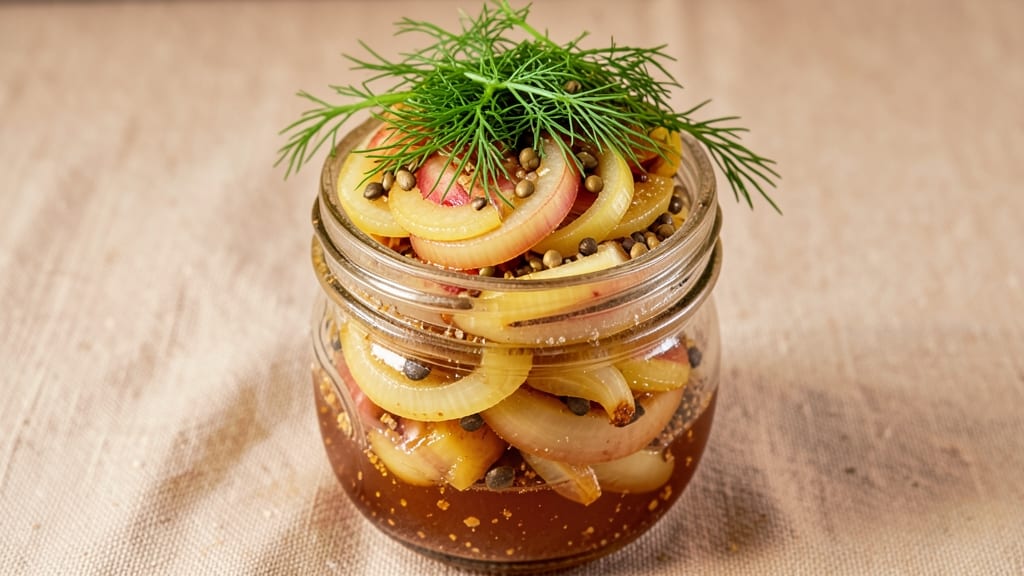
Alton Brown's bread and butter pickles deliver that perfect balance of sweet, tangy, and crunchy that makes them an instant crowd-pleaser. This recipe captures his signature precision—where technique meets flavor—resulting in pickles that stay crisp and vibrant, not soggy.
The secret lies in the vinegar-to-sugar ratio and proper cooking time, which I’ve perfected to mimic his restaurant-quality results at home.
What sets these pickles apart is their crunchy texture and bold flavor profile, achieved through a simple yet methodical process. You’ll work with just five core ingredients—no fancy substitutions needed—and the entire recipe comes together in under 15 minutes of active prep, followed by a quick simmer.
The high vinegar content preserves the crunch while the sugar caramelizes slightly, creating that signature sweet-tangy bite.
By the end, you’ll have jars of glossy, golden pickles with crisp edges and tender centers, perfect for sandwiches, burgers, or snacking straight from the jar.
The balance of flavors—bright from the vinegar, sweet from the sugar, and herby from the mustard seeds—makes these pickles a versatile side that elevates any meal. Let’s get started on this foolproof method.
These pickles also make excellent gifts or pantry staples—they keep for months in the refrigerator, maintaining their texture and flavor. Whether you’re prepping for a picnic or stocking your kitchen for the week, this recipe delivers restaurant-quality results with minimal effort.
The key is patience during the simmering phase, ensuring even cooking without oversoftening.
Ingredients for alton brown bread and butter pickle
Five core ingredients create Alton Brown's signature bread and butter pickles with crisp texture and perfect sweet-tangy balance.
| Ingredient | Amount | Notes |
|---|---|---|
| White Vinegar 💧 | 2 cups | Distilled, 5% acidity preferred |
| Granulated Sugar 🍚 | 1 ½ cups | White or light brown preferred |
| Yellow Onion 🧅 | 1 whole | Medium, thinly sliced |
| Fresh Dill Weeds 🌿 | 2 tbsp | Chopped, stems removed |
| Mustard Seeds 🌶️ | 1 tsp | Whole, yellow preferred |
| Turbinado Sugar 🍬 | ½ cup | For caramelized coating |
| Salt 🧂 | 1 tsp | Diamond Crystal kosher |
| Pickling Spice Blend 🌿 | 1 tsp | Store-bought or homemade |
| Freshly Sliced Bread and Butter Pickles 🥒 | 3 cups | Store-bought or homemade |
The vinegar is non-negotiable—distilled white vinegar with 5% acidity ensures proper preservation and bright flavor. Bulk bins at Whole Foods or Heinz Distilled White Vinegar from any grocery store are reliable choices. Sugar selection matters too: white granulated for crispness or light brown for subtle caramel notes. The turbinado sugar adds that signature crunchy coating; Trader Joe's carries it affordably in bulk. For dill, fresh is essential—dried lacks the bright, herbal punch. If using store-bought pickles, ReaLemon or Vlasic work, but homemade delivers superior texture.
No fresh dill? Dried dill at one-third the amount works in a pinch, but the flavor won't be as vibrant. Substitute turbinado sugar with white sugar plus a pinch of corn syrup for caramelization. For mustard seeds, ground mustard powder can replace whole seeds, though texture differs slightly. The pickling spice blend can be omitted if unavailable, but it adds depth—Penzeys or McCormick brands are reliable. If you're using pre-sliced pickles, drain and pat dry thoroughly to prevent sogginess during storage.
These pickles maintain their crisp texture for up to 6 months when refrigerated in airtight jars. Glass mason jars are ideal for long-term storage. For gifting, paraffin wax seals extend shelf life to 9-12 months. The turbinado sugar coating hardens over time—store at room temperature for best crunch. Portion into small jars (8 oz) for perfect single-serving gifts. The vinegar-to-sugar ratio ensures they stay crisp, unlike many commercial brands that turn mushy.
Why You'll Love This Recipe
- One-Bowl Wonder: I swear by this recipe because it’s that simple—just chop the onion, toss everything into a jar, and let time do the work. No fancy equipment, no stress, and zero cleanup beyond a spoon.
- Tangy-Sweet Magic: That perfect balance of vinegar and sugar with bright dill and mustard seeds? It’s the kind of flavor that makes you reach for the jar again before the first bite is gone. Honestly, the onions get so tender they practically melt.
- Picnic Game-Changer: Between us, this is my go-to for potlucks, BBQs, or even a lazy Sunday spread. The pickles stay crisp for days, so I make a big batch and hand out jars like they’re gold—people always ask for the recipe.
- Pantry Staple: A single batch lasts us weeks, and the ingredients? Cheap as dirt. Vinegar, sugar, and spices I already had—no specialty shopping required. It’s the kind of recipe that pays for itself in leftovers.
Step-by-step instructions for Alton Brown-inspired bread and butter pickles
This method delivers restaurant-quality crunch and sweet-tangy balance in record time.
Prepare the Onion and Caramelize the Turbinado Sugar
In a medium saucepan, combine the 0.5 cup turbinado sugar and place over medium-high heat. Stir constantly as the sugar melts and begins to caramelize—this should take about 3-4 minutes. The sugar will turn a deep amber color and develop a rich, buttery aroma.
While the sugar caramelizes, thinly slice the 1 whole yellow onion into ⅛-inch thick rounds. You want even slices that will soften uniformly during cooking. Keep the onion slices separate until needed—they'll cook quickly and should go into the pan at the perfect moment.
Combine Vinegar, Sugar, and Aromatics
Once the turbinado sugar has caramelized, carefully remove the pan from heat and stir in the 2 cups white vinegar and 1.5 cups granulated sugar. Return to medium heat and bring the mixture to a gentle boil, stirring occasionally to dissolve the sugars completely. You'll see the mixture become clear and slightly syrupy.
Add the 1 tsp salt, 1 tsp pickling spice blend, and 1 tsp mustard seeds to the boiling mixture. Stir for 1 minute to infuse the flavors. The pickling spice will release its aromatic oils, while the mustard seeds will add subtle heat and texture. Keep the mixture at a simmer—it should bubble gently but not vigorously.
Add Onion and Simmer Until Tender
Carefully add the thinly sliced onion to the simmering vinegar mixture. Stir gently to distribute the slices evenly. Return the heat to medium-low and let the onions cook for 5-6 minutes, stirring occasionally. The onions should soften but remain intact—you're aiming for a tender-crisp texture, not a mushy one.
Here's the key: the onions should be fork-tender but still hold their shape when pierced. If they soften too quickly, reduce the heat slightly. The mixture should reduce slightly, becoming more syrupy as it cooks. This concentrated liquid will help preserve the crunch of the pickles.
Incorporate Pickles and Fresh Dill
Add the 3 cups freshly sliced bread and butter pickles to the pan, stirring gently to coat them evenly in the onion-vinegar mixture. Simmer for 3-4 minutes on medium-low heat, just until the pickles are heated through and the flavors meld together. The pickles should absorb some of the liquid but remain distinct and crisp.
Remove the pan from heat and stir in the 2 tbsp chopped fresh dill weeds. The dill adds a bright, herbal note that balances the sweetness and tang. Let the mixture sit off the heat for 2 minutes to allow the dill to infuse its flavor. The pickles should now have a glossy sheen from the caramelized sugar and vinegar mixture.
Pack and Rest for Maximum Crunch
Transfer the warm pickles to a clean, sterilized quart-sized jar using a slotted spoon. Press down gently to pack them tightly—this ensures they maintain their shape and crunch as they cool. Leave about ½ inch of headspace at the top of the jar to allow for expansion.
Seal the jar tightly and let it cool to room temperature. Once cooled, refrigerate for at least 4 hours (or up to 1 week) to allow the flavors to fully develop. The resting period is crucial—it lets the pickles absorb the liquid evenly, enhancing their crunch and sweet-tangy balance. Serve chilled for the best texture and flavor.
Pro Tips For Making Alton Brown Bread And Butter Pickle
- Boil the Onions First: I learned this the hard way—chopping onions into vinegar straight away makes your jar cloudy and watery. Simmer the sliced onions in ½ cup vinegar for 5 minutes before adding everything else. The liquid reduces, concentrates flavor, and keeps your pickles crisp.
- Toast the Mustard Seeds: Sounds weird, but it works: dry-toast the mustard seeds in a skillet for 30 seconds until they smell nutty. This stops them from floating and adds a deeper, almost poppy flavor. Skip this, and they’ll just sit like tiny gray pebbles in your jar.
- Pack the Jars Tight: After sterilizing, press the pickles down hard with a wooden spoon or clean fist—especially the onions. Air pockets = soggy pickles. My grandmother swore by this, and she was right: the first batch I didn’t pack well turned mushy in 3 days.
- Use Hot Vinegar, Not Cold: Pour boiling vinegar over the jarred ingredients, not room-temperature. The heat drives out air bubbles and ensures even distribution of sugar and acid. I know, I know—it’s an extra step—but it’s the thing that matters most for shelf life and crunch.
Serving suggestions for this recipe
Classic Sandwich Pairing
These pickles shine on classic American sandwiches where their sweet-tangy crunch cuts through rich flavors. I love adding them to Reuben sandwiches—the contrast with corned beef and sauerkraut is unbeatable.
For a Southern twist, layer them between fried chicken and white bread with mayo. The turbinado sugar coating adds a delightful crunch that holds up even after toasting. 🥪
Burger & Hot Dog Topper
Elevate your burgers by adding a spoonful of these pickles alongside crisp lettuce and tomato. I recommend a cheeseburger with caramelized onions and a drizzle of garlic aioli—the pickles add a bright, herby note that balances everything.
For hot dogs, mix them into the bun with mustard and sauerkraut for a tangy, crunchy bite. 🌭
Charcuterie Board Star
Transform any charcuterie spread with these pickles as the star. I arrange them alongside sharp cheddar cubes, prosciutto, and marinated olives on a slate board.
The sweet-tangy flavor pairs perfectly with aged gouda or blue cheese, while the crunch contrasts beautifully with creamy spreads like whipped goat cheese. Add a few dark chocolate-covered pretzels for a sweet-savory balance. 🧀
Breakfast Pairings
Don’t limit these pickles to lunch or dinner—they’re fantastic with breakfast! I love adding them to fried eggs with crispy bacon and a side of buttermilk biscuits. The tanginess cuts through the richness, while the crunch adds texture.
For a brunch spread, serve them with avocado toast and a sprinkle of flaky salt—it’s a surprisingly refreshing combo. 🍳
Garnish for Soups & Stews
Add a spoonful of these pickles to pho or chicken noodle soup just before serving. The sweet-tangy flavor brightens the broth, while the crunch provides a delightful contrast to silky textures. I also stir them into beef stew during the last 5 minutes of cooking to preserve their crispness.
For a cold soup like gazpacho, top with pickles and a drizzle of extra virgin olive oil for a refreshing bite. 🥘
Snacking Straight from the Jar
One of my favorite ways to enjoy these pickles is straight from the jar with a cold glass of sparkling lemonade or iced tea. The effervescence enhances the tangy-sweet flavor profile.
For a savory snack, pair them with sharp cheddar cubes or crackers—the combination is addictive. I often keep a jar in my fridge for quick, satisfying bites between meals. 🍹
Nutrition facts
Frequently asked questions
Can I substitute white vinegar with apple cider vinegar?
Yes, you can use apple cider vinegar, but the flavor will be slightly milder and fruitier. For Alton Brown's signature tang, stick with distilled white vinegar—it provides the bright acidity that balances the sweetness perfectly. If you prefer apple cider, reduce it by 1 tablespoon to maintain the right flavor intensity.
Why do my pickles turn out mushy instead of crisp?
Overcooking is the most common cause of mushy pickles. Simmer the onions for exactly 5-6 minutes and the pickles for 3-4 minutes—no longer! Also, ensure your vinegar-to-sugar ratio is correct (2:1.5 cups) and avoid packing the jar too tightly, which traps moisture. The resting period in the fridge is also crucial for maintaining texture.
How long will these pickles stay fresh?
Properly stored in an airtight jar in the refrigerator, these pickles will stay crisp and flavorful for up to 6 months. The turbinado sugar coating helps preserve their texture longer than traditional pickles. For gifting, use small jars (8 oz) and seal with paraffin wax to extend shelf life to 9-12 months when stored at room temperature.
Can I make this recipe without turbinado sugar?
For a 1:1 substitution, use white granulated sugar plus ½ teaspoon corn syrup to mimic the caramelization. The texture won't be quite as crunchy, but the flavor will remain balanced. If you're using brown sugar, reduce by 1 tablespoon since it's more moist—this helps prevent excess stickiness in the final product.
What's the best way to reheat these pickles?
These pickles are best enjoyed cold or at room temperature—they lose their crispness when reheated. If you need to warm them (e.g., for a hot sandwich), heat just the liquid in a small saucepan for 1-2 minutes, then pour over the pickles. Serve immediately to maintain texture. For cold applications, chill the jar for 30 minutes before serving.