
Desserts
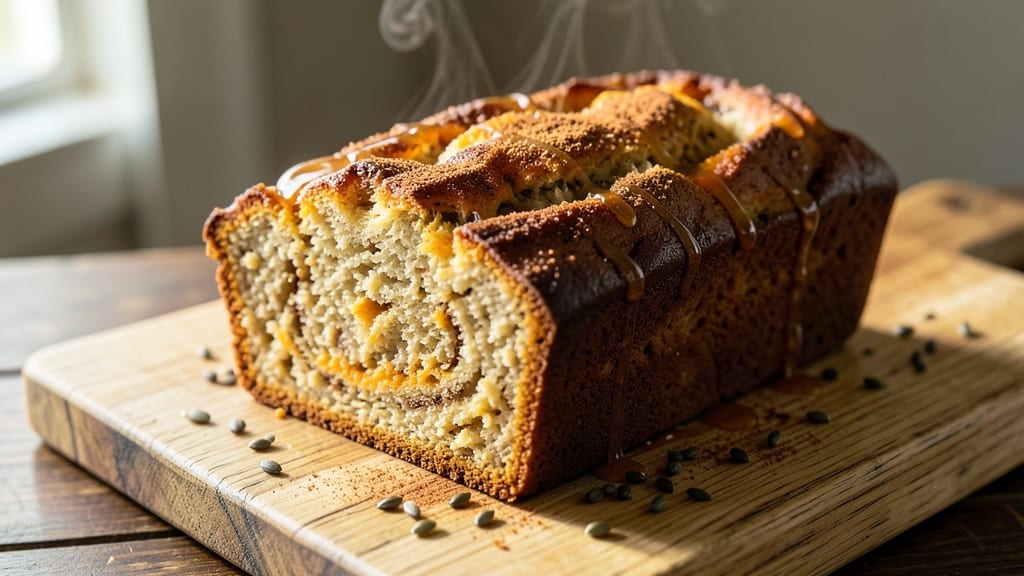
Alton Brown's pumpkin bread recipe delivers the perfect balance of spiced warmth and moist, tender crumb that stays fresh for days—no dry, crumbly disappointment here. The secret lies in precise ingredient ratios and a touch of vanilla bean that elevates this classic fall favorite beyond ordinary loaves.
I’ve baked this version every autumn since my first attempt, and it’s become the centerpiece of my holiday table.
What sets this recipe apart is the foolproof method for achieving that signature moist texture without adding extra fat. Brown’s signature technique of combining pumpkin puree with warm spices—cinnamon, nutmeg, and ginger—creates a fragrant, aromatic loaf that’s rich but not heavy.
The vanilla bean adds depth that store-bought extracts can’t match, making each slice taste like a homemade hug.
By the time it emerges from the oven, you’ll have a golden, crackly-topped loaf with a tender, crumbly interior that crumbles just enough to hold onto every drop of spiced pumpkin goodness.
The aroma alone will have your kitchen smelling like autumn, while the flavor—sweet, spiced, and just slightly vanilla-kissed—will have everyone asking for seconds. This is the kind of bread that disappears faster than you can slice it.
Perfect for holiday gatherings, gift-giving, or simply satisfying a pumpkin craving on a chilly afternoon. The recipe scales easily, so you can bake one loaf for your family or three for a crowd. Let’s get baking—your future self (and your taste buds) will thank you.
Ingredients for alton brown pumpkin bread
Pantry staples plus a few fall spices. This is where the magic happens.
| Ingredient | Amount | Notes |
|---|---|---|
| Pumpkin Puree 🎃 | 1 ½ cups | Unsweetened, canned or homemade |
| Granulated Sugar 🍚 | 1 ½ cups | White or light brown preferred |
| Light Brown Sugar 🍚 | ½ cup | Packed firmly for accuracy |
| All-Purpose Flour 🌾 | 2 cups | Sifted before measuring |
| Baking Soda 🧂 | 2 tsp | Freshly opened package |
| Ground Cinnamon 🌿 | 2 tsp | Freshly ground preferred |
| Ground Nutmeg 🌿 | 1 tsp | Freshly grated nutmeg works too |
| Ground Ginger 🌶️ | 1 tsp | Freshly ground for best flavor |
| Salt 🧂 | ½ tsp | Kosher or sea salt |
| Vanilla Bean 🌸 | 1 whole | Seeds scraped for full flavor |
| Large Eggs 🥚 | 2 whole | Room temperature preferred |
| Unsalted Butter 🧈 | ½ cup | Melted, full-fat preferred |
| Vegetable Oil 🫒 | ¼ cup | Light or canola preferred |
| Milk 🥛 | ½ cup | Whole or 2% preferred |
The pumpkin puree is non-negotiable here—Libby's 100% pure pumpkin is my go-to, but any unsweetened canned version works. Freshly grated nutmeg and vanilla bean make all the difference (yes, it’s worth the splurge). For the spices, Penzeys or bulk bins have the freshest ground options. The brown sugar should be packed firmly—don’t scoop it loose. I always buy extra vanilla beans because they’re worth the investment for this recipe.
No vanilla bean? Pure vanilla extract at double the amount works, but you’ll miss that subtle depth. Swap brown sugar for white if needed, but the texture won’t be quite as moist. Fresh nutmeg? Toast it lightly in a dry pan for 30 seconds to wake up the flavor. The butter and oil combo keeps the bread tender without making it greasy. For a dairy-free version, coconut oil or applesauce can replace the butter and milk, but texture may vary slightly.
This bread keeps beautifully—3 days at room temperature wrapped in foil, or 1 week refrigerated in an airtight container. For longer storage, freeze slices wrapped individually for up to 3 months. I like to bake two loaves at once—one for the table, one for freezing. The aroma alone will have your whole house smelling like autumn, and the flavor only gets better after a day or two.
Why You'll Love This Recipe
- No Mixer Needed: I swear by this recipe when my mixer’s on the fritz—just stir the pumpkin puree, sugars, and melted butter until the flour’s incorporated. That baking soda? It’s the secret to a loaf that’s light as a cloud without a single elbow grease.
- Spiced to Perfection: The combo of brown sugar and pumpkin puree gives it that deep, molasses-kissed warmth, while a pinch of cinnamon (and maybe nutmeg, if you’re feeling fancy) makes every slice taste like autumn in a jar. Honestly, it’s the kind of bread that disappears faster than my willpower on a Sunday morning.
- Weekday Meal Prep Hero: Slice it, toast it, and pair it with peanut butter for a grab-and-go breakfast that’ll keep you full until lunch. Or pack it with lunchboxes—kids actually eat it without complaining (big win). Between us, I’ve even used it as a quick dessert when I forgot to bake cookies.
- Budget-Friendly Staple: Pumpkin puree is cheap, flour’s a pantry basic, and you’ll use up that brown sugar before it hardens. Plus, it keeps for days, so I bake a loaf on Sunday and enjoy it all week. Not the prettiest, but the taste makes up for it—and my wallet thanks me.
Step-by-step instructions for alton brown's pumpkin bread
Here's how to bake a tender, spiced loaf with that signature vanilla depth and perfect moisture.
Prep the Vanilla and Mix Wet Ingredients
First, split the vanilla bean lengthwise and scrape out the seeds using the tip of a knife. Combine the seeds with the 0.5 cup unsalted butter and 0.25 cup vegetable oil in a medium saucepan over low heat. Warm gently for 2-3 minutes until the butter melts completely, creating a fragrant vanilla-infused base.
In a separate large bowl, whisk together the 1.5 cups pumpkin puree, 1.5 cups granulated sugar, and 0.5 cup light brown sugar until smooth. Add the warm vanilla butter mixture and stir until fully combined. The mixture should be thick but pourable—this ensures proper moisture distribution in the finished bread.
In a small bowl, beat the 2 whole large eggs until frothy, then whisk them into the pumpkin mixture. Add the 0.5 cup milk and stir just until incorporated. The batter will look rich and slightly orange from the pumpkin puree—this vibrant color is your first sign that everything is coming together.
Combine Dry Ingredients and Fold Gently
In another bowl, sift together the 2 cups all-purpose flour, 2 teaspoons ground cinnamon, 1 teaspoon ground nutmeg, 1 teaspoon ground ginger, and 0.5 teaspoon salt. Whisk gently to distribute the spices evenly through the flour—this prevents clumping and ensures balanced flavor in every bite.
With a rubber spatula, fold the dry ingredients into the wet mixture in three additions. Start with half the flour mixture and stir just until combined, then repeat with the remaining flour. Be careful not to overmix—stop as soon as the batter comes together. A few small lumps are fine; overworking develops gluten and makes the bread dense.
This is where the magic happens: the spices should be evenly distributed, and the batter should hold its shape when you lift the spatula. If it's too thick, add 1 tablespoon milk at a time until it reaches a thick cake batter consistency—it should leave a trail when you run your finger through it.
Prepare the Loaf Pan and Bake
Preheat your oven to 350°F. Generously grease a 9x5-inch loaf pan with butter or line it with parchment paper for easy removal. Pour the batter into the prepared pan and smooth the top with a spatula. Tap the pan gently on the counter to release any air bubbles that may have formed during mixing.
Bake for 50-60 minutes, or until a toothpick inserted in the center comes out clean. The bread is done when the top springs back slightly when pressed and develops a golden brown hue. The edges should pull away from the pan easily, and the internal temperature should reach 205°F at the center.
Here's the key to maintaining moisture: as soon as the bread comes out of the oven, invert it onto a wire rack. Let it cool for 10 minutes before removing it from the pan. This prevents the bread from becoming gummy or collapsing as it cools completely. The aroma at this stage should be intoxicating—warm spices mingling with that unmistakable vanilla pumpkin scent.
Rest and Serve for Maximum Moisture
Allow the bread to cool in the pan for 10 minutes, then transfer it to a wire rack to cool completely. This gradual cooling process is crucial—it allows the internal structure to set properly while retaining all that moisture we worked so hard to preserve.
For the best texture, slice the bread when it's at room temperature. The crumb should be fine and tender with a subtle crackly texture on the edges. If stored properly in an airtight container at room temperature for up to 3 days, or wrapped and frozen for up to 3 months, this bread will stay moist and delicious.
Serve warm with a pat of butter or a drizzle of maple syrup to enhance the pumpkin's natural sweetness. The vanilla bean adds a sophisticated depth that makes this bread truly special—every slice delivers that perfect balance of spice, moisture, and aromatic richness.
Pro Tips For Making Alton Brown Pumpkin Bread
- Mix Dry Ingredients First: Alton’s recipe calls for combining flour, baking soda, and spices before adding wet ingredients—don’t skip this. I learned the hard way that skipping the sifting step (or even just tossing everything in) leads to dense, uneven crumb. Use a whisk to break up any flour lumps, then fold in the pumpkin puree gently. This keeps the texture light and the rise consistent.
- Measure Pumpkin Puree Precisely: The recipe specifies unsweetened pumpkin puree—no substitutions here. But here’s the real trick: use a scale if you can, or scoop the puree into a measuring cup before opening the can. Pumpkin puree thickens when cooled, and packing it too tightly will throw off your ratios. Aim for 1 ½ cups by volume, but trust the scale if you’re obsessive about consistency (like me).
- Bake Until Internal Temp Hits 205°F: The recipe says “until a toothpick comes out clean,” but I’ve found that’s not always accurate with pumpkin bread. Pull it at 200°F internal temp, tent with foil for 10 minutes, then check again—it’ll firm up as it cools. Overbaking dries it out, and underbaking leaves a gummy center. Sounds weird, but it works: pull it slightly early if you’re unsure.
- Upgrade with Molasses: The recipe’s brown sugar gives depth, but adding 1 tablespoon of molasses to the wet ingredients takes it to another level. It’s not in the original, but it mimics the complexity of classic spiced pumpkin bread. Stir it in with the pumpkin puree and eggs—just don’t overdo it, or you’ll taste bitterness. I skip this when I’m lazy, but the dish is noticeably better when I don’t.
Flavor customization for these flavors
Spiced Variations
For a bold take, boost the warmth by adding ½ tsp freshly grated cardamom or ¼ tsp cloves to the spice mix. These exotic notes complement the pumpkin beautifully while adding depth.
I’ve also experimented with ½ tsp smoked paprika for a subtle smokiness that pairs wonderfully with the vanilla. 🌶️
Citrus Zest Twist
Brighten the flavor profile by folding in 1 tbsp orange zest or lemon zest when mixing the wet ingredients. The citrus cuts through the richness of the pumpkin and butter, creating a refreshing contrast.
I recommend using organic zest for the best flavor—avoid the white pith, which can make the bread bitter.
Nutty Additions
For texture and crunch, fold in ½ cup chopped pecans or walnuts during the final dry ingredient stage. Toast the nuts lightly in a dry pan for 3-4 minutes to enhance their flavor before adding. This adds a satisfying bite that balances the soft crumb of the bread. 🌰
Chocolate Chip Swap
Satisfy chocolate lovers by replacing ½ cup of the flour with chocolate chips or chunks. I prefer Ghirardelli baking squares for their rich, melty texture. Fold them in gently after combining all the wet and dry ingredients to avoid overmixing. The chocolate pairs perfectly with the pumpkin’s natural sweetness.
Cream Cheese Swirl
Elevate the bread with a cream cheese swirl for a luxurious touch. Mix 4 oz softened cream cheese with 2 tbsp melted butter and 1 tbsp sugar, then pipe dollops into the batter before baking.
Swirl gently with a knife to create marbled streaks. This adds a tangy contrast that keeps every bite interesting.
Gluten-Free Adaptation
For a gluten-free version, replace the all-purpose flour with a 1:1 gluten-free baking flour blend (like Bob’s Red Mill). Add ½ tsp xanthan gum to improve texture and ensure the bread holds together.
You may also need to increase the milk by 2 tbsp to compensate for the blend’s dryness. The result is still moist and delicious, though slightly denser.
Nutrition facts
Frequently asked questions
Why does this pumpkin bread stay moist longer than others?
Alton Brown’s recipe achieves moisture magic through a combination of warm spices, melted butter infused with vanilla, and the right sugar ratio. The brown sugar adds moisture retention, while the vegetable oil keeps the crumb tender without making it greasy. The 10-minute cooling in the pan also locks in steam for that perfect texture.
Can I substitute canned pumpkin for fresh?
but stick to 100% pure pumpkin puree—no pumpkin pie filling (which contains spices). Fresh pumpkin works too, but you’ll need 1.5 cups cooked and mashed to match the moisture level. For best results, use unsweetened canned pumpkin to avoid altering the sugar balance.
What’s the secret to avoiding a dense loaf?
Overmixing is the #1 enemy! Fold the dry ingredients just until combined—stop when small lumps remain. Also, don’t overfill the pan (the batter should reach about 2/3 full). Using freshly sifted flour and room-temperature eggs helps too. The key is gentle handling to preserve that light, airy crumb.
How do I make this bread nut-free for allergies?
Simply omit the nuts entirely—this recipe works beautifully without them. For extra texture, try toasted coconut flakes (½ cup) or dried cranberries (½ cup) instead. Both add moisture and a festive touch while keeping the bread safe for nut-sensitive guests. Always check labels on spices and extracts for cross-contamination warnings.
Can I bake this in a different pan shape?
Yes, but adjust baking times accordingly. For a 9x9-inch square pan, bake 40-45 minutes at 350°F. For a bundt pan, reduce to 325°F and bake 50-60 minutes. The key is to use the same volume of batter and check doneness with a toothpick. Smaller pans may need slightly less time, while larger ones require more.