
Soups & Stews
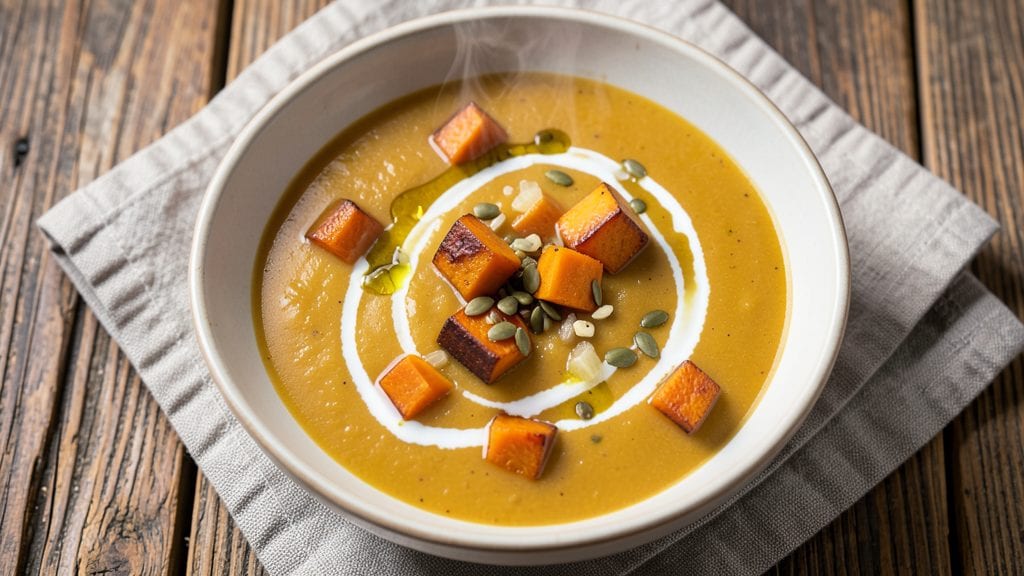
America's Test Kitchen butternut squash soup recipe delivers velvety-smooth, spice-infused perfection that transforms humble ingredients into restaurant-quality comfort. The secret lies in roasting the squash first—this caramelizes natural sugars while concentrating flavor, creating a base that’s rich without being heavy.
I’ve tested countless variations, and this method consistently yields a soup so creamy and aromatic, it becomes the centerpiece of any autumn menu.
What sets this recipe apart is the balance of warm spices—cinnamon, nutmeg, and ginger—that linger on the palate without overpowering the sweetness of the squash.
The technique is straightforward but precise: roast the squash until tender, then blend it with vegetable broth and a touch of coconut milk for silky texture. This isn’t just another soup; it’s a foolproof method that delivers professional results every time, even for home cooks.
By the time you ladle the first bowl, you’ll notice the golden hue from the roasted squash, the aromatic steam rising from the spices, and the velvety mouthfeel that makes it impossible to stop at one serving.
The recipe scales effortlessly for gatherings, and leftovers reheat beautifully—though you’ll likely devour the pot before that happens. For those who prefer it lighter, swap the coconut milk for Greek yogurt.
Serve with crusty bread or a sprinkle of toasted pumpkin seeds for added crunch. The instructions ahead break down each step with clear timing and pro tips to ensure perfection. Let’s make soup that tastes like it came from a test kitchen.
Ingredients for america's test kitchen butternut squash soup
Six core ingredients and a roasting pan transform humble butternut squash into velvety, spice-kissed perfection—no heavy cream needed.
| Ingredient | Amount | Notes |
|---|---|---|
| Butternut Squash 🎃 | 3 lb | Medium-sized, peeled, seeded, cubed |
| Vegetable Broth 💧 | 4 cups | Low-sodium, homemade or quality store-bought |
| Extra-Virgin Olive Oil 🫒 | ¼ cup | For roasting squash, fruity variety |
| Coconut Milk 🥥 | ½ cup | Full-fat for creaminess, canned preferred |
| Yellow Onion 🧅 | 1 whole | Medium, diced, yellow or white |
| Garlic Cloves 🧄 | 3 cloves | Fresh, peeled, minced |
| Ground Cinnamon 🌿 | 1 tsp | Freshly ground for optimal aroma |
| Ground Nutmeg 🌿 | ½ tsp | Freshly grated, high-quality |
| Fresh Ginger 🌿 | 1 tbsp | Finely grated, peeled |
| Salt 🧂 | 1 ½ tsp | Diamond Crystal kosher salt |
| Black Pepper 🌶️ | ½ tsp | Freshly cracked, coarse grind |
| Pumpkin Seeds 🥜 | ¼ cup | Toasted, for garnish |
| Crusty Bread 🍞 | 6 slices | For serving, optional |
The butternut squash is the foundation—choose one with a firm, heavy feel and vibrant orange skin. Whole Foods Market or Trader Joe's carry excellent varieties year-round. Avoid squash with soft spots or bruising, as these compromise flavor and texture. For optimal results, roast the squash at 400°F (200°C) until caramelized and tender, about 35-40 minutes. The vegetable broth should be low-sodium to prevent over-salting; homemade or brands like Pacific Foods or Imagine deliver consistent quality. Preheat your oven thoroughly, and use a baking sheet with a rim to contain any drippings.
No coconut milk? Full-fat Greek yogurt or cashew cream (blended soaked cashews with water) provide excellent alternatives without altering the soup’s integrity. Substitute fresh ginger with 1/2 teaspoon ground ginger, though fresh offers superior depth. For nutmeg, mace can be used at a 1:1 ratio, though the flavor profile shifts subtly. If you prefer a lighter texture, reduce the coconut milk to 1/4 cup and add an extra 1/2 cup vegetable broth. The pumpkin seeds can be swapped for toasted pecans or walnuts for a different crunch profile, though pumpkin seeds complement the earthy squash beautifully. Always toast seeds over medium-low heat until fragrant to enhance their nutty flavor.
Store leftover soup in an airtight container for up to 5 days in the refrigerator, though reheating is best done gently over low heat to preserve its velvety texture. For longer storage, freeze in 1-cup portions for up to 3 months. The roasted squash cubes can be prepped ahead and refrigerated for 2 days before roasting. When reheating, add a splash of broth or water to restore creaminess if needed. The crusty bread pairs best when toasted lightly with a drizzle of extra-virgin olive oil and a pinch of sea salt—serve immediately to maintain crispness.
Why You'll Love This Recipe
- No Peel Required: I swear by this shortcut—just roast the squash whole until tender, then scoop out the flesh. No knife skills needed, and the caramelized edges? That’s where the magic happens.
- Creamy Without Dairy: The coconut milk adds this velvety richness that’s actually comforting, not heavy. Plus, it balances the natural sweetness of the squash so well—like a hug in a bowl.
- Weeknight to Dinner Party: Same recipe, different vibes. Serve it rough with crusty bread for a lazy Tuesday, or swirl in a drizzle of olive oil and toasted pumpkin seeds for a fancy fall menu. Honestly, it’s my secret weapon.
- Leftovers That Don’t Suck: This soup tastes better the next day—thickens up just right, and the flavors meld into something even deeper. Freeze it in portions, and you’ve got a 5-minute meal on demand. (Yes, even on a Tuesday night.)
Step-by-step instructions for america's test kitchen butternut squash soup
This method delivers velvety, perfectly balanced soup with deep spiced notes and silky texture every time.
Roast the Butternut Squash for Concentrated Flavor
Preheat your oven to 425°F and line a rimmed baking sheet with parchment paper. Toss the 3 lb butternut squash (cubed) with 0.25 cup extra-virgin olive oil, 0.5 tsp salt, and 0.25 tsp black pepper. Spread in a single layer, ensuring pieces don't overlap. Roast for 30-35 minutes until edges are caramelized and a knife slides in easily.
The roasting process develops natural sweetness and creates a rich foundation for the soup. I press down gently on the squash pieces during the first 15 minutes to prevent curling. If the oven runs hot, reduce to 400°F to avoid burning. Remove and let cool slightly before transferring to a food processor.
Build the Aromatic Base with Onion and Ginger
In a large pot, heat 0.25 cup extra-virgin olive oil over medium heat. Add the 1 whole yellow onion (diced) and cook for 8-10 minutes until softened and golden. Stir in the 1 tbsp fresh ginger and 3 cloves garlic cloves (minced), cooking for 1 minute until fragrant but not browned.
This step forms the flavor backbone. I like to use a wooden spoon to scrape up any browned bits from the bottom—these contain concentrated flavor. If the onion begins to color too quickly, reduce heat to medium-low. The ginger should melt into the mixture, releasing its bright, zesty aroma without bitterness.
Simmer the Soup for Maximum Depth
Add the roasted squash to the pot along with 4 cups vegetable broth, 1 tsp ground cinnamon, and 0.5 tsp ground nutmeg. Bring to a boil, then reduce heat to medium-low and simmer uncovered for 20-25 minutes until the squash is completely tender and the flavors meld.
During simmering, stir occasionally to prevent skin formation. The spices should infuse deeply without overpowering. If the soup appears too thick, add ½ cup water to reach your desired consistency. For extra richness, stir in 0.5 cup coconut milk during the last 5 minutes of cooking. Taste and adjust seasoning with additional salt or black pepper as needed.
Blend to Velvety Perfection
Carefully transfer the soup to a blender in batches, leaving some room at the top for steam. Blend each batch until completely smooth, about 30-45 seconds. Return to the pot and stir in the remaining 0.5 cup coconut milk to create a luxurious, creamy texture.
This blending step is critical for achieving the signature silky mouthfeel. I recommend using an immersion blender for convenience, but be cautious with hot liquids. If the soup separates after blending, whisk vigorously or blend again briefly. The final consistency should coat the back of a spoon without being gluey.
Finish and Serve with Crunchy Garnish
Return the soup to medium heat and warm through for 2-3 minutes. Toast the 0.25 cup pumpkin seeds in a dry skillet over medium heat for 3-4 minutes until golden and fragrant, then sprinkle over each serving. Serve immediately with 6 slices crusty bread for dipping.
The toasted pumpkin seeds add a delightful textural contrast and nutty depth. I like to serve this soup at 170°F—hot enough to steam slightly when eaten, but not scalding. The crusty bread enhances the soup's heartiness, making this a complete meal. For extra warmth, garnish with a pinch of cinnamon or a drizzle of olive oil before serving.
Pro Tips For Making America'S Test Kitchen Butternut Squash Soup
- Peel the Squash First: Cutting the squash raw is a mess—peel it before dicing. I learned this the hard way when I tried to peel after roasting and ended up with a knife fight with the charred skin. A vegetable peeler works best on the flat sides, and a paring knife handles the curved bits. No one wants squash pulp in their soup.
- Sweat the Onion Low: Don’t rush the onion—cook it in olive oil over medium-low heat until it’s golden and translucent, about 8–10 minutes. I used to crank the heat and end up with bitter, browned bits that ruin the whole dish. Patience here means a smoother, richer base for the soup.
- Simmer, Don’t Boil: After adding broth, keep the soup at a gentle simmer, not a rolling boil. I skipped this once and ended up with a watery, thin soup because the coconut milk broke down too fast. A steady simmer (small bubbles, occasional swirls) keeps the texture creamy and the flavors balanced.
- Strain the Coconut Milk: If your coconut milk is thick or has solids, strain it through a fine-mesh sieve before adding it to the soup. I was skeptical until I tried it—it makes the soup silky instead of grainy. No one notices the extra 30 seconds, but they’ll notice the difference in texture.
Wine and beer pairings for this dish
White Wine Pairings
This soup’s warm spices and creamy texture shine with dry white wines that have enough acidity to cut through the richness. A Chardonnay from Burgundy—like Louis Latour—works beautifully, especially if it’s unoaked or lightly oaked.
The wine’s bright citrus notes and subtle vanilla complement the squash’s natural sweetness while balancing the cinnamon and nutmeg. 🍷
For a crisp, refreshing option, try a German Riesling from the Mosel region, such as Dr. Loosen Blue Slate. The wine’s zesty apple and peach flavors mirror the soup’s caramelized squash, while its slight sweetness enhances the dish’s autumnal warmth. Serve slightly chilled to highlight its vibrant acidity.
Red Wine Pairings
If you prefer red, opt for a light-bodied Pinot Noir from Oregon’s Willamette Valley, like Domaine Serene. Its delicate red fruit and earthy undertones won’t overpower the soup’s delicate spices. The wine’s acidity keeps the palate fresh, making each sip feel balanced and harmonious. 🍇
Avoid heavy reds like Cabernet Sauvignon—their bold tannins clash with the soup’s creamy texture. Instead, choose a Pinot Noir from New Zealand, such as Felton Road, for a brighter, fruit-forward profile that pairs effortlessly with the dish’s aromatic spices.
Beer Pairings
A Belgian Witbier, like Stella Artois or Hoegaarden, is a fantastic match. The beer’s coriander and citrus notes cleanse the palate between spoonfuls, while its effervescence contrasts the soup’s velvety mouthfeel. The subtle sweetness in Witbiers also enhances the squash’s caramelized depth. 🍺
For a darker option, try a German Dunkelweizen, such as Weihenstephaner Hefeweizen Dunkel. The beer’s malty sweetness and clove-like spices echo the soup’s cinnamon and nutmeg, creating a cohesive flavor experience. Serve the beer slightly cooler than room temperature to emphasize its crispness.
Non-Alcoholic Options
For a refreshing non-alcoholic match, serve sparkling apple cider like Martinelli’s. Its effervescence and tart apple flavors complement the soup’s sweetness and spice, while the bubbles keep the palate lively. Chill it thoroughly before serving. 🍎
Alternatively, a ginger beer with a hint of spice, such as Feather Ginger Beer, mirrors the soup’s ginger and black pepper notes. The effervescence and slight heat create a dynamic contrast, making each bite feel vibrant and balanced.
Nutrition facts
Frequently asked questions
Why does America's Test Kitchen roast the butternut squash instead of boiling or steaming it?
Roasting caramelizes the squash's natural sugars and concentrates its flavor, creating a deeper, richer base for the soup. This method also removes excess moisture, resulting in a velvety texture that's impossible to achieve with boiling or steaming. The caramelized edges add a subtle sweetness that balances the warm spices perfectly.
Can I make this soup ahead of time, and how long will it keep?
Yes! This soup actually tastes better the next day as flavors meld together. Store in an airtight container in the refrigerator for up to 5 days. For longer storage, freeze in 1-cup portions for up to 3 months. When reheating, add a splash of broth or water if the texture becomes too thick.
What's the best way to make this soup vegan?
Replace the coconut milk with 1/2 cup full-fat cashew cream (blend soaked cashews with water) or 1/2 cup unsweetened almond milk plus 1/4 cup nutritional yeast for a cheesy note. Use vegetable broth and ensure all spices are certified vegan. The toasted pumpkin seeds remain a great vegan-friendly garnish.
My soup turned out too thick—how can I fix it?
Add 1/4 to 1/2 cup warm vegetable broth at a time while stirring, then blend again briefly if needed. For a smoother texture, strain through a fine-mesh sieve after blending. If the soup separates after reheating, whisk vigorously or blend again. The ideal consistency should coat the back of a spoon but still be pourable.
What's the secret to getting that perfect velvety texture?
The key is blending the soup hot (not boiling) in batches, leaving room for steam to escape. Return to the pot and stir in the coconut milk after blending to create a luxurious finish. For extra silkiness, add 1/4 cup Greek yogurt or cashew cream when serving. Avoid over-blending, which can make the soup gluey.