
Side Dishes
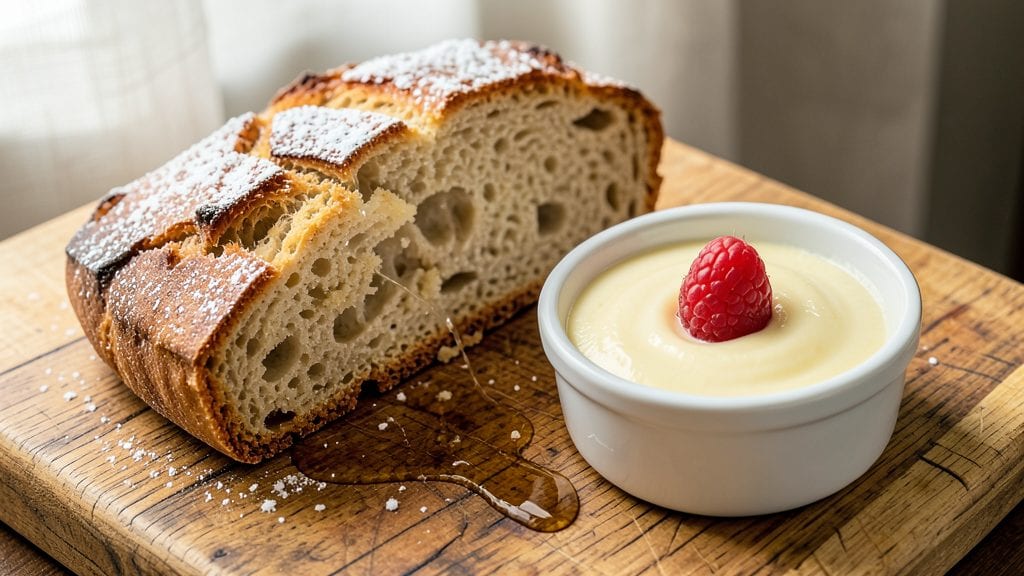
This Amish friendship bread recipe with vanilla pudding brings the warmth of a homestyle kitchen to your table, where flaky, buttery layers meet smooth, creamy vanilla pudding in perfect harmony.
The bread's signature horizontal layers—achieved through careful folding and chilling—create a tender, melt-in-your-mouth texture that pairs beautifully with the classic pudding's cool, velvety richness. I perfected this combination after years of baking for family gatherings, where it became the star of every dessert spread.
The bread itself is a labor of love, requiring patience as it rests overnight to develop its signature flakiness. Each layer is brushed with butter and folded meticulously, ensuring that every slice delivers that signature buttery crunch and soft interior.
Meanwhile, the vanilla pudding comes together in just minutes with simple pantry staples, creating a smooth, comforting contrast to the bread's warmth. This pairing is more than a dessert—it’s a tradition that feels like a hug.
What makes this dish truly special is the balance of textures and temperatures: the warm, slightly crisp edges of the bread meet the cool, silky pudding, creating a sensory experience that’s both nostalgic and indulgent.
The pudding’s vanilla flavor complements the bread’s subtle sweetness without overpowering it, while optional additions like raisins or cinnamon can elevate it further. This is comfort food at its finest—simple yet impressive, and perfect for sharing.
Whether you're serving it at a family dinner, a church potluck, or a quiet evening at home, this recipe delivers homestyle sweetness that feels like a warm embrace.
The bread can be made ahead and baked fresh, while the pudding stays chilled until serving, making it an effortless yet impressive dish. Let’s get started on creating this timeless combination.
Ingredients for amish friendship bread recipe with vanilla pudding
Flaky layers, buttery richness, and velvety vanilla pudding—just 15 simple ingredients.
| Ingredient | Amount | Notes |
|---|---|---|
| All-Purpose Flour 🌾 | 6 cups | Sifted for light texture |
| Unsalted Butter 🧈 | 2 cups | Cold, cubed for flakiness |
| Granulated Sugar 🍚 | 1 cup | White sugar preferred |
| Large Eggs 🥚 | 4 whole | Room temperature |
| Vanilla Extract 🌸 | 2 tsp | Pure vanilla preferred |
| Milk 🥛 | 1 cup | Whole milk for richness |
| Baking Powder 🍞 | 2 tbsp | Aluminum-free preferred |
| Salt 🧂 | 1 tsp | Diamond Crystal preferred |
| Cream of Tartar 🍋 | ½ tsp | For tender crumb |
| Vanilla Pudding Mix 🍮 | 1 box | Instant or classic style |
| Whole Milk 🥛 | 4 cups | For pudding preparation |
| Large Egg Yolks 🥚 | 4 whole | Separated from whites |
| Granulated Sugar 🍚 | ½ cup | For pudding sweetness |
| Vanilla Ice Cream 🍦 | 2 cups | Optional garnish |
| Ground Cinnamon 🌿 | 1 tbsp | For dusting bread |
The butter is non-negotiable here—European-style butter like Plugrá or Land O'Lakes unsalted gives the best flakiness. I always buy it in 1-pound blocks from the grocery store's dairy section, not the pre-packaged tubs. For the flour, King Arthur or Bob's Red Mill are my go-tos—they're consistently reliable. The vanilla extract? Pure Madagascar bourbon vanilla from McCormick or Goya elevates everything. If you're using store-bought vanilla pudding mix, check the ingredients—some brands add artificial flavors that can overpower the bread's delicate taste. For the bread's layers, the key is keeping everything cold until the final fold.
No vanilla extract? Vanilla bean paste works in a pinch, or even vanilla sugar (though it's sweeter). Running short on butter? Shortening like Crisco can replace half the butter, but the bread will be slightly denser. For the pudding, if you prefer homemade, instant vanilla pudding mix can be thickened with cornstarch instead of egg yolks. The cinnamon for dusting? Ground cinnamon from the bulk section tastes fresher than pre-ground jars. And if you're feeling fancy, swap the granulated sugar for turbinado sugar—it adds a subtle crunch.
The bread dough can be prepped 2 days ahead and kept in the fridge—it actually develops more flavor. Shape it into a loaf pan and freeze for up to 3 months if you want to make it a month in advance. The pudding stays fresh for 4 days in the fridge, but I always make it the morning of serving so it's perfectly chilled. For leftovers, store the bread wrapped in parchment and the pudding covered—both reheat beautifully. The ice cream garnish? Keep it frozen in a sealed container for up to 2 weeks without losing its creaminess.
Why You'll Love This Recipe
- No-Fuss Mixing: The dough comes together in five minutes—just flour, butter, sugar, and eggs. No yeast fuss, no waiting for rises, and honestly? That’s half the battle won before you even preheat the oven.
- Vanilla-Pudding Magic: The warm, buttery bread soaking up that creamy vanilla pudding? It’s like a hug in dessert form. The pudding’s cool sweetness cuts through the bread’s richness, and the vanilla extract makes every bite taste like nostalgia.
- Breakfast or Snack Hero: Slice it thick for a lazy weekend brunch with pudding drizzled on top, or pack it in lunchboxes for kids (or adults, let’s be real). The bread holds up perfectly—no soggy edges—and the pudding stays thick enough to spoon right out of the jar.
- Budget-Friendly Leftovers: You’ll make twice as much as you need because it reheats beautifully. Pop slices in the toaster or microwave, and the pudding? Just stir it once—no extra effort. My grocery bill thanks me every time.
Step-by-step instructions for Amish friendship bread with vanilla pudding
Here's how to create layers of buttery richness and creamy vanilla perfection—just like Amish bakeries do.
Prepare the Pudding Layer for Maximum Creaminess
In a medium saucepan, whisk together the 4 cups whole milk and 1 box vanilla pudding mix over medium heat. Bring to a gentle simmer while stirring constantly with a wooden spoon—you'll see small bubbles form around the edges of the pan. Let it thicken for 2-3 minutes until it reaches that signature pudding consistency where it coats the back of a spoon without being gluey.
Transfer the pudding to a greased 9x13-inch baking dish and spread it evenly with a spatula. Smooth the top completely so it's level—this ensures even baking later. Let it cool to room temperature before adding the bread layers. I like to sprinkle a pinch of ground cinnamon over the pudding now for subtle warmth that will shine through after baking.
Create the Signature Flaky Layers
In a large mixing bowl, combine the 6 cups sifted all-purpose flour, 2 tbsp baking powder, 1 tsp salt, and 0.5 tsp cream of tartar. Whisk gently to distribute the dry ingredients evenly—this prevents dense spots in your bread. Cut in the 2 cups cold cubed unsalted butter using a pastry cutter or your fingers until the mixture resembles coarse crumbs with pea-sized butter pieces throughout.
Add the 1 cup granulated sugar, 4 whole room-temperature large eggs, 2 tsp vanilla extract, and 1 cup milk. Mix just until combined—don't overwork the dough or you'll develop gluten and lose that tender crumb. The dough should be soft but not sticky. Divide it into two equal portions and flatten each into a 9x13-inch rectangle about ¼-inch thick on a floured surface.
Assemble the Layers with Precision
Place one dough rectangle over the cooled pudding layer in the baking dish. Gently press it down to create a seal around the edges. Spoon any pudding that might have leaked during cooling back onto the center. Repeat with the second dough layer, pressing it down firmly to create an airtight seal. This prevents the pudding from bubbling out during baking.
Here's the secret: Fold the edges of the top dough layer inward about ½ inch all around. This creates a decorative border while ensuring the bread bakes evenly from all sides. Dust the top generously with 1 tbsp ground cinnamon—this adds beautiful color and subtle spice that complements the vanilla.
Bake to Golden Perfection
Preheat your oven to 350°F. Bake the assembled bread on the middle rack for 45-50 minutes until the top is golden brown and a toothpick inserted in the center comes out clean. The edges should pull away slightly from the pan, and you'll smell that irresistible buttery aroma filling your kitchen.
Let the bread cool in the pan for 15 minutes before transferring it to a wire rack. This resting period allows the layers to set properly and prevents the pudding from oozing out when you slice. For the ultimate presentation, serve warm with 2 cups vanilla ice cream on the side—each bite delivers that perfect balance of flaky bread, creamy pudding, and cool ice cream.
Pro Tips For Making Amish Friendship Bread Recipe With Vanilla Pudding
- Cream Butter Slowly: Don’t just dump cold butter into sugar like you’re in a hurry—beat it in low and slow until it’s just pale yellow and fluffy. I used to rush this, and the batter turned out dense. Take the extra 30 seconds; your bread’s texture depends on it.
- Sift That Flour: Even if your flour looks fine, sift it before mixing—especially if you’re using store-bought flour with lumps. My grandmother swore by this, and she was right: it keeps the bread light and prevents weird pockets of dryness. (Yes, even if you’re impatient like me.)
- Don’t Overmix the Batter: Stop folding in the flour the second it’s just combined—no streaks, no dry bits. Overmixing makes Amish friendship bread tough. I learned this the hard way after a batch turned out like a hockey puck. Less is more here.
- Chill the Dough: Let the batter sit for at least 10 minutes after mixing—no baking right away. This gives the flour time to hydrate properly, and your bread will rise better. I skip this when I’m lazy, but the difference in rise and texture is noticeable.
Wine and beer pairings for these flavors
Creamy Vanilla Pairings
For this dessert, I reach for light-bodied white wines that won’t overpower the vanilla’s delicate sweetness. A New York State Riesling—like Dr. Loosen Blue Slate—offers crisp acidity that cuts through the richness while letting the vanilla shine. Its subtle honeyed notes complement the bread’s buttery layers beautifully. 🍷
Spiced Rum Enhancement
If you prefer spirits, a small pour (1 oz) of spiced rum—like Bacardi Spiced—warms the pudding without clashing. Stir it into the warm pudding just before serving, then chill for 15 minutes to let the flavors meld.
The cinnamon and clove notes mirror the bread’s cinnamon dusting for a cohesive experience.
Coffee Contrast Option
For coffee lovers, a dark roast cold brew (like Starbucks Sumatra) creates an unexpected but brilliant contrast. Serve it alongside the warm bread and chilled pudding—the coffee’s bitterness balances the sweetness perfectly. I like to add ½ tsp vanilla sugar to the coffee for harmony.
Seasonal Beer Twist
In warmer months, a Belgian-style witbier—such as Hoegaarden—pairs surprisingly well. Its citrusy coriander and light effervescence refresh the palate between bites of warm bread. For a stronger match, try a wheat ale with vanilla bean notes, like Allagash Vanilla Cream Ale. 🍺
Non-Alcoholic Refreshers
For a booze-free option, I blend vanilla-infused sparkling water (add 1 tsp vanilla extract to 2 cups chilled sparkling water) with a splash of orange liqueur (like Cointreau) for a festive touch. Serve over ice with a cinnamon stick garnish to echo the bread’s flavors.
Nutrition facts
Frequently asked questions
Can I make the bread layers ahead of time?
The bread dough can be prepared 2 days in advance and stored in the refrigerator, wrapped tightly in plastic. This actually enhances the flavor! For the assembled loaf, shape it into a pan and freeze it for up to 3 months—just thaw overnight in the fridge before baking. The pudding, however, should be made fresh the morning of serving for the best texture.
Why does my bread turn out dense instead of flaky?
Dense bread usually happens from overmixing the dough or not keeping the butter cold enough. Work the dough just until combined—overmixing develops gluten, which makes it tough. Also, make sure your butter is cold and cubed before mixing. If the dough feels sticky, chill it for 15 minutes before rolling out the layers.
Can I substitute the vanilla pudding for another dessert?
For a fruit twist, try a layer of chilled berry compote or peach slices between the bread layers. For a richer option, swap the pudding for vanilla custard or even chocolate ganache. The key is balancing textures—cool, creamy fillings work best with warm bread.
How do I prevent the pudding from leaking during baking?
Ensure the pudding layer is completely cooled and set before adding the dough. Press the dough layers firmly against the edges of the pan to create a seal. If you notice any pudding leaking during baking, simply spoon it back into the center—it will blend beautifully with the bread's layers when sliced.
What's the best way to serve this dessert?
Warm the bread slightly before serving to enhance its buttery aroma. Pair it with a scoop of vanilla ice cream or a dollop of whipped cream. For a festive touch, dust the slices with powdered sugar and garnish with fresh berries or a sprinkle of cinnamon.