
Side Dishes
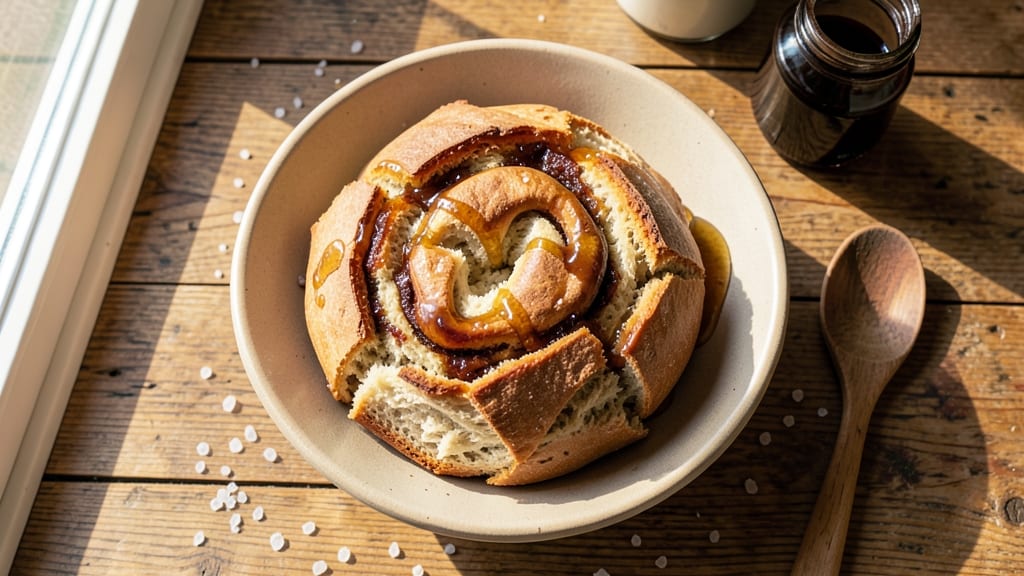
This Amish friendship sourdough bread recipe delivers the perfect balance of tangy-sour crust and sweet molasses swirls that make it a beloved centerpiece. The traditional method requires patience—letting the dough rise slowly creates that signature rustic texture and deep flavor.
I’ve simplified the process while keeping the cultural essence intact, so even home bakers can achieve bakery-quality results.
The beauty of this recipe lies in its simplicity: no yeast, no kneading, just a few ingredients and time. A well-maintained sourdough starter is key, but I’ll guide you through each step—from mixing the dough to shaping it into that classic friendship loaf with its signature swirl.
The molasses adds a subtle sweetness that pairs perfectly with the tangy crust.
What you’ll end up with is a loaf with a crisp, golden crust and tender crumb, infused with molasses swirls that add just the right touch of sweetness.
This bread is perfect for sharing—whether as a gift or on your dinner table. It keeps well for days, making it ideal for meal prep or holiday baking.
Ready to bake? Let’s get started with a recipe that’s as rewarding to make as it is delicious to eat.
Ingredients for amish friendship sourdough bread
Six ingredients plus time—this classic loaf delivers rustic charm with minimal effort.
| Ingredient | Amount | Notes |
|---|---|---|
| Active Sourdough Starter 🍞 | 1 cup | 100% hydration, bubbly and active |
| All-Purpose Flour 🌾 | 5 cups | White or whole wheat blend |
| Unsalted Butter 🧈 | ½ cup | Cold, cubed for swirls |
| Molasses 🍯 | ¼ cup | Unsulphured, dark variety |
| Granulated Sugar 🍚 | ¼ cup | White or brown sugar |
| Salt 🧂 | 1 ½ tsp | Kosher or sea salt |
| Warm Water 💧 | 1 ½ cups | 105-110°F for best results |
| Honey 🍯 | 1 tbsp | For brushing crust |
| Coarse Cornmeal 🌽 | ½ cup | For dusting loaf pan |
| Coarse Sea Salt 🧂 | 1 tsp | For sprinkling crust |
| Poppy Seeds 🌻 | 1 tbsp | Optional for topping |
Your sourdough starter is the MVP here. King Arthur or Bob's Red Mill flours work great for consistency, but any high-protein flour will do. The starter should be bubbly and smell tangy—if it's sluggish, feed it 1:1:1 (starter:flour:water) 4-6 hours before baking. Molasses can vary in sweetness, so taste before adding—you want subtle sweetness, not overpowering. For butter, Land O'Lakes or Plugrá are reliable, but any cold, unsalted butter works. The key is keeping it cold until mixing to prevent melting during the swirl step.
No molasses? Maple syrup or dark brown sugar works in a pinch, but molasses gives that authentic Amish flavor. Short on butter? Coconut oil or extra olive oil keeps the swirls intact, though texture will differ slightly. If your starter isn't ready, instant yeast at 1 tsp can substitute (but lose that sourdough tang). For the swirl, use a pipe bag or heavy-duty ziplock to create clean lines—no fancy tools needed. The cornmeal is non-negotiable for that crisp crust, so don't skip it. And yes, you can make this with whole wheat flour—just add 1 extra tbsp of water per cup of flour.
This dough is patient—let it rise 12-16 hours at room temp for best flavor. Shape it gently to avoid deflating the swirls. For storage, wrap tightly in parchment and foil—keeps fresh 5-7 days at room temp or 3 months frozen. To reheat, wrap in a towel and warm in a 200°F oven for 10 minutes. The crust gets crunchier over time, so slice just before serving. I always make two loaves—one for the table, one for gifts (they freeze beautifully).
Why You'll Love This Recipe
- No-Knead Magic: I swear by this—just mix, wait, and bake. No stand mixer, no fancy techniques, just your starter, flour, and a little patience while the butter and molasses work their charm overnight.
- Sweet & Tangy Crust: That molasses caramelizes into a deep, rich crust while the sourdough tang cuts through the butter’s richness. Honestly, the first slice makes me reach for another before I even sit down.
- Weeknight Workhorse: Toss it in a loaf pan for dinner rolls, slice it for breakfast toast, or pack it for lunches—it’s the one bread that does it all. Between us, my kids ask for this more than any other bread I bake.
- Budget-Friendly Staple: Uses pantry basics (flour, sugar, butter) and stretches into meals for days. Freeze half the batch, and you’ve got fresh bread ready whenever you need it—no last-minute grocery runs.
Step-by-step instructions for Amish friendship sourdough bread
Here's how to create that perfect balance of tangy crust and sweet molasses swirls—simple but rewarding.
Mix the Dough and Incorporate the Molasses Swirl
In a large mixing bowl, combine the 1 cup active sourdough starter, 5 cups all-purpose flour, 1.5 teaspoons salt, 0.25 cup granulated sugar, and 1.5 cups warm water. Stir with a wooden spoon until just combined—you'll see a shaggy dough form. Let it rest for 5 minutes while you prepare the molasses filling.
In a small bowl, mix together the 0.25 cup molasses and 0.5 cup unsalted butter (cold, cubed) until smooth. This will become your signature swirl. After the initial dough rest, knead it by hand on a lightly floured surface for about 5 minutes until smooth and elastic. If it feels too sticky, add 1 tablespoon flour at a time until it comes together nicely. Shape the dough into a rectangle about 12x8 inches and roll it out gently.
Create the Swirl and Shape the Loaf
Spread the molasses-butter mixture evenly over the rolled-out dough, leaving a ½-inch border around the edges. Starting from one of the long sides, tightly roll the dough into a log. Pinch the seam to seal it, then coil the log into a circle, bringing the ends together and pressing them firmly to join. This creates that classic Amish friendship bread shape.
Place the shaped loaf on a piece of parchment paper, seam-side down. Cover with a clean kitchen towel and let it rise in a warm place for 1 to 1.5 hours, or until it has nearly doubled in size. You'll know it's ready when the dough springs back slowly when gently pressed with a finger. If the dough rises too quickly, it might collapse later—patience here pays off.
Prepare the Pan and Proof the Bread
Preheat your oven to 375°F. Lightly grease a 9x5-inch loaf pan and dust it generously with 0.5 cup coarse cornmeal, tapping out any excess. Transfer the risen dough to the prepared pan, seam-side up, and brush the top lightly with 1 tablespoon honey. Sprinkle evenly with 1 teaspoon coarse sea salt and 1 tablespoon poppy seeds for that classic Amish touch.
Let the bread proof in the pan for another 30 to 45 minutes, until it rises about 1 inch above the rim of the pan. The edges should look slightly puffy, and the top might develop small cracks. This final proof ensures a light, airy crumb. If your kitchen is cold, place the pan on a baking sheet lined with a towel and cover it loosely with another towel to help it rise faster.
Bake to Golden Perfection
Bake the bread in the preheated oven for 45 to 50 minutes, until the top is deep golden brown and sounds hollow when tapped on the bottom. If the top browns too quickly, tent it loosely with aluminum foil after 20 minutes to prevent over-browning while the center finishes baking. The internal temperature should reach 190°F at the center.
Remove the bread from the oven and let it cool in the pan for 10 minutes before transferring it to a wire rack to cool completely. This resting time allows the bread to set properly and prevents a gummy texture. Once cooled, slice it into ½-inch thick pieces to reveal those beautiful molasses swirls. The crust should be crisp and slightly tangy, while the inside remains soft and slightly sweet—just like Amish homemade bread should be.
Pro Tips For Making Amish Friendship Sourdough Bread
- Test Your Starter First: DESCRIPTION: The molasses and sugar in this recipe rely on a lively starter—if it’s sluggish, your bread will taste flat. Do a quick float test (drop a spoonful in water; if it floats, it’s ready). I learned this the hard way when my first batch turned out dense because I assumed my starter was active when it wasn’t.
- Soften Butter Properly: DESCRIPTION: Cold butter creates pockets in the dough that won’t bake evenly. Take the butter out of the fridge 20 minutes before mixing—just enough to make it pliable but not greasy. My grandmother swore by this, and she was right: the crumb stays tender without turning greasy.
- Shape Tightly, Score Deeply: DESCRIPTION: This bread’s signature crack comes from a tight shape and a sharp score. Pull the dough into a round loaf, tucking the edges under firmly, then slash it with a razor at a 45-degree angle—about ½ inch deep. I used to score too lightly, and the bread just puffed up without that satisfying split.
- Bake Low and Slow: DESCRIPTION: The Dutch oven traps steam, but don’t rush it—bake at 375°F (190°C) for the full 30-35 minutes. I was skeptical until I tried it: the bottom crust gets a deep golden color without burning, and the molasses flavor really develops. Skip the urge to crank the heat higher.
Flavor customization for this dish
Sweet Variations
For a richer sweetness, swap the molasses for ½ cup maple syrup mixed with ¼ cup brown sugar—this creates a caramel-like swirl that pairs beautifully with the tangy crust.
I’ve also tested adding ½ cup finely chopped dried figs or candied ginger to the butter mixture for texture and extra depth. 🍯
Spiced Swirls
Warm spices elevate this bread to holiday-worthy levels. Mix 1 tsp cinnamon, ½ tsp ginger, and ¼ tsp cloves into the molasses-butter filling for a cozy, aromatic twist.
For a citrus kick, add 1 tbsp orange zest—the bright acidity cuts through the richness. Store spices in airtight containers to preserve freshness.
Savory Twists
Skip the sweet entirely and go savory with a herb and cheese swirl: blend ¼ cup grated sharp cheddar, 1 tbsp chopped rosemary, and 1 tbsp Dijon mustard with the butter.
This version works perfectly as a side for hearty stews or alongside roasted meats. The tangy crust balances the savory filling beautifully.
Nutty Additions
For crunch and nuttiness, fold ½ cup chopped pecans or walnuts into the dough before shaping, or sprinkle them on top before baking. Toast the nuts in a dry pan for 3-4 minutes at 350°F to enhance their flavor. I recommend Bob’s Red Mill pecans for consistent quality.
Gluten-Free Adaptation
Replace 2 cups all-purpose flour with a 1:1 gluten-free flour blend (like King Arthur Measure for Measure) and add 1 tbsp xanthan gum to mimic gluten’s structure. Reduce the water by 2 tbsp since gluten-free dough absorbs less.
The swirl technique remains the same, but gluten-free bread benefits from a slightly longer rise (2 hours) for better texture.
Seasonal Swaps
In summer, use fresh berry jam (like raspberry or blackberry) instead of molasses for a fruity swirl. For fall, try apple butterstrong> mixed with ½ tsp cinnamon.
Winter calls for spiced rum-soaked raisinsstrong> (simmer ¼ cup raisins in 1 tbsp rum for 5 minutes), then mix into the butter. Always taste before baking to balance flavors. ✨
Nutrition facts
Frequently asked questions
Why does Amish friendship bread have that signature swirl?
The swirl isn't just decorative—it creates a delicious contrast between the tangy sourdough crust and sweet molasses filling. The traditional method uses molasses for its rich flavor, but the swirl technique distributes it evenly, ensuring every bite has that perfect balance. This design also makes slicing easier for sharing, which aligns with the bread's cultural roots as a gift loaf.
Can I make this without a sourdough starter?
Yes! Use 1 teaspoon instant yeast instead of the sourdough starter, but expect a slightly less tangy flavor. The bread will still have the classic swirl and texture, though the crust won't be as complex. For best results, maintain the 12-16 hour rise time to develop flavor—just skip the starter's fermentation step.
How do I store leftover friendship bread?
Wrap tightly in parchment paper and foil to preserve freshness for 5-7 days at room temperature. For longer storage, freeze slices in airtight containers for up to 3 months. To reheat, wrap in a towel and warm at 200°F for 10 minutes—this restores the crust's crunch without drying the interior.
Why did my dough collapse during proofing?
This usually happens when the dough rises too quickly or the kitchen is too warm. Slow the process by covering the dough with a damp towel and placing it in a 65-75°F environment (like an oven with the light on). Also ensure your starter is active—sluggish starter can weaken dough structure. For next time, extend proofing to 1.5-2 hours at room temp.
What's the best way to slice this bread?
Use a serrated knife and cut ½-inch thick slices for clean swirls. Let the bread cool completely first—warm bread sticks together. For even slices, mark your cutting lines with a toothpick before slicing. The molasses swirls should be visible in each piece, making it perfect for sandwiches or sharing.