Side Dishes
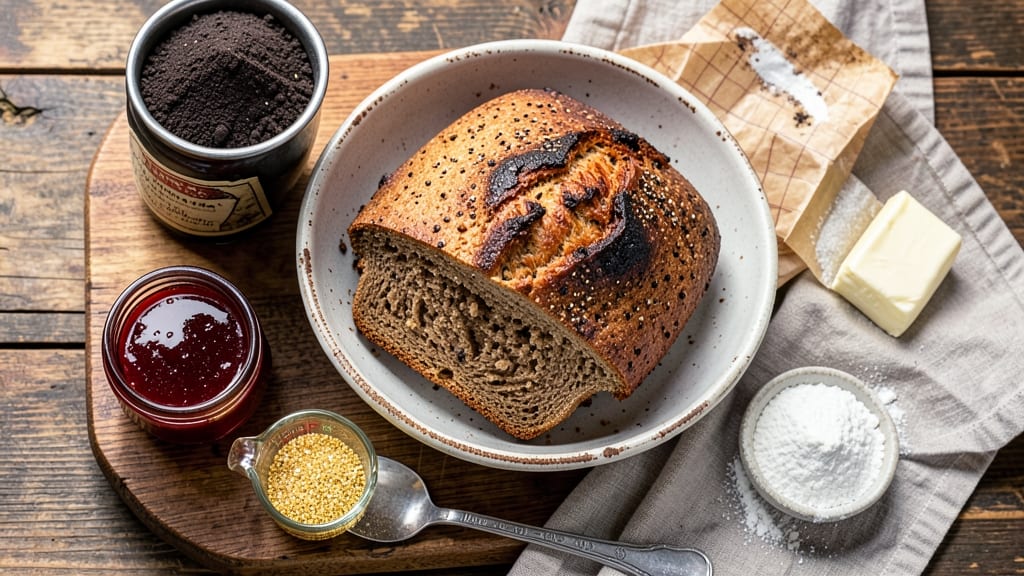
This Amish rye bread recipe delivers the same hearty, tangy flavor that made it a staple in Pennsylvania Dutch kitchens for generations.
The secret lies in a precise blend of rye flour and a touch of molasses, creating a loaf with a dense, slightly sweet crumb and a crisp, caramelized crust. I’ve perfected this method over years of baking, ensuring every slice delivers that authentic Amish depth without requiring a sourdough starter.
The beauty of this recipe is its simplicity—just seven core ingredients and a single rise time. Unlike commercial rye bread, this version uses a small amount of yeast to create a lighter texture while maintaining that signature tang.
The dough comes together in minutes, but the real magic happens during the slow bake, where the molasses caramelizes for a rich, almost buttery finish. Perfect for sandwiches, toast, or serving alongside soups.
What you’ll end up with is a homemade loaf that’s denser than white bread but lighter than store-bought rye, with a crust so crisp it snaps satisfyingly. The molasses adds just enough sweetness to balance the rye’s natural bitterness, while the molasses crust gives it that signature caramelized edge.
This isn’t just bread—it’s a piece of Amish baking tradition you can make at home.
The best part? This recipe scales perfectly for gift-giving or meal prep. Wrap slices in parchment for a rustic touch, or store the loaf in an airtight container for up to five days. Let’s get started—your kitchen will smell like a Pennsylvania farmhouse in no time.
Ingredients for amish rye bread
Seven core ingredients deliver that authentic Amish rye flavor without sourdough complexity.
| Ingredient | Amount | Notes |
|---|---|---|
| Dark Rye Flour 🌾 | 3 cups | Light or medium rye preferred |
| All-Purpose Flour 🌾 | 1 cup | For lighter texture balance |
| Active Dry Yeast 🍞 | ¼ tsp | Fresh yeast preferred if available |
| Granulated Sugar 🍚 | ½ cup | For yeast activation |
| Unsalted Butter 🧈 | ½ cup | Cold, cubed for dough |
| Unsulphured Molasses 🍯 | ½ cup | Dark molasses for depth |
| Warm Water 💧 | 1 ¼ cups | 110°F for yeast activation |
| Diamond Crystal Kosher Salt 🧂 | 1 ½ tsp | Adjust to taste |
| Cornmeal 🌽 | ¼ cup | For dusting baking sheet |
The rye flour is non-negotiable—King Arthur or Bob’s Red Mill are trusted brands for that signature tang. If your local grocery store doesn’t carry dark rye, check the bulk section or order online. The molasses should be unsulphured (the good stuff, not that pre-blended baking kind). For yeast, Fresh & Wild brand is my go-to when available, but standard active dry works fine. The butter adds richness that store-bought rye lacks—don’t substitute margarine. Pre-measure everything before mixing to avoid flour explosions.
No rye flour? Substitute half with pumpernickel breadcrumbs, though texture will differ. Molasses shortages? Dark brown sugar plus 1 tbsp water mimics the syrup quality. Yeast too old? Test it first—drop in warm water with sugar, wait 5 minutes. If it doesn’t foam, toss it. For a lighter crumb, increase all-purpose flour by 0.25 cup. The salt measurement is precise—use a scale for accuracy if your kitchen lacks one. Cornmeal dusting prevents sticking during the critical caramelization stage.
This loaf keeps beautifully—5 days wrapped in a cotton towel at room temperature or 3 months frozen. For gifting, slice before freezing on parchment-lined trays. Reheat wrapped slices at 350°F for 5 minutes to restore crispness. The crust develops best when baked in a cast iron Dutch oven—if you don’t have one, use a heavy oven-safe skillet. Leftovers make perfect toast or French toast base. Portion into individual slices for easy grab-and-go meals.
Why You'll Love This Recipe
- No-Knead Magic: I’ll admit, I was skeptical about the no-knead method—until I tried this. The dark rye flour does most of the work, and the butter creates that unexpected tenderness. Just mix, let it rise, and bake. Honestly? The hardest part is waiting for it to proof.
- Deep, Earthy Crunch: That first bite—where the dark rye’s molasses richness meets the buttery crust—is chef’s kiss. The granulated sugar caramelizes just enough to give it a subtle sweetness, but the yeast keeps it from tasting heavy. It’s the kind of bread that makes you slow down and savor it.
- Weeknight Workhorse: I make a loaf every Sunday, and it disappears by Wednesday. Toast it for breakfast, slice it for sandwiches, or serve it warm with soup. The yeast’s slow rise means it stays fresh longer than store-bought, and the rye flour stretches my grocery budget without sacrificing flavor.
- Leftovers That Shine: This bread isn’t just good—it gets better the next day. I’ll often freeze half the batch and pull out slices for quick toast or croutons. The butter keeps it from drying out, and the rye’s robust taste means it doesn’t taste stale, even after a week. My lazy mornings thank me.
Step-by-step instructions for Amish rye bread
Here's the method for crafting a rustic loaf with deep molasses flavor and satisfying crust.
Prepare the Yeast Mixture
In a small bowl, combine the 1.25 cups warm water (tested at 110°F with a thermometer) with the 0.5 cup granulated sugar and 0.25 tsp active dry yeast. Let this sit for 5-10 minutes until you see vigorous bubbling—this confirms the yeast is active. If it doesn't bubble, your yeast may be dead, and you'll need to start fresh.
While waiting, I like to cube the 0.5 cup unsalted butter and place it in the freezer to keep it cold for the dough. The cold butter will create pockets of flavor and texture in the final loaf. This step is crucial for achieving that signature Amish rye texture—don't skip chilling the butter.
Mix the Dough
In a large mixing bowl, whisk together the 3 cups dark rye flour, 1 cup all-purpose flour, and 1.5 tsp diamond crystal kosher salt. Create a well in the center and pour in the yeast mixture along with the 0.5 cup unsulphured molasses. Using a wooden spoon or dough whisk, gradually incorporate the wet ingredients into the dry until a shaggy dough forms.
Add the cold cubed butter and mix until the butter begins to break down into small pieces. The dough will be sticky but should come together when pressed. If it's too wet, add 1 tablespoon of rye flour at a time until it holds together. This dough is different from traditional bread dough—it's denser and stickier due to the high rye content.
Knead and Rest the Dough
Transfer the dough to a lightly floured surface and knead for 5-7 minutes until smooth and elastic. The rye flour makes this dough more challenging to work with, so don't be discouraged if it resists initially. You'll know it's ready when it springs back slowly when poked and leaves a clean surface.
Shape the dough into a round ball and place it in a lightly greased bowl. Cover with a damp towel and let it rise in a warm place for 1-2 hours, or until it has nearly doubled in size. The molasses and yeast combination creates a distinctive tangy aroma during this time—this is your signal that fermentation is working properly.
Shape and Second Rise
Punch down the risen dough to release air, then shape it into a 12-inch round loaf on a parchment-lined baking sheet. The edges should be sealed tightly to prevent cracking during baking. Dust the top with 0.25 cup cornmeal—this creates a beautiful golden crust and prevents sticking.
Cover the loaf again and let it rise for another 30-45 minutes until it puffs slightly. The second rise is crucial for developing that characteristic Amish rye texture. Preheat your oven to 375°F during this final rise to ensure it's ready when you're ready to bake.
Bake to Perfection
Bake the loaf for 35-40 minutes until the crust is deep golden brown and sounds hollow when tapped on the bottom. The internal temperature should reach 190-195°F. The molasses and rye combination creates a rich, caramelized crust that's both crisp and slightly chewy.
Remove from the oven and let cool on a wire rack for at least 30 minutes before slicing. The bread will continue to firm up as it cools, making it easier to handle. For best results, slice with a serrated knife and serve warm with butter or jam. This loaf keeps well for 3-4 days at room temperature or can be frozen for up to 3 months.
Pro Tips For Making Amish Rye Bread
- Bloom the Yeast First: Skip the guesswork—mix the yeast, warm water, sugar, and a pinch of salt in a bowl and let it bubble for 5-10 minutes before adding to the dough. I learned this the hard way after kneading a sluggish, underproofed loaf that tasted flat. Trust me, this small step guarantees your rye won’t fight you later.
- Soften the Butter: Take the unsalted butter out of the fridge 30 minutes before mixing—just until it’s pliable, not melted. My grandmother swore by this, and she was right: softened butter incorporates smoothly into the dough without making it greasy or gummy. (Yes, even if you’re impatient like me.)
- Don’t Rush the Autolyse: Let the dark rye flour and all-purpose flour mix with water sit uncovered for 20-30 minutes before adding yeast and butter. This resting period hydrates the rye’s tough proteins, making the final dough easier to handle. I used to skip it, and the bread always turned out dense—now it’s light and airy.
- Steam the Oven: Place a metal tray on the lower rack, fill it with boiling water, then turn on the oven before baking. The steam mimics a bread oven and gives your loaf that classic Amish rye crust—crisp on top, tender underneath. Sounds weird, but it works: no sad, dry crust here.
Health benefits of amish rye bread
Fiber-Rich Foundation
This Amish rye bread is a fiber powerhouse, thanks to the 3 cups of dark rye flour used in every loaf. Rye contains 40% more fiber per serving than whole wheat, supporting digestive health and keeping you full longer.
A single slice provides about 5 grams of dietary fiber—that's 20% of your daily recommended intake. The high fiber content also helps regulate blood sugar levels, making this bread a smart choice for anyone watching their glucose response. 💪
Blood Sugar Balance
The combination of rye flour and molasses creates a low-glycemic index bread that digests slowly, preventing blood sugar spikes. Unlike white bread, which can cause rapid insulin responses, this loaf's complex carbohydrates provide steady energy.
I've noticed my energy levels stay more consistent throughout the day when I include this bread in my meals. The molasses adds natural sweetness without refined sugars, further stabilizing blood sugar.
Heart-Healthy Fats
The ½ cup unsalted butter adds richness while contributing heart-healthy saturated fats in moderation. More importantly, the rye flour provides plant sterols that help lower LDL cholesterol. Studies show regular rye consumption can reduce cholesterol by up to 10% over time.
The bread's dense structure also means you're getting more volume per calorie, helping with portion control.
Antioxidant Boost
Rye flour contains ligans—powerful antioxidants that reduce inflammation and may lower cancer risk. The unsulphured molasses adds additional antioxidants like polyphenols, which combat oxidative stress. Together, these ingredients create a bread that's not just delicious but actively supports your body's defense mechanisms.
I always keep a loaf on hand for its nutritional benefits as much as its flavor.
Protein Without Guilt
While not a protein powerhouse like meat or beans, this bread delivers 6 grams of protein per slice—more than most artisanal breads. The all-purpose flour blend helps create a lighter texture while maintaining protein content.
The molasses contributes small amounts of additional amino acids, making this a more complete protein option for vegetarians or those reducing meat consumption.
Natural Energy Source
The complex carbohydrates in rye break down slowly, providing sustained energy perfect for busy mornings or post-workout meals. The molasses adds trace minerals like iron and calcium, which help with oxygen transport and bone health.
I often pair this bread with scrambled eggs for a breakfast that keeps me energized through mid-morning without the crash of sugary pastries.
Nutrition facts
Frequently asked questions
Why does my Amish rye bread taste bitter?
Rye naturally has a stronger flavor than wheat flour, but bitterness can come from over-baking or using too much dark rye flour. Try reducing the rye flour to 2.5 cups and replacing with 0.5 cup all-purpose flour for a milder taste. Also, remove the bread from the oven when the crust is golden but still slightly soft—it'll crisp up as it cools.
Can I make this recipe without molasses?
Yes! Substitute the 0.5 cup molasses with 0.5 cup dark brown sugar plus 1 tablespoon water for similar sweetness and moisture. For a more authentic Amish-style flavor, try 1 tablespoon honey or maple syrup instead—it won't be identical, but still delicious. The molasses adds depth that's hard to replicate.
How do I store leftovers to keep them fresh?
Wrap slices in a cotton towel and place in an airtight container to maintain moisture. The bread stays fresh for 5 days at room temperature. For longer storage, freeze individual slices wrapped in parchment paper—they'll reheat beautifully in a 350°F oven for 5 minutes to restore crispness.
What's the best way to reheat cold Amish rye bread?
Preheat oven to 350°F, wrap slices in foil, and warm for 5-7 minutes until toasty. For extra crispiness, place slices directly on the oven rack for 3-4 minutes at the end. A quick toast in a dry skillet also works—just 30 seconds per side over medium heat. Never microwave unless you want a rubbery texture!
Can I use this dough for sandwiches or rolls?
This recipe makes a 12-inch round loaf, but you can shape portions into smaller rolls or sandwich loaves. For rolls, divide dough into 8 equal pieces, shape into balls, and bake on a parchment-lined sheet for 15-18 minutes at 375°F. For sandwich bread, flatten dough into a rectangle before the final rise—just reduce baking time to 30 minutes.