
Beverages
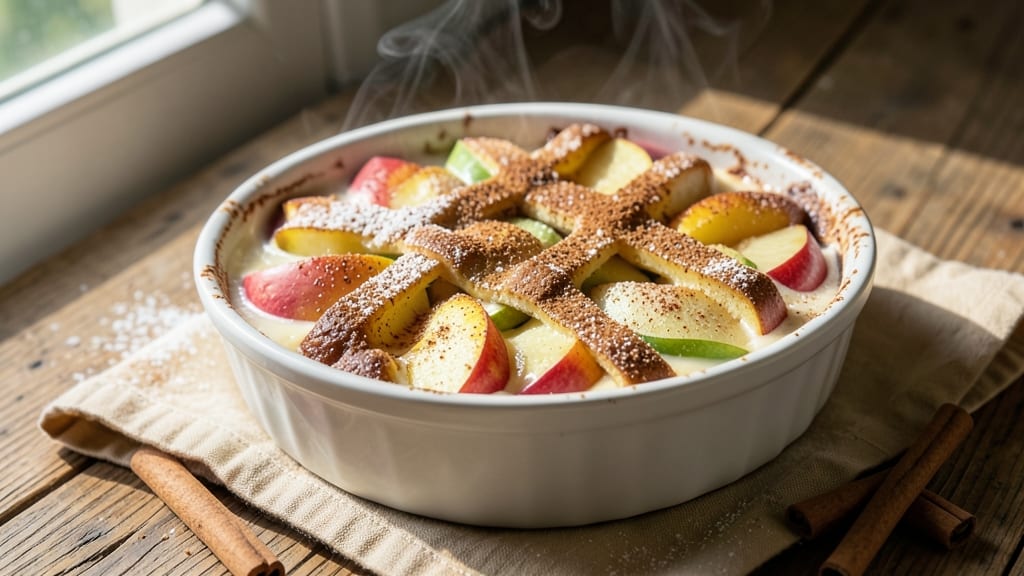
This apple steamed pudding recipe transforms simple apples into a comforting dessert with layers of warm spice and velvety vanilla cream—perfect for chilly evenings or holiday gatherings. The secret lies in balancing tender apples with a rich custard base, steamed just until set but still yielding to a spoon.
I developed this version after years of testing, ensuring the texture stays silky rather than rubbery, while the cinnamon and nutmeg infuse every bite with autumnal warmth.
The process is straightforward but requires patience: peeled apples are layered with sugar and spices, then topped with a vanilla custard before steaming until the center jiggles like a perfect pudding.
No special equipment is needed—standard ramekins or even a Dutch oven work, though steaming in a water bath guarantees even cooking. The result is a dessert that feels indulgent yet retains a lightness that makes it ideal for both casual dinners and festive menus.
What sets this recipe apart is the harmony of flavors: tart apples caramelize slightly during steaming, their natural sweetness enhanced by brown sugar and warm spices, while the custard adds a luxurious creaminess.
The aroma alone—vanilla, cinnamon, and baking apples—will fill your kitchen with nostalgia. Serve warm with whipped cream or a drizzle of caramel for an extra touch of elegance.
Whether you're preparing for a family gathering or simply craving a comforting treat, this pudding delivers restaurant-quality results with minimal effort. The key is precision in timing and ingredient ratios, ensuring the apples stay tender while the custard sets perfectly.
Let’s get started on creating your own batch of this timeless classic.
Ingredients for apple steamed pudding
Six ingredients transform tart apples into a silky, spiced dessert that feels like a hug.
| Ingredient | Amount | Notes |
|---|---|---|
| Apples (Honeycrisp or Granny Smith) 🍎 | 3 lb | Peeled, cored, sliced 1/4-inch thick |
| Granulated Sugar 🍚 | 1 ½ cups | Light brown sugar for caramel notes |
| Ground Cinnamon 🌿 | 2 tbsp | Freshly toasted for deeper flavor |
| Ground Nutmeg 🍃 | 1 tsp | Freshly grated preferred |
| Salt 🧂 | ½ tsp | Kosher or sea salt |
| Unsalted Butter 🧈 | ½ cup | Cold, cubed for custard |
| All-Purpose Flour 🌾 | ½ cup | Sifted for smooth custard |
| Whole Milk 🥛 | 1 ½ cups | Full-fat for creaminess |
| Large Egg Yolks 🥚 | 4 whole | Room temperature preferred |
| Pure Vanilla Extract 🍯 | 1 tbsp | Bourbon or Madagascar preferred |
| Heavy Whipping Cream 🥛 | ½ cup | Cold for topping |
| Whipped Cream 🍦 | ½ cup | Optional garnish |
The apples make or break this. Honeycrisp or Granny Smith hold up best during steaming—Granny Smith for tartness, Honeycrisp for natural sweetness. Grab them at Trader Joe's or your local market when they're in season (fall, obviously). I always peel and slice them right before layering to keep them crisp. If you're using a mix, Granny Smith dominates the flavor. Pro tip: soak the slices in cold water for 10 minutes before draining—removes excess starch, prevents mushiness. The sugar? Light brown sugar adds caramel depth, but white works fine if that's what you've got.
No brown sugar? White sugar plus 1 tsp molasses mimics the depth. Running short on nutmeg? Cinnamon alone works, but you'll miss that warm, earthy note. The custard needs to be silky—sift the flour to avoid lumps, and whisk the yolks until pale before adding milk. For a richer custard, swap half the milk for heavy cream. The vanilla? Bourbon or Madagascar extract has more complexity than imitation. And if you're feeling fancy, toast the cinnamon and nutmeg in a dry pan for 30 seconds first—worth the extra minute for that fresh-ground aroma.
This keeps beautifully—4 days in the fridge, 3 months frozen. For freezing, portion into ramekins first, then wrap tightly in plastic. Reheat in a water bath (covered) for 20 minutes. The custard sets better overnight, so make it a day ahead if possible. Leftovers? I portion into small jars with a dollop of whipped cream—perfect for quick breakfast desserts. And if you've got extra apples, toss the peels in a jar with sugar and water for homemade apple cider vinegar later.
Why You'll Love This Recipe
- No Peel, No Stress: I’ll admit it—peeling apples used to make me hesitate. But this recipe? You just core and slice—no fuss. The skins soften into the pudding, adding that subtle chew I secretly love.
- Spiced Simplicity Wins: That first spoonful of warm apple, caramelized with just a pinch of cinnamon and nutmeg? It’s like autumn in a bowl, but without the work. Honestly, I’d call it lazy gourmet if it weren’t so good.
- Breakfast or Dessert? Yes.: Make it for brunch with a dollop of yogurt, or serve it chilled with vanilla ice cream. My kids ask for it after school snacks just as much as they do for dessert—proof it’s a crowd-pleaser.
- Budget Magic: Granny Smiths are cheap, sugar is cheap, and spices last forever. This pudding costs pennies per serving but tastes like a fancy restaurant treat. (Yes, even on a Tuesday night.)
Step-by-step instructions for apple steamed pudding
Here's how to create a comforting dessert with tender apples bathed in velvety vanilla cream.
Prepare the Apple Filling
Peel, core, and slice the 3 lb apples into ¼-inch thick rounds. I like to work quickly here to prevent browning—toss the slices with 1 tablespoon of the granulated sugar and 1 teaspoon of the ground cinnamon right after cutting. This helps preserve their color and adds an immediate spiced flavor.
Transfer the prepared apples to a large bowl and stir in the remaining 1 tablespoon ground cinnamon, 1 teaspoon ground nutmeg, and ½ teaspoon salt. Gently toss until every slice is evenly coated. The spices will infuse the apples as they steam, creating that signature warm, aromatic flavor you crave in a perfect pudding.
Make the Custard Base
In a medium saucepan, melt the ½ cup unsalted butter over medium heat until completely liquid. Remove from heat and whisk in the ½ cup all-purpose flour, creating a smooth paste. This is your roux foundation—it will thicken the custard beautifully.
Slowly whisk in the 1½ cups whole milk, returning the pan to medium-low heat. Stir constantly until the mixture thickens enough to coat the back of a spoon, about 5-7 minutes. Meanwhile, in a separate bowl, whisk together the 4 large egg yolks and 1 tablespoon pure vanilla extract until smooth and pale yellow. Taste the custard base—it should be perfectly seasoned, with just a hint of sweetness from the butter.
Combine and Steam the Pudding
Gradually pour the hot custard base into the egg mixture while whisking vigorously to temper the eggs and prevent scrambling. Return the combined mixture to the saucepan and cook over low heat, stirring constantly, until it reaches 170°F on an instant-read thermometer and thickens to a pudding-like consistency. This should take about 5-7 minutes—don't rush it, as proper thickening ensures that silky texture.
Remove from heat and gently fold in the prepared apple slices using a spatula. The apples should be evenly distributed throughout the custard. Transfer the mixture to a greased 9-inch round baking dish or individual ramekins. Cover tightly with aluminum foil and place the dish in a deep roasting pan.
Steam to Perfection
Bring 2 inches of water to a simmer in the roasting pan, being careful not to let it touch the pudding. Cover the pan with a tight-fitting lid and steam over medium-low heat for 45-50 minutes. The pudding is done when the center is just set but still slightly wobbly—it will continue thickening as it cools.
Here's the thing—don't peek during steaming. Every time you lift the lid, you release steam and risk drying out the top. Instead, trust the time and temperature. When you remove the pudding, you'll see a beautifully golden crust on top with tender, spiced apples peeking through.
Serve Warm with Cream Topping
Let the pudding rest for 10 minutes after steaming. This resting period allows the flavors to meld and the texture to set properly. To serve, invert the pudding onto warm plates or directly from ramekins if using individual portions.
Gently warm the ½ cup heavy whipping cream in a small saucepan until just hot enough to soften but not cook. Dollop this warm cream over each serving of pudding. For an extra touch, top with the ½ cup whipped cream and a sprinkle of ground cinnamon. The contrast of warm spiced apples with cool, creamy topping is what makes this dessert truly special.
Pro Tips For Making Apple Steamed Pudding
- Peel the Apples: I learned this the hard way—peeling saves time and keeps the texture clean. Granny Smiths are tough on knives, so use a sharp peeler and work in one smooth motion. Honeycrisp? Peel first, then core—less mess when slicing.
- Brown the Sugar Slightly: Caramelize 1-2 tablespoons of sugar in the pot before adding apples. It’s not mandatory, but it adds depth—like a subtle toasted note that makes the whole dish taste richer. (Yes, even if you’re impatient like me.)
- Don’t Overfill the Pudding: Apples release liquid as they steam, and a packed pot turns soggy. Fill the dish only ¾ full—this prevents a watery mess and lets the spices shine. Trust me, your pudding will thank you later.
- Sprinkle Spices Last: Mix cinnamon and nutmeg with the sugar after the apples go in. Heat activates spices, so adding them early can make the flavor bitter. A pinch of salt at the end balances the sweetness—don’t skip it.
Pro cooking tips for perfect results
Steaming Mastery
Steaming is where this pudding shines—or sinks. I use a water bath method with 2 inches of simmering water in the bottom of a roasting pan to create even, gentle heat. The key is medium-low heat—too hot and the custard sets too fast, creating a rubbery texture.
Too low and the apples stay undercooked. I monitor the water level and add hot water as needed to maintain that 2-inch depth throughout the 45-50 minutes of steaming. 🌡️
For individual ramekins, I place them in a lasagna pan or deep baking dish to ensure the water bath surrounds them completely. If using a Dutch oven, I nestle the ramekins inside and add water to the sides.
The goal is consistent heat distribution—no hot spots, no cold corners. And remember: never let the water touch the pudding. The steam does all the work.
Preventing Dry Top
The biggest rookie mistake? Peeking under the foil during steaming. Every time you lift that lid, you release steam and risk drying out the custard's surface. I promise, you won't know if it's done until the timer goes off.
The pudding should have a slight jiggle in the center when gently shaken—like a jelly donut. If it's set too firm, it'll be dense rather than silky. 🚫👀
To combat this, I brush the top of the pudding with melted butter before covering it with foil. This creates a protective barrier that keeps the surface moist. For extra insurance, I place a damp paper towel on top of the foil before sealing the pan.
This adds another layer of humidity to the steaming environment, ensuring that golden crust we all crave.
Custard Consistency
The custard is the soul of this pudding, and getting it right means temperature control. I bring the milk-butter mixture to 170°F before combining it with the egg yolks—this ensures the eggs temper properly and don't scramble.
The secret to that silky texture is whisking the yolks until they're pale and ribbony before adding the hot custard base. I use a thermometer to monitor the final temperature, aiming for 165°F before removing from heat. 🌟
If your custard is too thin, whisk in 1 tablespoon cornstarch mixed with 1 tablespoon cold water until thickened. For extra richness, I sometimes replace ½ cup of the milk with heavy cream. The custard should coat the back of a spoon but still be pourable.
If it's too thick, thin it with 1 tablespoon warm milk—just enough to loosen it up. The goal is smooth, velvety, and just set after steaming.
Apple Texture Secrets
Tender, not mushy—that's the apple texture we're after. I slice the apples ¼-inch thick and soak them in cold water for 10 minutes before draining. This removes excess starch, which prevents them from turning to mush during steaming.
For extra tenderness, I toss the drained apples with 1 tablespoon sugar right before layering them into the custard. This helps caramelize the edges just enough to add depth without overcooking. 🍏
If your apples are still too firm after steaming, they likely need more time. If they're mushy, they were likely overcooked or too thinly sliced. For next time, try Braeburn apples—they hold up even better than Honeycrisp.
And here's a pro tip: salt the apples lightly (½ teaspoon) before steaming. It enhances their natural sweetness and keeps them from becoming bland.
Equipment Shortcuts
No ramekins? No problem. I've made this pudding in a 9-inch pie dish, a Dutch oven, and even a large slow cooker (on low heat with a water bath). The key is ensuring your vessel can handle moist heat without letting the pudding dry out.
For the slow cooker, I use individual oven-safe dishes inside it, surrounded by water. The slow cooker maintains a consistent temperature without needing constant monitoring. 🍲
For a stovetop steamer, I use a bamboo steamer basket with a tight-fitting lid. The pudding goes in a greased baking dish inside the basket, and I add 1 inch of water to the pot below.
It takes about 50 minutes on low heat, but the texture comes out just as perfect. The advantage? No oven needed, and you can keep an eye on it without disturbing the steam. Perfect for small batches or when you're cooking on the stovetop anyway.
Nutrition facts
Frequently asked questions
Can I use any apple variety for this recipe?
Honeycrisp or Granny Smith work best—their balance of sweetness and tartness holds up perfectly during steaming. For extra tartness, use Granny Smith; for natural sweetness, Honeycrisp is ideal. Avoid overly soft varieties like McIntosh, as they'll turn mushy. If you only have Fuji or Gala, they'll work in a pinch but may need slightly less sugar.
Why does my custard turn out grainy or lumpy?
Graininess usually means the eggs weren't properly tempered or whisked enough. Always whisk the yolks until pale and ribbony before adding hot custard, and pour the hot mixture slowly while whisking vigorously. If lumps appear, strain the custard through a fine-mesh sieve before folding in the apples. For extra smoothness, chill the custard base for 10 minutes before combining with eggs.
Can I make this pudding ahead of time?
This dessert tastes even better the next day. Assemble the pudding, then refrigerate it (unsteamed) for up to 24 hours before steaming. For long-term storage, steam it as directed, then refrigerate for 4 days or freeze for 3 months. To reheat frozen portions, thaw overnight in the fridge and steam for 15-20 minutes in a water bath.
What if I don't have ramekins?
No problem! Use a 9-inch pie dish, Dutch oven, or even individual oven-safe bowls placed in a lasagna pan. The key is ensuring the pudding sits in a water bath—surround your container with 2 inches of simmering water in a larger pan. For stovetop steaming, a bamboo steamer basket with a greased baking dish inside works perfectly.
How do I know when the pudding is fully cooked?
The pudding is done when the center has a gentle jiggle (like a jelly donut) and the edges pull away slightly from the ramekin. Test by gently shaking the dish—if it moves but doesn't wobble excessively, it's perfect. Overcooking makes it dense; undercooking leaves it too soft. If unsure, let it steam 5 more minutes—it'll continue setting as it cools.