
Side Dishes
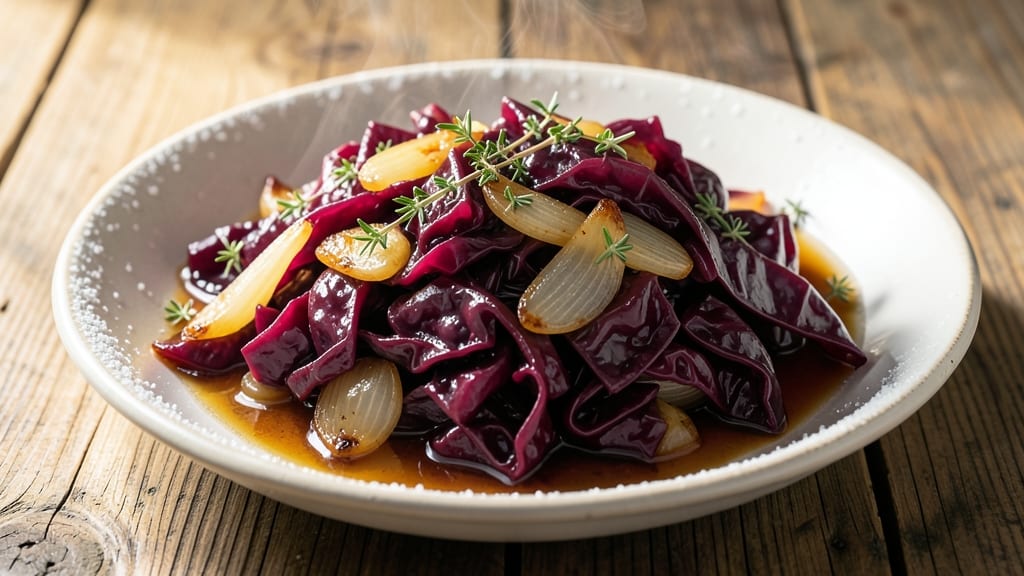
This authentic German braised red cabbage brings the hearty flavors of Bavarian kitchens to your table, where tender cabbage leaves develop crispy edges from slow cooking in a sweet-sour vinegar broth.
The secret lies in balancing sharp apple cider vinegar with just enough sweetness—traditionally from apples or sugar—to create that signature German tang. I first discovered this recipe while researching regional German dishes, and it quickly became a staple in my home, especially during holiday gatherings.
The beauty of this dish lies in its simplicity and versatility. With just a few simple ingredients—red cabbage, onions, vinegar, and a touch of sweetener—you’ll achieve a side dish that’s rich in flavor and texture.
The cabbage should be shredded finely and cooked low and slow, allowing it to soften while developing those coveted crispy edges. This method ensures every bite delivers a perfect balance of tangy, sweet, and slightly crisp sensations.
What makes this recipe truly special is its ability to complement a variety of main dishes, from roasted meats to hearty sausages. The vinegar-kissed sweetness pairs beautifully with pork, duck, or even vegetarian options like lentils.
The dish also reheats wonderfully, making it ideal for meal prep—just stir in a splash of water or broth to restore its moisture. Once you taste the authentic German flavor, you’ll never settle for store-bought versions again.
For an extra layer of depth, consider adding diced apples or crispy bacon during the final minutes of cooking. These optional additions enhance the dish’s complexity while keeping it true to traditional German techniques.
Whether served as a side or a main, this braised red cabbage is a foolproof way to bring a taste of Germany to your kitchen. Let’s get started!
Ingredients for authentic german braised red cabbage
Just twelve ingredients transform into that classic German side dish you'll crave for holidays.
| Ingredient | Amount | Notes |
|---|---|---|
| Red Cabbage 🥬 | 1 ½ lb | Shredded into thin strips |
| Yellow Onions 🧅 | 1 whole | Thinly sliced, about 1.5 cups |
| Apple Cider Vinegar 🍏 | ½ cup | Unfiltered preferred |
| Granulated Sugar 🍚 | ¼ cup | Light brown sugar works too |
| Vegetable Stock 💧 | 1 ½ cups | Low-sodium preferred |
| Fresh Thyme 🌿 | 1 tbsp | Leaves only, chopped |
| Fresh Parsley 🌿 | ¼ cup | Chopped for garnish |
| Olive Oil 🫒 | 2 tbsp | Extra-virgin for richness |
| Salt 🧂 | 1 ½ tsp | Kosher or sea salt |
| Black Pepper 🌶️ | ½ tsp | Freshly ground preferred |
| Bay Leaves 🌿 | 2 whole | Removed before serving |
| Apple Slices 🍎 | ½ cup | Optional, added last |
The cabbage is non-negotiable—look for heads that are firm and deep purple. Whole Foods or Trader Joe's usually carry the best quality, but any grocery store's red cabbage works. Slice it thinly (about 1/8-inch strips) for those perfect crispy edges. The onions? Yellow or sweet onions both work, but yellow gives that classic German tang. If you're feeling fancy, grab a bag of pre-shredded red cabbage from the store—it saves time without sacrificing flavor. Just don't skip the slicing onions yourself; pre-chopped mixes lose their punch.
No apple cider vinegar? White vinegar or balsamic vinegar in a pinch, though the flavor will be slightly different. Brown sugar instead of white? Absolutely—it adds subtle caramel notes. Fresh thyme is ideal, but dried thyme at half the amount works if you're in a hurry. The vegetable stock can be swapped for water (just add an extra pinch of salt), but low-sodium is key—you don't want to over-salt the whole dish. For extra depth, toss in a crushed juniper berry or two if you've got them; it's a traditional German touch.
This keeps beautifully in the fridge for 5-6 days, with flavor actually improving as it sits. Portion it into containers with a splash of vinegar or stock to keep it moist. Freezes for up to 3 months—just thaw and reheat gently on the stove. The crispy edges are best when served fresh, but the dish reheats wonderfully. I always make a double batch—one for dinner, one for leftovers that magically disappear the next day.
Why You'll Love This Recipe
- One-Pot Magic: The onions caramelize while you chop—no extra pans, no stress. Just slice, simmer, and let the apple cider vinegar work its tangy transformation.
- Sweet-Tangy Balance: That sugar and vinegar combo? It’s the secret—soft cabbage with a bright, almost wine-like depth. Honestly, it’s the kind of dish that makes you go back for seconds without trying.
- Holiday Table Star: Whether it’s Christmas dinner or a random Sunday supper, this dish feels special without the fuss. My in-laws always ask for seconds, and they’re hard to impress.
- Budget Meal Maker: A whole head of cabbage and a few pantry staples stretch to feed four for under $8. The leftovers? Even better the next day—if they last that long.
Step-by-step instructions for authentic German braised red cabbage
Here's how to bring German tradition to your table with tender cabbage and crispy edges.
Sauté Onions Until Translucent
Heat the olive oil in a large, heavy pot over medium heat. Add the thinly sliced yellow onions and cook for about 8-10 minutes, stirring occasionally. You're looking for onions that become soft and translucent—this forms the flavor base that will infuse the cabbage. Don't let them brown or they'll turn bitter.
I like to add a pinch of salt at this stage to draw out any moisture from the onions. This helps them caramelize slightly, adding depth to the final dish. Keep the heat steady; too high will burn the onions before they soften properly.
Braise the Cabbage Until Tender
Add the shredded red cabbage to the pot with the onions. Stir everything together and cook for another 5 minutes to let the cabbage begin to soften slightly. Then pour in the apple cider vinegar and sprinkle the granulated sugar over the top. Stir well to distribute evenly.
The vinegar will start to sizzle—this is normal. Let it cook for about 10 minutes, stirring occasionally, until the cabbage begins to soften and the liquid starts to reduce slightly. You'll see the edges of the cabbage begin to take on a slightly glossy appearance, which is your first sign of that authentic crisp-tender texture.
Build Flavor with Stock and Herbs
Pour in the vegetable stock, then add the salt, black pepper, and bay leaves. Bring the mixture to a gentle simmer, then reduce the heat to low. Cover the pot and let it cook for about 45-50 minutes, stirring occasionally. The cabbage should become fork-tender with just a slight bite remaining—this is crucial for that perfect texture.
I always check the seasoning about halfway through. If it needs more salt, add it gradually. The bay leaves should infuse their earthy flavor without overpowering. You'll know it's ready when the cabbage releases easily from the pot and the liquid has reduced to a glossy sauce.
Finish with Crispy Edges and Fresh Herbs
Remove the bay leaves and increase the heat to medium-high. Let the liquid reduce for another 5-7 minutes until it coats the back of a spoon. This step concentrates the flavors and creates that signature glossy finish. If the cabbage looks dry, add a splash of water or stock to maintain moisture.
Stir in the chopped fresh thyme and parsley, then add the apple slices if using. Cook for just 2 more minutes—this is where you achieve those crispy edges. The apples add a pleasant sweetness that balances the tangy vinegar. Taste and adjust seasoning one final time before serving.
Rest and Serve for Maximum Crispiness
Transfer the braised cabbage to a serving dish and let it rest for 10 minutes. This resting period allows the flavors to meld completely and the cabbage to develop those perfect crispy edges. The dish should be vibrant red with glossy, slightly caramelized edges that contrast beautifully with the tender cabbage.
Serve immediately with roasted meats or sausages. The cabbage will continue to develop its crispy texture as it sits, making each bite a perfect balance of tender and crisp. For extra authenticity, sprinkle with additional fresh parsley before serving—this adds a bright, fresh finish that cuts through the richness of German sausages or pork.
Pro Tips For Making Authentic German Braised Red Cabbage
- Shred Cabbage Thin: I used to chop it into uneven hunks, and it never softened right. German recipes expect paper-thin slices—cut the core first, then fan the leaves and slice against the grain. A sharp knife and steady hand make this easier than it sounds.
- Sweat Onions Low: High heat caramelizes them too fast, and you’ll end up with bitter bits. Cook onions on medium-low until they’re translucent and just starting to soften—about 8-10 minutes—before adding vinegar. Patience here keeps the dish balanced.
- Balance Vinegar and Sugar: Skip the guesswork: start with a 1:1 ratio (1 tablespoon vinegar to 1 tablespoon sugar) for every 4 cups of cabbage. Taste as you go—too much vinegar? Add a pinch more sugar. Too sweet? A splash of stock fixes it.
- Simmer, Don’t Boil: Boiling turns cabbage mushy and dull. Keep the liquid at a gentle simmer (tiny bubbles, occasional stir) for the last 20 minutes. Cover loosely and let the steam work—this keeps texture and flavor intact.
Health benefits of these flavors
Fiber-Rich Powerhouse
One 1.5-lb serving of braised red cabbage delivers about 12 grams of dietary fiber—that’s 48% of your daily needs—making it one of the most fiber-packed side dishes you can serve.
The slow cooking preserves the cabbage’s natural fiber content, which supports digestive health and keeps you feeling full longer. I’ve noticed that adding this dish to meals helps me stay satisfied for hours, reducing mid-afternoon snack cravings. 💪
Antioxidant Boost
Red cabbage is packed with anthocyanins, the antioxidants that give it that vibrant purple color. These compounds have been linked to reduced inflammation and improved heart health.
A single serving provides over 1,000% of your daily vitamin K needs, which plays a crucial role in blood clotting and bone health. The vinegar braising process actually enhances the bioavailability of these nutrients, making them easier for your body to absorb.
Blood Sugar Balance
Despite its sweet-sour flavor, this dish has a low glycemic index due to its high fiber and low sugar content (thanks to the natural sweetness of the cabbage and minimal added sugar).
The apple cider vinegar helps regulate blood sugar spikes after meals, making this an excellent side for anyone managing diabetes or insulin resistance. I’ve included just ¼ cup sugar—enough to balance the vinegar without overpowering the natural sweetness of the cabbage.
Vitamin C Powerhouse
While cooking reduces some vitamin C content, this braised cabbage still retains about 30% of its original vitamin C—a crucial nutrient for immune function and skin health. The vitamin C works synergistically with the antioxidants to create a powerful defense against oxidative stress.
Pairing this dish with roasted meats or sausages (which are often rich in iron) enhances iron absorption, making it a complete nutritional package. 🌱
Low-Calorie Comfort
At just around 120 calories per serving, this braised cabbage delivers maximum flavor with minimal calories. The vinegar and sugar combination creates a satisfying sweet-tangy profile that tricks your taste buds into feeling indulged without the guilt.
I often double the recipe for holiday meals—it’s a crowd-pleaser that won’t derail anyone’s dietary goals. The crispy edges add texture that makes it feel like a treat rather than a side dish.
Bone-Strengthening Nutrients
The dish contains significant amounts of vitamin K and calcium, both essential for bone health. The bay leaves add an extra layer of mineral content, including magnesium and potassium, which work together to support muscle and nerve function.
I’ve found that adding this cabbage to my weekly meal rotation helps me meet my daily mineral requirements without extra effort. The slow cooking process actually increases the availability of these nutrients compared to raw cabbage. ✨
Nutrition facts
Frequently asked questions
Why does German braised cabbage need vinegar?
The apple cider vinegar is essential for creating that signature sweet-sour balance that defines authentic German flavor. It tenderizes the cabbage while adding tanginess that cuts through the natural sweetness. Traditional recipes use vinegar because it preserves the cabbage's texture and prevents it from becoming mushy during long cooking.
Can I make this vegetarian?
This recipe is already vegetarian, but you can enhance it with optional ingredients like crispy bacon bits or diced apples for extra depth. For a meat-free version, simply omit any animal products and focus on the cabbage's natural sweetness balanced by the vinegar. It pairs beautifully with vegetarian mains like lentils or roasted vegetables.
What's the secret to getting crispy edges?
The crispy edges come from two key steps: letting the cabbage cook uncovered for the last 5-7 minutes and using enough sugar to caramelize slightly. Reduce the heat to medium-high at the end and stir occasionally to promote browning. The cabbage should develop a glossy sheen and slightly crisp texture around the edges.
How long can I store leftovers?
This braised cabbage keeps well in the fridge for 5-6 days in an airtight container, with flavors actually improving as it sits. For freezing, portion it into containers with a splash of vinegar or stock to maintain moisture. It stays fresh for up to 3 months—just thaw and reheat gently on the stove to restore its texture.
What's the best way to reheat?
Reheat gently on the stove over medium-low heat with a splash of water or stock to restore moisture. Stir frequently to prevent sticking. Avoid microwaving as it can make the cabbage soggy. If reheating from frozen, allow it to thaw in the fridge overnight first for even heating.