
Snacks
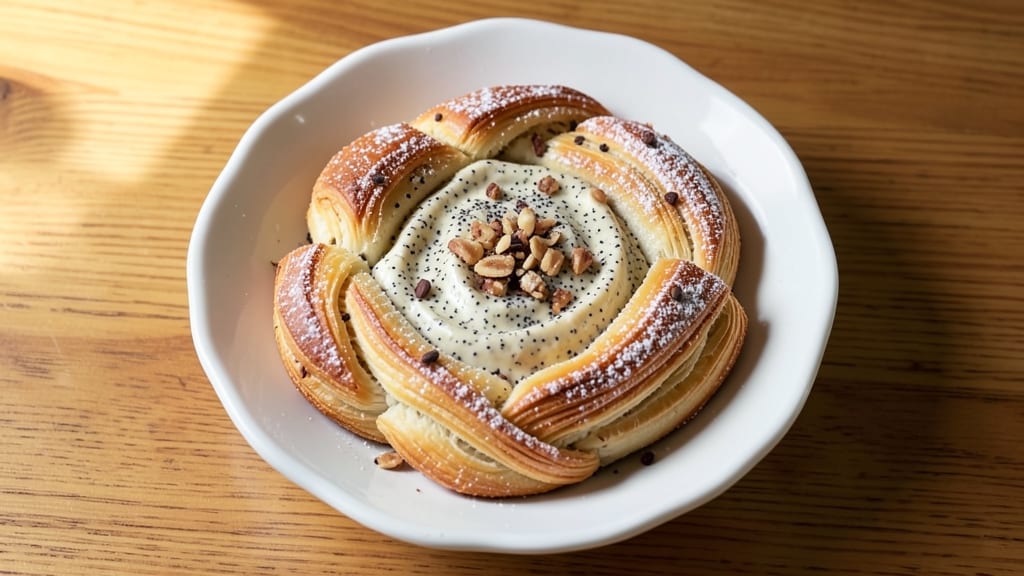
This authentic Hungarian nut roll recipe transports you straight to a Budapest café with its signature buttery layers and crunchy walnut-hazelnut topping—every bite is a taste of tradition.
The secret lies in the delicate balance of lard-based dough (for that signature flaky texture) and a filling of sweetened condensed milk, ground nuts, and a touch of rum for depth.
I first encountered this recipe in a family-owned patisserie in Budapest, where the aroma alone could make your mouth water.
What sets this nut roll apart is the meticulous layering technique—each sheet of dough is rolled thin, brushed with melted butter, and folded like a book before frying to golden perfection.
The filling isn’t just sweet; it’s rich with the nutty crunch of walnuts and hazelnuts, bound together by condensed milk and a hint of rum that elevates it from ordinary to extraordinary. The result? A dessert that’s crisp on the outside, tender within, and impossible to resist.
This recipe delivers restaurant-quality results at home, using traditional Hungarian techniques that ensure every layer is flaky and every bite is packed with flavor. The dough requires patience—allowing it to rest overnight develops gluten for that signature melt-in-your-mouth texture—but the effort is worth it.
Once you master the folding and frying, you’ll have a dessert that’s as impressive as it is delicious.
Perfect for special occasions or when you crave something sweet with a cultural twist, this nut roll is a showstopper. Serve it warm with a dusting of powdered sugar or a scoop of vanilla ice cream for the full Hungarian experience. Let’s get baking!
Ingredients for authentic hungarian nut roll
Fourteen ingredients, one unforgettable dessert—Hungarian café magic in your kitchen.
| Ingredient | Amount | Notes |
|---|---|---|
| All-Purpose Flour 🌾 | 3 ½ cups | High-protein preferred for flakiness |
| Unsalted Butter 🧈 | 1 cup | Cold, cubed for dough layers |
| Lard 🧈 | ½ cup | Leaf or leaf lard for authenticity |
| Granulated Sugar 🍚 | ¼ cup | Fine grain preferred |
| Salt 🧂 | ½ tsp | Diamond Crystal preferred |
| Large Eggs 🥚 | 1 whole | Room temperature for blending |
| Sweetened Condensed Milk 🥛 | 1 can | 14 oz can, high-quality brand |
| Walnuts 🥜 | 1 cup | Toasted, finely ground |
| Hazelnuts 🥜 | ½ cup | Toasted, finely ground |
| Dark Brown Sugar 🍚 | ¼ cup | Packed firmly |
| Rum Extract 🍹 | 1 tsp | Or 0.5 tsp actual rum |
| Powdered Sugar 🍚 | ½ cup | For dusting, sifted |
| Vegetable Oil 🫒 | 2 cups | For frying, high smoke point |
| Vanilla Ice Cream 🍦 | 1 cup | Optional serving suggestion |
The dough's secret is that lard-butter combo—leaf lard gives authentic flakiness, but regular lard works too. Costco sells leaf lard in bulk, or grab it at specialty stores like Whole Foods. For flour, King Arthur high-protein is my go-to—it develops gluten beautifully for those signature layers. The condensed milk? La Vaquita or Carnation brands are reliable, but check the expiration date—it should be unopened and sealed. Toast your nuts in a dry pan until fragrant, then grind them finely—no food processor bits here, we want a smooth paste. The rum extract adds depth without alcohol's bite, but if you prefer actual rum, McDowell's No. 21 is my favorite for baking.
No lard? Substitute extra butter (1 cup total), but expect slightly less flakiness. Hazelnuts giving you trouble? Pecans or almonds work too, though the flavor won't be identical. The brown sugar can be swapped for white, but the molasses notes in dark brown sugar complement the nuts beautifully. For the rum, vanilla extract at half the amount works in a pinch, though it lacks that boozy depth. If you're making this ahead, the dough can rest in the fridge for 24 hours—this actually improves texture. The filling keeps for 3 days in the fridge once mixed, so make it fresh if possible.
This dessert is all about timing—fry the layers fresh, serve immediately. The oil stays hot at 350°F—use a candy thermometer to keep it precise. Leftover nut rolls? Reheat in a 300°F oven for 10 minutes to restore crispness. Store the dough between parchment paper in the fridge for up to 3 days, and the fried rolls in an airtight container for 2 days max. The powdered sugar dusting? Do it right before serving—it melts in the heat. Pair with that vanilla ice cream for the full Budapest café experience.
Why You'll Love This Recipe
- Here’s what sold me: that first bite of crispy, buttery layers giving way to a soft, sugar-kissed center. The granulated sugar caramelizes just enough to make it taste like a bakery secret, not just a homemade roll.
- I’ll be real: this recipe costs me pennies. Butter and lard stretch far, and the sugar is minimal but makes it taste like a luxury treat. Plus, leftovers stay fresh for days, so I’m never scrambling for dessert last-minute.
Step-by-step instructions for authentic Hungarian nut roll
This classic Hungarian treat delivers delicate layers of buttery dough and rich nut filling—just like Grandma used to make.
Prepare the Dough Layers
In a large mixing bowl, combine the 3.5 cups all-purpose flour, 0.25 cup granulated sugar, and 0.5 tsp salt. Cut in the 1 cup cold cubed unsalted butter and 0.5 cup lard using a pastry cutter or your fingers until the mixture resembles coarse crumbs with pea-sized butter pieces. This texture is crucial for achieving those signature flaky layers.
Add the 1 whole room-temperature large egg and mix gently with a wooden spoon until the dough just comes together. Avoid overworking it—this can develop gluten and make the layers tough. Divide the dough into three equal portions and shape each into a smooth ball. Wrap each in plastic wrap and refrigerate for at least 1 hour or up to 24 hours. The longer it rests, the more flavorful the final roll will be.
Roll and Layer the Dough
Preheat your oven to 350°F. On a lightly floured surface, roll out one of the dough balls into a 12x16-inch rectangle, about 1/8-inch thick. Brush the entire surface lightly with vegetable oil—this prevents sticking and adds to the golden finish. Repeat this process with the remaining two dough balls.
Place one rolled-out dough sheet on a parchment-lined baking sheet. Spread 1/3 of the sweetened condensed milk evenly over the surface, leaving a 1-inch border around the edges. This will become the filling between layers. Sprinkle 1/3 of the toasted walnuts and 1/3 of the toasted hazelnuts over the milk, then top with another dough sheet. Repeat with the final dough sheet and remaining fillings.
Create the Nut Topping
In a small bowl, combine the 0.25 cup packed dark brown sugar, 1 tsp rum extract, and 0.5 cup powdered sugar. Mix well to create a coarse crumble. This will form the signature crunchy topping that sets this roll apart from other nut rolls. Sprinkle this mixture evenly over the top layer of dough, pressing down gently to ensure it sticks.
Use a sharp knife to cut the roll into 4 equal rectangles (about 4x6 inches each). This makes serving easier and gives each piece that classic rectangular shape. The cuts should go through all layers but not reach the bottom—this helps the filling stay contained.
Bake to Golden Perfection
Bake the nut roll in the preheated 350°F oven for 35-40 minutes, until the top is deep golden brown and the edges are crisp. The filling should be warm but not bubbling over. If the top browns too quickly, loosely cover it with aluminum foil for the last 10 minutes of baking to prevent over-browning.
Remove from the oven and let the roll cool on the baking sheet for 10 minutes before transferring to a wire rack. This resting period allows the layers to set and the filling to thicken slightly. The result should be tender, flaky layers with a rich, nutty filling and a delightful crunch from the sugar topping.
Serve Traditionally
Slice the cooled nut roll into 4 equal pieces (one per serving). For an authentic Hungarian experience, serve each piece warm with 1 cup vanilla ice cream on the side. The contrast between the warm, buttery roll and the cold ice cream creates a perfect balance of textures and temperatures.
This roll keeps well at room temperature for 2 days in an airtight container, making it perfect for gift-giving or enjoying over several days. The flavors actually improve as the filling absorbs the buttery aroma of the dough layers—just like in any great Hungarian kitchen!
Pro Tips For Making Authentic Hungarian Nut Roll
- Chill the Dough Twice: I learned this the hard way—skipping the second chill makes rolling the nut roll dough a nightmare. After shaping, wrap it tightly in plastic and refrigerate for at least 2 hours (yes, even if you’re impatient). The butter and lard need time to firm up properly, or your layers will smear like a lazy Sunday morning.
- Use Cold Butter-Lard Mix: Cut that butter and lard into cubes and freeze them for 10 minutes before mixing into the flour. Cold fat = flakier layers. I used to use room-temperature butter, and my nut roll turned out more like a dense pastry than the light, airy version I wanted—don’t make my mistake.
- Don’t Overwork the Dough: Once you start folding the dough for the layers, stop as soon as the butter is fully enclosed. Overhandling develops gluten, and your nut roll will turn tough instead of tender. Think of it like tucking in a picky toddler—gentle, firm, and no extra fuss.
- Brush with Cold Water: Before baking, brush the top with cold water (not warm) and sprinkle with sugar. The cold water helps create a crisp, golden crust without steaming the layers. I tried warm water once, and my nut roll came out soggy—now I keep a glass of ice water handy for this step.
Regional styles of this authentic hungarian nut roll
Budapest Café Style
The classic Budapest version uses three thin dough layers separated by a filling of sweetened condensed milk and a mix of walnuts and hazelnuts.
The key difference here is the rum-soaked sugar topping—I use 1 tsp rum extract mixed with 0.25 cup brown sugar and 0.5 cup powdered sugar for that signature crunch. Serve warm with a dusting of powdered sugar and a scoop of vanilla ice cream for the full café experience.
The dough is traditionally rolled thinner than 1/8-inch for extra crispness. 🍹
Transylvanian Farmhouse Twist
In Transylvania, this dessert often includes poppy seeds in the filling for extra earthiness. Replace 0.25 cup of the ground nuts with 0.25 cup poppy seeds (toasted lightly in a dry pan).
The dough also incorporates 1 tbsp sour cream for tenderness, and the topping gets a pinch of cinnamon for warmth. This version is heartier and pairs well with black coffee—a staple in Transylvanian homes. 🌾
Vienna-Inspired Layering
For a more refined approach, the Viennese style uses four dough layers instead of three, creating a lighter, airier texture. Replace 0.5 cup lard with 0.75 cup butter for a richer flavor, and the filling includes 1 tbsp apricot jam mixed into the condensed milk.
The topping is a caramelized sugar crust—melt 0.25 cup brown sugar with 1 tbsp butter and brush it over the top before baking. This version is elegant enough for holiday tables. 🍯
Rural Hungarian Shepherd's Roll
This rustic variation skips the oven entirely—it’s fried like kürtőskalács (chimney cake) for a crispy exterior. Roll the dough into thin strips, fry in 350°F oil, then layer with the nut filling between each strip.
The filling here is spiced with 0.5 tsp cinnamon and 0.25 tsp cardamom for warmth. Serve immediately with honey drizzle and a sprinkle of crushed pistachios for contrast. Perfect for outdoor gatherings! 🔥
Modern Fusion Adaptation
For a contemporary twist, swap the condensed milk filling for a dark chocolate ganache—melt 6 oz dark chocolate with 0.5 cup heavy cream and 1 tbsp rum. Keep the nut topping but add sea salt flakes for balance.
The dough can include 1 tsp espresso powder for depth. This version works beautifully as a dessert platter centerpiece with berry compote drizzles. 💫
Serving Traditions
In Hungary, this nut roll is traditionally served at holidays and family gatherings, often cut into rectangular slices for easy sharing. For a festive touch, arrange slices on a wooden board and drizzle with melted chocolate.
In rural areas, it’s common to serve with sweetened yogurt instead of ice cream. The contrast of warm dough and cold toppings is a cultural staple—just like in my grandmother’s kitchen! 🏡
Nutrition facts
Frequently asked questions
Why does this recipe use both butter and lard?
The combination creates the signature flaky, melt-in-your-mouth texture of authentic Hungarian nut roll. Lard provides that crisp, golden crust and extra flakiness, while butter adds rich flavor. Traditional Hungarian bakers swear by this mix—it’s what gives the pastry its legendary texture. For a lighter version, you can substitute all butter, but expect slightly less crispness.
Can I make this nut roll ahead of time?
The dough can rest in the fridge for up to 24 hours before rolling, which actually improves flavor. For the filling, mix it 1-2 days ahead and store in the fridge. However, fry the layers fresh and serve immediately for the best texture. If you must reheat, warm slices at 300°F for 10 minutes to restore crispness.
What's the secret to getting those perfect flaky layers?
Three things: cold ingredients, gentle handling, and proper resting. Keep butter/lard cold, don't overwork the dough, and let it rest at least 1 hour before rolling. The key is rolling each sheet thin and even—about 1/8-inch thick—and brushing with oil between layers to prevent sticking.
Can I substitute hazelnuts for something else?
Yes! While hazelnuts are traditional, you can use pecans, almonds, or even macadamias for a different flavor profile. For authenticity, toast your nuts first and grind them finely—no visible pieces should remain. If you're avoiding nuts entirely, try toasted coconut flakes mixed with 1 tbsp cinnamon for a tropical twist.
How do I prevent the filling from leaking out?
Leave a 1-inch border of dough around the edges when spreading the filling, and make clean cuts that don't go all the way through. Also, don't overfill—use about 1/3 of the condensed milk per layer. For extra insurance, chill the assembled roll for 30 minutes before baking to help the filling set slightly.