Appetizers
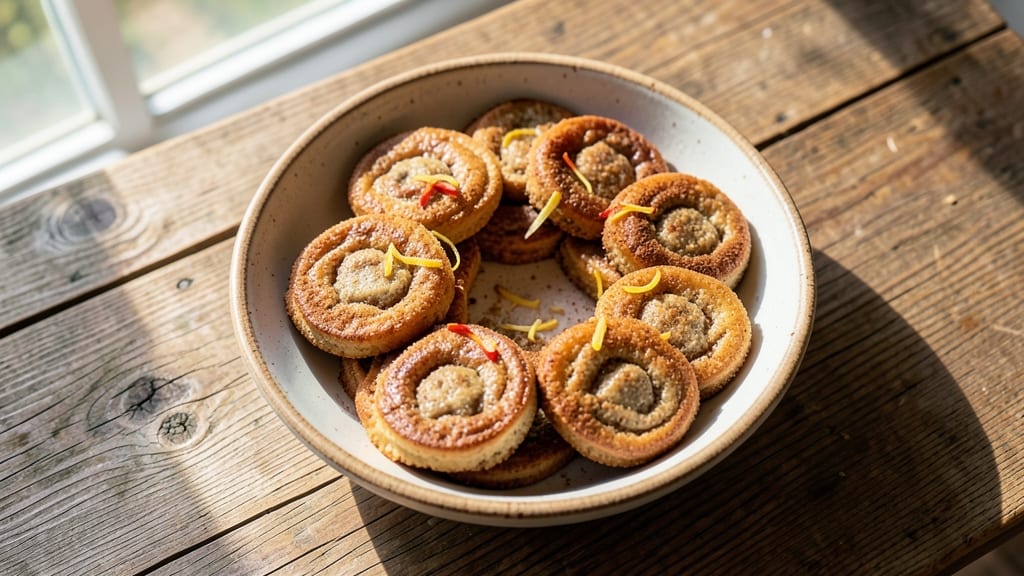
This authentic Welsh cakes recipe brings the warm, spiced sweetness of traditional Welsh baking straight to your kitchen, where golden cornmeal rings meet currants and cinnamon in perfect harmony.
The secret lies in the dough—rich with suet for that signature tender crumb and just enough cornmeal to create those signature rings when sliced.
I first discovered this recipe while researching Welsh heritage cooking, and the moment I tasted the balance of spice and fruit, I knew it belonged in every home.
The dough comes together with simple ingredients but requires patience—letting it rest for at least 30 minutes ensures a tender texture that holds its shape when baked.
Traditional Welsh cakes are lightly spiced with cinnamon and nutmeg, giving them a warm, aromatic depth that pairs beautifully with the tartness of currants. The baking process transforms the dough into golden, slightly crisp edges with a soft, melt-in-your-mouth center, making them irresistible.
Once baked, these cakes are traditionally dusted with caster sugar, adding a delicate sweetness that enhances their natural flavors. They’re perfect served warm with a cup of tea or coffee, offering a taste of Wales’ culinary heritage.
The recipe stays true to tradition while remaining approachable for home cooks—no special equipment required, just a few key ingredients and careful technique.
For an extra touch of authenticity, serve them with clotted cream or a dollop of whipped cream, though they’re delicious on their own. This recipe delivers the classic texture and flavor that makes Welsh cakes a beloved treat. Let’s get baking!
Ingredients for authentic welsh cakes
Twelve simple ingredients transform into golden Welsh cakes with signature cornmeal rings and spiced sweetness.
| Ingredient | Amount | Notes |
|---|---|---|
| All-Purpose Flour 🌾 | 3 cups | Sifted for light texture |
| Cornmeal 🌽 | ½ cup | Fine-ground for signature rings |
| Beef Suet 🥩 | ½ cup | Finely grated, not pre-shredded |
| Granulated Sugar 🍚 | ¾ cup | Light brown preferred |
| Zested Lemon Peel 🍋 | 1 tbsp | From 1 organic lemon |
| Ground Cinnamon 🌿 | 1 tsp | Freshly ground preferred |
| Ground Nutmeg 🌿 | ¼ tsp | Freshly grated for warmth |
| Salt 🧂 | ½ tsp | Fine sea salt preferred |
| Zubrowka Vodka 🍷 | ¼ cup | Or substitute with brandy |
| Currants 🍇 | 1 cup | Zante currants preferred |
| Caster Sugar 🍚 | ¼ cup | For dusting after baking |
| Heavy Cream 🥛 | ½ cup | For optional whipped topping |
| Unsalted Butter 🧈 | ¼ cup | Cold, cubed for dough |
The suet is non-negotiable for that signature tender crumb—look for beef suet in the baking aisle or butcher section, not the pre-shredded kind. Costco and Whole Foods carry it in bulk, but most grocery stores stock it year-round. If you can't find it, lard works in a pinch but reduces the traditional flavor. The cornmeal should be fine-ground to create those signature rings when sliced—Bob's Red Mill is my go-to brand. For the currants, Zante currants are traditional, but raisins or dried cranberries add a nice variation if you prefer something sweeter.
No Zubrowka? Brandy or even apple cider works beautifully—the alcohol helps tenderize the dough. Freshly grated nutmeg and cinnamon make all the difference, so don't use pre-ground spices if you can help it. Penzeys sells whole nutmeg that you can grate yourself for maximum flavor. If you're short on time, pre-ground spices are fine but reduce the amount by half. The lemon zest adds brightness, so use organic lemons if possible—their skins are more fragrant. For the sugar, light brown sugar adds subtle molasses notes that complement the spices perfectly.
The dough needs at least 30 minutes of rest for the best texture—don't skip this step. Store any leftovers in an airtight container for up to 5 days at room temperature, though they're best enjoyed fresh. For longer storage, freeze the dough balls before baking and reheat in the oven. These cakes reheat beautifully—just 10 minutes at 300°F brings back that warm, spiced aroma. Serve with clotted cream for full authenticity, though whipped cream is a perfectly acceptable substitute.
Why You'll Love This Recipe
- No Fuss, No Mess: I swear by this recipe because it’s the kind of baking that doesn’t require a degree. Just mix the flour, suet, and sugar—no eggs, no butter—then spoon the batter onto a hot griddle with a drizzle of oil. The cornmeal keeps it from sticking like glue, and honestly? I’ve made these while chatting on the phone.
- Sweet, Crisp, Lemon Zing: That beef suet might sound odd, but it’s what gives them that melt-in-your-mouth richness. And the lemon zest? Pure magic—bright, tangy, and just enough to cut through the sweetness. The edges get golden and crispy while the center stays tender, like a hug in cake form.
- Breakfast or Tea Time: Between us, these are my go-to for lazy mornings or when I’m hosting friends for afternoon tea. Toast them lightly and serve with butter, or eat them warm straight off the griddle. They’re also the perfect picnic snack—no plates needed, just wrap them in a napkin.
- Budget Magic, Zero Waste: A bag of suet lasts forever, and flour? Cheap. I make a big batch and freeze extras—just reheat in a toaster or oven. My kids take them to school in their lunchboxes, and I still have leftovers for days. Plus, the cornmeal adds texture without costing a fortune. Practical? Absolutely.
Step-by-step instructions for authentic Welsh cakes
Here's the traditional method for creating these golden cornmeal rings with spiced sweetness.
Prepare the Dough for Perfect Texture
In a large mixing bowl, combine the 3 cups all-purpose flour, 0.5 cup cornmeal, 1 tsp ground cinnamon, 0.25 tsp ground nutmeg, and 0.5 tsp salt. Whisk these dry ingredients together until evenly distributed. This creates the foundation for the signature ring shape and light crumb.
In a separate bowl, cut together the 0.5 cup beef suet and 0.25 cup unsalted butter using a pastry cutter or your fingers until the mixture resembles coarse crumbs. This fat content is essential for achieving that tender, melt-in-your-mouth texture traditional to Welsh cakes.
Add the 0.75 cup granulated sugar, 1 tbsp zested lemon peel, and 0.25 cup zubrowka vodka to the fat mixture. Mix well to combine, then gradually incorporate the dry ingredients while stirring with a wooden spoon until a soft dough forms. The vodka helps bind the dough while adding a subtle depth of flavor that's characteristic of authentic Welsh cakes.
Incorporate Currants and Shape the Rings
Gently fold in the 1 cup currants using your hands or a rubber spatula, being careful not to overwork the dough. The currants should be evenly distributed throughout. This step is where you'll feel the dough's unique texture - it should be soft but not sticky, and slightly crumbly from the suet.
Divide the dough into 12 equal portions (about 2 tablespoons each) and roll each portion into a ball. Here's the traditional shaping technique: press your thumb into the center of each ball to create a small indentation, then gently stretch the dough outward while rotating your hand to form a ring shape. This creates the signature Welsh cake ring that's wider in the middle and tapers slightly at the edges.
Place the shaped rings on a parchment-lined baking sheet, spacing them about 1 inch apart. They should be about 2 inches in diameter. The rings should be slightly thicker in the center where you pressed your thumb, which creates that beautiful golden dome when baked.
Bake to Golden Perfection
Preheat your oven to 375°F. Bake the Welsh cake rings for 12-15 minutes until they're golden brown all over, with the edges slightly crisp. The centers should still look slightly soft when you remove them from the oven - they'll continue cooking as they cool.
I like to check for doneness by tapping the bottom of a cake - it should sound hollow when done. Be careful not to overbake, as these cakes can dry out quickly. The aroma of warm cinnamon and vanilla will fill your kitchen as they bake, signaling they're nearly ready.
Remove the cakes from the oven and let them cool on the baking sheet for 5 minutes before transferring to a wire rack. While still warm, dust the tops generously with the 0.25 cup caster sugar. This step is crucial for that traditional Welsh cake finish - the sugar caramelizes slightly as it cools, adding a beautiful sheen and sweet contrast to the spiced flavor.
Serve Traditionally (Optional Cream Topping)
For an authentic presentation, whip the 0.5 cup heavy cream until soft peaks form. Spoon a small dollop onto each cake just before serving. The cream should be cool but not stiff, allowing it to melt slightly when the warm cake touches it.
These Welsh cakes are best enjoyed fresh from the oven when they're still warm and the spices are most aromatic. Serve them as an afternoon tea treat or with a cup of strong Earl Grey tea for the full traditional experience. The combination of warm spices, sweet currants, and the subtle lemon zest creates a flavor profile that's uniquely Welsh and deeply comforting.
Pro Tips For Making Authentic Welsh Cakes
- USE A HOT GRIDDLE: Welsh cakes need direct, even heat—your stovetop griddle or cast-iron pan is your best friend. I learned this the hard way by using a nonstick skillet; the cakes spread unevenly and stuck. Preheat the griddle until it’s sizzling hot (a drop of water should dance and evaporate instantly), then reduce to medium-low for cooking. The cornmeal crust won’t crisp properly if the surface isn’t scorching at first contact.
- GRATE SUET FINE: Beef suet isn’t forgiving—lumpy chunks make your cakes greasy and uneven. Use a food processor or box grater to turn it into tiny, sand-like pieces before mixing. I was skeptical until I tried it; the texture becomes silky, not clumpy, and the cakes hold together better when baking. No food processor? Pulse in a zip-top bag with a rolling pin—just don’t skip this step.
- PRESS FIRMLY, DON’T PACK: The dough should hold its shape when pressed into the pan, but resist the urge to squish it like cookie dough. Use your palm to press it down just enough to flatten—about ½-inch thick—so the edges stay intact. I used to overpack mine, and they’d puff up weirdly or crack. A light touch keeps the cornmeal crust crisp while the center stays tender.
- TEST DONENESS WITH A SKEWER: Welsh cakes look done when the edges are golden, but the center can trick you. Insert a thin skewer or toothpick into the middle—it should come out clean or with one moist crumb. I’ve pulled them too soon, and they’d turn gummy later. If unsure, let them rest 2 minutes off the griddle; they’ll firm up as they cool. No guesswork.
Serving suggestions for this recipe
Traditional Tea Pairings
Welsh cakes shine brightest with a steaming cup of Earl Grey tea—its bergamot notes complement the cinnamon and lemon zest beautifully. I always serve them with English Breakfast for a heartier option, as the malty depth balances the sweetness.
For something lighter, Darjeeling with its floral aroma creates a perfect harmony with the currants and spices. 🍵
Creamy Accompaniments
Traditionally, Welsh cakes are served with clotted cream—its rich, thick texture contrasts perfectly with the tender cakes. I use Land O'Lakes Clotted Cream for its smooth consistency.
For a modern twist, whipped cream with a touch of vanilla works wonderfully, especially when paired with a drizzle of honey or caramel sauce. 🥛
Fruit & Nut Additions
Add a side of fresh berries like raspberries or blackberries to cut through the richness. I often serve them with a small bowl of walnuts or almonds for crunch.
The nutty flavor enhances the spices, while the fruit adds freshness. For a festive touch, arrange the cakes on a platter with edible flowers like violets or pansies. 🌸
Warm Spiced Syrup
Heat ½ cup heavy cream with 2 tbsp brown sugar and ½ tsp cinnamon until warm but not boiling. Drizzle this fragrant syrup over the cakes just before serving for an extra layer of warmth. The syrup soaks into the cakes, intensifying their flavor while adding a luxurious touch. ✨
Afternoon Tea Presentation
Arrange the cakes on a tiered serving tray with the largest at the bottom and smallest at the top. Place a small porcelain dish of clotted cream beside each cake for guests to add as they please.
Garnish with a sprig of fresh rosemary for an elegant finish. This presentation makes them feel like a special treat, perfect for gatherings. 🍽️
Modern Variations
For a chocolate twist, dust the cakes with cocoa powder instead of sugar and serve with dark chocolate shavings. A spiced apple compote on the side adds a tangy contrast that pairs wonderfully with the currants. These variations keep the tradition alive while offering fresh takes. 🍎
Nutrition facts
Frequently asked questions
Why do traditional Welsh cakes have that signature ring shape?
The ring shape comes from pressing your thumb into the center of each dough ball before stretching it outward. This creates a thicker middle that bakes into a golden dome while keeping the edges slightly tapered. The cornmeal in the dough also helps define the rings when sliced—traditionally, they're cut into wedges for serving.
Can I make Welsh cakes without suet?
Suet is traditional for that signature tender, melt-in-your-mouth texture, but you can substitute with lard or vegetable shortening in a pinch. For a dairy-free version, use coconut oil (solid at room temperature) or vegan butter. Just note the texture will be slightly different—less rich and more cake-like. The flavor won't be identical, but it still works in a bind.
How do I store leftover Welsh cakes?
Keep them in an airtight container at room temperature for up to 5 days. For longer storage, freeze the dough balls before baking—thaw overnight in the fridge and bake fresh for the best texture. Reheat in a 300°F oven for 10 minutes to restore that warm, spiced aroma. Avoid the microwave, as it makes them rubbery.
What's the best way to shape the rings for perfect results?
Start with 2-tablespoon dough balls. Press your thumb into the center to create a small well, then gently stretch the dough outward while rotating your hand to form an even ring. The edges should be slightly thinner than the center—this ensures even baking. If the dough cracks, don't stress! Just press the edges together gently before baking.
Can I make Welsh cakes gluten-free?
Yes, but with adjustments. Replace the all-purpose flour with a 1:1 gluten-free baking flour blend (like Bob's Red Mill) and add ½ tsp xanthan gum to improve texture. Use cornstarch instead of cornmeal for the rings. The cakes will be slightly denser but still delicious. For extra moisture, reduce the baking time by 2 minutes. Pair with your favorite gluten-free tea for a complete experience.