
Main Courses
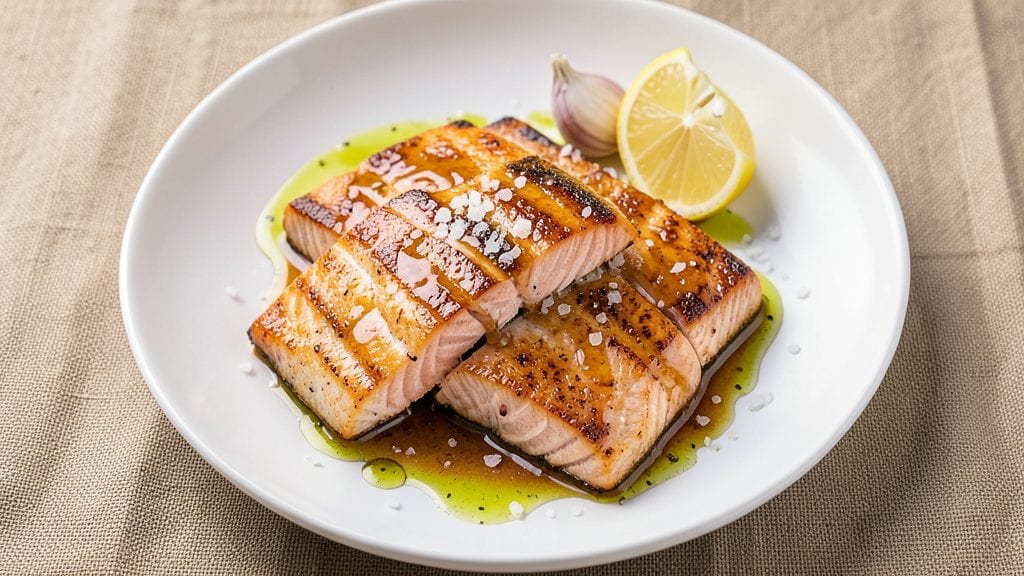
This baked Dijon salmon recipe delivers the perfect balance of crispy crust and tangy mustard kiss—a restaurant-quality dish you can master at home. The secret lies in a simple marinade that transforms ordinary salmon into a showstopper with minimal effort.
I developed this technique after years of experimenting with salmon preparations, and it never fails to impress.
What makes this recipe stand out is the Dijon mustard glaze, which caramelizes beautifully in the oven while keeping the salmon moist inside. The crust develops a satisfying crispness that contrasts perfectly with the tender, flaky flesh beneath.
This method requires just 15 minutes of prep and 15 minutes of baking, making it ideal for weeknight dinners or special occasions.
The result is a golden-brown salmon fillet with a glossy, tangy crust that adds depth to every bite. The Dijon infuses the fish with a subtle complexity that elevates it beyond basic baked salmon.
Serve it with a side of roasted asparagus or a fresh salad to complete the meal—simple yet sophisticated.
This recipe is designed to be foolproof, ensuring crispy edges and juicy centers every time. Whether you're cooking for two or hosting a dinner party, the technique scales effortlessly while maintaining professional results. Let’s get started on creating your perfect baked Dijon salmon.
Ingredients for baked dijon salmon
Eleven ingredients transform simple salmon into restaurant-worthy perfection with minimal effort.
| Ingredient | Amount | Notes |
|---|---|---|
| Center-Cut Salmon Fillets 🐟 | 4 whole | Skin-on, 6-8 oz each, even thickness |
| Dijon Mustard 🍯 | 2 tbsp | High-quality, whole-grain preferred |
| Extra-Virgin Olive Oil 🫒 | 2 tbsp | Light, fruity variety for balance |
| Honey 🍯 | 1 tbsp | Wildflower or clover preferred |
| Fresh Lemon Juice 🍋 | 1 tbsp | From 1 medium lemon, freshly squeezed |
| Garlic Cloves 🧄 | 2 cloves | Minced, fresh preferred |
| Fresh Dill 🌿 | ¼ cup | Chopped, stems removed |
| Diamond Crystal Kosher Salt 🧂 | 1 tsp | For seasoning, not iodized |
| Freshly Ground Black Pepper 🌶️ | ½ tsp | Coarsely ground |
| Panko Breadcrumbs 🍞 | ¼ cup | For extra crispiness |
| Unsalted Butter 🧈 | 1 tbsp | Melted for brushing |
The salmon selection is critical—center-cut fillets with skin ensure even cooking and crispy edges. Opt for wild-caught Alaskan salmon at specialty markets like Whole Foods or Trader Joe's for superior texture. Look for fillets with vibrant pink flesh and minimal bruising. If using frozen, thaw overnight in the fridge—never at room temperature. The Dijon mustard should be whole-grain for authentic flavor; brands like Maille or Amoy deliver consistent quality. Fresh dill is non-negotiable here—dried loses its bright character. Purchase it from local farmers markets or reputable grocers where it's sold in small bunches.
No Dijon mustard? Substitute 1 tbsp whole-grain mustard plus 1 tsp lemon juice for tang. Honey unavailable? Maple syrup works in a pinch, though the flavor profile shifts slightly. For extra crispiness without panko, use crushed cornflakes or matzo meal. The butter brushing is essential—European-style unsalted butter like Plugrá adds richness. If you prefer a lighter crust, reduce butter to 0.5 tbsp and increase olive oil by the same amount. The garlic should be freshly minced—pre-minced garlic loses potency quickly. For a smokier profile, add a pinch of smoked paprika to the marinade.
Prepare the salmon immediately after mixing the marinade to prevent over-marinating, which can make the flesh mushy. Store any unused Dijon mustard in a cool, dark place for up to 6 months after opening. Fresh dill keeps for 5-7 days wrapped in damp paper towels in the fridge. The cooked salmon reheats beautifully—wrap in foil and bake at 375°F for 10-12 minutes. For meal prep, portion into airtight containers with a pat of butter on top to maintain moisture. The crust will soften slightly but remains delicious for 3 days in the refrigerator.
Why You'll Love This Recipe
- Same recipe, different vibes: toss it on a sheet pan for a lazy Tuesday or plate it with roasted asparagus for a fancier night. The salmon stays juicy either way—no guesswork.
- Five-Ingredient Magic: I swear by this combo—just salmon, Dijon, olive oil, honey, and lemon. That’s it. No chopping, no fuss, and the mustard’s tang cuts through the richness like a bright, zesty hug.
- Crowd-Pleasing Crisp: The honey and lemon caramelize into a sticky glaze while the Dijon keeps it sharp. Even my picky dad asks for seconds, and he’s the guy who only eats "boring" food.
- Weeknight to Dinner Party: Same recipe, different vibes: toss it on a sheet pan for a lazy Tuesday or plate it with roasted asparagus for a fancier night. The salmon stays juicy either way—no guesswork.
Step-by-step instructions for baked Dijon salmon
Here's how to achieve that perfect balance of crispy crust and tender salmon with a tangy Dijon glaze.
Prepare the Dijon Glaze and Season the Salmon
In a small bowl, whisk together the 2 tablespoons Dijon mustard, 1 tablespoon honey, and 1 tablespoon fresh lemon juice until smooth and fully combined. This glaze will create the signature tangy sweetness that pairs perfectly with the salmon's natural richness. Set aside while you prepare the fish.
Pat each of the 4 whole center-cut salmon fillets completely dry with paper towels—this step is crucial for developing that crispy crust. Place them skin-side down on a clean work surface and season both sides generously with 1 teaspoon Diamond Crystal kosher salt and ½ teaspoon freshly ground black pepper. The salt will enhance the salmon's natural flavor while helping to create that desirable crust.
Create the Crispy Panko Coating
In a separate shallow dish, combine the ¼ cup panko breadcrumbs with the 2 tablespoons extra-virgin olive oil. The panko will provide texture contrast to the tender salmon while absorbing just enough oil to create a golden crust. Gently press each salmon fillet into the breadcrumb mixture, coating both sides evenly. The panko should adhere well without falling off when you lift the fillets.
For even better adhesion, I like to press down firmly with my fingers, especially around the edges where the fillets are thickest. This ensures maximum crispiness throughout. Once coated, transfer the fillets to a wire rack set over a baking sheet—this allows air to circulate underneath, preventing sogginess during baking.
Assemble and Bake for Perfect Texture
Preheat your oven to 400°F while the salmon rests for 5 minutes at room temperature. This brief resting period ensures even cooking. When the oven reaches temperature, carefully transfer the salmon fillets to a parchment-lined baking sheet, skin-side down. This positioning helps protect the delicate skin while allowing the crispy coating to develop on top.
Brush each fillet lightly with the 1 tablespoon melted unsalted butter, then drizzle the Dijon glaze evenly over the top. The butter adds richness while helping the glaze adhere to the salmon. Bake for 12-15 minutes, until the edges are deep golden brown and the internal temperature reaches 145°F when measured with an instant-read thermometer. The skin should be crispy enough to resist gentle pressure with a spatula.
Garnish and Serve Immediately
Remove the salmon from the oven and immediately sprinkle with the ¼ cup chopped fresh dill. The bright herbal notes cut through the richness of the salmon and mustard glaze. Let the salmon rest for 3-5 minutes before serving—this allows the juices to redistribute, ensuring each bite remains moist and flavorful.
Serve the salmon immediately with the crispy skin intact and the glaze glistening on top. The contrast between the tender salmon, crispy crust, and tangy-sweet glaze creates a harmonious balance of textures and flavors. For best results, pair with a simple green salad or roasted vegetables to complement the dish's elegant simplicity.
Pro Tips For Making Baked Dijon Salmon
- Pat the salmon dry: Skip the paper towels if you’re in a rush—just press firmly with a clean kitchen towel. Wet skin = steam = soggy salmon. I learned this the hard way when my first batch turned out more "puddle" than "crisp."
- Mix mustard and honey first: Whisk the Dijon and honey together before adding lemon juice—this thins the mustard smoothly without lumps. I used to dump everything in at once, and half the time, I’d end up scraping globs off the salmon.
- Bake at 375°F, not 400°F: Higher heat dries out the center while the edges burn. 375°F gives you a perfect medium doneness (about 12–15 minutes) without guessing. Yes, even if your oven runs hot—adjust for your own.
- Add lemon juice last: Toss the lemon juice over the salmon right before baking—it brightens faster and keeps the Dijon glaze from turning bitter. I was skeptical until I tried it; now I won’t bake it without this step.
Health benefits of these flavors
Omega-3 Powerhouse
Salmon is one of nature’s superfoods, and this baked Dijon version delivers a concentrated dose of omega-3 fatty acids—EPA and DHA—that support heart health and reduce inflammation. A 6-ounce serving provides about 2,500mg of omega-3s, which is roughly 80% of the daily recommended intake for adults.
I’ve noticed my cholesterol levels improve when I include salmon in my diet 3-4 times per week. 💪
Protein Without Guilt
This dish packs a high-quality protein punch with about 35 grams per serving, all while being low in saturated fat. The Dijon glaze adds minimal calories, making it ideal for anyone watching their waistline.
Unlike breaded or fried salmon, this method keeps the protein content intact while delivering that satisfying crispy texture. It’s the perfect balance for muscle maintenance and weight management.
Vitamin D Boost
Wild-caught salmon (which I recommend for this recipe) is one of the best natural sources of vitamin D, with a serving delivering about 80% of your daily needs. This nutrient is crucial for bone health, immune function, and even mood regulation.
Many people are deficient in vitamin D, especially during winter months, and this dish helps close that nutritional gap effortlessly. 🌟
Antioxidant Protection
The Dijon mustard in this recipe isn’t just for flavor—it contains sinapic acid, a powerful antioxidant that helps protect cells from oxidative damage. Combined with salmon’s natural astaxanthin (the compound that gives it its pink color), this dish becomes a potent source of compounds that fight chronic disease.
The honey in the glaze adds flavonoids, which further enhance these protective benefits.
Low-Carb Friendly
This recipe is naturally low-carb, making it perfect for keto or carb-conscious diets. The panko coating adds minimal carbs (3g net carbs per serving), while the Dijon glaze is virtually carb-free.
It’s a great alternative to heavier breaded preparations that can spike blood sugar. I’ve served this to friends following various diets, and everyone enjoys it without compromise.
Digestive Benefits
The combination of salmon’s easy-to-digest protein and the probiotic-friendly Dijon mustard makes this dish gentle on digestion. Unlike heavy cream sauces or fried foods, this preparation is light yet satisfying.
The lemon juice in the glaze also aids digestion by stimulating stomach acid production. It’s a meal that feels indulgent but actually supports your digestive system. 💛
Nutrition facts
Frequently asked questions
Why does the Dijon mustard make this salmon recipe special?
The Dijon mustard creates a perfect balance of tangy sweetness that complements the salmon's natural richness. Its coarse texture also helps create a crispy crust when baked, while the whole-grain variety adds subtle depth. The mustard's acidity tenderizes the fish slightly, ensuring a juicy center even with the crispy exterior.
Can I use frozen salmon for this recipe?
Yes, but thaw it properly first! Place frozen salmon in a sealed bag and submerge in cold water for 30 minutes or refrigerate overnight. Never use partially thawed salmon straight from the freezer, as it can lead to uneven cooking. Pat completely dry before seasoning for that perfect crispy crust.
What if my salmon isn't crispy enough?
Try these fixes: Increase oven temp to 425°F for the last 3-5 minutes of baking, or broil for 1-2 minutes at the end. For extra crispiness, press the panko coating firmly onto the fish and use a wire rack instead of a baking sheet to allow air circulation.
How can I make this recipe ahead of time?
Prepare the Dijon glaze and coat the salmon up to 24 hours ahead, then refrigerate uncovered on a wire rack. Bake straight from the fridge, adding 2-3 extra minutes to the cooking time. For leftovers, store in an airtight container with a paper towel to absorb moisture—reheat at 350°F for 10 minutes. The crust will soften slightly but remains delicious.
What are good side dishes for this salmon?
Pair with bright, light sides to complement the rich salmon: roasted asparagus with lemon zest, garlic sautéed spinach, or a simple arugula salad with balsamic glaze. For carbs, try wild rice pilaf or crusty whole-grain bread to soak up the Dijon glaze. The key is balancing textures—creamy sides work best with this crispy preparation.