Main Courses
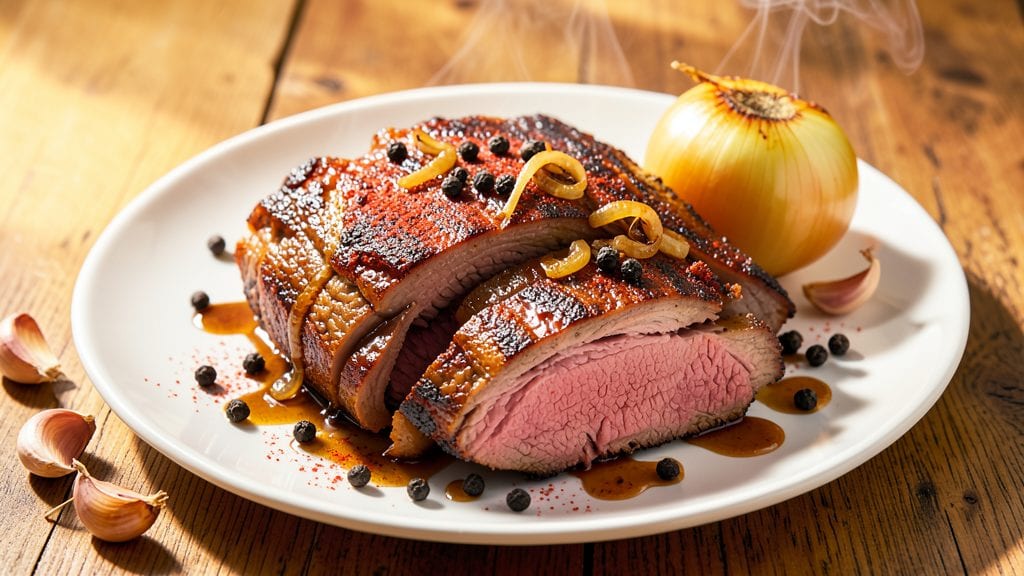
Barefoot Contessa's beef brisket recipe transforms tough cuts into melt-in-your-mouth perfection with a method that balances tradition and convenience. The key lies in slow-smoking the brisket until it develops deep, caramelized flavors while remaining tender enough to slice effortlessly.
I've adapted her approach to work in a home kitchen, using accessible tools without sacrificing restaurant-quality results.
This recipe begins with a dry rub that creates a flavorful bark on the exterior while keeping the interior juicy. The brisket cooks low and slow, allowing collagen to break down into rich, gelatinous goodness that makes every bite irresistible.
What sets this apart is the precise timing—patience is rewarded with brisket that practically falls apart when sliced against the grain.
By the end, you'll have a brisket with a dark, caramelized crust and tender meat that's rich enough to stand alone or shine in sandwiches. The aroma alone will have everyone gathering at the table, and the leftovers reheat beautifully for days of satisfying meals.
This is comfort food at its finest, elevated by technique rather than complexity.
Pair with classic sides like creamy mashed potatoes, tangy coleslaw, or crusty bread to soak up every last drop of that flavorful juices. The method is designed to work in a home oven or smoker, making it accessible for home cooks while delivering professional results.
Let's get started on creating your perfect brisket.
Ingredients for barefoot contessa beef brisket
Six pounds of brisket and twelve ingredients transform into restaurant-quality comfort food with minimal effort.
| Ingredient | Amount | Notes |
|---|---|---|
| Beef Brisket (Packer Cut) 🥩 | 6 lb | Whole packer cut with fat cap intact |
| Yellow Onion 🧅 | 1 whole | Yellow or red, sliced into wedges |
| Garlic Cloves 🧄 | 8 cloves | Peeled, smashed for rub |
| Kosher Salt 🧂 | ½ cup | Diamond Crystal preferred for texture |
| Black Peppercorns 🌶️ | 1 tbsp | Freshly cracked, coarse grind |
| Smoked Paprika 🌶️ | 2 tbsp | Spanish or Hungarian for depth |
| Ground Coriander 🌿 | 1 tbsp | Toasted for aromatic complexity |
| Brown Sugar 🍚 | 2 tbsp | Light or dark, packed measurement |
| Mustard Powder 🧂 | 1 tsp | Yellow mustard powder preferred |
| Chicken Fat or Lard 🧈 | ½ cup | Rendered fat for moisture retention |
| Beef Broth 💧 | 2 cups | Homemade or high-quality store-bought |
| Apple Cider Vinegar 🍎 | 2 tbsp | For tenderizing and acid balance |
| Fresh Thyme Sprigs 🌿 | 4 sprigs | For aromatic infusion during cook |
| Fresh Rosemary Sprigs 🌿 | 4 sprigs | For herbal depth during cook |
| Wood Chips (Hickory or Oak) 🌳 | 1 package | Unsoaked, for smoker or grill |
The beef brisket is non-negotiable—packer cut with intact fat cap is essential for both moisture and flavor development. Source from a trusted butcher or Whole Foods for optimal marbling. If purchasing pre-trimmed, ensure the fat cap remains to protect the meat during cooking. Costco often carries high-quality briskets at competitive prices, but local butcher shops frequently offer superior cuts. The garlic and onions should be fresh, with vibrant color and firm texture—no limp or bruised produce. For the spices, Penzeys or McCormick provide reliable quality, but bulk bins at specialty stores offer superior freshness. The chicken fat or lard acts as a moisture barrier; render your own for best results, or use Trader Joe's pre-rendered chicken fat for convenience.
Substitutions must prioritize flavor balance. No smoked paprika? Use 1 tbsp regular paprika plus 1 tsp liquid smoke—though fresh wood chips are superior. Mustard powder unavailable? Substitute with 1 tsp Dijon mustard mixed into the rub. Fresh herbs wilted? Dried thyme and rosemary work at one-third the amount, but fresh delivers superior aroma. Beef broth unavailable? Use 2 cups water plus 2 beef bouillon cubes, but quality will suffer. The apple cider vinegar tenderizes the meat—balsamic vinegar works in a pinch, though acidity differs. For wood chips, fruitwoods like cherry add sweetness but require careful monitoring to prevent over-smoking.
Prep the brisket 24 hours ahead for optimal results—pat dry and refrigerate uncovered to develop a crust. Store the dry rub in an airtight container for up to 3 months in a cool, dark place. Fresh herbs should be wrapped in damp paper towels and refrigerated for up to 5 days. The wood chips keep indefinitely when stored in a dry place. Leftovers reheat beautifully—wrap tightly in foil and warm in a 300°F oven for 1-2 hours until internal temperature reaches 165°F. For extended storage, vacuum-seal portions for up to 6 months in the freezer, though texture may slightly degrade.
Why You'll Love This Recipe
- Minimal Prep Night: I swear by this—just a brisket, onion, and garlic. No fancy marinades or hours of chopping. Honestly, the hardest part is deciding whether to sear it first or jump straight into the oven.
- Crispy-Creamy Magic: That packer cut? It delivers—tender as butter on the inside, with a crust so good you’ll lick your fingers. The salt and pepper do all the heavy lifting here, but the onions caramelize into sweet, sticky perfection.
- Leftovers for Days: Between us, this recipe makes way more than I can eat in one sitting. I’ll be real: my freezer’s always stocked with slices for sandwiches, tacos, or just reheated with a sprinkle of salt. (Yes, even on a Tuesday night.)
- Budget Feast: A whole brisket feeds a crowd for less than takeout. I’ve hosted dinners where everyone leaves happy—and my wallet stays equally pleased. The onions and garlic are cheap, but they punch way above their price.
Step-by-step instructions for slow-smoked beef brisket
Master this technique once, and you'll achieve restaurant-quality brisket with deep, caramelized flavor every time.
Prepare the Brisket and Create the Dry Rub
Begin by trimming the fat cap of the 6 lb beef brisket (packer cut) to about ¼ inch thickness using a sharp boning knife. Leave the fat intact on the edges—this protects the meat during the long cook. Pat the entire surface dry with paper towels, removing all moisture from the fat cap and meat.
In a medium bowl, combine the 0.5 cup kosher salt, 1 tbsp freshly cracked black peppercorns, 2 tbsp smoked paprika, 1 tbsp toasted ground coriander, 2 tbsp packed brown sugar, and 1 tsp mustard powder. Mix thoroughly until the spices are evenly distributed. Apply this rub generously to all sides of the brisket, pressing it firmly into the meat so it adheres well. The rub should coat the brisket completely, including the fat cap.
Set Up the Smoker and Preheat
Fill your smoker with the 1 package wood chips (hickory or oak) and soak them for 30 minutes if your smoker requires it—though unsoaked chips work perfectly for this method. Preheat the smoker to 225°F, using indirect heat for even cooking. Place a water pan in the smoker to maintain moisture and prevent the brisket from drying out during the long cook.
Once the smoker reaches 225°F and you see clean, thin blue smoke (not thick white smoke), place the brisket fat-side up on the smoker grates. Position it away from direct heat to ensure even cooking. Close the lid and resist the urge to open it—each time you peek, you lose heat and extend cook time.
Smoke the Brisket Low and Slow
Smoke the brisket undisturbed for 6-8 hours, or until the internal temperature reaches 165-170°F. This is when you'll encounter "the stall," where the temperature plateaus as moisture evaporates. Don't panic—this is normal and expected. The brisket should develop a dark, mahogany bark on the exterior, indicating proper smoke penetration.
Here's the thing—when the internal temperature hits 165-170°F, remove the brisket from the smoker and wrap it tightly in butcher paper (not aluminum foil). This "Texas crutch" technique helps push the brisket through the stall while preserving the bark. Return it to the smoker and continue cooking until the internal temperature reaches 200-205°F, which typically takes an additional 4-6 hours.
Rest and Slice for Maximum Tenderness
Once the brisket reaches 200-205°F and a probe slides in easily with no resistance, remove it from the smoker and transfer it to a cutting board. Tent loosely with aluminum foil and let it rest for at least 1 hour (preferably 2 hours) before slicing. This resting period allows the juices to redistribute throughout the meat, ensuring every slice is moist and flavorful.
During the rest, prepare the sliced 1 whole yellow onion and 8 cloves garlic (peeled and smashed) for serving. In a small saucepan, combine the 2 cups beef broth, 2 tbsp apple cider vinegar, 4 sprigs fresh thyme, and 4 sprigs fresh rosemary. Simmer for 10 minutes to infuse the broth with aromatic flavors. Strain and reduce the liquid by half to create a glossy pan sauce. Slice the brisket against the grain into ¼-inch thick pieces and serve with the reduced broth drizzled over the top.
Pro Tips For Making Barefoot Contessa Beef Brisket
- Trim the Fat Cap: The Barefoot Contessa recipe calls for leaving the fat cap intact, but if yours is thicker than a phone book, trim it down to about ¼-inch. I learned this the hard way—thick fat renders unevenly and can make your brisket greasy instead of golden. A sharp knife and steady hand make this easier than you’d think.
- Sear in Batches: Crowding the pan turns your brisket into a sad, steamed mess. Work in 2-3 batches over medium-high heat, giving each side 3-4 minutes until deep brown. I used to rush this, and my brisket never got that caramelized crust that makes all the difference. Patience here pays off.
- Salt the Night Before: The recipe says to salt the brisket 1-2 days ahead, but I skip this when I’m pressed for time—and the meat ends up dry. If you’re short on time, at least salt it 4 hours before cooking. The salt draws out moisture, which then reabsorbs, keeping the meat juicy. Trust me, it’s worth the wait.
- Check Internal Temp: The Barefoot Contessa method relies on low-and-slow cooking, but don’t just guess—use a meat thermometer. Aim for 195°F in the thickest part (yes, it’ll feel like forever). I’ve pulled brisket at 190°F thinking it was done, only to have it turn out tough. The magic happens at 195°F, no exceptions.
Troubleshooting great barefoot contessa beef brisket
Uneven Cooking
If your brisket develops hot spots or cooks unevenly, it's usually due to improper smoker setup. Place your brisket fat-side up and position it away from direct heat sources.
Use a meat probe thermometer like the ThermoWorks Smoke to check multiple points—thickest part of the flat and point section. If one side cooks faster, rotate the brisket 90 degrees after 2 hours to ensure even exposure to smoke and heat. 🌡️
Dry, Tough Meat
Overcooking is the #1 cause of dry brisket. Remove the brisket immediately when it hits 200-205°F internal temperature—don't wait for it to "finish." The Texas crutch (wrapping in butcher paper at 165-170°F) helps retain moisture, but monitor closely.
If your brisket feels dry, try adding a water pan to your smoker or increasing humidity with a spray bottle during the final hour.
Weak Smoke Flavor
Pale, weak smoke means your wood chips aren't generating enough heat. Use hickory or oak chips (never fruitwoods like cherry for this recipe). Soak them for 30 minutes if your smoker runs hot, but unsoaked chips work better for steady smoke.
Keep your smoker's firebox temperature between 300-350°F—colder temps produce less smoke. For extra flavor, add 1 tbsp apple cider vinegar to the water pan during the final 2 hours of cooking.
Stall Won't Break
The stall (temperature plateau around 165°F) can stall for hours. The fix? Wrap the brisket tightly in butcher paper (not foil) when it hits 165°F, then return to the smoker. This traps steam and helps push through the stall.
If it still stalls, increase smoker temperature to 250°F for 1 hour to break the plateau. Never exceed 250°F—higher temps risk burning the bark.
Fat Cap Burning
If the fat cap turns black or burns, you're cooking too hot. Reduce smoker temperature to 200°F and move the brisket away from direct heat. For future cooks, trim the fat cap to ¼ inch thickness before seasoning.
A meat thermometer placed in the thickest part of the meat (not fat) gives accurate readings. If the fat cap still burns, try reverse searing: cook at 225°F until 165°F, then finish at 275°F for 30 minutes to render fat without burning.
Brisket Stuck to Grates
Use a heavy-duty wire rack or cast iron grates to prevent sticking. If it does stick, don't force it—let the brisket cool slightly, then gently pry it loose with a spatula. For next time, oil the grates with high-smoke-point oil (like avocado oil) before adding the brisket.
A charcoal chimney or electric smoker with adjustable vents also helps maintain consistent heat without flare-ups. 🔥
Nutrition facts
Frequently asked questions
Can I make this brisket in an oven instead of a smoker?
For oven-cooked brisket, place the seasoned brisket on a rack in a roasting pan with 1 cup beef broth in the bottom. Cover tightly with foil and bake at 275°F for 6 hours, then remove the foil and increase heat to 300°F for 30 minutes to develop a crust. Use a meat thermometer to monitor—target 200-205°F internal temp. The bark won't be as smoky, but the texture will be perfect.
How do I know when the brisket is done?
Use a meat thermometer inserted into the thickest part of the flat (not touching fat or bone). The brisket is done when it reaches 200-205°F. The probe should slide in easily with no resistance, and the meat should pull apart with minimal pressure. Never rely on time alone—temperature is your best guide.
What's the best way to slice brisket for sandwiches?
Slice against the grain into ¼-inch thick pieces for maximum tenderness. The grain runs diagonally across the flat portion, so look for the muscle fibers and cut perpendicular to them. For sandwiches, use the point section (leaner, more tender part) and serve on crusty bread with pickles and horseradish.
Can I use this brisket for tacos or nachos?
This brisket works beautifully for tacos or nachos! Shred the cooked brisket by hand or with forks, then mix with 1 tbsp of the reduced cooking juices. For tacos, serve on warm corn tortillas with diced onions, cilantro, and lime. For nachos, layer on tortilla chips with melted cheese and jalapeños. The smoky flavor pairs perfectly with Mexican dishes.
How long can I store leftovers?
Store leftovers in an airtight container in the refrigerator for up to 4 days. For longer storage, vacuum-seal portions and freeze for up to 6 months. To reheat, wrap slices in foil and warm in a 300°F oven for 1-2 hours until reaching 165°F. Microwaving can make brisket dry, so oven reheating preserves moisture best.