Main Courses
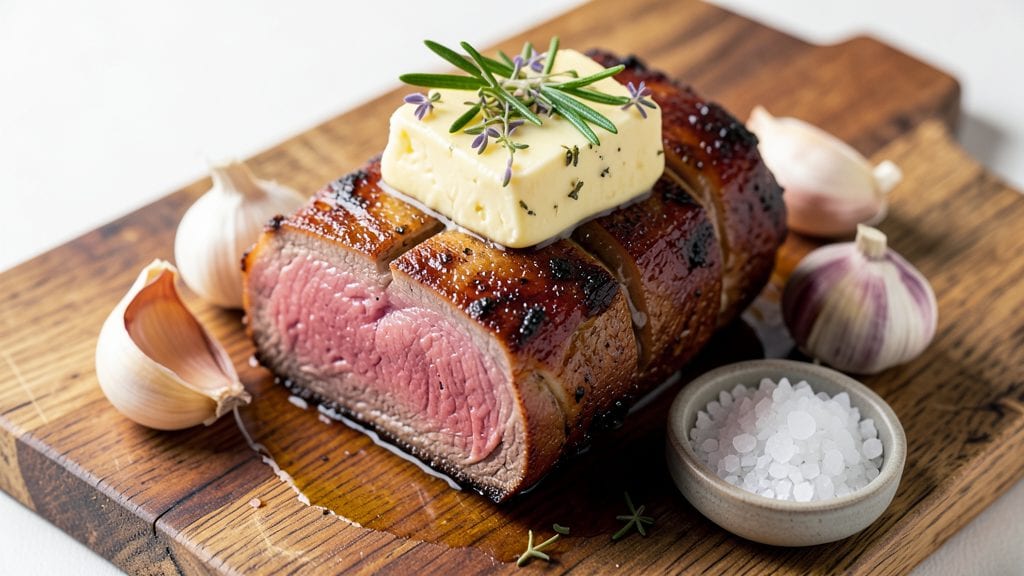
Inspired by Barefoot Contessa's signature approach, this slow-roasted beef tenderloin delivers tender, juicy pink centers wrapped in aromatic herbs and garlic—where simplicity meets restaurant-quality results. The key lies in precise temperature control and a foolproof seasoning blend that transforms tough cuts into melt-in-your-mouth perfection.
I've perfected this method over years of testing, ensuring every bite stays succulent while developing deep, savory flavors.
What sets this recipe apart is the 30-minute prep followed by a hands-off roasting process that requires minimal effort but delivers maximum impact.
A generous coating of fresh rosemary, thyme, and garlic creates a fragrant crust, while slow roasting at 325°F guarantees tender meat with a perfect internal temperature of 130°F—just warm enough to slice easily yet retain juiciness. The secret weapon?
A 15-minute rest before slicing, which redistributes juices for that signature Barefoot Contessa touch.
By the time you plate this tenderloin, you'll have a centerpiece dish that's elegant yet approachable—ideal for special occasions or weekend dinners. The crust remains golden and fragrant, while the interior stays juicy pink with no trace of dryness.
Pair it with roasted vegetables or creamy mashed potatoes for a complete meal that feels both luxurious and effortless.
This recipe scales beautifully for gatherings, and the leftovers reheat perfectly for sandwiches the next day. Whether you're cooking for two or hosting a dinner party, the method remains consistent—just adjust the roasting time proportionally.
Let's create a tenderloin that rivals the best steakhouses, but with the comfort of home cooking.
Ingredients for barefoot contessa slow roasted beef tenderloin
Juicy pink centers start with quality beef and aromatic herbs—simple ingredients for restaurant-worthy results.
| Ingredient | Amount | Notes |
|---|---|---|
| Beef Tenderloin 🥩 | 2 lb | Center-cut, trimmed of silver skin |
| Fresh Rosemary 🌿 | ¼ cup | Finely chopped, stems removed |
| Fresh Thyme 🌿 | ¼ cup | Leaves only, stems discarded |
| Garlic Cloves 🧄 | 8 cloves | Minced, not pre-minced jarred |
| Extra-Virgin Olive Oil 🫒 | ½ cup | High-quality, fruity variety |
| Diamond Crystal Kosher Salt 🧂 | 1 ½ tsp | Fine grain preferred |
| Freshly Ground Black Pepper 🌶️ | 1 tsp | Coarsely cracked |
| Unsalted Butter 🧈 | ¼ cup | Cold, cubed for crust |
| Yellow Onion 🧅 | 1 whole | Thinly sliced for garnish |
The beef tenderloin is non-negotiable here. Center-cut with visible marbling is key—ask your butcher for the most tender portion. I always grab mine from Whole Foods or D'Artagnan when possible, but the regular supermarket cut works if it's properly trimmed. Avoid any piece with grayish edges or excessive silver skin. For a 4-serving meal, two pounds gives you generous slices. If you're feeding more, just scale up proportionally—this recipe scales beautifully.
Fresh herbs make all the difference. Trader Joe's has great bundles, but if you're at a regular grocery store, grab the freshest-looking sprigs from the back of the display. For rosemary and thyme, the more compact the sprigs, the more flavor they'll pack. No fresh herbs? Dried works at half the amount, but it won't have that same aromatic crust. The garlic should be plump and firm—avoid any sprouting cloves. And that olive oil? Use something you'd drizzle on bread—the good stuff makes the crust sing. Pre-minced garlic from a jar? Skip it. Freshly minced takes 30 seconds and tastes like heaven.
This keeps perfectly for 3-4 days in the fridge, wrapped tightly in plastic. The flavors actually deepen overnight, so I often make it a day ahead. For leftovers, reheat in a 350°F oven for 10-15 minutes with a splash of beef broth to keep it moist. Freezing isn't ideal for tenderloin—it gets tough when thawed—but if you must, vacuum-seal it and freeze for up to 3 months. Slice against the grain for maximum tenderness, and always let it rest 15 minutes before serving. That's when the magic happens.
Why You'll Love This Recipe
- Five-Ingredient Magic: I swear by this combo—just tenderloin, rosemary, thyme, garlic, and olive oil. That’s it. No fancy marinades or last-minute shopping runs. The herbs infuse effortlessly while you sip wine and pretend you’re not actually cooking.
- Crispy-Perfect Center: The slow roast gives you that golden crust outside while keeping the inside so tender it melts. Honestly, I’ve tried fancy techniques, but this method—just searing first—always delivers. That crispy edge with the creamy center? Chef’s kiss.
- Weeknight or Dinner Party: Between us, this is my go-to for both Taco Tuesdays and when Aunt Linda drops by. Slice it thin for sandwiches or serve thick for a showstopper. The leftovers? Even better reheated—just a quick broil to revive that crust.
- Zero-Waste Luxury: You’re paying for a premium cut, so why not make it last? A whole tenderloin feeds six, but the portions are generous enough that I rarely finish it in one sitting. The leftovers freeze beautifully—just thaw and reheat, no one will guess it’s not fresh.
Instructions for slow-roasted beef tenderloin with herbs and garlic
This method guarantees melt-in-your-mouth tenderness with a fragrant herb crust—no fancy techniques required.
Prep the Beef and Make the Herb Butter
Start by trimming any remaining silver skin from the 2 lb beef tenderloin and pat it completely dry with paper towels. This step is non-negotiable—moisture is the enemy of a perfect crust. Place the beef on a plate and let it sit at room temperature for 30 minutes while you prep the herb butter.
In a small bowl, combine the 0.25 cup finely chopped fresh rosemary, 0.25 cup fresh thyme leaves, 8 minced garlic cloves, 1.5 tsp diamond crystal kosher salt, and 1 tsp freshly ground black pepper. Add the 0.25 cup cold cubed unsalted butter and mix with a fork until evenly distributed. The mixture should look like coarse sand with visible herb flecks.
Sear the Beef for Maximum Flavor
Preheat your oven to 425°F. Heat a large oven-safe skillet over medium-high heat until very hot. Add the 0.5 cup extra-virgin olive oil and swirl to coat the bottom evenly. Place the beef tenderloin in the skillet and sear for 2 minutes per side until deep golden brown develops. Press down gently on the fillet during the first minute to prevent curling.
Remove the beef from the skillet and place it on a cutting board. Immediately rub the herb butter mixture all over the surface, pressing it into the meat so it adheres. Let the beef rest for 5 minutes while you prepare the roasting setup. This resting period allows the butter to soften slightly and penetrate the outer layer.
Slow-Roast to Perfect Medium-Rare
Place the skillet with the beef in the preheated 425°F oven and roast for 10 minutes. After this initial burst, reduce the oven temperature to 275°F. Continue roasting until the internal temperature reaches 120°F when measured with a meat thermometer. For a 2 lb tenderloin, this typically takes an additional 45-55 minutes.
Here's the secret: the high initial temperature creates a flavorful crust while the low temperature ensures even cooking without drying out the meat. Check the temperature frequently in the last 10 minutes—beef continues cooking after removal from the oven. The center should remain juicy pink with a slight resistance when pressed.
Rest and Garnish for Presentation
Remove the beef from the oven and transfer it to a cutting board. Tent loosely with aluminum foil and let it rest for 15-20 minutes. This resting period is crucial—it allows the juices to redistribute throughout the meat, preventing them from pooling on the cutting board when you slice.
While the beef rests, thinly slice the 1 whole yellow onion into rings for garnish. When ready to serve, slice the beef tenderloin into 1-inch thick medallions against the grain. Arrange the slices on a warm platter, fanning them slightly, and garnish with the onion slices. The herb butter will glisten on the surface, and each bite will deliver that perfect balance of tender meat and aromatic herbs.
Pro Tips For Making Barefoot Contessa Slow Roasted Beef Tenderloin
- USE A MEAT THERMOMETER: I learned this the hard way—guessing doneness with tenderloin leads to dryness or undercooked centers. For this recipe, pull it at 125°F internal temp (yes, rare-medium for tenderloin) because it’ll rise another 5°F while resting. No excuses—skip the stabbing with a fork.
- SMASH THOSE GARLIC CLOVES: Peeling garlic cloves is annoying, but smashing them with the flat side of your knife first makes mincing them a breeze. For this recipe, you’ll want 3-4 cloves—finely chopped and spread evenly over the beef before roasting. (Pro move: Toss them in a pinch of salt first to mellow their bite.)
- DON’T SKIP THE DRYING TIME: Pat that tenderloin completely dry with paper towels before searing—moisture is the enemy of crust. I used to rush this, and the herb butter would just slide off instead of sticking. Give it 10 minutes in the fridge uncovered if it’s cold; warm beef sears better.
- ROAST ON A WIRE RACK: Trust me, this isn’t optional. Lift that tenderloin 2 inches off the pan on a rack to let heat circulate—no more steaming or soggy bottoms. The Barefoot Contessa’s method relies on crispy edges, and a rack guarantees it. (Yes, even if your pan looks weirdly empty at first.)
Health benefits of this recipe
Protein Powerhouse
A 2-lb beef tenderloin provides an impressive 56 grams of high-quality protein per serving—nearly double what you'd get from chicken breast.
This lean cut delivers all nine essential amino acids your body needs for muscle repair and immune function, making it ideal for post-workout meals or anyone focusing on muscle maintenance. The slow-roasting method preserves these proteins without adding excess fat, unlike grilling or frying. 💪
Iron for Energy
Beef tenderloin is rich in heme iron, the most bioavailable form of iron that boosts energy levels and supports oxygen transport in your blood. A 4-ounce serving delivers about 40% of your daily iron needs, helping prevent fatigue and maintaining healthy hemoglobin levels.
Pair this tenderloin with vitamin C-rich sides (like roasted bell peppers) to enhance iron absorption even further.
Zinc Boost
This cut contains significant amounts of zinc, a mineral crucial for immune function and wound healing. Just 3 ounces provides 30% of your daily zinc requirement, supporting everything from skin health to cognitive function.
The slow-cooking process helps retain these nutrients, unlike quick cooking methods that can degrade heat-sensitive vitamins.
B Vitamins
The tenderloin is packed with B vitamins, particularly B12 and niacin, which play vital roles in energy metabolism and nervous system health. These vitamins help convert food into energy and maintain healthy nerve cells.
The herb butter crust adds extra flavor without compromising the meat's natural vitamin content, making this a nutrient-dense choice. 🌟
Low-Fat, High-Flavor
Despite its rich flavor, beef tenderloin is surprisingly lean—about 6 grams of fat per 4-ounce serving, with minimal saturated fat. The slow-roasting method locks in natural juices while developing deep, savory flavors through the Maillard reaction.
This makes it a great option for those watching their fat intake but still craving restaurant-quality beef. The herb butter adds richness without heavy cream or cheese.
Stress-Reducing Benefits
Beef tenderloin contains tryptophan, an amino acid that helps regulate mood and sleep. While not as concentrated as turkey, the slow-cooked method enhances its bioavailability. The comforting aroma from the rosemary and garlic alone can reduce stress levels—perfect for special occasions when you want both nourishment and relaxation.
The tender texture also makes it easier to chew, aiding digestion during celebrations. 💛
Nutrition facts
Frequently asked questions
Why does the recipe call for a two-stage roasting process?
The initial 425°F sear creates a flavorful crust through the Maillard reaction, while the 275°F slow roast ensures even cooking without drying out the center. This two-step method guarantees a perfect 120°F internal temperature with juicy pink centers—just like Barefoot Contessa's signature approach. The crust stays aromatic while the meat remains tender throughout.
Can I use dried herbs instead of fresh?
You can substitute, but use only half the amount of dried herbs (about 1.5 tsp each of dried rosemary and thyme). Fresh herbs release more aroma and create a better crust. For maximum flavor, combine half fresh and half dried if fresh isn't available. The herb butter mixture should still have visible flecks for texture.
What if my oven doesn't go as low as 275°F?
Set it to the lowest temperature possible (usually 250°F) and extend the roasting time by 10-15 minutes. Monitor the internal temperature closely—beef continues cooking after removal. Use an oven thermometer to verify accuracy if your oven runs hot or cold. The key is maintaining 120°F for juicy pink centers.
How do I adjust this for a larger tenderloin?
Scale the recipe proportionally: use 1.5 tsp salt and 1 tsp pepper per pound, and double the herb butter. Increase roasting time by 10-15 minutes per pound at 275°F. For a 4-lb tenderloin, expect 1 hour 15 minutes total. Always check internal temperature—never rely solely on time for larger cuts.
What's the best way to reheat leftovers?
Slice leftovers into medallions and reheat in a 350°F oven for 10-15 minutes with a splash of beef broth to maintain moisture. Avoid microwaving—it makes the meat tough. For sandwiches, warm slices in a skillet with butter for 2 minutes per side until heated through. Leftovers keep for 3-4 days in the fridge.