Soups & Stews
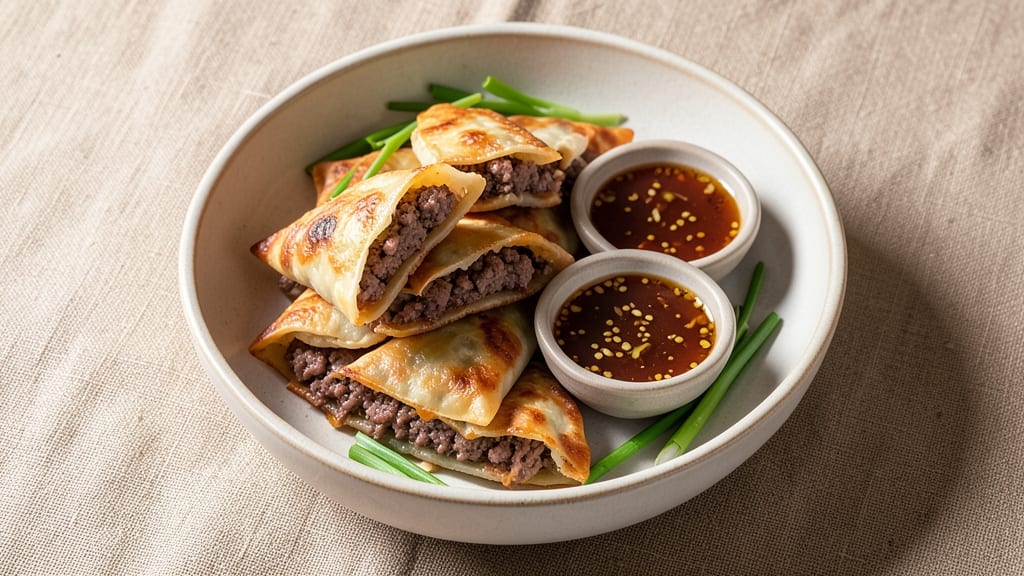
Mastering beef gyoza means balancing crispy golden edges with juicy fillings that burst with flavor—this recipe delivers both without compromise. I developed it after years of trial and error in my kitchen, refining the technique to ensure every dumpling achieves that perfect texture.
The secret lies in precise ingredient ratios and a two-stage cooking method that guarantees foolproof results.
This recipe starts with a finely minced beef filling seasoned with garlic, ginger, and a touch of soy sauce for depth. The dumpling wrappers are delicate but sturdy enough to hold their shape during pan-frying, creating those signature caramelized edges while keeping the filling tender inside.
Unlike many recipes that rely solely on steaming, this method combines pan-frying for crispiness with a quick steam to ensure the centers stay moist.
By the time you're done, you'll have a plate of gyoza with crispy golden-brown bottoms and juicy fillings that practically melt in your mouth. The aroma alone—garlicky, umami-rich, with a hint of sesame—will have everyone at the table reaching for seconds.
Serve with a dipping sauce of soy, rice vinegar, and chili oil for the full experience.
Whether you're making these for a dinner party or a weeknight meal, this recipe scales perfectly while maintaining restaurant-quality results. The technique is straightforward once you understand the key steps, and the ingredients are simple but transformative when combined correctly. Let's get started on your gyoza journey!
Ingredients for beef gyoza
Crispy edges meet juicy fillings with these 14 essential ingredients—no shortcuts, just restaurant-quality gyoza.
| Ingredient | Amount | Notes |
|---|---|---|
| Ground Beef (Chuck or Lean Beef) 🥩 | 1 lb | Finely minced for even texture |
| Gyoza Wrappers (Square Dumpling Wrappers) 🍠 | 16 pieces | Store-bought or homemade, ~3-inch square |
| Garlic Cloves 🧄 | 4 cloves | Mince finely for aromatic depth |
| Fresh Ginger 🌿 | 1 ½ tbsp | Finely grated, aromatic quality |
| Light Soy Sauce 🍶 | 2 tbsp | Kikkoman preferred for balance |
| Sesame Oil 🫒 | 1 tbsp | Toasted sesame for nutty aroma |
| Vegetable Oil (for Pan-Frying) 🫒 | ½ cup | High smoke point, neutral flavor |
| All-Purpose Flour 🌾 | 2 tbsp | For dusting wrappers |
| Green Onions 🧅 | 2 whole | Thinly sliced, for garnish |
| Chili Oil 🔥 | 1 tbsp | For finishing, optional |
| Rice Vinegar 🍶 | 2 tbsp | For dipping sauce |
| Diamond Crystal Kosher Salt 🧂 | ½ tsp | Fine grain for delicate seasoning |
| Ground White Pepper 🌶️ | ¼ tsp | Subtle heat, no discoloration |
| Water (for Steaming) 💧 | 1 cup | Room temperature for even steaming |
The beef is the foundation, so chuck roast ground fine delivers the best texture—lean ground beef works but lacks marbling for juiciness. Kroger or Costco carry pre-ground chuck at reasonable prices, but if buying whole, freeze it first to tenderize. Garlic and ginger should be freshly minced (pre-minced lacks aroma), and Kikkoman soy sauce strikes the perfect balance between saltiness and umami. Sesame oil adds depth, but toasted sesame oil from Trader Joe's or Asian markets elevates the flavor—regular sesame oil tastes flat in comparison. For wrappers, Taiso or Nissin brands are standard in professional kitchens, but any high-quality store-bought wrappers work.
No chuck roast? Ground pork at 50% lean mimics the texture, but beef remains superior for umami. Substitute freshly grated ginger powder at half the amount if needed, though fresh is non-negotiable for authentic flavor. The vegetable oil for pan-frying must have a high smoke point—Avocado oil is ideal, but canola or peanut oil work in a pinch. For the dipping sauce, substitute apple cider vinegar if rice vinegar is unavailable, though the flavor profile shifts slightly. The chili oil can be homemade (chili flakes + neutral oil) or store-bought, but avoid overly spicy varieties—Lao Gan Ma mild chili oil is a safe bet.
Store gyoza wrappers in the freezer until use—they crisp up beautifully when cold. The beef filling keeps 2 days refrigerated or 3 months frozen in an airtight container. For pan-frying, work in batches of 8-10 dumplings to avoid overcrowding, which steams instead of crisps. Leftover dumplings reheat best in a steamer basket over boiling water for 3-4 minutes—microwaving ruins the texture. The dipping sauce components last 1 week refrigerated, but assemble it fresh for optimal flavor.
Why You'll Love This Recipe
- 20-Minute Filling: I swear, the prep is that fast—just mince the beef, toss in minced garlic and ginger, and fold. No chopping mountains, no waiting forever. Honestly, the hardest part is deciding whether to pan-fry or steam them.
- Umami Bomb: That combo of chuck beef, light soy, and fresh ginger? It’s like a flavor grenade in the best way. The wrappers get crispy at the edges while staying tender inside—crunch meets chew in every bite.
- Party or Pantry: Make a big batch for game day snacks or freeze half for lazy Mondays. They’re just as good reheated as they are fresh. My college friends still ask for these when I visit—no fancy setup, just pure satisfaction.
- Budget Crunch-Saver: Ground chuck stretches far, and wrappers cost pennies. A pound of beef makes 30+ dumplings, so you’re feeding a crowd without breaking the bank. Leftovers? Even better cold in salads or fried up again.
Step-by-step instructions for beef gyoza with crispy edges
Master these techniques and you'll achieve restaurant-quality gyoza with perfectly crispy edges and juicy fillings every time.
Prepare the Filling with Precise Seasoning
In a medium bowl, combine the 1 lb ground beef (chuck or lean beef) with the 4 cloves minced garlic cloves, 1.5 tbsp finely grated fresh ginger, 2 tbsp light soy sauce, 0.5 tsp diamond crystal kosher salt, and 0.25 tsp ground white pepper. Mix thoroughly with your hands until the ingredients are evenly distributed and the beef begins to break down slightly. This ensures maximum flavor infusion and prevents dry fillings.
For optimal texture, I like to let the mixture sit at room temperature for 5 minutes while I prepare the wrappers. This brief rest allows the seasonings to penetrate the meat more deeply. The filling should be moist but not wet—if it appears too dry, add 1 teaspoon of rice vinegar to help bind it together. This step is crucial for achieving that signature juicy center in your gyoza.
Assemble and Shape the Gyoza with Uniform Folds
Place the 16 gyoza wrappers (square dumpling wrappers) on a clean, flat surface. Using a small spoon or your fingers, place 1 tablespoon of filling in the center of each wrapper. I find that using a spoon gives more precise portions and prevents overfilling, which can cause leaks during cooking.
To create the classic pleated fold, dip your finger in water and moisten the edge of the wrapper. Fold one corner diagonally over the filling, then fold the adjacent corners over the first fold, pressing firmly to seal. The final fold should create a small pleat at the top. This technique ensures a tight seal that holds during pan-frying and steaming. Work quickly but deliberately—these should be airtight to prevent filling from escaping.
Pan-Fry Until Golden Brown and Crispy
Heat 0.5 cup vegetable oil (for pan-frying) in a large skillet over medium-high heat until the oil shimmers but doesn't smoke. Add the gyoza in a single layer, leaving space between each for even browning. Cook undisturbed for 3-4 minutes until the bottoms develop a deep golden brown color and crispy texture. This is where the magic happens—the Maillard reaction creates that irresistible crunch.
Gently flip each gyoza using a pair of tongs and cook for another 2-3 minutes until the second side is equally crispy. Don't overcrowd the pan or the oil temperature will drop, leading to soggy wrappers. Remove the gyoza to a plate and set aside while you prepare the steaming step. The pan should retain enough heat to continue cooking the next batch if needed.
Steam to Perfection for Juicy Interiors
Return the skillet to medium heat and add 1 cup water (for steaming). Bring to a gentle simmer, then carefully place the gyoza back into the skillet in a single layer. Cover with a tight-fitting lid and steam for 5-6 minutes. You'll know they're perfectly cooked when the wrappers puff slightly and the filling is hot throughout but still juicy.
During this time, prepare the dipping sauce by combining 2 tbsp rice vinegar and 1 tbsp chili oil in a small bowl. Thin with 1 teaspoon of water if needed to achieve a smooth consistency. The steam should create a slight sheen on the wrappers, indicating they've absorbed just enough moisture to become tender without losing their crispiness.
Finish with Garnishes and Serve Immediately
Remove the gyoza from the skillet and transfer to a serving plate. Drizzle each with 1 teaspoon sesame oil and garnish with thinly sliced green onions. The sesame oil adds a nutty aroma that complements the savory filling, while the green onions provide a fresh contrast. Serve immediately with the prepared dipping sauce on the side for dipping.
Each gyoza should have a crispy, caramelized exterior that gives way to a juicy, flavorful filling. The contrast between the crispy edges and tender interior is what makes these gyoza so satisfying. For best results, consume within 15-20 minutes while they're at their peak texture. The filling will continue to release juices as it cools, so serving immediately ensures maximum enjoyment.
Pro Tips For Making Beef Gyoza
- Freeze the Filling First: After mixing your ground beef with garlic, ginger, and soy sauce, spread the mixture thin on a plate and freeze it for 20 minutes. This firms up the fat so it renders beautifully when cooking—no more greasy, soggy wrappers. I used to skip this, and my gyoza always turned out greasy, no matter how much oil I drained.
- Use Cold Wrappers: Keep your gyoza wrappers in the fridge until you’re ready to fill them—don’t let them sit out. Cold wrappers are easier to handle and less likely to tear when sealing. I learned this after a frantic session where I had to re-wrap half my batch because the dough got too soft.
- Steam, Don’t Boil: For pan-frying, use a splash of oil and a splash of water—just enough to create steam when the pan hits high heat. This mimics traditional steaming and keeps the wrappers tender while getting that golden crust. Boiling them in oil alone makes them rubbery, and I’ve ruined more gyoza that way than I’d like to admit.
- Salt the Water: Add a teaspoon of salt to the water you use for steaming or boiling. It seasons the wrappers from the inside out, cutting through the richness of the beef filling. I was skeptical—until I tasted the difference. Now I never skip it.
Wine and beer pairings for these flavors
Japanese Sake Pairings
For an authentic experience, pair your beef gyoza with a dry junmai sake like Dassai 23 or Suzu 18. These premium Japanese sakes have clean, crisp profiles that cut through the richness of the beef filling while complementing the umami from the soy sauce.
The subtle sweetness in junmai sakes balances the savory-sweet contrast of the dumplings beautifully. Serve your sake slightly chilled (45-50°F) to enhance its aromatic qualities. 🍶
Crisp White Wine Options
A dry Riesling from Germany or a Sauvignon Blanc from New Zealand provides excellent acidity to match the crispy edges of your gyoza. Look for wines with citrus notes—like Dr. Loosen Blue Slate Riesling or Oyster Bay Sauvignon Blanc—which refresh your palate between bites.
The slight tartness helps cleanse the richness of the beef filling, making each bite feel lighter. Avoid overly oaky whites that would overpower the delicate flavors.
Light Lager Complements
If you prefer beer, a crisp Japanese lager like Asahi Super Dry or Sapporo Premium Beer is ideal. These beers have a light body and subtle hop bitterness that won’t compete with the gyoza’s flavors.
For a craft option, try a Belgian witbier such as Hoegaarden—its coriander and citrus notes add a refreshing contrast to the savory dumplings. Serve both beers well-chilled (38-42°F) to enhance their crispness.
Spicy Dipping Sauce Enhancements
If your dipping sauce includes chili oil, consider pairing it with a lightly sweetened sake cocktail like a Sake Martini (equal parts sake and dry vermouth with a dash of chili oil).
The sweetness of the vermouth balances the heat, while the sake’s umami depth ties into the gyoza’s filling. For a non-alcoholic option, a ginger beer with a squeeze of lime adds a zesty kick that complements the spice beautifully. 🌶️
Avoid Heavy or Oily Pairings
Skip heavy red wines like Cabernet Sauvignon or bold beers such as stouts—they’ll overwhelm the delicate balance of flavors in your gyoza. Instead, focus on drinks with bright acidity or light effervescence that highlight the dumplings’ textures.
Even a simple green tea (sencha) served warm pairs surprisingly well, offering a subtle earthiness that complements the sesame and soy notes in the dish.
Nutrition facts
Frequently asked questions
Can I use store-bought gyoza wrappers for this recipe?
Store-bought wrappers work perfectly—brands like Taiso or Nissin are standard in professional kitchens. Just ensure they're 3-inch squares and thaw completely before using. For extra crispiness, chill them in the freezer for 10 minutes before wrapping.
What's the best way to prevent leaks during cooking?
Seal your gyoza tightly with a wet finger along the edges and press firmly when folding. Overfilling is the #1 cause of leaks—use 1 tablespoon of filling per wrapper. Pro tip: Let the filling rest 5 minutes before wrapping to help it bind better.
Can I make these ahead of time?
Yes! Assemble the gyoza and freeze them on a tray before transferring to a bag. Cook from frozen by pan-frying 1 minute longer per side. For reheating, steam for 3-4 minutes—microwaving ruins the texture. The filling stays juicy when frozen properly.
How do I get extra crispy bottoms without burning?
Use high-heat oil (375°F) and cook in batches of 8-10 gyoza for 3-4 minutes undisturbed. A nonstick skillet prevents sticking, and avocado oil has the highest smoke point. If oil smokes too much, reduce heat slightly.
What if my wrappers tear while folding?
Keep your workspace dry and dust wrappers lightly with all-purpose flour to prevent sticking. If they tear, patch with a small piece of wrapper or use a 1-inch square to cover the hole. Practice folding a few test dumplings first—they get easier with repetition!