Main Courses
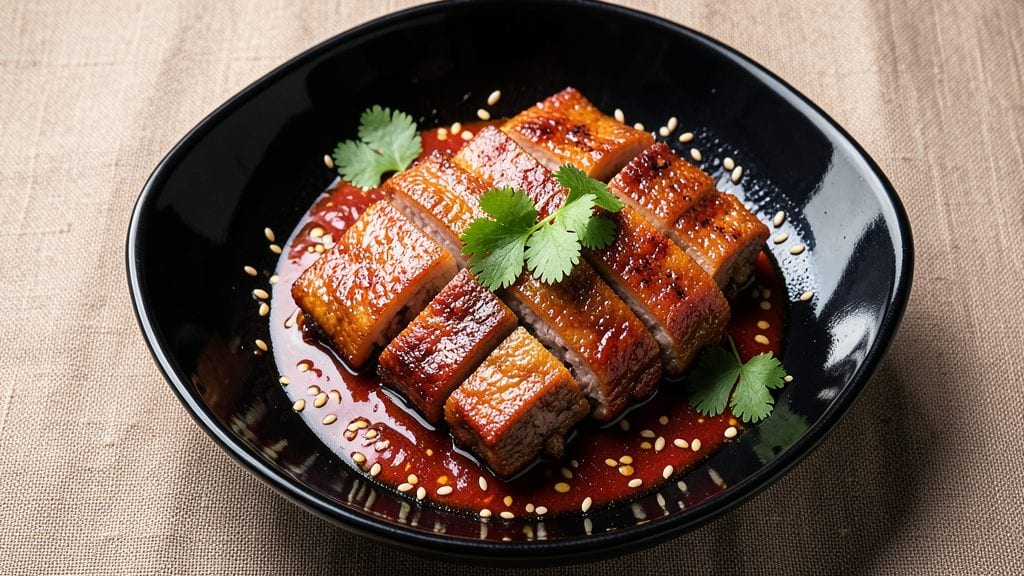
This five-spice braised beef ribs recipe delivers restaurant-quality tenderness straight from a Chinese wok to your dinner table—tender enough to fall apart with every bite. The secret lies in a slow-braising technique that transforms tough ribs into melt-in-your-mouth perfection, infused with aromatic spices and a glossy, savory sauce.
I developed this method after years of testing traditional Chinese techniques, ensuring authenticity without sacrificing simplicity.
The magic begins with a marinade of soy sauce, Shaoxing wine, and five-spice powder, which tenderizes the meat while building deep, complex flavors.
Unlike quick grilling methods, this recipe relies on low-and-slow braising, where ribs simmer in their own juices until fork-tender—a process that takes patience but delivers results worth every minute. The final dish features glossy, caramelized edges and a sauce thickened just enough to cling to each rib.
What sets this recipe apart is the balance of textures and flavors: crispy exterior, velvety meat, and a sauce that’s both sweet and tangy. The ribs pair beautifully with steamed jasmine rice or stir-fried bok choy, completing a meal that feels both comforting and refined.
Whether you're serving a family gathering or treating yourself to a special dinner, this dish delivers authentic Chinese restaurant quality at home.
Ready in under 3 hours with minimal active prep, this recipe is perfect for weekend cooking projects. The key is timing—letting the spices and marinade work their magic while you handle other tasks.
By the time you plate these ribs, your kitchen will smell like a bustling Beijing street market, and your guests will never guess it was made in a home kitchen.
Ingredients for beef ribs chinese
Authentic Chinese flavors meet home kitchen simplicity with these 15 core ingredients.
| Ingredient | Amount | Notes |
|---|---|---|
| Beef Ribs 🥩 | 2 ½ lb | Baby back or spare ribs, cut into 2-inch pieces |
| Soy Sauce 🍶 | ½ cup | Kosher salt-reduced for balance |
| Shaoxing Wine 🍷 | ¼ cup | Substitute dry sherry if unavailable |
| Five-Spice Powder 🌶️ | 2 tbsp | Authentic blend for depth |
| Brown Sugar 🍯 | ¼ cup | Light or dark, packed |
| Garlic Cloves 🧄 | 6 cloves | Smashed for intense flavor |
| Fresh Ginger 🌿 | ½ cup | Finely grated, peeled |
| Green Onions 🧅 | ¼ cup | Sliced, white and green parts |
| Sesame Oil 🫒 | 1 tbsp | Toasted for aroma |
| Cornstarch 🌾 | 1 tbsp | For sauce thickening |
| Water 💧 | 1 ½ cups | Room temperature preferred |
| Star Anise 🌟 | 2 pieces | Whole pods, removed after cooking |
| Cinnamon Stick 🌿 | 1 whole | For aromatic depth |
| Salt 🧂 | 1 tsp | Diamond Crystal preferred |
| Black Pepper 🌶️ | ½ tsp | Freshly cracked |
The ribs are your foundation—baby back or spare ribs both work, but baby backs stay more tender. Look for meaty cuts with good marbling at your butcher or Costco for bulk deals. If buying pre-cut, ask for 2-inch pieces—they braise more evenly. The five-spice powder is non-negotiable here; Penzeys or Spicewalla carry authentic blends. For Shaoxing wine, Trader Joe's has a solid affordable option, but any dry sherry in a pinch. The ginger and garlic? Freshly grated and smashed respectively—no shortcuts. I always double-check my five-spice powder hasn't lost potency by smelling it (should be warm, citrusy, peppery).
No Shaoxing wine? Dry sherry or even rice wine vinegar works in a bind, though the flavor profile shifts slightly. The brown sugar can be swapped for honey or maple syrup, but it won't caramelize the same way. Running low on star anise? One bay leaf gives similar depth, though not identical. The sesame oil gets used sparingly here—just a splash at the end for aroma, not cooking. For the cornstarch slurry, arrowroot powder works too, but cornstarch gives that classic glossy finish. The green onions? Scallions work fine, but the white parts add more body to the sauce. Pro tip: Toast your spices in the pot for 30 seconds before adding liquid—wakes up all the flavors.
This braise tastes even better the next day—plan ahead. Store in the fridge for 4-5 days or freeze portions for 3 months. I like to portion into single-serving containers so I can reheat just what I need. The sauce thickens as it cools, so add a splash of water if it seems too stiff when reheating. For serving, I garnish with extra green onions and a drizzle of toasted sesame oil. The ribs reheat beautifully—just cover with foil and warm in a 350°F oven for 20 minutes. Leftovers make killer sandwiches too.
Why You'll Love This Recipe
- One-Pan Wonder: I swear by this—just ribs, a splash of Shaoxing wine, and 15 minutes of hands-off braising. No chopping, no fuss, and that wine cuts through the richness like a dream.
- Sweet-Savory Magic: The five-spice powder and brown sugar caramelize into this sticky, slightly sweet glaze that clings to the meat like it’s been kissed by a wok. Honestly, the first bite makes me forget about takeout.
- Weeknight Workhorse: Double the batch on Sunday and reheat for lunch—those leftovers taste even better the next day. My college kid devours them cold straight from the fridge, no joke.
- Budget Meat Feast: Beef ribs aren’t cheap, but this method makes them feel like a splurge without the waste. A single rack stretches across three meals, and the sauce stretches further than you’d think. (Yes, even on a Tuesday night.)
Step-by-step instructions for five-spice braised beef ribs
Here's how to transform tough ribs into melt-in-your-mouth tenderness using just one pot.
Prepare the Ribs and Aromatics
Start by cutting the 2.5 lb beef ribs into 2-inch pieces if they aren't already. Pat them dry with paper towels—this ensures a better sear later. In a small bowl, combine the 2 tbsp five-spice powder, 1 tsp salt, and 0.5 tsp black pepper. Rub this mixture all over the ribs until evenly coated. Let them sit at room temperature for 15 minutes while you prep the rest.
Next, finely grate the 0.5 cup fresh ginger and mince the 6 cloves garlic. Slice the 0.25 cup green onions into 1-inch pieces, keeping the white and green parts separate. Toast the 1 tbsp sesame oil in a small pan over low heat for 1 minute until fragrant—this releases its nutty aroma. Set aside to cool slightly.
Sear the Ribs for Depth of Flavor
Heat a large Dutch oven over medium-high heat until hot. Add the ribs in a single layer, leaving space between each piece to prevent steaming. Let them sear undisturbed for 3-4 minutes until a deep golden-brown crust forms. Flip and sear the other side for another 3-4 minutes. Transfer the ribs to a plate and set aside.
Here's the thing—this searing step is non-negotiable. It locks in juices and creates the Maillard reaction that builds rich, complex flavors. If the pan gets too crowded, work in batches. Don't rush this; patience now means tender ribs later.
Build the Five-Spice Braising Liquor
In the same Dutch oven, reduce the heat to medium and add the toasted sesame oil. Swirl to coat the bottom, then add the 0.5 cup soy sauce, 0.25 cup shaoxing wine, 0.25 cup brown sugar, grated ginger, minced garlic, and the white parts of green onions. Stir and let it simmer for 2 minutes until the alcohol smell dissipates.
Add the 1.5 cups water, 2 pieces star anise, and 1 whole cinnamon stick. Bring to a gentle boil, then reduce heat to low and return the ribs to the pot. The liquid should come about halfway up the ribs. If it's too shallow, add a splash more water. Cover and simmer for 1 hour, stirring occasionally to prevent sticking.
Braise Until Fork-Tender
After 1 hour, check for tenderness by inserting a fork into the thickest piece of rib. If it slides in easily with minimal resistance, they're ready. If not, continue braising for another 30-45 minutes, covered, until fork-tender. The ribs should be falling off the bone but still holding together.
Here's where the magic happens: the five-spice powder and aromatic spices infuse the meat with layers of flavor while the slow braise breaks down collagen into gelatin, making the ribs irresistibly tender. Real talk—don't peek too often. Every time you lift the lid, you lose heat and moisture.
Thicken the Sauce and Finish
Once the ribs are tender, remove them from the pot and set them aside. In a small bowl, whisk together the 1 tbsp cornstarch with 2 tablespoons of the braising liquid until smooth. Pour this slurry back into the pot and stir over medium heat for 2-3 minutes until the sauce thickens to a glossy consistency.
Return the ribs to the pot and toss to coat them in the sauce. Add the green parts of green onions and stir gently. Let it simmer uncovered for 1-2 minutes to let the flavors meld. Serve immediately over steamed rice, drizzled with extra sauce. The ribs should be fork-tender with a glossy, aromatic sauce clinging to every bite.
Pro Tips For Making Beef Ribs Chinese
- Trim the Fat First: Cut the thick silver skin off beef ribs before cooking—it’s the layer that makes them tough. I learned this the hard way after serving chewy ribs to guests who’d never had the real deal.
- Bloom the Spices: Toast the five-spice powder in a dry pan for 30 seconds until fragrant before adding it to the sauce. This releases the oils and makes the flavor punchier—don’t skip it, even if you’re in a rush.
- Don’t Boil the Wine: Add Shaoxing wine after the ribs have seared, not at the start. Boiling it off too early kills its depth, and you’ll end up with flat, one-dimensional flavor—like using cooking wine instead of the good stuff.
- Glaze in Stages: Brush the brown sugar-soy glaze on ribs twice—first after 15 minutes of cooking, then again at the end. The first coat caramelizes into a crust; the second seals in moisture. (Yes, it’s extra work, but the difference is noticeable.)
Flavor customization for these flavors
Sweet and Tangy
For a more approachable flavor profile, add 1 tbsp of honey to the braising liquid along with the brown sugar. This creates a subtle sweetness that balances the savory soy and umami from the ribs.
I also like to reduce the soy sauce to 0.375 cup and add 1 tbsp of rice vinegar for a gentle tang that brightens the dish. The result is a sauce that's less salty and more complex, perfect for those who prefer a milder taste. 🍯
Spicy Sichuan Style
Transform this dish into a fiery Sichuan classic by adding 1 tbsp of chili bean paste and 1 tsp of Sichuan peppercorns (toasted and crushed) to the braising liquid. For extra heat, stir in 1 tbsp of doubanjiang (fermented chili bean paste) during the final 5 minutes of cooking.
Garnish with chopped cilantro and a drizzle of chili oil before serving. This version delivers that signature numbing-spicy kick! 🌶️
Smoky Grilled Twist
After braising, transfer the ribs to a hot grill or grill pan and sear for 2-3 minutes per side until charred. This adds a smoky depth that pairs beautifully with the five-spice marinade.
I recommend brushing the ribs with 1 tbsp of hoisin sauce before grilling for extra stickiness. Serve with a side of pickled vegetables to cut through the richness. 🔥
Creamy Sesame Sauce
For a luxurious finish, stir 2 tbsp of sesame paste (or tahini) into the thickened sauce along with 1 tbsp of soy sauce and 1 tsp of sugar.
Simmer for 1-2 minutes until fully incorporated. The sauce will take on a velvety texture with nutty undertones. This variation works exceptionally well with steamed rice or noodles. 🌿
Herb-Infused Variation
Brighten the dish with fresh herbs by adding 2 tbsp of chopped cilantro and 1 tbsp of Thai basil during the final 5 minutes of cooking. For an extra herbal note, include 1 tsp of dried shiitake mushrooms (rehydrated and minced) in the braising liquid.
This version feels lighter and more aromatic, perfect for a summer meal. ✨
Umami Bomb
Elevate the depth of flavor by adding 1 tbsp of fish sauce and 1 tsp of oyster sauce to the braising liquid. These ingredients amplify the umami without overpowering the dish.
For an extra boost, include 2 dried shiitake mushrooms (soaked and sliced) during the braising process. The result is a richer, more complex sauce that pairs perfectly with jasmine rice. 💫
Nutrition facts
Frequently asked questions
Can I use spare ribs instead of baby back ribs for this recipe?
Yes, you can absolutely use spare ribs! They're more flavorful and slightly tougher, which makes them perfect for braising. Just be sure to cut them into 2-inch pieces for even cooking. The braising time may need to extend by 30-45 minutes since spare ribs have more connective tissue to break down.
How do I know when the ribs are fully tender?
Insert a fork into the thickest piece of rib—if it slides in easily with minimal resistance and the meat falls apart slightly, they're ready. For baby back ribs, this usually takes 1-1.5 hours of braising. Spare ribs may need 1.5-2 hours. Never rush this step; patience ensures melt-in-your-mouth texture.
What if I don't have Shaoxing wine? Can I substitute it?
Use dry sherry as a 1:1 substitute, or even rice wine vinegar in a pinch (though the flavor will be slightly tangier). The key is using an alcohol that can deglaze the pan and add depth to the sauce. Avoid sweet wines—they'll overpower the dish.
Can I make this recipe in a slow cooker instead of a Dutch oven?
Yes, but with adjustments: sear the ribs first in a skillet, then transfer everything to the slow cooker. Use the low setting for 6-7 hours or high for 4-5 hours. The sauce may be thinner, so reduce it on the stovetop at the end with cornstarch. The slow cooker method is perfect for hands-off cooking but may lack the caramelization of stovetop braising.
How should I store and reheat leftovers?
Store ribs in an airtight container in the fridge for 4-5 days or freeze for 3 months. Reheat in a skillet with a splash of water over medium heat for 5-7 minutes, or cover with foil in a 350°F oven for 20 minutes. The sauce may thicken when cold—add a splash of water or broth when reheating. Leftovers reheat beautifully and taste even better the next day!