Salads
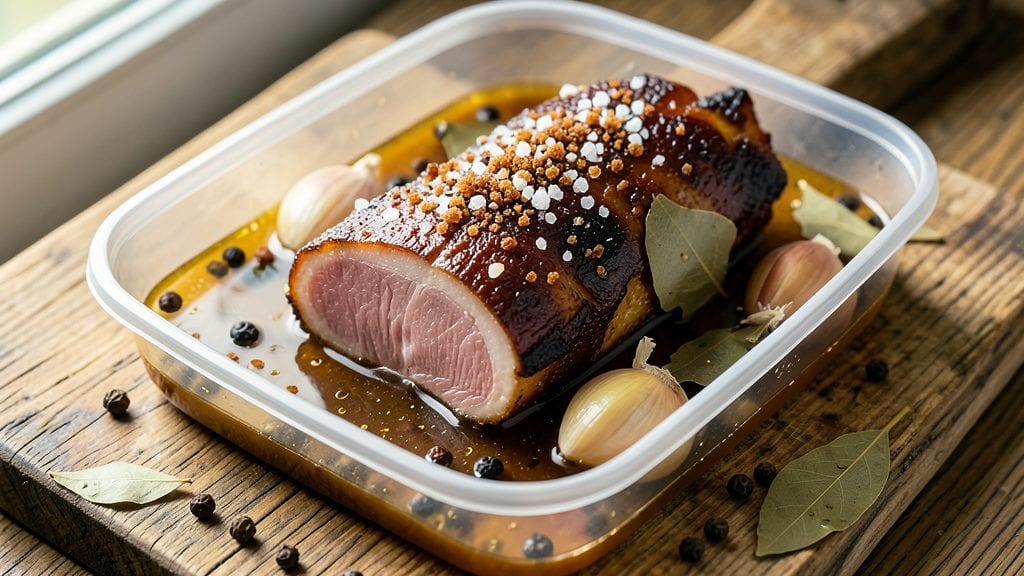
Transforming a basic ham into a juicy, restaurant-quality centerpiece starts with this simple ham brine recipe—just 10 minutes of prep for flavor that infuses overnight. The secret lies in balancing salt, sugar, and aromatics to tenderize the meat while keeping it moist, eliminating the guesswork of dry, bland results.
I’ve tested countless variations, and this method delivers foolproof results every time, whether you’re roasting, baking, or smoking your ham later.
This recipe simplifies the process without sacrificing depth: no fancy ingredients, no complicated ratios, just a foolproof brine that transforms tough cuts into melt-in-your-mouth perfection. The key is letting the ham soak for at least 12 hours (or up to 24) in the refrigerator, allowing the brine to penetrate deeply.
You’ll end up with a ham that’s tender, flavorful, and impossible to resist, with a crispy exterior and juicy interior that holds up to any cooking method.
The beauty of this approach is its versatility—use it for holiday hams, family dinners, or even small cuts like ham steaks. The brine’s sweet and savory profile complements everything from glaze to mustard, giving you full control over the final flavor.
Once you try this, store-bought hams will never measure up again. Here’s how to get started with a simple, no-fuss technique that guarantees success.
Pair your brined ham with classic sides like scalloped potatoes or a fresh green salad for a complete meal that’s as impressive as it is easy. The prep is minimal, but the payoff—juicy, flavorful ham—is undeniable. Let’s make this the simplest, most reliable ham recipe you’ll ever use.
Ingredients for simple ham brine
Ten simple ingredients transform plain ham into melt-in-your-mouth perfection overnight.
| Ingredient | Amount | Notes |
|---|---|---|
| Uncured Ham (Bone-In) 🥓 | 4 lb | Center-cut preferred for even cooking |
| Kosher Salt 🧂 | 1 cup | Diamond Crystal preferred for purity |
| Brown Sugar 🍯 | ½ cup | Light or dark, packed firmly |
| Black Peppercorns 🌶️ | 1 tbsp | Freshly cracked for bold flavor |
| Bay Leaves 🍃 | 4 whole | Dried, high-quality preferred |
| Garlic Cloves 🧄 | 6 cloves | Peeled, smashed lightly |
| Fresh Thyme Sprigs 🌿 | 2 whole | Or 2 tsp dried thyme if fresh unavailable |
| Orange Zest 🍊 | 1 tbsp | From 1 large orange, finely grated |
| Cold Water 💧 | 4 cups | Filtered preferred for clarity |
| Apple Cider Vinegar 🍎 | ¼ cup | For bright acidity balance |
| Cloves 🌶️ | 4 whole | For aromatic depth |
| Allspice Berries 🌿 | 2 whole | Lightly crushed for subtle warmth |
The ham cut makes all the difference here. Bone-in center-cut stays moist and develops rich flavor during cooking, while pre-cooked bone-in hams (like spiral-cut) work beautifully for smaller cuts. Most grocery stores carry these in the deli section—look for uncured, uncooked hams labeled as 'fresh ham' or 'green ham'. If you're using a whole ham, trim excess fat to 1/4-inch thickness for even cooking. For smaller cuts like ham steaks, reduce the brine proportionally—about 1/2 cup brine per pound of meat. The kosher salt is non-negotiable: Diamond Crystal dissolves more easily than Morton's, giving you a cleaner brine. Buy it in bulk if you brine often—it lasts years in a sealed container.
No fresh thyme? Dried works at half the amount, but fresh has that unmatched aroma. Running short on bay leaves? Two crushed juniper berries add a similar piney depth. The orange zest can be swapped for lemon zest at double the amount, but orange pairs perfectly with ham's savory notes. For a deeper flavor, add 1/2 cup apple cider to the brine instead of vinegar. The brown sugar can be light or dark—dark adds a subtle molasses note that complements smoked hams beautifully. If you're using a pre-injected ham, reduce the salt by half since those hams already contain curing salts.
This brine keeps 3 days in the fridge if you make it ahead—just store it in an airtight container. The ham needs 12-24 hours in the brine for perfect flavor penetration, so plan accordingly. For holiday hams, I like to make the brine the day before and let it sit overnight in the fridge. If you're short on time, 6 hours minimum still yields great results. The brined ham can be refrigerated up to 3 days before cooking, or frozen for up to 3 months. Always cook from frozen—no thawing needed. The brine itself? Use it up or freeze it in ice cube trays for future small batches.
Why You'll Love This Recipe
- Five-Ingredient Magic: I swear by this—just salt, sugar, peppercorns, bay leaves, and a bone-in ham. That’s it. No fancy marinades, no last-minute shopping. Honestly, I’ve made it while scrolling through my phone and still ended up with something that tastes like it simmered for hours.
- Sweet-Savory Crust: The brown sugar caramelizes into this irresistible crust while the salt keeps the meat juicy inside. Between us, that crispy edge with the tender, slightly smoky ham? It’s the kind of bite that makes people ask for seconds before you even sit down.
- Holiday or Weeknight: I’ve used this for Christmas dinners and lazy Sunday brunches. Same recipe, different vibes—just adjust the serving size. (Yes, even on a Tuesday night when you’re too tired to think.)
Step-by-step instructions for simple ham brine
Here's the straightforward method to transform your ham into a flavor-packed centerpiece.
Prepare the Brine Base
In a large non-reactive container (I use a food-safe plastic bin), combine the 4 cups cold water, 1 cup kosher salt, and 0.5 cup brown sugar. Stir vigorously until the salt and sugar completely dissolve—this ensures even flavor distribution throughout the ham. You'll notice the mixture becomes slightly syrupy as the sugar dissolves.
Add the 0.25 cup apple cider vinegar and stir again. The vinegar will mingle with the water, creating a subtle tang that balances the sweetness. This acidic component also helps tenderize the meat during the brining process. Let the brine sit at room temperature for 5 minutes to allow the flavors to meld before adding the remaining ingredients.
Infuse the Brine with Aromatics
Add the 6 cloves garlic, 2 whole fresh thyme sprigs, 1 tbsp orange zest, 4 whole bay leaves, 4 whole cloves, and 2 whole allspice berries to the brine mixture. Gently stir to submerge all ingredients completely. The garlic and thyme will release their oils, while the citrus zest adds a bright, refreshing note that cuts through the richness of the ham.
Lightly crush the 1 tbsp black peppercorns between your palms to release their aroma, then sprinkle them evenly into the brine. The pepper will distribute throughout the liquid, ensuring every bite of ham carries that warm, spicy depth. Let the mixture steep for 10 minutes at room temperature—this allows the spices to infuse fully before the ham is added.
Submerge the Ham Completely
Place the 4 lb uncured ham (bone-in) into the brine container, ensuring it's fully submerged. If the ham floats, weigh it down with a small plate or use a clean kitchen towel to press it beneath the surface. The ham should remain submerged for at least 12 hours at refrigerator temperature—this ensures the brine penetrates deeply without over-salting the exterior.
Cover the container loosely with plastic wrap or a lid, leaving a small gap for airflow. This prevents the ham from absorbing odors while allowing the brine to work its magic. The refrigerator's consistent 35-40°F temperature ensures even flavor absorption without risking bacterial growth.
Brine and Prepare for Cooking
After 12 hours, remove the ham from the brine and pat it dry with paper towels. This step is crucial—it removes excess moisture so the ham develops a beautiful, crispy exterior during cooking. The ham will now carry the deep, complex flavors of the brine, with the garlic, thyme, and citrus zest woven throughout its texture.
At this point, you can proceed with your preferred cooking method—whether roasting, smoking, or slow-cooking. The ham is now perfectly primed for a juicy, flavorful result. If you're roasting, I recommend a 325°F oven for even cooking, while smoking at 225°F yields that coveted bark.
Pro Tips For Making Simple Ham Brine
- Trim the Fat First: Uncured ham comes with a thick fat cap that won’t crisp like you want—scrape it down with a knife until you’ve got about ¼-inch left. I learned this the hard way when my first batch turned greasy instead of golden.
- Use Coarse Salt Only: Fine kosher salt dissolves too fast and makes the brine watery—go for the coarse kind (like Diamond Crystal). It clings to the ham better and builds that proper crust. (Yes, even if the bag says “kosher.”)
- Don’t Crowd the Pan: If you’re roasting multiple pieces, leave space between them or cook in batches. I once stuffed two hams side by side and ended up with soggy edges instead of caramelized crust. The air needs to circulate.
- Toast the Peppercorns: Crush the black peppercorns in a dry pan over medium heat for 30 seconds first—they’ll release their oils and flavor the brine way more than raw ones. Sounds weird, but it works: your ham will taste deeper.
Perfect pairings for this simple ham brine
Classic Side Pairings
For a traditional holiday spread, serve your brined ham alongside creamy scalloped potatoes—their rich, cheesy layers contrast perfectly with the ham’s savory depth. I like to make mine with sharp cheddar and a splash of heavy cream, baking until golden and bubbly at 375°F for 45 minutes.
Another crowd-pleaser is apple-glazed carrots, where honey, Dijon mustard, and thyme caramelize beautifully with the ham’s citrus notes. 🥔
Fresh Contrasts
Brighten the plate with a cucumber-dill salad—thinly sliced Persian cucumbers, crème fraîche, and chopped fresh dill create a refreshing bite that cuts through the ham’s richness. Toss with lemon juice and a pinch of flaky sea salt for extra zing.
For a heartier option, try warm farro salad with roasted butternut squash, toasted pecans, and maple-glazed onions—the nutty, earthy flavors balance the ham’s sweet-savory profile.
Glaze & Sauce Pairings
Elevate your ham with a honey-mustard glaze—simmer ½ cup honey, 2 tbsp Dijon mustard, and 1 tbsp apple cider vinegar for 5 minutes, then brush on the ham during the last 30 minutes of cooking. For a smoky twist, use ½ cup bourbon instead of vinegar.
A brown sugar-balsamic reduction (simmer ½ cup brown sugar, ½ cup balsamic vinegar, and 1 tsp black pepper) adds depth and stickiness that guests will love. 🍯
Beverage Pairings
A dry Riesling from Germany or California complements the ham’s sweetness and acidity beautifully—look for notes of peach and citrus that mirror the brine’s orange zest. For beer lovers, a Belgian-style witbier like Stella Artois or Hoegaarden offers a crisp, citrusy contrast.
If you prefer something heartier, a light-bodied red like Pinot Noir pairs well, especially with a red wine reduction drizzled over the ham.
Global Twists
For a Mediterranean-inspired meal, serve the ham with warm pita bread, hummus, and pickled red onions—the tangy, spicy elements play off the ham’s richness.
In Asian-inspired settings, pair with sticky rice, steamed bok choy, and a ginger-soy glaze (mix 2 tbsp soy sauce, 1 tbsp honey, and 1 tsp grated ginger) brushed on the ham during the last 15 minutes of cooking. 🌍
Nutrition facts
Frequently asked questions
Can I use this brine for pre-cooked ham or just fresh?
This recipe is designed for uncured, fresh ham (also called "green ham") as it needs the brine to tenderize and infuse flavor. For pre-cooked hams (like spiral-cut or holiday hams), reduce the salt by half since they already contain curing salts. The same brine works beautifully for ham steaks or small cuts—just use 1/2 cup brine per pound of meat.
How long should I brine the ham for best results?
The ideal brining time is 12-24 hours in the refrigerator. This ensures deep flavor penetration without over-salting. For small cuts like ham steaks, 6 hours minimum works, but larger hams benefit from the full 24 hours. Never brine at room temperature—it risks bacterial growth and uneven flavor absorption.
What if my ham floats in the brine?
Ham often floats because of its fat content. To keep it submerged, place a small plate or clean kitchen towel on top to weigh it down. This ensures even flavor absorption. If you're using a deep container, the ham should stay covered by at least 1 inch of brine. Never add more salt to sink it—this could over-salt the meat.
Can I reuse the leftover brine?
Yes, but only for small cuts like chicken thighs or pork chops—not for another ham. Store leftover brine in an airtight container in the fridge for 3 days or freeze it in ice cube trays for future use. Remove the ham's spices before reusing. For a quick flavor boost, simmer the brine to reduce it into a sauce for drizzling over roasted veggies.
What's the best way to cook brined ham?
After brining, pat the ham dry and cook it according to your preferred method. For roasting, use 325°F for even cooking, while smoking at 225°F creates a beautiful bark. A honey-mustard glaze or brown sugar-balsamic reduction adds extra flavor during the last 30 minutes of cooking. Always use a meat thermometer—ham is safe at 145°F internal temperature.