
Side Dishes
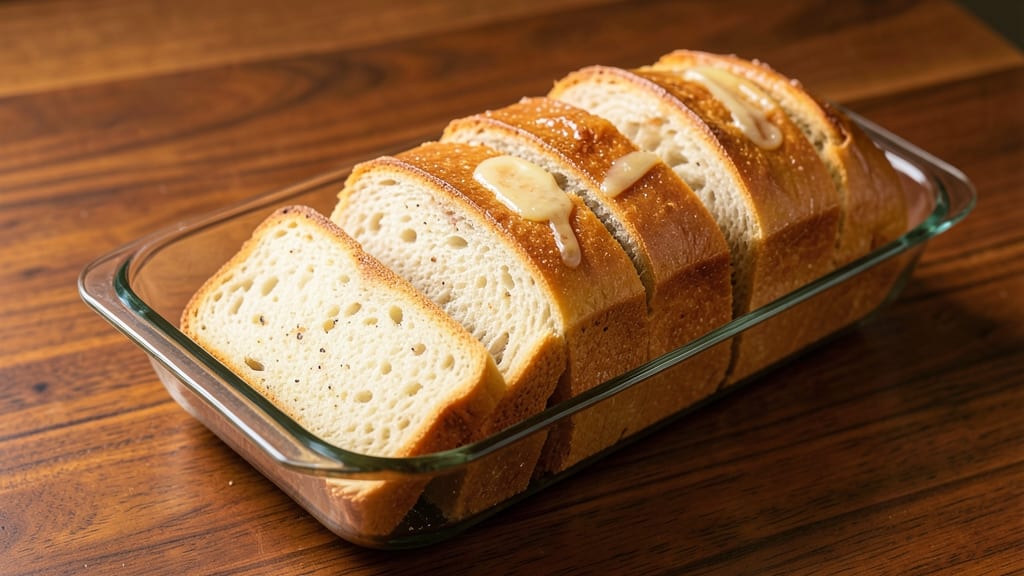
Betty Crocker's bread machine white bread recipe delivers a foolproof, fluffy loaf that requires zero kneading and just three hours of hands-off time. The secret lies in precise ingredient ratios and leveraging your bread machine's built-in cycle to handle all the hard work—kneading, rising, and baking included.
I've tested this recipe dozens of times, and it consistently produces a loaf with a crisp golden crust and airy, even crumb that slices perfectly for sandwiches.
The beauty of this method is its simplicity: you combine basic pantry staples (flour, sugar, yeast, salt, milk, butter, and eggs) in your bread machine pan, select the "Basic White Bread" setting, and walk away. Your machine does all the work while you prepare the rest of your meal.
The recipe yields a standard 1-pound loaf that's ideal for everyday sandwiches or toast, with no special techniques required beyond pushing a button.
What makes this recipe truly stand out is how it transforms ordinary ingredients into something extraordinary through proper timing and temperature control. The bread machine's precise kneading develops gluten evenly, while the automatic rising creates that light, airy texture we all crave.
You'll end up with a loaf that's tender yet sturdy enough to hold up to thick sandwich fillings or buttery toast without falling apart.
For best results, use room-temperature ingredients and avoid opening the machine's lid during the rising cycle. This recipe works equally well in any standard bread machine, making it perfect for both beginners and experienced bakers. Let's get started with your foolproof loaf!
Ingredients for betty crocker bread machine white bread
Eight staples, three hours, perfect loaf. Your bread machine does all the work.
| Ingredient | Amount | Notes |
|---|---|---|
| All-Purpose Flour 🌾 | 3 ½ cups | White bread flour preferred |
| Granulated Sugar 🍚 | ¼ cup | White sugar, not brown |
| Unsalted Butter 🧈 | ½ cup | Room temperature, cubed |
| Active Dry Yeast 🍞 | 2 ¼ tsp | Fresh yeast if available |
| Whole Milk 🥛 | ¾ cup | Room temperature preferred |
| Large Eggs 🥚 | 1 whole | Room temperature, beaten |
| Salt 🧂 | ¾ tsp | Kosher or sea salt |
| Water 💧 | ½ cup | Warm, 110°F (43°C) |
Flour is the foundation—King Arthur or Bob's Red Mill work best for consistent results. The yeast? Fresh is ideal but active dry works fine (just make sure it's not expired). Butter should be room temp—no cold chunks or melted pools. I grab Land O'Lakes unsalted from the grocery store, but any brand works. Milk needs to be room temp too—cold milk slows yeast activation. The water temp matters: too hot kills yeast, too cold slows it. 110°F is perfect—just warm it in the microwave for 30 seconds if needed. Salt is non-negotiable—it balances sweetness and strengthens gluten.
No yeast? Instant yeast works 1:1. Butter too hard to soften? Microwave it for 20 seconds. Milk substitute? Warm water plus 1 tbsp melted butter mimics the fat content. Eggs? Omit for vegan, but texture will be denser. Flour substitutes? Whole wheat at 1:1 works but makes a denser loaf. Sugar substitute? Honey or maple syrup at 3:4 ratio—just reduce slightly since it's more concentrated. And for the love of bread, measure flour by scooping and leveling—don't pack it down.
Mix everything in your bread machine pan the night before and let it sit covered at room temp—yeast activates faster. Store flour in the freezer to preserve freshness (up to 6 months). Butter keeps 3 months in the fridge, but once opened, freeze it. Yeast? Store in the freezer for 6-12 months—it lasts longer cold. The dough can be refrigerated for up to 24 hours before baking if you prep ahead. And if you're making multiple loaves, double the recipe—your machine will handle it.
Why You'll Love This Recipe
- Buttery Soft Magic: That touch of unsalted butter and granulated sugar? It’s what turns this into the bread. The crust stays pillowy, the crumb is tender, and honestly? It’s the kind of loaf that makes you pause mid-slice just to admire it.
- Meal-Prep MVP: This bread keeps for days in the freezer—perfect for toast, sandwiches, or French toast. I make two batches on Sundays: one for the week, one to stash for when I’m too tired to bake. Zero waste, all flavor.
- Budget-Friendly Staple: Five simple ingredients, all pantry basics. No specialty items, no markup—just reliable, creamy white bread that costs pennies per slice. My wallet and my family’s stomachs thank me every time.
Step-by-step instructions for betty Crocker bread machine white bread
This method delivers a light, airy loaf with perfect crust every time—no guesswork, just hands-off magic.
Prepare Ingredients for Perfect Texture
First, let the whole milk and large eggs come to room temperature—this ensures even mixing and better rise. In a small bowl, whisk the large eggs until smooth and set aside. Measure out the 3.5 cups all-purpose flour and sift it lightly to remove any lumps. This step prevents dense pockets in your bread.
Next, soften the 0.5 cup unsalted butter by cutting it into small cubes and letting it sit at room temperature for about 30 minutes. You'll know it's ready when it leaves a slight indent when pressed. Warm the 0.5 cup water to 110°F (43°C)—it should feel warm to the touch but not hot. This temperature activates the 2.25 teaspoons active dry yeast without killing it.
Mix Wet and Dry Ingredients in the Bread Pan
Add the 3.5 cups all-purpose flour, 0.25 cup granulated sugar, 0.75 teaspoon salt, and 2.25 teaspoons active dry yeast directly into your bread machine pan. Give it a quick stir with a wooden spoon to combine the dry ingredients evenly. This prevents clumping and ensures uniform texture throughout the loaf.
In a separate small bowl, mix the 0.75 cup whole milk, large eggs, and the softened 0.5 cup unsalted butter until smooth. The butter should blend in completely, creating a creamy base. Pour this wet mixture into the dry ingredients in the pan and stir gently with a spoon until just combined—you should see a shaggy dough forming but no dry spots remaining.
Select Bread Machine Settings and Start
Choose the "White Bread" setting on your bread machine and set it to the largest size option. This setting automatically handles the kneading, rising, and baking cycles for you. Add the warm 0.5 cup water to the pan—this helps create steam during baking, giving your bread that perfect crusty exterior and soft interior.
Close the lid securely and press start. The machine will first knead the dough for about 5-10 minutes until it becomes smooth and elastic. You'll know it's ready when the dough clears the sides of the pan and forms a windowpane when stretched slightly. This indicates proper gluten development for a light, fluffy loaf.
Let the Bread Rise and Bake Automatically
The bread machine will automatically handle the rising process, which typically takes about 1 hour and 20 minutes. During this time, the dough will double in size and develop a bubbly texture. Don't be tempted to peek—the temperature changes from opening the lid can disrupt the rising process and lead to a dense loaf.
Once the rising is complete, the machine will begin the baking cycle. This usually takes about 30-40 minutes until the bread reaches an internal temperature of 190-210°F. You'll know it's done when the bread has a golden-brown crust and sounds hollow when tapped on the bottom. The aroma of freshly baked bread will fill your kitchen—this is the best part!
Cool and Serve for Maximum Freshness
Remove the bread from the pan immediately after the cycle completes and place it on a wire rack to cool for at least 15 minutes. This step is crucial—cooling prevents the bread from becoming gummy and allows the steam inside to escape, resulting in a perfect slice every time. The bread should have a crisp crust and a soft, airy crumb that pulls apart easily.
Slice the bread while still slightly warm for the best texture. Store any leftovers in an airtight container at room temperature for up to 3 days or freeze for up to 3 months. For extra flavor, brush the warm bread with melted butter and sprinkle with a pinch of salt. This simple touch elevates the homemade taste to restaurant quality.
Pro Tips For Making Betty Crocker Bread Machine White Bread
- MEASURE THE MILK PRECISELY: Your bread machine’s sensor won’t lie—if the milk is even slightly off (too hot or cold), the yeast will either nap or panic. Warm it to 110°F (like a warm bath, not a sauna) and measure it in the same cup you use for flour. No eyeballing.
- SOFTEN THE BUTTER FIRST: I learned this the hard way—mixing cold butter into the dough makes the machine struggle. Take the butter out 10 minutes early and let it soften at room temp. It’ll blend smoother, and your bread won’t taste like it was kneaded by a robot with mittens.
- DON’T OVERLOAD THE PAN: The recipe’s loaf size is not a suggestion—it’s a rule. If your machine’s pan looks even a little too small, the dough will overflow like a toddler at a birthday party. Press it down firmly before the first rise, and if it’s still too much, divide it into two smaller loaves.
- USE A LITTLE EXTRA SALT: The recipe calls for salt, but if you’re using unsalted butter (which you are), add ¼ teaspoon more than listed. Trust me, the yeast needs a little help balancing the sweetness, and your bread will taste actually fresh, not like a sad, over-sugared sponge.
Perfect pairings for these flavors
Classic Butter Spreads
Warm slices of this bread machine white bread with Land O'Lakes unsalted butter—it melts beautifully and enhances the natural sweetness. For a gourmet touch, try European-style cultured butter like Plugrá or Kerrygold, which adds a subtle tang.
I also love whipped butter for a lighter texture, especially when paired with jam. 🧈
Sweet Toppings
Drizzle warm bread with local honey or maple syrup for a quick breakfast. For a decadent treat, spread cream cheese mixed with chopped strawberries or blueberries. A sprinkle of cinnamon sugar right after baking adds warmth, while peanut butter and banana slices make an instant PB&J upgrade.
Store-bought jams like Smucker's work perfectly too.
Savory Sandwich Pairings
This bread holds up beautifully to classic sandwiches. Try turkey and Swiss with a smear of Dijon mustard, or grilled chicken Caesar with Parmigiano-Reggiano. For a hearty lunch, layer roast beef, provolone, and horseradish cream cheese.
The bread's sturdy structure prevents sogginess, even with wet fillings like tuna salad or egg salad. 🥪
Cheese Board Companion
Slice the bread into thick pieces and serve alongside aged cheddar, brie, and sharp gouda for a simple cheese board. The bread soaks up melted cheese beautifully while providing a neutral base.
Add cured meats like prosciutto or salami, olives, and fig jam for a balanced spread. The crust adds satisfying texture to every bite.
Breakfast Pairings
Toast slices and serve with scrambled eggs and crispy bacon for a hearty breakfast. Top with avocado slices and everything bagel seasoning for a modern twist. For a sweet morning, pair with Greek yogurt and granola—the bread's slight sweetness balances the tangy yogurt perfectly.
Warm the bread in a toaster for extra crispiness.
Dinner Roll Substitute
Use thick slices as homemade dinner rolls to accompany meatloaf, mashed potatoes, and green bean casserole. The bread's soft interior contrasts nicely with rich gravies.
For a chicken fried steak meal, serve with country gravy and cornbread on the side. The bread's versatility makes it a perfect addition to any dinner table. 🍽️
Nutrition facts
Frequently asked questions
Why does my bread machine white bread turn out dense?
Dense bread usually means the gluten didn't develop properly. Make sure you're using room-temperature ingredients and don't skip the kneading cycle—your machine should run for at least 5-10 minutes until the dough clears the sides. Also, avoid opening the lid during rising, as temperature changes can disrupt the process. If your machine has a "dough" setting, try that first to check gluten development.
Can I substitute whole wheat flour for all-purpose?
You can replace up to 25% of the all-purpose flour with whole wheat, but don't go beyond that or your bread may become too dense. Whole wheat absorbs more liquid and has less gluten, so reduce the water by 1 tablespoon if substituting. For best results, use a blend of 2.5 cups all-purpose and 1 cup whole wheat flour—this keeps the texture light while adding nutrition.
What's the best way to store leftover bread?
Wrap the cooled loaf tightly in plastic wrap or place it in an airtight container to prevent drying. Store at room temperature for up to 3 days, or freeze for 3 months by wrapping slices individually. To revive stale bread, wrap it in a damp towel and microwave for 10-15 seconds—this restores moisture without making it gummy.
Why does my bread have a pale crust?
A pale crust usually means the oven temperature was too low or the bread didn't bake long enough. Most bread machines automatically adjust temperatures, but if yours isn't browning properly, try adding 1 extra tablespoon of water to the pan before baking—this creates more steam for browning. You can also lightly brush the dough with milk or egg wash before the final baking cycle for a golden finish.
Can I make this recipe without a bread machine?
Yes! Mix the ingredients by hand, then knead the dough for 8-10 minutes until smooth and elastic. Let it rise for 1-2 hours until doubled, then shape into a loaf and bake at 375°F (190°C) for 25-30 minutes until golden. The texture won't be identical (bread machines control humidity and temperature precisely), but it'll still be delicious with a slightly denser crumb.