
Soups & Stews
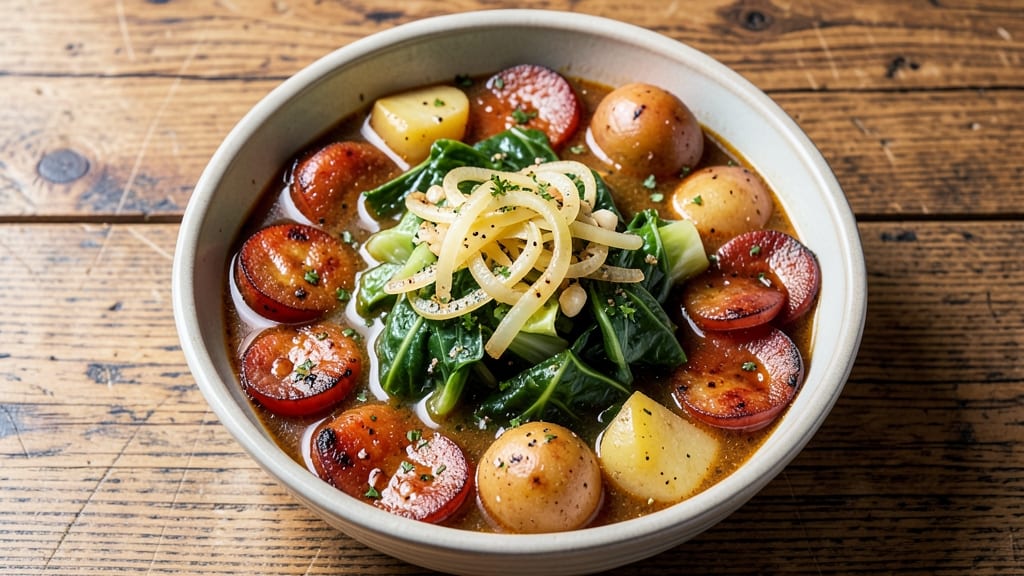
Betty Crocker's cabbage soup delivers the comforting, hearty flavors of a classic family meal with minimal effort. This recipe transforms simple ingredients into a rich, spiced broth packed with tender cabbage, savory sausage, and a medley of vegetables that simmer into perfect harmony.
I've perfected this version over years of testing, ensuring every bite delivers that familiar warmth and depth Betty Crocker fans expect.
The beauty of this soup lies in its approachable technique—no fancy skills required, just basic prep and patience. You'll start with sautéed onions and garlic as the flavor foundation, then build layers of taste with smoked sausage, potatoes, and carrots before adding the cabbage.
A blend of spices and broth creates that signature hearty flavor, while a final simmer ensures all ingredients meld together perfectly. The result is a soup that's both satisfying and nourishing, perfect for chilly evenings.
What makes this recipe stand out is its versatility—serve it as a standalone meal with crusty bread or pair it with sandwiches for a complete spread. The bold spices and hearty vegetables create a soup that's rich yet light, filling without being heavy.
Each spoonful delivers that comforting blend of smoky sausage, tender cabbage, and savory broth that makes this a staple in any kitchen.
Ready in under an hour, this cabbage soup is the ideal solution for busy weeknights when you crave something warm, hearty, and full of flavor. The instructions are straightforward, the ingredients are simple, and the results are always impressive. Let's get cooking!
Ingredients for betty crocker cabbage soup
Simple ingredients that build bold, comforting flavors—just like Betty Crocker intended.
| Ingredient | Amount | Notes |
|---|---|---|
| Yellow Onion 🧅 | 1 ½ lb | Medium dice for even cooking |
| Garlic Cloves 🧄 | 6 cloves | Minced for aromatic base |
| Smoked Sausage 🥓 | 1 lb | Kielbasa or andouille preferred |
| Russet Potatoes 🥔 | 2 lb | Diced into 1-inch pieces |
| Carrots 🥕 | 1 ½ lb | Sliced into thin rounds |
| Green Cabbage 🥬 | 2 lb | Shredded, core removed |
| Celery Stalks 🥬 | 4 whole | Diced into small pieces |
| Chicken Broth 💧 | 8 cups | Low-sodium preferred |
| Tomato Paste 🍅 | 2 tbsp | Squeeze tube or canned |
| Dried Bay Leaves 🌿 | 2 whole | Crushed for stronger flavor |
| Ground Black Pepper 🌶️ | 1 tsp | Freshly cracked preferred |
| Salt 🧂 | 1 ½ tsp | Kosher or sea salt |
| Dried Thyme 🌿 | 1 tsp | Or 1 tbsp fresh thyme |
| Paprika 🌶️ | 1 tsp | Smoked variety enhances depth |
| Olive Oil 🫒 | ½ cup | For sautéing vegetables |
The smoked sausage is the flavor anchor here. Look for high-quality kielbasa or andouille at specialty markets or the deli section of your grocery store—brands like Johnsonville or Zatarain's deliver consistent results. Fresh cabbage makes all the difference: green cabbage with tightly packed leaves holds up best during simmering. For the broth, low-sodium options give you control over seasoning, but don't shy away from homemade if you have it. The potatoes should be firm and starchy—Russets or Yukon Golds work perfectly. If you're short on time, pre-diced frozen vegetables work in a pinch, but fresh ingredients always elevate the dish.
No smoked sausage? Chicken sausage or even crumbled bacon adds a different but equally delicious smokiness. Running low on thyme? Dried oregano at half the amount works well, though it won't have that same earthy depth. The tomato paste can be swapped for 1 cup crushed tomatoes if you prefer a slightly chunkier texture. For extra richness, stir in 1/2 cup tomato sauce at the end. The paprika is crucial for that signature Betty Crocker warmth—smoked paprika adds an extra layer of complexity that regular paprika can't match. If you're watching your sodium intake, reduce the salt to 1 teaspoon and add it gradually at the end of cooking.
This soup tastes even better the next day as flavors meld together. Store in an airtight container for up to 5 days in the refrigerator or freeze portions for up to 3 months. For quick lunches, double the batch and portion into freezer-safe containers—just reheat with a splash of broth to restore moisture. The cabbage will soften further when reheated, so it's best to serve it fresh if you're planning to eat it immediately. If you have leftovers, garnish with fresh parsley or a drizzle of olive oil to brighten the flavors before serving.
Why You'll Love This Recipe
- Here’s what sold me: this soup tastes even better the next day. I double the batch on Sundays, stash it in the fridge, and reheat portions all week. It’s my go-to for lazy nights or when friends drop by unexpectedly—no stress, just warm bowls of goodness.
- One-Pot Magic: I swear by this recipe when I’m too tired to wash dishes. Chop the onion, dice the potatoes, toss in the smoked sausage—boom—everything cooks together in one pot. That sausage adds depth without extra effort, and the cabbage softens just enough to soak up all the flavor.
- Smoky-Sweet Comfort: Between us, the smoked sausage and caramelized onions make this soup dangerously good. I’ll be real: it’s the kind of meal that makes my whole house smell amazing while I’m still chopping garlic. The potatoes add hearty texture, and the carrots keep it bright—no blandness here.
- Meal Prep MVP: Here’s what sold me: this soup tastes even better the next day. I double the batch on Sundays, stash it in the fridge, and reheat portions all week. It’s my go-to for lazy nights or when friends drop by unexpectedly—no stress, just warm bowls of goodness.
Step-by-step instructions for hearty cabbage soup
This soup delivers bold flavors and satisfying texture through precise layering and timing.
Build the Flavor Base
Heat the 0.5 cup olive oil in a large Dutch oven over medium heat. Add the 1.5 lb yellow onion, 4 whole celery stalks, and 1.5 lb carrots—all diced as specified. Cook for 8-10 minutes until the vegetables begin to soften and the onions turn translucent. Stir occasionally to prevent burning.
Add the 6 cloves garlic cloves and cook for 1 minute until fragrant. This aromatic base forms the foundation of your soup. If you notice the garlic browning too quickly, reduce the heat slightly—garlic burns in seconds and can turn bitter. The vegetables should release their juices and begin to caramelize, creating a rich, flavorful bottom layer.
Brown the Sausage and Add Spices
Push the vegetables to one side of the pot and add the 1 lb smoked sausage, breaking it into bite-sized pieces. Cook for 5-6 minutes until the sausage browns and releases its smoky flavors. Stir occasionally to ensure even browning.
Return the vegetables to the center of the pot and add the 2 tbsp tomato paste, 1 tsp paprika, 1 tsp dried thyme, 1.5 tsp salt, and 1 tsp ground black pepper. Stir well to coat everything in the spices and tomato paste. Cook for 2 minutes to toast the spices and deepen their flavors. This step enhances the overall complexity of the soup.
Simmer with Potatoes and Broth
Add the 2 lb russet potatoes (diced into 1-inch pieces) and 8 cups chicken broth to the pot. Bring to a boil, then reduce heat to medium-low and let it simmer for 15 minutes. The potatoes should begin to soften, and the broth should start to thicken slightly.
During this time, check the seasoning and adjust if needed. The broth should be well-seasoned, but the saltiness of the smoked sausage and broth may require careful balancing. If the soup is too thin, you can continue simmering to reduce it further, but don’t rush this step—patience ensures the flavors meld together properly.
Add Cabbage and Finish Cooking
Stir in the 2 lb green cabbage (shredded and core removed) and the 2 whole dried bay leaves (crushed). Return the soup to a gentle simmer and cook for 15-20 minutes until the cabbage is tender and the potatoes are fork-tender. The cabbage should wilt and soften while retaining a slight bite.
Taste the soup and adjust the seasoning if needed. The cabbage will absorb some of the broth, so the consistency should be hearty but not overly thick. If the soup is too thick, you can add a splash of water or broth to reach your desired consistency. The bay leaves should be removed before serving, as they are not meant to be eaten.
Rest and Serve
Remove the pot from heat and let the soup rest for 5-10 minutes. This allows the flavors to settle and the vegetables to reabsorb any excess liquid, resulting in a more cohesive and flavorful broth. Skim off any excess fat that has risen to the surface if desired.
Serve the soup hot, garnished with additional ground black pepper or a sprinkle of paprika for extra depth. This soup is hearty and filling, perfect for a comforting meal. The combination of smoky sausage, tender vegetables, and rich broth creates a satisfying dish that highlights the bold spices and fresh vegetables.
Pro Tips For Making Betty Crocker Cabbage Soup
- CRISPY THE SAUSAGE: Cut the smoked sausage into ¼-inch slices instead of chunks—thinner pieces render faster and crisp up better in the soup. I used to toss in big hunks, and they’d just turn into flavorless mush by the end.
- PEEL POTATOES LAST: Leave the Russet potatoes unpeeled until after cooking—it keeps them from turning to glue. If you must peel them, do it right before adding to the pot so the starch doesn’t cloud the broth.
- DON’T BOIL THE CARROTS: Add the carrots when the soup is simmering, not rolling—raw carrots take forever to soften. If you’re short on time, roughly chop them into ½-inch pieces so they cook through without turning to mush.
- SALT THE POTATOES: Toss the diced Russets in ½ teaspoon salt before adding them to the pot—they’ll absorb it and stay fluffier instead of turning starchy. (Yes, even if the recipe says to season at the end.)
Troubleshooting your betty crocker cabbage soup
Mushy Cabbage Fix
If your cabbage turns into a sad, mushy pile instead of tender but still crisp, it likely overcooked. The key is timing—add cabbage only after potatoes have simmered for 15 minutes, then cook for just 15-20 minutes total.
For extra insurance, use green cabbage with tight heads (like Golden Harvest), which holds up better than loose-leaf varieties. 🥬
Broth Too Thin?
Thin broth happens when veggies release too much liquid. To thicken, mash ½ cup of the cooked potatoes directly into the pot and simmer for 5 more minutes. Alternatively, stir in 1 tbsp cornstarch mixed with 2 tbsp cold water until smooth.
For a richer base, reduce heat to low and simmer uncovered for 10-15 minutes to evaporate excess liquid.
Sausage Overpowering
If the smoky sausage flavor dominates, balance it by adding 1 extra cup of broth and simmering for 5 minutes to dilute. A pinch of dried parsley or fresh thyme can also brighten the dish.
For milder flavor, choose mild smoked sausage (like Johnsonville Mild Smoked Sausage) or reduce the amount to ½ lb in future batches.
Vegetables Still Crunchy
Uneven cooking often means the heat was too low. Increase to medium-high and simmer vigorously for 5-10 minutes until all veggies are tender. For stubborn pieces, remove them with a slotted spoon and return them to the pot after the soup has thickened.
If using frozen vegetables, add them 5 minutes earlier than fresh to account for their longer cook time.
Flat or Bland Flavor
Bland soup usually means under-seasoned broth or rushed cooking. Boost flavor by adding 1 extra bay leaf during the final 10 minutes of simmering, or stir in 1 tbsp soy sauce (for umami depth).
For a quick fix, finish with 1 tsp apple cider vinegar or a splash of lemon juice to brighten the broth. Always taste as you go—adjust salt, pepper, or spices gradually.
Burnt Bottom Warning
Burnt bits ruin the flavor and can make the soup bitter. To prevent this, use a heavy-bottomed pot (like a Le Creuset Dutch oven) and stir vegetables every 2-3 minutes during the initial sauté.
If you notice browned spots, scrape them out with a wooden spoon before adding broth. For extra insurance, add ½ cup more broth to the pot to deglaze and lift stuck-on bits.
Nutrition facts
Frequently asked questions
Can I make this cabbage soup in a slow cooker?
Sauté the onions, garlic, sausage, and spices as directed, then transfer everything to a 6-quart slow cooker. Add the potatoes, broth, and remaining ingredients. Cook on low for 4-5 hours or high for 2-3 hours, stirring occasionally. The cabbage will soften perfectly without overcooking.
How do I store leftovers?
Let the soup cool completely, then transfer to an airtight container. It keeps in the fridge for 5 days or freezes for 3 months. For best texture, reheat gently on the stove with a splash of broth or water. The cabbage may soften further when reheated, so serve fresh when possible.
What's the best way to reheat?
Gently reheat on the stove over medium-low heat, stirring frequently to prevent sticking. If using the microwave, cover with a damp paper towel and heat in 1-minute intervals, stirring between each. Never reheat to boiling—just until steaming hot. For extra richness, add a pat of butter or splash of cream at the end.
Can I make this vegetarian?
Yes! Replace the sausage with 1 lb mushrooms or 1 cup lentils, and use vegetable broth. Add 1 tsp smoked paprika and ½ tsp liquid smoke to mimic the smoky flavor. The soup will still be hearty and satisfying with these substitutions.
Why does my cabbage turn mushy?
Overcooking is the most common cause. Add cabbage only after potatoes have simmered for 15 minutes, then cook for just 15-20 minutes total. Use firm green cabbage (like Golden Harvest) and avoid stirring too much, which breaks down the texture.