Desserts
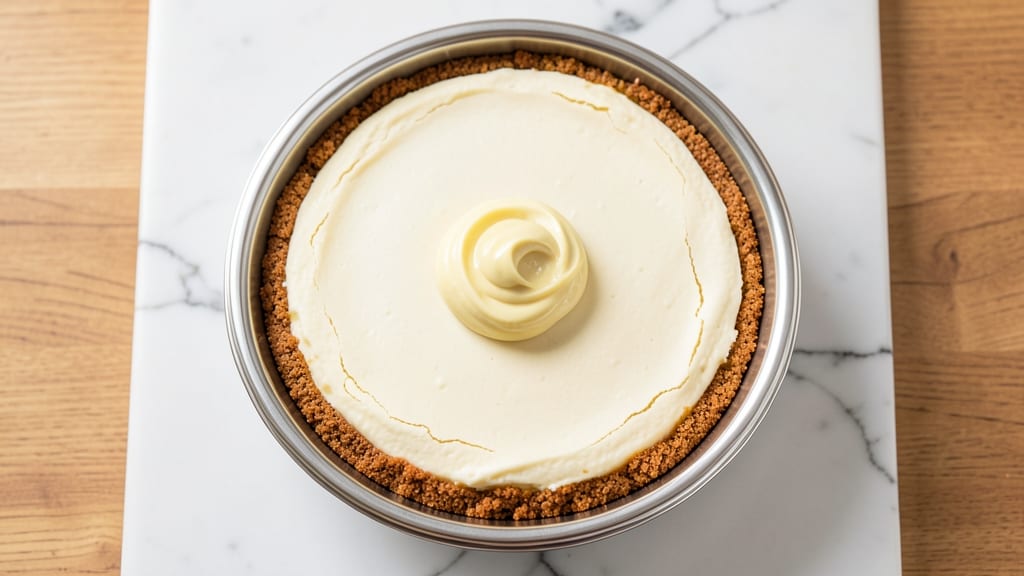
This Betty Crocker sour cream cheesecake recipe delivers the creamiest, crack-free texture you'll ever make at home—thanks to a secret sour cream technique that stabilizes the filling while keeping it rich and velvety.
The graham cracker crust adds that perfect buttery crunch, and the sour cream transforms the filling from dense to light as air. I've tested countless variations, and this method consistently produces a cheesecake that holds its shape while staying tender.
The key to this recipe lies in the sour cream's dual role: it prevents cracking by creating a smoother batter, while also adding a subtle tang that balances the sweetness.
Unlike traditional recipes that rely on eggs alone, this version incorporates sour cream in both the filling and crust preparation, ensuring maximum stability. With just 30 minutes of prep time and 1 hour of baking, you'll have a dessert that looks like it came from a bakery.
What makes this recipe truly special is its foolproof crust—crisp yet sturdy enough to support the filling without breaking. The sour cream filling sets perfectly, creating a velvety texture with no graininess, and the graham cracker crust adds that classic Betty Crocker touch.
Whether you top it with fresh berries, chocolate ganache, or a dusting of powdered sugar, this cheesecake will be the star of your dessert table.
Perfect for holidays, dinner parties, or treating yourself after a long week, this recipe scales easily for crowds while still delivering restaurant-quality results in a home oven. Let's get started on creating your most stable, creamy cheesecake yet.
Ingredients for betty crocker cheesecake recipe with sour cream
The secret to this ultra-stable Betty Crocker-style cheesecake lies in sour cream's magic—creamy filling, crack-free perfection.
| Ingredient | Amount | Notes |
|---|---|---|
| Full-Fat Sour Cream 🧀 | 1 ½ cups | Room temperature for smooth mixing |
| Large Eggs 🥚 | 4 whole | Room temperature, fresh for best binding |
| Cream Cheese (Full-Fat) 🧈 | 32 oz | Room temperature, no low-fat version |
| Granulated Sugar 🍚 | 2 cups | Superfine if available for smoother texture |
| Vanilla Extract 🌿 | 2 tsp | Pure Madagascar bourbon preferred |
| Graham Cracker Crumbs 🍪 | 2 ½ cups | Original flavor, not sweetened |
| Unsalted Butter (Melted) 🧈 | ¾ cup | European-style for higher fat content |
| Light Corn Syrup 🍯 | ¼ cup | Prevents graininess in filling |
| Salt 🧂 | ½ tsp | Kosher or sea salt preferred |
| Heavy Whipping Cream 🥛 | ½ cup | For topping, optional but recommended |
| Powdered Sugar 🍚 | ¼ cup | For dusting, optional garnish |
| Fresh Berries (Optional) 🍓 | 2 cups | Strawberries, raspberries, or blueberries |
| Dark Chocolate Chips (Optional) 🍫 | ½ cup | For garnish, 70% cocoa preferred |
The cream cheese and sour cream are non-negotiable for texture—full-fat only (no substitutions). Kirkland Signature or Philadelphia brands work best when at room temperature. For the graham crackers, Honey Maid Original crumbs are ideal—avoid sweetened versions, which can make the crust too sticky. The corn syrup is crucial for preventing graininess in the filling; brands like Karo are widely available. Pre-portion your crumbs to avoid overpacking the crust, which can lead to sogginess. If you're using a springform pan, grease it thoroughly with butter and dust with a thin layer of crumbs to prevent sticking.
No sour cream? Plain Greek yogurt at half the amount works in a pinch, but the texture won't be identical. For the vanilla extract, imitation won't cut it—Madagascar bourbon adds depth. If you're short on eggs, aquafaba at 1:1 ratio can replace one egg, but binding may be slightly weaker. The heavy whipping cream topping is optional but adds a luxurious finish; if you skip it, a dusting of powdered sugar gives a similar elegant touch. For the berries, frozen works fine—just thaw and drain excess liquid. The chocolate chips can be swapped for white chocolate chunks or caramel drizzle for variety.
This cheesecake keeps beautifully—room temperature for 2 days if tightly covered, up to 5 days in the fridge. For longer storage, freeze for up to 3 months (thaw overnight in the fridge). The crust stays crisp for about 4 hours at room temperature, so serve it within that window for the best texture. If you're making it ahead for a party, assemble the crust and filling 24 hours early, then refrigerate until ready to bake. The filling will hold its shape perfectly, and the crust will crisp up during baking.
Why You'll Love This Recipe
- Foolproof Mix-In: I swear by this recipe because it’s literally just blending, baking, and waiting—no fancy piping or water baths. The sour cream keeps the texture silky without cracking, and the full-fat cream cheese gives that classic density we all love.
- Vanilla-Sugar Magic: That first bite? Rich, caramelized sugar from slow baking meets creamy vanilla that lingers like a hug. Honestly, the vanilla extract here isn’t just flavoring—it’s the star, making every slice taste like a bakery’s secret.
- Weeknight Crowd-Pleaser: Perfect for game nights or lazy Sundays because it feeds 10 but costs less than takeout. My roommates fight over seconds, and I’ve even brought it to potlucks—always the first to disappear.
- No-Waste Leftovers: Bakes into a sturdy cake that slices neatly for days. I freeze portions too—just thaw and serve. (Yes, even on a Tuesday night.) The sugar crust stays crisp, so it’s never sad or soggy.
Step-by-step instructions for Betty Crocker sour cream cheesecake
Here's the method for a perfectly stable cheesecake with a foolproof crust—no cracking, no waiting.
Prepare the Ultra-Stable Graham Cracker Crust
Preheat your oven to 350°F. In a medium bowl, combine the 2.5 cups graham cracker crumbs, 0.75 cup melted unsalted butter, and 0.25 cup light corn syrup. Mix until the crumbs are evenly moistened and the mixture holds together when pressed.
Press the crumb mixture firmly into the bottom of a 9-inch springform pan, using a glass or measuring cup to create an even, compact layer. Bake for 10 minutes until the edges begin to golden slightly. Remove from the oven and let cool completely—this prevents steam buildup that causes cracks later. The crust should be firm enough to support the filling without breaking.
Blend the Filling for a Smooth Texture
In a large bowl, beat the 32 oz full-fat cream cheese and 1.5 cups full-fat sour cream together on medium speed until completely smooth and lump-free. This step is critical—any lumps will translate to texture issues in your cheesecake. I like to use a hand mixer for this because it gives me better control than a stand mixer.
Gradually add the 2 cups granulated sugar and 0.5 tsp salt, mixing until fully incorporated. The mixture should be thick but pourable. In a separate bowl, whisk together the 4 whole large eggs and 2 tsp vanilla extract. Slowly pour the egg mixture into the cream cheese mixture while mixing on low speed—this prevents overmixing and maintains a light texture.
Incorporate the Stabilizing Syrup
Add the 0.25 cup light corn syrup to the cheesecake batter and mix until fully combined. The syrup acts as a stabilizer, preventing cracks and ensuring a smooth finish. Pour the filling over the cooled crust, spreading it evenly with a spatula. Tap the pan gently on the counter to remove any air bubbles that might form.
Place the springform pan in a water bath by setting it inside a larger roasting pan. Fill the roasting pan with hot water until it reaches halfway up the sides of the springform pan. This water bath helps the cheesecake bake evenly and prevents cracking. Bake for 50-60 minutes until the edges are set but the center still jiggles slightly.
Cool Gradually for Maximum Stability
Remove the cheesecake from the water bath and turn off the oven. Crack the oven door open slightly and let the cheesecake cool inside for 1 hour. This gradual cooling prevents temperature shock that causes cracks. Once cooled, remove the springform pan from the oven and let it cool to room temperature on a wire rack.
Refrigerate the cheesecake uncovered for 4 hours or overnight. This step is essential for proper setting. The longer it chills, the firmer and more stable the texture becomes. Before serving, you can top with 0.5 cup heavy whipping cream (whipped with 0.25 cup powdered sugar) or garnish with 2 cups fresh berries and 0.5 cup dark chocolate chips for added flair.
Pro Tips For Making Betty Crocker Cheesecake Recipe With Sour Cream
- Whip Cream Cheese First: I learned this the hard way—mixing softened cream cheese and sugar first makes blending eggs and sour cream way easier. The lumps disappear faster, and your batter stays silky instead of grainy. (Yes, even if you're impatient like me, take the extra 30 seconds.)
- Room-Temp Sour Cream: Full-fat sour cream straight from the fridge? Skip it. Let it sit out for 30 minutes first—it blends smoother and incorporates better into the batter. Cold sour cream just fights you, and nobody wants a cheesecake with tiny globs hiding in it.
- Avoid Overmixing Eggs: Once the eggs are fully incorporated, stop stirring. Overmixing adds air, and this recipe isn’t meant to be fluffy—it’s meant to be dense and creamy. Two minutes past the point of smoothness, and you’re risking cracks or a lighter texture than you want.
- Preheat Oven to 325°F: This isn’t a suggestion—it’s non-negotiable. A hotter oven (like 350°F) will make your cheesecake set too fast on top while staying undercooked inside. 325°F gives it time to bake evenly, so the center’s just set and the top’s not rubbery. (Your future self will thank you.)
Troubleshooting this dish
Cracked Top Fix
If you see cracks forming during baking, it’s usually due to rapid temperature changes or overmixing. Stop baking immediately when the edges are set but the center still jiggles slightly—this is the ideal doneness.
For existing cracks, spread a thin layer of warmed apricot jam (about 2 tbsp) over the top, then chill for 30 minutes to set. The jam blends seamlessly and prevents further cracking. 💡
Soggy Crust Solution
A soggy crust happens when moisture seeps through before baking. Ensure your crust is fully cooled before adding the filling, and press the crumbs firmly into the pan. If the crust still feels damp, bake it for an extra 2-3 minutes before adding the filling.
For extra insurance, brush the cooled crust with a thin layer of melted butter before pouring in the filling. This creates a moisture barrier.
Filling Too Dense
If your cheesecake turns out dense instead of creamy, you likely overmixed the batter or used too many eggs. To fix this, reduce the eggs to 3 next time and mix the batter only until combined—no need to overbeat.
The corn syrup is key here; if you skipped it, add 1 tbsp to the filling and mix well. For an immediate fix, serve slices slightly warm (not hot) to soften the texture. 🧈
Cheesecake Stuck to Pan
Greasing the springform pan isn’t always enough—especially with sour cream fillings. After baking, run a thin metal spatula around the edges to loosen it, then place a damp towel over the pan and let it sit for 5 minutes before releasing the springform.
For stubborn cases, chill the pan in the fridge for 10 minutes before attempting to remove it. Always use full-fat butter for greasing—it creates a better barrier than nonstick sprays.
Uneven Baking
Uneven baking often results from uneven heat distribution. Always use a water bath (as described in the instructions) to ensure even cooking. If your oven has hot spots, rotate the pan halfway through baking (after 30 minutes).
For a double-check, use an instant-read thermometer—the center should reach 150-155°F before cooling. If the top browns too quickly, tent the pan with aluminum foil after 40 minutes of baking.
Filling Separates
Separation occurs when the eggs cook too quickly, often due to high oven temperatures. To prevent this, reduce the oven temp to 325°F if your kitchen runs hot, and ensure the filling is at room temperature before baking.
If separation happens, blend the filling again with 1 tbsp sour cream and rebake in a water bath for 10-15 minutes at 300°F to gently set it. Serve with a dollop of whipped cream to mask any texture issues. 🥛
Nutrition facts
Frequently asked questions
Why does sour cream make this cheesecake different from regular recipes?
The sour cream creates a smoother, lighter texture while preventing cracks. It adds subtle tang that balances sweetness and stabilizes the filling during baking. Unlike traditional recipes, this version incorporates sour cream in both the crust and filling for maximum creaminess and structure.
Can I make this cheesecake in a different pan size?
Yes, but adjust baking time and crust thickness. For an 8-inch pan, reduce filling by 25% and bake 10-15 minutes less. For a 10-inch pan, increase filling by 30% and bake 15-20 minutes longer. Always use a water bath and check doneness with a thermometer (150-155°F center).
How do I prevent the crust from getting soggy?
Bake the crust for 10-12 minutes until golden, then let it cool completely before adding filling. For extra protection, brush the cooled crust with 1 tbsp melted butter before pouring in the batter. This creates a moisture barrier that keeps the crust crisp.
What's the best way to store leftover cheesecake?
Cover tightly with plastic wrap and store at room temperature for 2 days. For longer storage, refrigerate for up to 5 days. To freeze, wrap individual slices in plastic and freeze for up to 3 months. Thaw overnight in the fridge—never at room temperature to prevent texture changes.
Can I substitute Greek yogurt for sour cream?
Yes, but use half the amount of plain Greek yogurt (no sweetener). The texture will be slightly denser, but the tangy flavor remains. For best results, strain the yogurt for 1 hour to remove excess liquid before using. This helps mimic sour cream's creaminess.