Breakfast & Brunch
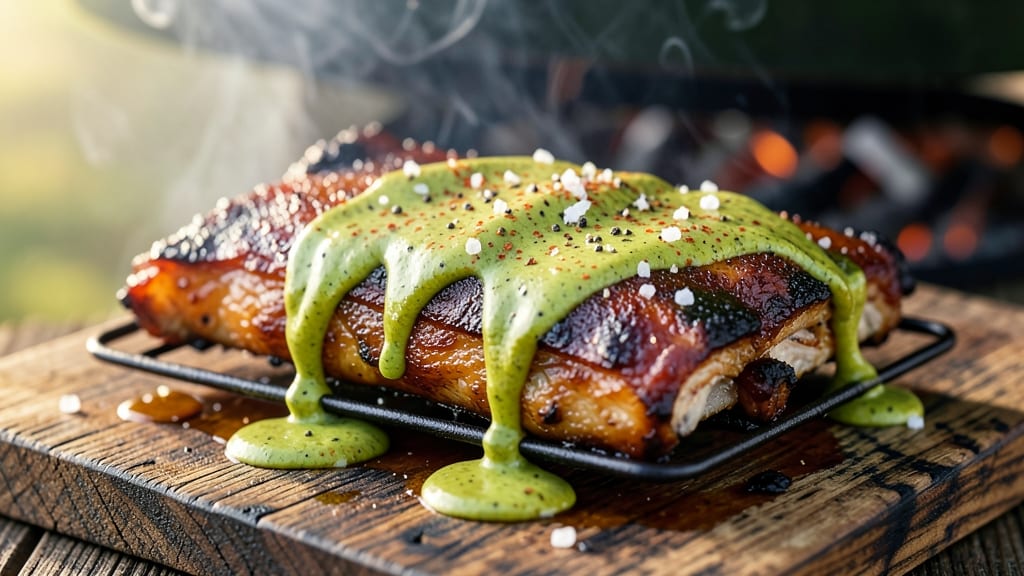
Cooking baby back ribs on a Big Green Egg transforms them into fall-off-the-bone perfection with a deep, smoky bark that’s impossible to achieve on a standard grill. The kamado’s precise temperature control and even heat distribution create that coveted tender texture while developing complex flavors through indirect cooking.
I’ve perfected this method over countless weekends, and the results consistently impress even the most skeptical BBQ enthusiasts.
What sets these ribs apart is the multi-stage cooking process that builds both texture and flavor. You’ll start with a dry rub that creates a flavorful crust, then move to indirect heat to render fat and tenderize the meat slowly.
The Big Green Egg’s ability to maintain steady temperatures—whether smoking or searing—ensures every bite is juicy and packed with that signature smoky depth. This isn’t just another ribs recipe; it’s a method designed to deliver restaurant-quality results at home.
The final product is ribs with a glossy, dark mahogany bark that cracks slightly when you pull them, revealing tender meat so soft it practically melts in your mouth. The fall-off-the-bone tenderness comes from precise temperature management and patience—no rushing, no guessing.
These ribs are worth the time, especially when served with classic sides like tangy coleslaw or buttery cornbread. The Big Green Egg makes it possible to achieve this level of quality without the stress of traditional smoking methods.
Whether you’re hosting a backyard gathering or simply craving a smoky, satisfying meal, this recipe delivers. The key lies in understanding how to work with the kamado’s unique heat retention and airflow. Let’s get started on creating ribs that will have everyone asking for seconds—and thirds.
Ingredients for big green egg baby back ribs
Four pounds of ribs plus a handful of pantry staples—this is all you need for Big Green Egg ribs that rival your favorite BBQ joint.
| Ingredient | Amount | Notes |
|---|---|---|
| Baby Back Ribs 🍖 | 4 lb | Bone-in, meaty ends included |
| Yellow Mustard 🍯 | ¼ cup | For base coat before rub |
| Brown Sugar 🍚 | ½ cup | Light or dark preferred |
| Smoked Paprika 🌶️ | ¼ cup | For deep smoky flavor |
| Kosher Salt 🧂 | ¼ cup | Diamond Crystal preferred |
| Black Pepper 🌶️ | 1 tbsp | Freshly cracked preferred |
| Garlic Powder 🧄 | 1 tbsp | Freshly ground preferred |
| Onion Powder 🧅 | 1 tbsp | For sweet depth |
| Cayenne Pepper 🔥 | ½ tsp | Adjust for heat preference |
| Apple Juice Concentrate 🍎 | ½ cup | For moisture during cooking |
| Wood Chips 🌳 | 1 cup | Hickory or cherry preferred |
| Apple Cider Vinegar 🍏 | 2 tbsp | For bark development |
| Beef Broth 🍲 | ½ cup | Low-sodium preferred |
The ribs themselves are non-negotiable—bone-in baby backs with meaty ends are what you want. Costco or local butchers usually have the best selection, but avoid pre-cut slabs that look too lean. Look for marbling and a fresh, bright color. If you're buying frozen, thaw them overnight in the fridge—never under running water, or they'll start cooking. The wood chips? Hickory or cherry from Traeger or Cookshack deliver that authentic smoky flavor without overpowering. Soak them for 30 minutes before using to prevent flare-ups.
No smoked paprika? Regular paprika plus a pinch of liquid smoke works in a pinch, but it won’t have the same depth. Short on brown sugar? White sugar plus a splash of molasses mimics the caramelization, though it’ll be slightly less sticky. The apple juice concentrate is key for moisture—if you’ve only got regular apple juice, reduce it by half first. For the bark, the apple cider vinegar is your secret weapon. Bragg’s or Texas Pete are my go-tos, but any raw, unfiltered vinegar will do. And if you’re worried about the cayenne, start with half and adjust after the first hour of cooking.
This rub keeps for 3 months in an airtight container, so make extra. The ribs reheat beautifully—wrap them in foil with a splash of beef broth and steam for 10 minutes. For leftovers, store them in the fridge for up to 5 days, but honestly, they’re best eaten fresh off the Egg. The wood chips? Use them up within 2 weeks of opening for maximum flavor. And if you’re planning ahead, this recipe scales perfectly—just double the rub and adjust cooking time accordingly.
Why You'll Love This Recipe
- One-Pan Magic: I swear by this recipe because it’s that simple—just ribs, a slather of yellow mustard, a sprinkle of brown sugar and smoked paprika, and a hit of salt. No basting, no foil tents, no stress. The Big Green Egg does all the heavy lifting while you sip your drink and pretend you’re a pitmaster.
- Sweet-Smoky Crunch: That caramelized crust? Chef’s kiss. The brown sugar and smoked paprika work together to give you a sticky, slightly crispy bark that falls apart at the touch—while the mustard keeps it tangy enough to cut through the richness. It’s the kind of flavor that makes people ask, “What’s in this?” before you even answer.
- Tailgate or Tuesday: Honestly, I make these for everything—backyard cookouts, lazy Sundays, or when I’m too tired to care what’s for dinner. They’re hearty enough for a crowd but still satisfying as a solo meal. (Yes, even on a Tuesday night when you just want something that feels like a celebration.)
Step-by-step instructions for Big Green Egg baby back ribs
Here's how to transform tough ribs into melt-in-your-mouth perfection using just your Big Green Egg.
Prepare the Ribs with Mustard and Rub
Start by removing the membrane from the bone side of the 4 lb baby back ribs. I use a butter knife to gently pry it loose, then pull it away with my fingers. Pat the ribs completely dry with paper towels—this is crucial for that crispy bark we're after.
In a small bowl, mix together the 0.5 cup brown sugar, 0.25 cup smoked paprika, 0.25 cup kosher salt, 1 tbsp black pepper, 1 tbsp garlic powder, 1 tbsp onion powder, and 0.5 tsp cayenne pepper. Spread 0.25 cup yellow mustard evenly over both sides of the ribs, then press the dry rub firmly into the meat. Let them sit at room temperature for 30 minutes while you prep the smoker.
Set Up the Big Green Egg for Indirect Heat
Fill the water pan with 0.5 cup beef broth and place it in the bottom of the Big Green Egg. Add 1 cup wood chips to the smoker box and close the lid. Light the chips and let them burn down to a bed of hot coals before adding the ribs. Set the temperature to 225°F using the built-in thermometer.
Once the smoker reaches temperature and you see clean blue smoke, place the ribs bone-side down on the grill grate. Position them away from direct heat for even cooking. This indirect heat method is key to preventing the outside from burning before the inside cooks through.
Smoke Until Probe-Tender
Smoke the ribs for 4-5 hours, maintaining 225°F. Every hour, spray them with a mix of 2 tbsp apple cider vinegar and 0.5 cup apple juice concentrate (diluted with 1 cup water). This keeps them moist and helps develop that beautiful bark. You'll know they're ready when the internal temperature reaches 195°F and a probe slides in like butter.
I check the ribs by inserting a meat thermometer into the thickest part of the meat. The stall will happen around 165°F, but don't rush it—this is when the collagen breaks down into gelatin, creating that tender texture we want.
Wrap and Finish
Once probe-tender, wrap the ribs tightly in heavy-duty aluminum foil with a sprinkle of additional kosher salt. Return them to the smoker and cook for another 30-45 minutes at 225°F. This resting period allows the juices to redistribute and the bark to set properly.
Unwrap the ribs and let them rest for 10 minutes before serving. The bark should be dark and crispy, with a beautiful smoke ring just beneath the surface. Each rib should pull apart easily with minimal effort, delivering that fall-off-the-bone tenderness we're after.
Pro Tips For Making Big Green Egg Baby Back Ribs
- Trim the Fat First: Baby back ribs come with a thick fat cap—slice that suet off before smoking. I learned this the hard way when my first batch turned greasy instead of crispy; the Green Egg’s tight space makes fat render everywhere. Use a sharp knife and cut just under the bone for cleaner meat and better bark.
- Mix Mustard Wet: Yellow mustard in this recipe isn’t just flavor—it’s the glue that makes the rub stick. Whisk it into a paste with brown sugar and smoked paprika before coating the ribs. Dry rubs slide off ribs in the Green Egg’s heat; this ensures a caramelized crust that won’t wash away.
- Wrap at 190°F: The Green Egg runs hot, so pull ribs from heat at 190°F internal (not 203°F like some guides say). Wrap them in foil with a splash of apple cider vinegar, then let them rest 10 minutes—this keeps them tender without turning them to mush. I used to overcook them by 10 degrees, and the meat fell apart.
- Salt the Mustard Base: The mustard-brown sugar mix needs extra kosher salt—about 1 teaspoon per ¼ cup—to cut through the sweetness and balance the smokiness. I skipped this once and ended up chasing aftertaste with more salt after the ribs were done. Trust me, add it upfront.
Make-ahead tips for big green egg baby back ribs
Prep Ahead Strategy
The dry rub can be made up to 3 days in advance and stored in an airtight container. I double the recipe and keep it in my pantry for spontaneous BBQ nights.
The ribs themselves can be prepped with the rub and refrigerated for 12 hours before cooking—just let them sit at room temperature for 30 minutes before placing them on the Egg. This jumpstarts the cooking process and ensures even flavor penetration. 💡
Overnight Cooking
For a hands-off experience, set your Big Green Egg to 225°F overnight and let it stabilize. Prep your ribs with the rub the night before, then place them on the grill in the morning.
The kamado’s heat retention means you can wake up to perfectly smoked ribs with minimal effort. Just remember to add fresh wood chips every 2-3 hours to maintain clean smoke. ⏰
Freezer-Friendly Prep
Pre-rubbed ribs freeze beautifully for up to 3 months. Wrap them tightly in plastic wrap, then place in a heavy-duty freezer bag. When ready to cook, thaw them in the fridge overnight and proceed with the recipe as usual.
The texture and flavor remain intact—no need for microwave thawing, which can start cooking the meat. 🧊
Batch Cooking Tips
Double the recipe and cook two racks of ribs simultaneously by spacing them evenly on the grill grate. Use a second water pan to maintain humidity and prevent drying.
For large gatherings, I divide the ribs into 2 lb portions and wrap them individually in foil before the final resting phase. This keeps them moist and makes serving easier. 🍖
Reheating Leftovers
Leftover ribs reheat best in the Big Green Egg or oven. Wrap them in foil with 2 tbsp beef broth and heat at 300°F for 15-20 minutes. Avoid microwaving—it turns the meat rubbery.
For a quick fix, steam them in a pot with a splash of broth for 10 minutes. The bark stays crispy, and the meat remains tender. 🔥
Timing for Events
Plan for 6-8 hours of total cooking time, including prep. Start the ribs on the Egg 4 hours before serving to account for the 2-hour wrap phase and 10-minute rest.
For a stress-free event, prep everything the night before—even the sides—and let the Egg do the work while you enjoy the party. 🎉
Nutrition facts
Frequently asked questions
Why does the Big Green Egg create better ribs than a regular grill?
The kamado's ceramic construction maintains precise temperature control (±5°F) and even heat distribution, preventing hot spots that can dry out ribs. The insulated walls also create a stable cooking environment for that perfect 195°F internal temperature. Plus, the airflow vents let you fine-tune smoke levels for consistent bark development.
Can I use a different wood chip flavor for these ribs?
While hickory or cherry are ideal, you can experiment with apple or pecan for a sweeter profile. Just avoid overly resinous woods like pine, which can taste bitter. For a balanced flavor, try a 50/50 mix of hickory and applewood. The key is maintaining clean, blue smoke throughout cooking.
What if my ribs aren't tender enough after 5 hours?
Don't rush it! The collagen breakdown happens between 165°F-195°F, so extend cooking time by 1-2 hours if needed. Check for doneness by inserting a probe—it should slide in like butter. If the bark is too thick, wrap them in foil with 1 tbsp apple juice and cook another 30 minutes at 225°F.
How do I prevent ribs from sticking to the grill grate?
Always preheat the Egg for 15-20 minutes before adding ribs. Use cast iron grates (the Egg's standard) and oil them lightly with high-smoke-point oil. For extra insurance, place the ribs on a piece of foil until they develop a crust, then move them directly to the grate for searing.
What sides pair best with these smoky ribs?
Classic choices include creamy coleslaw (the tang cuts through the richness), buttery cornbread (for soaking up juices), or grilled sweet potatoes (their caramelization complements the smoky flavor). For a lighter option, try apple slaw with a poppyseed dressing—the acidity balances the ribs perfectly.