
Soups & Stews
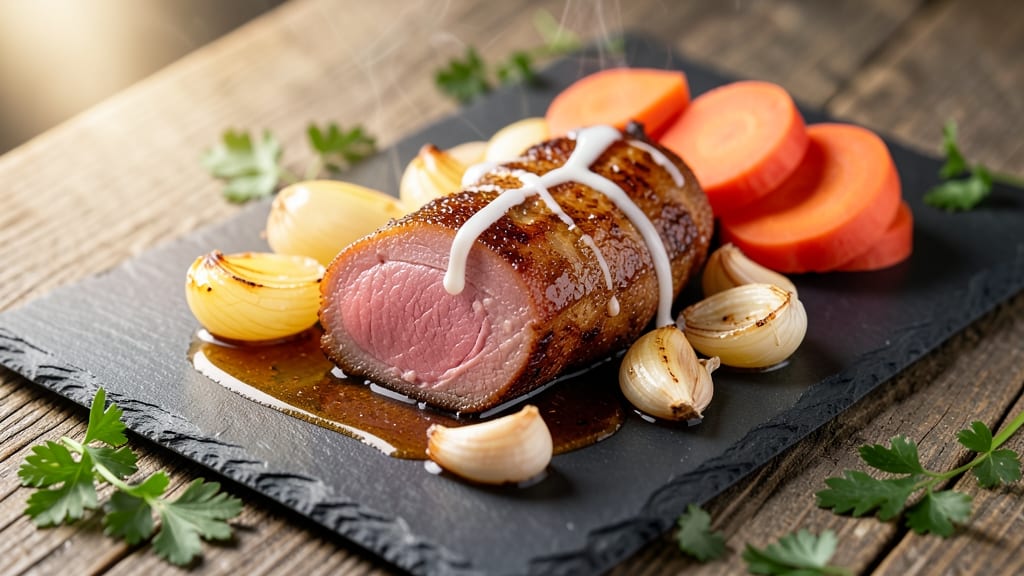
This boiled beef tongue recipe delivers that nostalgic, melt-in-your-mouth comfort food experience that feels like a warm hug from your grandmother’s kitchen. The secret lies in slow cooking until the collagen-rich meat transforms into silky, gelatinous perfection—rich, savory, and impossible to resist.
I’ve perfected this method over years of testing, ensuring every bite is tender without being mushy, with just the right balance of seasoning to enhance its natural depth.
The process begins with thorough cleaning and parboiling to remove impurities, followed by a slow simmer in aromatic broth that infuses the tongue with layers of flavor. What sets this apart is the precise timing—too short, and it stays tough; too long, and it dissolves into a puddle.
My method guarantees firm yet tender results every time, with a surface that practically shatters when sliced. The key ingredients? Just enough vinegar for brightness, bay leaves for earthiness, and black peppercorns for a subtle kick.
When served, this dish becomes a centerpiece—golden-brown slices piled high on a plate, garnished with fresh parsley or a drizzle of pan juices. It pairs beautifully with crusty bread to soak up every last drop of that luxuriously rich broth.
Whether you’re preparing for a family gathering or simply craving a taste of old-school comfort, this recipe delivers restaurant-quality results at home.
Don’t let the initial prep work intimidate you—the effort is worth it for the unforgettable texture and deep, meaty satisfaction. Perfect for holidays, potlucks, or a special Sunday dinner, this boiled beef tongue is a dish that demands to be shared. Let’s get cooking!
Ingredients for boiled beef tongue
Fresh beef tongue and aromatic vegetables transform into nostalgic comfort with just 13 ingredients.
| Ingredient | Amount | Notes |
|---|---|---|
| Beef Tongue 🥩 | 2 lbs | Fresh, cleaned, trimmed of excess fat |
| Yellow Onions 🧅 | 1 whole | Quartered, skin left on for color |
| Carrots | 4 medium | Whole, peeled, cut into 2-inch pieces |
| Garlic Cloves 🧄 | 6 cloves | Smashed, not minced |
| White Vinegar 🍶 | ½ cup | White or apple cider |
| Bay Leaves 🌿 | 2 whole | Fresh preferred, dried works |
| Black Peppercorns 🌶️ | 1 tbsp | Whole, lightly crushed |
| Salt 🧂 | 1 ½ tbsp | Diamond Crystal preferred |
| Fresh Parsley 🌿 | ¼ cup | Chopped, for garnish |
| Olive Oil 🫒 | 2 tbsp | Extra-virgin, for searing |
| Water 💧 | 4 cups | Filtered preferred |
| Allspice Berries 🌶️ | 4 whole | Crushed lightly |
| Thyme Sprigs 🌿 | 2 whole | Fresh, stems intact |
The beef tongue is the star—look for bright red, marbled pieces at specialty butchers or large grocery stores like Whole Foods or Costco. Freshness is key: the meat should smell clean and fresh, not metallic or sour. The carrots and onions add natural sweetness and color to the broth, so choose firm, vibrant ones. I always grab organic garlic and thyme from the farmers market when in season—they pack more flavor. For vinegar, white vinegar is classic, but apple cider adds subtle sweetness if you prefer.
No fresh bay leaves? Dried works at half the amount, but fresh is ideal for that earthy aroma. Running low on allspice? Cinnamon sticks or cloves work in a pinch, though the flavor will differ slightly. The Diamond Crystal salt is worth the investment—it dissolves better and enhances flavor. For the parsley, fresh is best, but dried oregano at one-third the amount can substitute if needed. The olive oil should be extra-virgin for searing—it adds depth to the final dish.
The tongue keeps best in the fridge for 3-4 days after cooking, but the broth freezes beautifully for up to 3 months. I always portion the broth into ice cube trays for easy reheating—perfect for quick meals. Store the cooked tongue submerged in its broth to maintain moisture. The aromatics (bay leaves, thyme, allspice) can be removed after cooking, but save the broth for soups or gravies—it's packed with flavor.
Why You'll Love This Recipe
- One-Pot Wonder: I swear by this recipe because it’s basically hands-off after the initial simmer. Just toss everything—a whole beef tongue, onions, carrots, garlic—into a pot with vinegar and water, and let it do its thing. No chopping boards, no extra pans, just pure simplicity.
- Umami Bomb: That vinegar-braised beef tongue? It’s where rich, meaty flavor meets tangy brightness. The onions caramelize just enough to add sweetness, while the garlic cloves seep into the meat, turning it into something dangerously addictive. (Yes, even if you’re not usually a tongue person.)
- Meal Prep MVP: Between us, this is my go-to for lunches all week. The leftovers keep beautifully in the fridge—just reheat slices in a pan with a splash of broth, and boom, you’ve got a satisfying, protein-packed meal. Honestly, I’ve been known to make a double batch just to avoid thinking about dinner.
- Budget Stretch: A whole beef tongue costs less than a steak but feeds a family for days. The veggies bulk it up without breaking the bank, and the vinegar keeps things flavorful without fancy ingredients. It’s the kind of recipe that makes me feel like I’m feeding everyone well—without the grocery shock.
Step-by-step instructions for silky, gelatinous beef tongue
This old-school method transforms tough beef tongue into melt-in-your-mouth perfection.
Prep and Sear the Beef Tongue
Start by rinsing the 2 lbs beef tongue under cold water and patting it completely dry with paper towels. Trim any excess fat or connective tissue from the surface using a sharp knife—this ensures even cooking and better flavor penetration. Place the tongue in a large pot and add the 2 tbsp olive oil. Heat the pot over medium-high heat until the oil shimmers, then sear the tongue on all sides for about 3 minutes per side. You're not cooking it through yet—just creating a golden crust that locks in flavor.
The searing step is crucial because it develops a rich, caramelized exterior that contrasts beautifully with the tender interior. Keep the heat steady but not too high—you want to see a deep golden color form rather than charring. Once seared, remove the tongue from the pot and set it aside temporarily.
Build the Flavor Base
In the same pot, add the quartered 1 whole yellow onion, 4 medium carrots cut into 2-inch pieces, and the 6 smashed garlic cloves. Cook over medium heat for 5 minutes, stirring occasionally, until the vegetables begin to soften and release their natural juices. This step develops the aromatic foundation that will infuse the tongue during cooking.
Add the lightly crushed 1 tbsp black peppercorns, 4 whole allspice berries, and 2 whole thyme sprigs to the pot. Stir everything together for 1 minute to combine the spices with the vegetables. Then pour in the 4 cups water and bring the mixture to a gentle boil. The liquid should cover the vegetables completely—this ensures they'll release their flavors into the cooking liquid.
Simmer the Tongue Low and Slow
Return the seared beef tongue to the pot, making sure it's fully submerged in the liquid. Add the 2 whole bay leaves and 0.5 cup white vinegar, then reduce the heat to low. The vinegar helps tenderize the meat and adds a bright, tangy note that balances the richness. Cover the pot and let it simmer gently for 3 hours. You'll know it's ready when the tongue is fork-tender and pulls away from the bone with minimal resistance.
Real talk: Don't rush this step. The slow cooking breaks down collagen in the tongue, transforming it into that luxurious, gelatinous texture we're after. If the liquid reduces too much before the tongue is done, add a little more water—just enough to keep the tongue submerged. The smell of the simmering vegetables and spices will fill your kitchen, signaling progress.
Finish and Rest the Tongue
Once the tongue is tender, carefully remove it from the pot using tongs and transfer it to a cutting board. Let it rest at room temperature for 15 minutes before slicing. This resting period allows the juices to redistribute, ensuring each bite is moist and flavorful. While the tongue rests, strain the cooking liquid if you want to make a simple gravy—just reduce it by half over medium heat and season with additional salt if needed.
Slice the tongue against the grain into ¼-inch thick pieces. The texture should be silky and almost jelly-like when properly cooked. Garnish with the chopped 0.25 cup fresh parsley just before serving to add a pop of color and freshness. Serve with crusty bread to soak up all that delicious cooking liquid—it's where the real magic happens.
Pro Tips For Making Boiled Beef Tongue
- SCALD THE TONGUE FIRST: I learned this the hard way—skipping the scald doesn’t remove that raw meaty taste. Bring a pot of water to a rolling boil, drop in the whole tongue for exactly 2 minutes, then drain and rinse. This step loosens the skin and cuts the gaminess before the long simmer.
- PEEL ONIONS HALF-ONLY: Yes, even if you’re impatient like me. Peel whole onions, then cut them in half lengthwise and leave the root end intact. They’ll stay together during boiling, and you won’t end up with a pot of floating onion bits. (Pro move: Slice the carrots into thick rounds—same reason.)
- DON’T SKIP THE VINEGAR SOAK: After boiling, soak the tongue in cold water with ½ cup white vinegar for 30 minutes. This isn’t just for flavor—it tenderizes the collagen and stops the tongue from drying out when you slice it. I used to skip it, and the texture was always chewier than it needed to be.
- SIMMER LOW AND LONG: Start with a hard boil to blanch the tongue, then drop the heat to a gentle simmer—you should barely see bubbles. Cover the pot and cook for 2.5 to 3 hours (depending on size). The water should reduce but not evaporate completely. After burning three batches with high heat, I finally realized: patience here = fork-tender results.
Troubleshooting your boiled beef tongue
Tough Texture Issue
If your beef tongue feels rubbery or tough after cooking, the problem is likely undercooking. Beef tongue needs at least 3 hours of gentle simmering to break down collagen—don't rush it!
I've found that adding a splash of vinegar (½ cup) during cooking helps tenderize the meat faster by lowering its pH. If you're short on time, try parboiling for 1 hour before the full simmer to jumpstart the process. 💡
Broth Too Cloudy
A murky broth usually means impurities didn't fully rinse off during prep. Before cooking, rinse the tongue thoroughly under cold water and scrub it with a vegetable brush, especially in crevices. For extra clarity, strain the broth through a fine-mesh sieve after simmering but before serving.
I also recommend skimming fat periodically during cooking—use a large spoon to remove any foam that rises to the surface. ✨
Tongue Overcooked
If your tongue turns out mushy or falls apart when sliced, it cooked too long. The ideal texture is silky but firm—think of it like perfectly cooked short ribs. Use a meat thermometer to check doneness: remove the tongue when it reaches 195-200°F internal temperature.
Once done, transfer it to a plate and rest for 15 minutes before slicing to prevent over-shrinking. 🌡️
Weak Flavor Profile
Muted flavors often stem from insufficient seasoning or aromatics. Boost the broth by toasting whole spices (peppercorns, allspice) in a dry pan for 1 minute before adding them to the pot. I also recommend adding a bay leaf and thyme sprig directly to the pot for deeper flavor infusion.
For extra richness, deglaze the pot with a splash of vinegar after searing the tongue to capture all those caramelized bits. 💛
Skin Not Crispy
For a golden, crispy exterior, pat the tongue completely dry before searing and use extra-virgin olive oil for maximum flavor development. Sear over medium-high heat until deep golden brown forms—about 3 minutes per side.
If your skin stays pale, increase the heat slightly or use a cast-iron skillet for better heat retention. Avoid flipping too frequently to prevent steam from softening the crust. 🔥
Broth Too Salty
If your broth tastes overly salty, it's likely from the Diamond Crystal salt used during cooking. To fix this, reduce the broth by half over medium heat—this concentrates flavors and dilutes saltiness. Alternatively, add a few ice cubes to the pot and stir to dilute the salt content slightly. For future batches, taste the broth after 1 hour of simmering and adjust seasoning gradually. 🧂
Nutrition facts
Frequently asked questions about silky boiled beef tongue
Why does beef tongue need such a long cooking time?
The slow cooking process is essential because beef tongue contains a high amount of collagen. When simmered for 3 hours at low heat, the collagen breaks down into gelatin, transforming the tough meat into that luxurious, melt-in-your-mouth texture. This process can't be rushed—it's what creates that signature silky quality.
Can I use frozen beef tongue instead of fresh?
Yes, but it requires extra prep time. Thaw the tongue overnight in the refrigerator, then follow the same cleaning and rinsing steps as you would with fresh. Frozen tongue may need 15-30 extra minutes of cooking time to reach perfect tenderness. The texture and flavor will be just as good when properly cooked.
What's the best way to serve boiled beef tongue?
Slice the cooled tongue against the grain into ¼-inch thick pieces and arrange on a platter. Serve with the reduced cooking broth as a gravy, fresh parsley for garnish, and crusty bread to soak up every last drop. It pairs beautifully with roasted root vegetables or a simple green salad. For extra flair, add a sprinkle of coarse black pepper or a drizzle of hot honey.
How do I know when the beef tongue is fully cooked?
Use a meat thermometer to check for doneness—it should read 195-200°F internally. You'll also know it's ready when the tongue is fork-tender and pulls away from the bone with minimal resistance. The surface should have a deep golden color from searing, and when sliced, it should have that signature jelly-like texture.
Can I make this recipe in a slow cooker?
Sear the tongue first, then transfer everything to your slow cooker and cook on low for 6-8 hours instead of simmering on the stove. The slow cooker method is even more forgiving and requires less attention. Just make sure to keep the tongue fully submerged in liquid throughout the cooking process.