Side Dishes
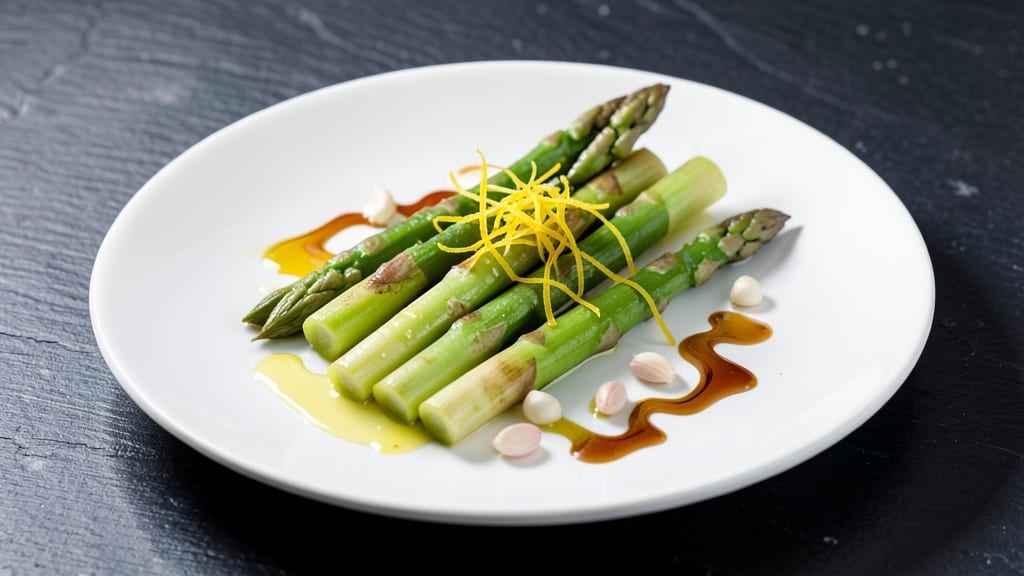
Transforming canned asparagus into a restaurant-worthy side dish is simpler than you think—charred tips and bright lemon butter elevate this humble ingredient into something truly special. The key lies in the technique: quick searing for smoky depth followed by a tangy, herby finish that makes every bite unforgettable.
I developed this method after realizing store-bought asparagus could be just as impressive as fresh when prepared with the right approach.
This recipe delivers crispy charred tips that contrast beautifully with tender stems, all coated in a zesty lemon butter sauce that brightens any meal.
What makes it work is the two-step cooking process: first searing the asparagus in a hot pan for smoky flavor, then finishing with a quick toss in lemon butter to balance the richness.
The result is a side dish that feels indulgent yet remains light enough to complement grilled meats or roasted vegetables.
Perfect for weeknight dinners or special occasions, this method transforms 10 minutes of active time into a side dish that steals the show. The lemon butter adds a vibrant pop of color and acidity, cutting through any richness in the main course while keeping the asparagus tender-crisp.
Whether serving as a standalone vegetable or pairing with steak, chicken, or fish, this recipe proves canned asparagus deserves a place at your table.
Ready to impress without the fuss? The secret is in the timing and technique—no fancy equipment required. Let’s get cooking with this foolproof method that turns canned asparagus into a standout dish every time.
Ingredients for can asparagus
Restaurant-quality asparagus starts with these simple yet precise ingredients that transform humble canned spears into a showstopping side.
| Ingredient | Amount | Notes |
|---|---|---|
| Canned Asparagus 🥦 | 12 oz | Drained, spears intact |
| Unsalted Butter 🧈 | 4 tbsp | Cold, cubed for searing |
| Extra-Virgin Olive Oil 🫒 | 2 tbsp | Light, fruity variety |
| Lemon Juice 🍋 | 2 tbsp | Freshly squeezed |
| Fresh Lemon Zest 🍋 | 1 tsp | Fine, bright yellow |
| Garlic Cloves 🧄 | 2 cloves | Minced, fresh preferred |
| Diamond Crystal Kosher Salt 🧂 | ½ tsp | Fine grain preferred |
| Freshly Ground Black Pepper 🌶️ | ¼ tsp | Coarsely ground for texture |
| Fresh Flat-Leaf Parsley 🌿 | ¼ cup | Chopped, stems removed |
| Red Wine Vinegar 🍷 | 1 tsp | Dry, aged variety |
| Granulated Sugar 🍚 | ¼ tsp | Balances acidity |
The canned asparagus quality varies dramatically between brands, so Green Giant or Del Monte are your safest bets—they hold their shape best when seared. Look for spears that are straight and firm, not limp or discolored. If using frozen asparagus, thaw it first and pat completely dry to ensure proper charring. The butter should be cold and cubed—this creates the perfect sear without burning. For the lemon, use organic Meyer lemons if available; their natural sweetness balances the acidity beautifully.
No extra-virgin olive oil? Light olive oil works, but avoid heavy varieties that can overpower the delicate asparagus flavor. Substituting red wine vinegar? Apple cider vinegar at half the amount provides a similar tang. Fresh parsley is ideal, but dried parsley at one-third the quantity suffices in a pinch. The garlic should be minced finely—this ensures even distribution of flavor without bitterness. For a quicker prep, use garlic powder at one-fourth the amount, though fresh is always superior.
Store the canned asparagus in its original packaging for up to 1 year—once opened, transfer to an airtight container and refrigerate for 3 days. The lemon juice and zest can be pre-measured and stored in an airtight container in the fridge for 1 week. This dish reheats beautifully—simply toss with a splash of water and warm through in a skillet for 2 minutes. For meal prep, store the finished dish in a sealed container with a paper towel to absorb moisture, keeping it fresh for 3 days.
Why You'll Love This Recipe
- Five-Ingredient Magic: I swear by this recipe when I’m too tired to chop. Open the can, toss in butter and olive oil, squeeze some lemon—boom, dinner’s ready. The asparagus stays tender-crisp, and the bright citrus cuts through the richness like a sigh of relief.
- Bright & Buttery Balance: That first bite of warm asparagus with melted butter and lemon zest? It’s the kind of flavor that makes you pause. The olive oil adds a silky finish, while the lemon keeps it from feeling heavy—like a hug for your taste buds.
- Weeknight & Date Night: Honestly, this works for everything. Toss it with pasta for a 15-minute meal, serve it alongside grilled chicken for a fancy-ish dinner, or pack it in a lunchbox for tomorrow. My partner even asked for seconds when I made it for our anniversary—no fancy plating, just pure satisfaction.
- Zero-Waste Pantry Hero: Between us, canned asparagus is my go-to when fresh is too pricey or out of season. The cans last forever, and the recipe uses just what you need—no sad leftovers gathering dust. Plus, the butter and olive oil stretch thin, so it’s my budget-friendly secret for stretching meals further.
Step-by-step instructions for charred asparagus with lemon butter sauce
Transform canned asparagus into restaurant-worthy bites with this foolproof charring and sauce technique.
Prepare the Asparagus and Garlic
Drain the 12 oz canned asparagus thoroughly and pat dry with paper towels. Trim the woody ends by snapping each spear at its natural break point—the fibrous section will snap cleanly while the tender portion remains intact. This ensures you work only with the most tender parts.
While the asparagus dries, mince the 2 cloves garlic cloves into a fine paste using the flat side of your chef's knife. This creates a smoother texture that blends seamlessly into the sauce later. Keep the garlic at room temperature until ready to use—cold garlic burns more easily.
Char the Asparagus for Maximum Flavor
Heat a large skillet over high heat until it's screaming hot. Add the 2 tbsp extra-virgin olive oil and swirl to coat the pan evenly. Working in batches if needed, add the asparagus in a single layer and let them char undisturbed for 2-3 minutes per side until they develop deep blackened tips and blistered edges.
This charring step is crucial—it develops complex smoky flavors that elevate simple canned asparagus. You'll know they're ready when the edges are crisp and the asparagus releases easily from the pan. Transfer the charred asparagus to a plate and set aside, leaving the oil in the pan.
Create the Lemon Butter Sauce
Reduce the heat to medium and add the 4 tbsp cold cubed unsalted butter to the still-hot pan. Let it melt completely, then add the minced garlic and cook for 30 seconds until fragrant but not browned. Add the 2 tbsp lemon juice, 1 tsp fresh lemon zest, and 1 tsp red wine vinegar, stirring constantly.
Simmer the mixture for 1-2 minutes until it thickens slightly and the lemon zest dissolves into the butter. The sauce should coat the back of a spoon with a glossy sheen. Here's where the 0.25 tsp granulated sugar comes into play—it subtly balances the acidity of the lemon and vinegar while enhancing the caramelization of the butter.
Finish with Seasoning and Parsley
Return the charred asparagus to the pan and toss gently to coat in the lemon butter sauce. Sprinkle with the 0.5 tsp diamond crystal kosher salt and 0.25 tsp freshly ground black pepper, tossing again to distribute evenly. The heat will help the seasoning adhere to the asparagus and melt into the sauce.
Remove from heat and stir in the 0.25 cup chopped fresh flat-leaf parsley. The parsley adds a fresh herbal note that cuts through the richness of the butter while providing a vibrant green contrast. Taste and adjust seasoning if needed—you may need a touch more salt to balance the lemon acidity.
Serve Immediately for Peak Texture
Transfer the asparagus to a serving platter while the sauce is still warm and glossy. The asparagus should be tender-crisp with charred tips that pop with each bite, coated in a bright yellow lemon butter sauce. Serve immediately while the butter remains melted and the asparagus maintains its perfect texture.
This dish works beautifully as a side for grilled meats, fish, or even as a vegetarian main course. The combination of smoky char, bright citrus, and rich butter creates a flavor profile that's far more sophisticated than simple canned asparagus could suggest. The key is in the technique—high heat for charring and proper timing for the sauce.
Pro Tips For Making Can Asparagus
- DRAIN AND RINSE RIGHT: Drain the asparagus but give it a quick cold water rinse—especially if the canning liquid is salty or briny. I learned this the hard way when my dish ended up tasting like a pickled snack instead of bright, fresh asparagus.
- SWEAT THE ASPARAGUS FIRST: Hit medium-low heat and let the drained asparagus sit in the pan for 2-3 minutes before adding butter. This draws out moisture so it sizzles instead of steams, giving you that proper sear. (Yes, even with canned spears—it makes a difference.)
- ZEST BEFORE JUICE: Use a microplane to zest the lemon before juicing it, and toss the zest into the pan first. The oils infuse into the butter and asparagus while they cook, while the juice gets added at the end to keep it bright. (I used to add them together and wondered why my dish lacked depth.)
- BUTTER IN STAGES: Melt half the butter first, then add the asparagus to coat. Finish with the rest of the butter off the heat—this keeps the spears from getting soggy while still getting that rich, buttery finish. (And skip the salt until the very end; canned asparagus is already packed with it.)
Regional styles of this can asparagus
Southern U.S. Charred Style
In the Southern states, asparagus takes on a smoky, buttery profile with a touch of heat. After charring the spears, I like to finish with ½ tsp smoked paprika and a pinch of Cajun seasoning instead of parsley.
The result is a dish with a subtle kick that pairs perfectly with grilled shrimp or fried catfish. For extra depth, use brown butter instead of unsalted—its nutty flavor complements the smoky char beautifully. 🌶️
Italian Lemon-Herb Twist
Italian regional styles focus on bright, fresh flavors.
Skip the charring entirely and instead blanch the asparagus in salted water for 2 minutes, then toss with a sauce made from 3 tbsp olive oil, 1 tbsp lemon juice, 1 tsp lemon zest, and 2 tbsp chopped basil.
Finish with ¼ cup grated Parmesan and a crack of black pepper. This method highlights the natural sweetness of the asparagus while keeping it tender. Perfect for springtime dinners with grilled lamb or fresh pasta.
French Béchamel Finish
For a luxurious touch, French-inspired versions incorporate a light béchamel sauce. After charring the asparagus, melt 2 tbsp butter in the pan, then whisk in 2 tbsp flour to make a roux. Slowly add ½ cup warm milk while stirring until smooth.
Finish with 1 tbsp lemon juice, ½ tsp nutmeg, and a pinch of salt. This creamy sauce transforms the dish into an elegant side that pairs beautifully with roasted chicken or duck. The nutmeg adds a warm, aromatic note that balances the acidity. ✨
Mediterranean Roasted Approach
In Mediterranean regions, asparagus is often roasted with bold flavors. Toss charred spears with 1 tbsp olive oil, 1 minced garlic clove, ½ tsp dried oregano, and ¼ cup crumbled feta. Roast at 400°F for 5 minutes until the cheese melts slightly.
The feta adds a salty tang that contrasts beautifully with the lemon butter. This version works as a standalone dish or alongside grilled halloumi and roasted potatoes.
Japanese Teriyaki Glaze
For an Asian-inspired twist, replace the lemon butter with a sweet-savory teriyaki glaze. After charring, simmer 3 tbsp soy sauce, 1 tbsp mirin, 1 tbsp honey, and 1 tsp grated ginger in the pan for 2 minutes.
Toss the asparagus in the glaze and finish with 1 tbsp sesame seeds. The umami-rich sauce pairs perfectly with sushi rolls or steamed rice. The honey balances the acidity while adding a subtle caramelized depth. 🍱
Northwest Smoked Maple Version
In the Pacific Northwest, maple syrup adds a unique sweetness to asparagus. After charring, melt 2 tbsp butter in the pan, then whisk in 1 tbsp pure maple syrup, 1 tbsp lemon juice, and ½ tsp smoked salt.
Toss the asparagus in the sauce and finish with 1 tbsp chopped chives. The smoky-sweet flavor profile makes this a standout side for hearty dishes like smoked salmon or venison. The maple syrup’s depth elevates the dish to a whole new level of sophistication.
Nutrition facts
Frequently asked questions
Can I substitute frozen asparagus for canned?
Yes, but you'll need to thaw and dry it thoroughly first. Frozen asparagus contains more moisture, which can prevent proper charring. Pat it completely dry with paper towels and trim the ends just like canned asparagus. The cooking time remains the same—just ensure it's fully thawed before searing.
How do I prevent the asparagus from getting mushy?
Never overcook it! The key is high heat for 2-3 minutes per side—just until the edges char. Overcrowding the pan also steams the asparagus instead of searing. Work in batches if needed, and resist the urge to stir too soon. The tips should be crispy while the stems remain tender.
Can I make this ahead of time?
For best texture, serve immediately after cooking. However, you can prep the lemon butter sauce up to 1 day ahead and store it in the fridge. Reheat gently before tossing with freshly charred asparagus. For make-ahead meals, store the sauce separately and combine just before serving to maintain crispness.
What's the best way to reheat leftovers?
Reheat in a skillet over medium heat for 2-3 minutes with a splash of water or lemon juice to restore moisture. Avoid microwaving—it makes the asparagus soggy. For extra flavor, add a pat of butter while reheating. The charred tips will soften slightly but still taste delicious.
Can I use this technique with other canned vegetables?
This method works best with firm, dense vegetables like green beans or Brussels sprouts. For green beans, reduce cooking time to 1-2 minutes per side. Brussels sprouts should be halved first. Avoid delicate vegetables like corn or peas—they'll turn mushy. The lemon butter sauce pairs beautifully with any charred green vegetable.