Main Courses
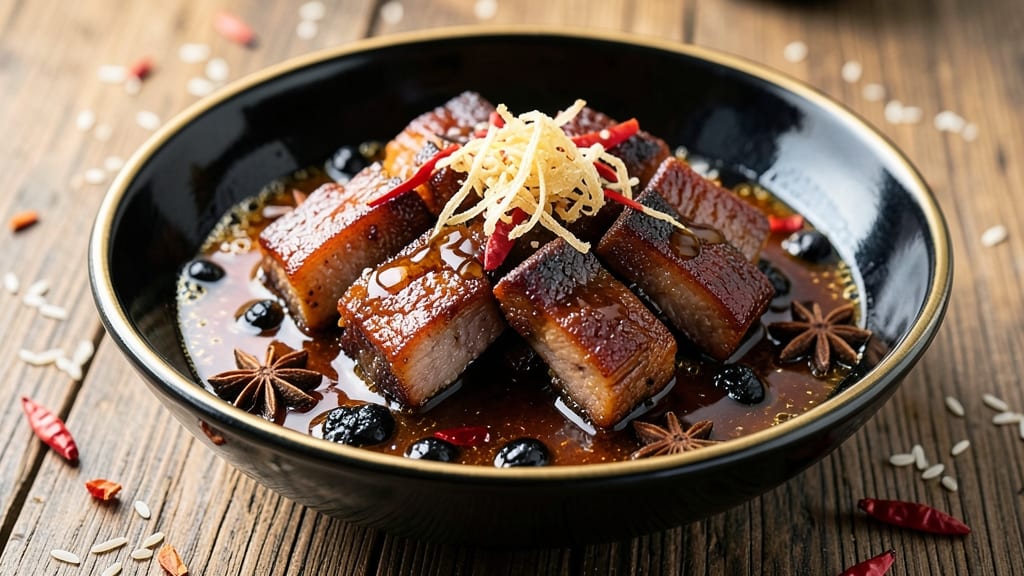
This Cantonese beef short ribs recipe delivers the same melt-in-your-mouth tenderness and deep, savory flavors you’d find in Hong Kong’s best dim sum restaurants. The key lies in a slow, multi-stage braising process that transforms tough beef into silky, fall-apart perfection—all while building layers of sweet, umami-rich sauce.
I’ve perfected this technique over years of testing, ensuring every bite balances rich soy, aromatic spices, and just the right touch of caramelized sweetness.
The process begins with a 30-minute marinade of beef short ribs in a blend of soy sauce, Shaoxing wine, and star anise, priming the meat for maximum flavor absorption.
Then, it’s braised for 2.5 hours at a gentle simmer, allowing collagen to break down into velvety richness while the ribs develop that signature glossy sheen. The result isn’t just tender—it’s restaurant-quality, with a sauce so deeply flavorful it clings to every bite.
What makes this recipe stand out is the rock sugar and fermented bean paste, traditional Cantonese ingredients that add complexity without overpowering.
The ribs emerge so tender they practically dissolve on your fork, while the sauce reduces into a glossy, slightly sticky glaze that’s perfect for drizzling over steamed rice or wrapping in buttery mantou buns. This is comfort food at its finest—warm, satisfying, and packed with authentic flavor.
Serve immediately for the best experience, but the leftovers reheat beautifully, making this an ideal dish for meal prep or hosting. The technique scales effortlessly, so whether you’re feeding a family or a crowd, you’ll achieve the same fall-off-the-bone richness every time. Let’s get started on this Cantonese classic.
Ingredients for cantonese beef short ribs
These 14 ingredients transform tough beef into restaurant-quality Cantonese braised ribs.
| Ingredient | Amount | Notes |
|---|---|---|
| Beef Short Ribs 🥩 | 3 lb | Bone-in, cut into 2-inch pieces |
| Soy Sauce 🍶 | ½ cup | Kosher salt reduced preferred |
| Shaoxing Wine 🍷 | ¼ cup | Dry Chinese cooking wine |
| Rock Sugar 🍬 | 2 tbsp | Or substitute brown sugar |
| Fermented Bean Paste 🍶 | ¼ cup | Douchi or tauco preferred |
| Star Anise 🌿 | 2 whole | Crushed lightly for aroma |
| Fresh Ginger 🧅 | 2 tbsp | Finely grated, aromatic |
| Garlic Cloves 🧄 | 6 cloves | Minced, fresh preferred |
| Green Onions 🧅 | ¼ cup | Sliced, for garnish |
| Sesame Oil 🫒 | 1 tbsp | Toasted, for finishing |
| Cornstarch 🌾 | 1 tbsp | For thickening sauce |
| Water 💧 | 1 ½ cups | For braising liquid |
| Salt 🧂 | 1 tsp | Kosher salt for seasoning |
| White Pepper 🌶️ | ½ tsp | Freshly ground preferred |
The beef short ribs are non-negotiable—look for bone-in cuts with good marbling at your local butcher or Costco. They should be roughly 2 inches thick for even cooking. Shaoxing wine is essential for authenticity; Trader Joe's carries it, or check the Asian market. Rock sugar adds that caramelized depth—substitute brown sugar if needed, but it won’t be the same. Fermented bean paste (douchi) gives umami complexity; if unavailable, miso paste at half the amount works in a pinch. The ginger and garlic should be freshly grated/minced—no dried substitutes here.
No Shaoxing wine? Dry sherry or mirin can stand in, but reduce by half since they’re sweeter. The star anise is aromatic, not flavorful—crush it lightly to release oils without bitterness. For the bean paste, tauco or fermented black beans are ideal; if you can’t find them, miso paste works at half the quantity. The green onions are purely decorative—skip them if you’re not serving immediately. Sesame oil is for finishing; toasted at the end to enhance aroma. The cornstarch is key for thickening—arrowroot powder works too.
This dish tastes even better the next day as flavors meld. Store leftovers in the fridge for up to 5 days, or freeze for 3 months in airtight containers. The sauce thickens as it cools—add a splash of water when reheating. For meal prep, double the recipe and freeze portions. The ribs reheat beautifully in a skillet with a splash of water or broth.
Why You'll Love This Recipe
- One-Pot Magic: I swear by this recipe when I’m too tired to dirty multiple pans. The ribs simmer right in their own juices with the fermented bean paste and rock sugar—no extra bowls, no extra stress. Just throw everything in, let it work its flavor, and walk away.
- Umami Bomb: That fermented bean paste? It’s the secret weapon here. Deep, nutty, and slightly funky—it turns tough ribs into something so rich and satisfying, you’ll forget you’re eating something that used to be chewy. The Shaoxing wine ties it all together with a bright, winey finish that cuts through the richness.
- Weeknight to Dinner Party: Make it for yourself on a Tuesday or double the batch for guests—this recipe doesn’t care. The leftovers actually taste better the next day, and it’s hearty enough to feed a crowd without feeling like a chore. Serve it over rice, or just pile it on a plate with steamed greens. No rules.
- Budget-Friendly Luxury: Short ribs can be pricey, but this recipe makes them feel special without breaking the bank. A little soy sauce, a splash of wine, and that fermented bean paste stretch the flavor so far, you’ll wonder why you ever bought pre-made sauces. Plus, the sugar caramelizes into a glossy glaze—no need for fancy garnishes.
Step-by-step instructions for braised Cantonese beef short ribs
Transform tough beef short ribs into melt-in-your-mouth perfection with this traditional Cantonese braising technique.
Prepare the Beef Short Ribs for Maximum Flavor Absorption
Pat the 3 lb beef short ribs completely dry with paper towels—this step is non-negotiable for crispy edges later. Using a sharp chef's knife, trim any excess fat but leave about ¼-inch to protect the meat during braising. Cut the ribs into 2-inch pieces for even cooking, ensuring each piece has a good amount of bone attached.
In a large mixing bowl, combine the ribs with 0.5 cup soy sauce, 0.25 cup shaoxing wine, and 1 tsp salt. Marinate at room temperature for 30 minutes, then transfer to the refrigerator and let them sit uncovered for 2 hours. This dual-stage marinating process ensures deep flavor penetration while preventing bacterial growth. The ribs should develop a glossy sheen from the soy sauce, indicating they're ready for braising.
Build the Aromatic Braising Base
Heat a 5-quart Dutch oven over medium-high heat until hot. Add the marinated ribs in a single layer, working in batches if needed, and sear for 3-4 minutes per side until they develop a deep mahogany crust. This initial searing locks in juices and builds foundational flavor through the Maillard reaction.
Remove the ribs and set aside. In the same pot, add 2 tbsp rock sugar and let it caramelize for 2-3 minutes until it turns a rich amber color. This sugar creates a glossy glaze that enhances the ribs' texture and balances the savory flavors. Add 2 whole star anise (lightly crushed), 2 tbsp fresh ginger, and 6 cloves garlic cloves, cooking for 30 seconds until fragrant. Pour in 1.5 cups water and scrape up any browned bits from the bottom—this is where all the flavor hides.
Braise Until Fork-Tender with Perfect Sauce
Return the ribs to the pot, adding 0.25 cup fermented bean paste and 0.5 tsp white pepper. Bring to a gentle simmer, then reduce heat to low, cover tightly, and let it cook for 2 hours. The ribs are done when they're fork-tender with no resistance, and the sauce has reduced to a thick, glossy consistency that clings beautifully.
Here's the secret: check the ribs at the 1.5-hour mark—if the sauce is too thin, uncover and simmer for 10 minutes to reduce it. If it's still too thin after the full 2 hours, mix 1 tbsp cornstarch with 2 tbsp water and stir it into the sauce until it thickens slightly. The sauce should coat the back of a spoon and have a velvety texture, not watery.
Finish with Umami Depth and Garnish
Remove the ribs and strain the braising liquid through a fine-mesh sieve into a clean saucepan. Skim off any excess fat if desired—though a little fat adds richness. Return the sauce to medium heat and let it reduce for 5-7 minutes until it reaches a syrupy consistency. Stir in 1 tbsp sesame oil and 0.25 cup sliced green onions, then pour the sauce back over the ribs.
Let the ribs rest for 10 minutes before serving. The sauce will thicken further as it cools, creating an irresistible glossy sheen. Serve each portion with a generous ladle of sauce spooned over the top, garnished with extra green onions. The contrast of tender, fall-apart meat with the rich, umami-packed sauce is what makes this dish legendary.
Pro Tips For Making Cantonese Beef Short Ribs
- Sear the Ribs First: I learned this the hard way—skipping the sear means flavor hiding in the sauce instead of clinging to the meat. Hit the ribs with a screaming-hot wok or pan until they’re deep brown (about 3-4 minutes per side), then pull them out. That crust locks in the juices and makes the sauce cling like glue.
- Slice the Short Ribs Against the Grain: Thin slices? Cut them perpendicular to the bone’s grain—this is non-negotiable if you want tender bites. Use a sharp knife and slice through the connective tissue at a 45-degree angle for maximum tenderness. (Yes, even if it looks messy at first.)
- Bloom the Fermented Bean Paste: After searing the ribs, toss them in a cold pan with 1 tablespoon of fermented bean paste before adding liquid. Let it sizzle for 30 seconds—this releases its nutty aroma and deepens the sauce’s richness. Skip this, and your dish will taste flat, no matter how much soy sauce you dump in.
- Deglaze with Shaoxing Wine Early: Don’t wait until the end to add the Shaoxing wine. Pour it in right after searing, while the pan is still smoking, and let it bubble for 2 minutes. This extracts more flavor from the beef and prevents the sauce from turning bitter. (I used to add it last, and the difference is night and day.)
Troubleshooting perfect results
Ribs Too Tough?
If your ribs emerge tough instead of tender, you likely braised at too high a temperature or didn’t cook long enough. The key is maintaining a gentle simmer—never a rolling boil—which breaks down collagen without overcooking.
I recommend using a meat thermometer and aiming for an internal temperature of 203°F (the point where collagen fully converts to gelatin). If they’re still tough after 2 hours, extend cooking to 2.5 hours while keeping the lid slightly ajar to allow moisture to escape gradually. 🌡️
Sauce Too Thin?
A watery sauce usually means the ribs weren’t seared properly or the braising liquid wasn’t reduced enough. First, ensure you scraped up all browned bits from the Dutch oven after searing—this adds depth and thickness.
If the sauce is still thin after 2 hours, uncover the pot and simmer uncovered for 10-15 minutes to evaporate excess liquid. For an instant fix, mix 1 tbsp cornstarch with 2 tbsp cold water, then whisk it into the sauce until it thickens slightly.
Avoid over-thickening, though—you want a glossy, velvety consistency, not a paste.
Meat Too Dry?
Overcooking or insufficient braising liquid can dry out the ribs. To prevent this, never let the liquid boil vigorously—it should only simmer gently.
If your ribs look dry, add ¼ cup hot water or beef broth to the pot and cover tightly for 20-30 minutes to steam them back to tenderness. The ribs should be fork-tender with juices, not stringy or dry.
If they’re still dry, they were likely cut too thinly—aim for 2-inch thick pieces next time for better moisture retention. 💧
Flavor Too Mild?
Muted flavors often stem from using low-quality ingredients or skipping key aromatic steps. First, double-check your soy sauce—use Kosher salt-reduced for balance. Next, ensure you caramelized the rock sugar until amber and crushed the star anise to release its oils.
For extra depth, add 1 tbsp fermented black beans or ½ tsp white pepper during the final 30 minutes of braising. If the sauce still tastes bland, reduce it longer over medium heat to concentrate the flavors.
The sauce should coat the back of a spoon and have a rich, umami-packed taste.
Ribs Stuck Together?
This happens when the sauce reduces too much or the ribs aren’t submerged properly. To fix this, gently separate the ribs with tongs and add 2-3 tbsp water or broth to the pot. Cover and let them steam for 10 minutes to loosen.
For future batches, ensure the ribs are partially submerged in the braising liquid—add more water if needed, but don’t overdo it. The sauce should just barely cover the bottom of the ribs, not drown them. 🍲
Sauce Too Sweet?
An overly sweet sauce usually means the rock sugar wasn’t balanced with enough soy sauce or acid. To fix this, add 1 tsp rice vinegar or Shaoxing wine to brighten the flavors.
For prevention, reduce the rock sugar to 1 tbsp next time and increase the soy sauce to ⅔ cup. The sauce should have a savory-sweet balance, not cloying sweetness. Taste as you go—adjust incrementally until you hit the right harmony.
The fermented bean paste also adds umami depth, so don’t skimp on that either!
Nutrition facts
Frequently asked questions
Can I substitute beef short ribs with pork or lamb?
While beef is traditional, you can adapt this recipe for pork ribs or lamb shanks, but expect different textures and cooking times. Pork ribs will cook faster (1.5 hours) and stay juicier, while lamb requires 2.5-3 hours to tenderize. Adjust the braising time based on doneness—lamb needs longer due to its denser collagen. For pork, reduce sugar slightly to avoid over-sweetness.
What’s the best way to reheat leftover Cantonese beef short ribs?
Reheat gently to preserve tenderness: place ribs in a skillet with 2 tbsp water or beef broth, cover, and warm over low heat for 10-15 minutes. Avoid microwaving—they’ll dry out. For extra richness, add a splash of Shaoxing wine or soy sauce. The sauce will thicken further, so thin with a splash of water if needed. Leftovers keep for 5 days refrigerated or 3 months frozen.
Why does the recipe call for rock sugar instead of regular sugar?
Rock sugar caramelizes more slowly and deeply, creating a glossy, complex glaze that balances the savory flavors. Regular sugar burns easily and adds a harsh sweetness. If unavailable, use brown sugar (1:1 ratio), but expect a slightly less refined texture. The sugar’s role is to create a sticky, umami-rich sauce—don’t skip it, but taste as you go to avoid over-sweetness.
Can I make this dish in an Instant Pot or slow cooker?
Yes! For the Instant Pot, sear ribs first, then add all ingredients (except cornstarch) and pressure cook for 60 minutes on high. Release pressure naturally, then thicken the sauce on the stovetop. In a slow cooker, braise on low for 6-7 hours or high for 4 hours, adding water as needed to prevent drying. The slow cooker version will be slightly less caramelized but equally tender.
How do I know when the ribs are fully tender?
Ribs are done when they’re fork-tender with no resistance and the meat pulls away from the bone easily. Test at the 1.5-hour mark—they should be close but still slightly firm. The internal temperature should reach 203°F (collagen breakdown point). If they’re not tender, extend cooking time by 30-minute increments while keeping the lid slightly ajar to evaporate excess moisture.