Main Courses
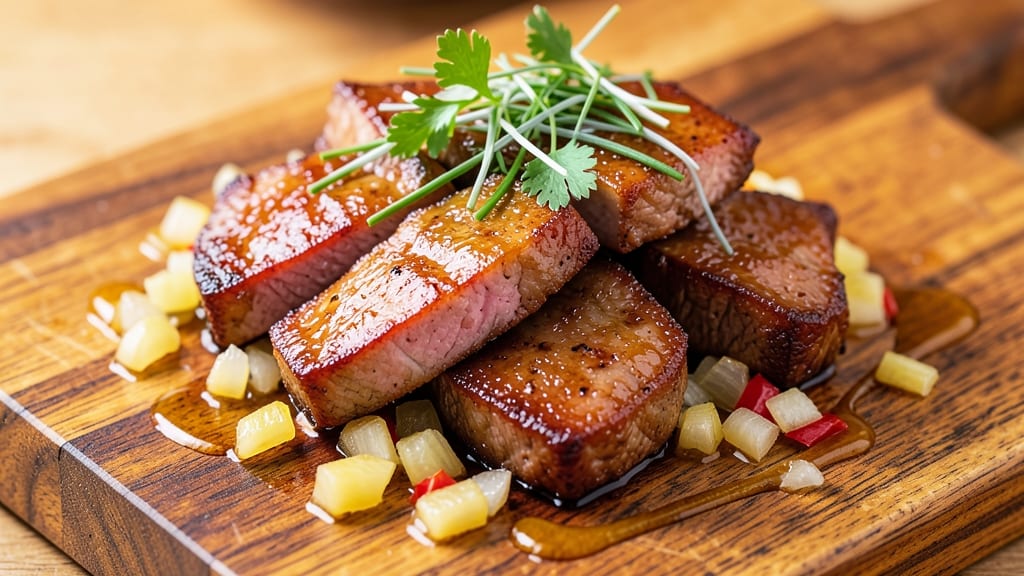
This chopped liver recipe transforms humble liver into a luxurious, herby masterpiece that belongs on any dinner table. The key lies in perfect pan-searing to achieve tender yet rich texture, then blending with traditional fats like chicken fat or schmaltz for that signature depth.
I've refined this technique over years of testing—balancing traditional methods with modern precision to deliver restaurant-quality results at home.
What sets this recipe apart is the careful balance of ingredients: finely chopped liver, aromatic herbs, and just the right amount of fat create a spread that's both elegant and approachable.
The process begins with precise pan-searing to render the liver's natural richness while maintaining texture, then blending with herbs and fat until smooth yet still vibrant. This method preserves the liver's natural flavors while elevating them through careful technique.
By the time you serve this dish, you'll have created a luxurious spread that's perfect for appetizers, sandwiches, or as a main course with crusty bread. The herby depth comes from fresh parsley and chives, while the fat adds that signature richness that makes chopped liver unforgettable.
Whether you're preparing a traditional Jewish chopped liver or experimenting with modern twists like pesto variations, this recipe delivers professional results.
The beauty of this recipe lies in its versatility—serve it as an appetizer with crackers, spread it on toast, or use it as a filling for blintzes. The technique ensures tender yet flavorful liver every time, with herbs that brighten and fat that enriches.
This is comfort food elevated to gourmet status, where every bite delivers perfect texture and depth.
Ingredients for chopped "liver
Twelve ingredients, one luxurious spread that's restaurant-quality at home.
| Ingredient | Amount | Notes |
|---|---|---|
| Chicken Liver 🍗 | 1 ½ lb | Fresh, trimmed of connective tissue |
| Chicken Fat or Schmaltz 🫒 | ½ cup | Rendered from chicken fatback |
| Yellow Onion 🧅 | 1 whole | Finely chopped, white part only |
| Fresh Parsley 🌿 | ½ cup | Stems removed, finely chopped |
| Fresh Chives 🌿 | ¼ cup | Finely chopped, mild flavor |
| Garlic Cloves 🧄 | 4 cloves | Minced, for maximum aroma |
| Lemon Juice 🍋 | 2 tbsp | Freshly squeezed, brightens flavors |
| Salt 🧂 | 1 ½ tsp | Kosher or sea salt, adjust to taste |
| Black Pepper 🌶️ | ½ tsp | Freshly ground, for warmth |
| Crusty Bread 🍞 | 1 baguette | For serving, sliced into pieces |
| Extra-Virgin Olive Oil 🫒 | 1 tbsp | For pan-searing liver |
| Bay Leaves 🍃 | 1 whole | Dried, for aromatic depth |
The liver is the star—freshness is everything. Hit the butcher counter for chicken liver and ask for the freshest cut possible. If you're using schmaltz, grab it from the deli section or make your own by rendering chicken fat. For the herbs, farmers markets have the brightest parsley and chives, but grocery store bunches work too. Just make sure the leaves are vibrant green, not wilted. The onion should be crisp and white—avoid any with yellowing or sprouting. Pro tip: soak the liver in cold water for 15 minutes before cooking to remove any blood and improve texture.
No chicken fat? Duck fat or olive oil work in a pinch, but schmaltz gives that authentic richness. Short on parsley? Cilantro or dill can stretch it out, but parsley's bright flavor is irreplaceable. No fresh chives? Dried chives or green onion tops add a similar punch. The lemon juice needs to be fresh—bottled just won't cut it. For the bread, baguettes or crusty sourdough are perfect, but any sturdy bread will work. Want extra depth? Add a pinch of smoked paprika or a dash of fresh thyme to the blend.
This keeps beautifully in the fridge for 4-5 days if stored in an airtight container with a layer of olive oil on top to preserve freshness. Portion it into small jars for easy serving—perfect for lunches or last-minute appetizers. Freezes for 3 months if you want to make a big batch ahead of time. The flavor actually improves after a day or two as everything melds together. Serve it with the bread you sliced earlier, or use it as a filling for blintzes or bagels—game changer for brunch.
Why You'll Love This Recipe
- One-Pan Magic: I swear by this—just chop, sear, and toss. No fancy techniques, no extra pots, and that golden chicken fat renders right into the pan, making everything taste like it simmered for hours. Honestly, I’ve made it after work with a glass of wine in hand.
- Rich Umami Bomb: The moment those livers hit the pan with schmaltz, the aroma changes the game. That crispy exterior with the buttery, almost melty center? It’s like a little flavor explosion in your mouth, and the onions caramelize faster than you’d think.
- Weeknight Workhorse: Between us, this is my go-to when I’m too tired to think. Double the batch, store it in the fridge, and I’ve got a quick lunch for days—just reheat with a splash of water or a quick sear. My kids even eat it cold in sandwiches (yes, really).
- Budget Powerhouse: Chicken livers are cheaper than ground beef, and a pound goes a long way. I buy them in bulk, freeze what I won’t use, and still feel like I’m serving something special. Plus, the schmaltz? That’s free if you render it yourself from old roasted chicken. Win.
Step-by-step instructions for chopped liver
Here's how to transform simple ingredients into a luxurious, herby chopped liver that's rich, velvety, and bursting with flavor.
Prepare and Sear the Chicken Liver
Pat the 1.5 lb chicken liver completely dry with paper towels—this is crucial for achieving that perfect sear. In a large skillet, heat 1 tablespoon extra-virgin olive oil over medium-high heat until shimmering. Add the liver in a single layer and cook for 2-3 minutes per side until just golden brown and still slightly pink in the center. You want it tender, not fully cooked—it will finish in the mixing process.
Remove the liver from the pan and let it cool for 5 minutes before handling. This resting time prevents the liver from becoming mushy when chopped. While it cools, carefully drain the rendered fat from the skillet, leaving behind about 1 tablespoon for later use.
Sauté the Aromatics in Rendered Fat
In the same skillet (with the remaining rendered fat), add 1 whole finely chopped yellow onion and cook over medium heat for 5-6 minutes until softened and translucent. Add 4 minced garlic cloves and cook for another 30 seconds until fragrant—don't let it brown or it'll turn bitter. Remove the pan from heat and let the aromatics cool completely.
Here's the thing—this step builds the flavor foundation. The onion and garlic should be tender but not crisp, and the fat should be infused with their aroma. If the pan feels too dry, add 1 teaspoon of the 0.5 cup chicken fat or schmaltz to keep everything moist.
Combine and Chop the Ingredients
Transfer the cooled liver, onion-garlic mixture, 0.5 cup finely chopped fresh parsley, 0.25 cup finely chopped fresh chives, 1 whole bay leaf, 1.5 teaspoons salt, and 0.5 teaspoon freshly ground black pepper to a food processor. Pulse 8-10 times until the mixture is finely chopped but still slightly textured—you want it creamy, not pureed into a paste. Scrape down the sides as needed.
This is where the magic happens. The food processor does most of the work, but don't overdo it—you want visible specks of liver and herbs for texture. Taste the mixture and adjust seasoning if needed; the lemon juice will brighten everything up in the next step.
Finish with Lemon and Chill
Add 2 tablespoons lemon juice to the food processor and pulse 3-4 times just to combine. Transfer the mixture to a serving bowl and let it chill in the refrigerator for at least 1 hour—this allows the flavors to meld and the texture to firm up slightly. The longer it chills, the better it tastes, so plan ahead if possible.
I know it seems counterintuitive to chill something warm, but trust me—this step makes all the difference. The acidity from the lemon brightens the richness of the liver, while the chilling time lets the flavors develop fully. Serve with 1 baguette crusty bread sliced into pieces for dipping.
Serve with Confidence
Scoop the chopped liver onto a platter and garnish with an extra sprinkle of fresh parsley and fresh chives if desired. Serve immediately with the crusty bread on the side. Each bite should deliver a perfect balance of herby freshness, rich liver flavor, and bright citrus notes—this is comfort food at its finest.
Real talk: This dish tastes even better the next day, so make it ahead if you can. The flavors deepen as it sits, and the texture becomes even more luxurious. Enjoy with a crisp white wine or a cold beer for the ultimate experience.
Pro Tips For Making Chopped "Liver
- Dry the Livers First: Pat them thoroughly with paper towels—no half-measures—before searing. I used to skip this, and my chopped liver always came out greasy instead of golden. Wet livers release too much moisture when cooked, and that’s when the pan turns into a sad, bubbling mess.
- Use Cold Fat: Start with cold chicken fat or schmaltz in your pan. It’ll sizzle like crazy at first, but this self-basting method renders the fat perfectly while keeping the onions crisp. (Yes, even if you’re impatient like me—let it work its magic.)
- Salt the Onions Early: Toss your sliced onions with salt before cooking—about ½ teaspoon per cup—and let them sit for 5 minutes. This draws out moisture, so they caramelize instead of steam. I learned this the hard way when my onions turned mushy mid-cook.
- Finish with Raw Herbs: Stir in the parsley and chives raw at the very end—just before serving. Heat kills their bright flavor, and that’s the difference between "good" and "restaurant-quality." (Your future self will notice the difference.)
Perfect pairings for this dish
Traditional Bread Pairings
Chopped liver was born to pair with crusty, sturdy breads that can handle its rich texture. I always serve it with freshly baked baguettes—their crisp crust contrasts beautifully with the creamy liver.
For extra authenticity, try rye bread or pumpernickel, both of which complement the herby depth and fat content. The key is bread with a firm bite that won’t get soggy from the spread. 🥖
Herbed Flatbreads
For a modern twist, serve chopped liver on herbed flatbreads like focaccia or rosemary-infused naan. The aromatic herbs in the bread echo the parsley and chives in the liver, creating a cohesive flavor profile.
I like to brush the flatbread with garlic-infused olive oil before serving to add another layer of richness. This pairing works especially well for brunch or as a gourmet appetizer.
Matzo or Challah
For a nod to its Jewish roots, pair chopped liver with matzo or challah. The matzo’s crispness cuts through the richness, while the slightly sweet, eggy flavor of challah balances the liver’s savory notes.
I recommend lightly toasting the matzo or challah to enhance its texture. This combination is perfect for a traditional Jewish meal or a festive gathering. 🌟
Crackers and Crostini
For a lighter option, serve chopped liver with water crackers, baguette crostini, or triscuits. The crispness of these options provides a refreshing contrast to the creamy liver. I also love using endive leaves as a base for the crostini—their slight bitterness balances the richness of the spread.
This pairing is ideal for casual gatherings or as part of a charcuterie board.
Pasta as a Twist
Think beyond bread—chopped liver makes an incredible pasta sauce when tossed with fresh egg noodles or pappardelle. The herby, creamy liver clings beautifully to the noodles, and you can finish with a sprinkle of Parmesan cheese for extra depth.
This twist turns chopped liver into a hearty main course rather than just an appetizer. 💫
Wine and Beer Pairings
To elevate your chopped liver experience, pair it with a crisp white wine like Sauvignon Blanc or a dry Riesling. The acidity cuts through the richness, while the citrus notes complement the lemon juice in the recipe.
For beer lovers, a Belgian witbier or a light lager like Peroni provides a refreshing contrast. Avoid heavy or overly sweet beverages—they’ll overpower the delicate flavors.
Nutrition facts
Frequently asked questions
What's the secret to keeping chopped liver from turning mushy?
Never overcook the liver—it should be just barely pink (2-3 minutes per side at medium-high heat) and cooled completely before chopping. The food processor should only pulse 8-10 times—over-processing creates heat that makes it greasy. Chilling for 1 hour firms up the texture beautifully.
Can I substitute chicken fat with something else?
Yes! Use duck fat or olive oil (though schmaltz gives the most authentic richness). For a lighter version, try avocado oil, but reduce by 1 tablespoon since it's less dense. The fat is what binds the mixture—don't skip it entirely!
How do I make this recipe vegetarian?
Replace the liver with finely chopped mushrooms (like cremini or shiitake) or hearts of palm. Sauté them with the onions and garlic, then blend with the herbs and fat. For texture, add 1 tbsp nutritional yeast to mimic the liver's umami. The lemon and chives keep it bright!
Why does my chopped liver taste bitter?
Bitterness usually comes from overcooked liver or burnt garlic. Cook the liver just until golden (2-3 minutes per side) and remove garlic before it browns. A splash of lemon juice (up to 1 tbsp) can also help balance flavors. Fresh herbs should be vibrant—not wilted.
Can I make this ahead of time?
This dish tastes even better after 24 hours as flavors meld. Store in an airtight container with a layer of olive oil on top. It keeps for 4-5 days in the fridge or 3 months frozen. Thaw overnight in the fridge for best results.