Appetizers
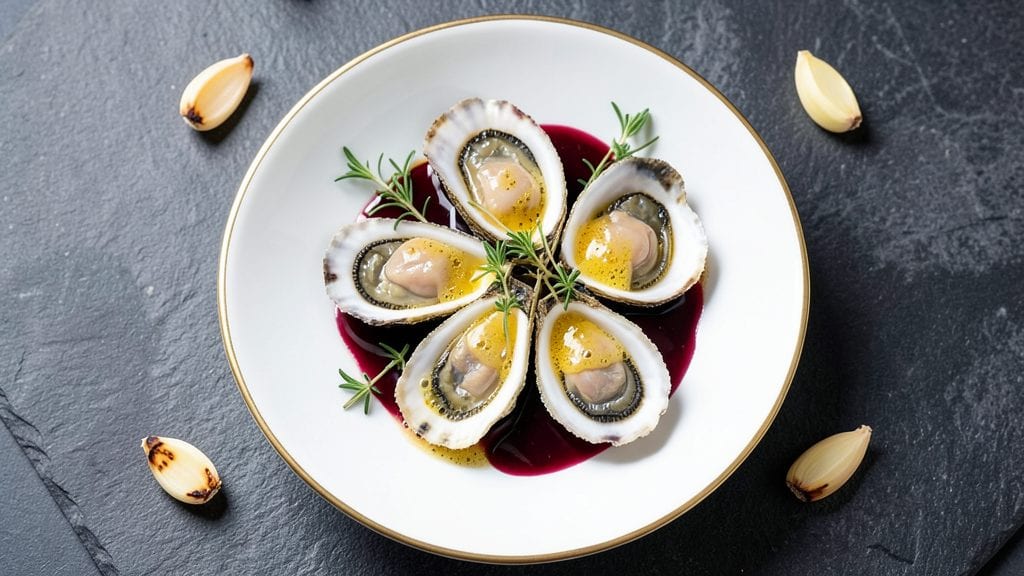
Cooking oysters transforms their delicate brininess into a luxurious, melt-in-your-mouth experience that rivals any seafood dish. This briny butter poached method with garlic and thyme delivers restaurant-quality results with just 15 minutes of hands-on time and 10 minutes of simmering.
The secret lies in using high-quality oysters and a precise cooking technique that preserves their natural sweetness while enhancing their flavor with aromatic herbs.
What sets this recipe apart is the balance of textures—tender oysters with crisp edges, all enveloped in a velvety butter sauce infused with garlic and thyme. Unlike raw preparations, this method ensures every bite is perfectly cooked, with the oysters just firm enough to hold their shape while remaining succulent.
The briny butter adds a rich, savory depth that complements the natural oceanic flavor of the oysters.
This dish is ideal for impressing guests or elevating a simple gathering, as it requires minimal effort but delivers maximum impact. Pair it with crusty bread to soak up the remaining sauce or serve alongside a crisp salad for a well-rounded appetizer.
The technique is straightforward, but the results are anything but ordinary—each bite is a testament to the art of cooking seafood.
Safety is paramount when cooking oysters, so we’ll guide you through proper shucking and handling techniques to ensure a flawless experience. Whether you're a seasoned cook or a beginner, this recipe delivers foolproof results that highlight the natural beauty of fresh oysters.
Let’s get started on creating a dish that’s as elegant as it is delicious.
Ingredients for cooked oysters
High-quality oysters, aromatic herbs, and velvety butter create a luxurious appetizer that rivals fine dining.
| Ingredient | Amount | Notes |
|---|---|---|
| Fresh Oysters 🦪 | 1 ½ lb | Shucked, in shell preferred |
| Unsalted Butter 🧈 | ¾ cup | Cold, cut into 1-inch cubes |
| Garlic Cloves 🧄 | 6 cloves | Thinly sliced, peeled |
| Fresh Thyme Leaves 🌿 | ½ cup | Finely chopped, stems removed |
| Dry White Wine 🍷 | ¼ cup | Sauvignon Blanc preferred |
| Lemon Juice 🍋 | 2 tbsp | Freshly squeezed |
| Diamond Crystal Kosher Salt 🧂 | ½ tsp | For seasoning |
| Freshly Ground Black Pepper 🌶️ | ¼ tsp | Lightly cracked |
| Fresh Parsley Leaves 🌿 | ¼ cup | Chopped, for garnish |
| Crusty Baguette 🥖 | 1 whole | For serving |
| Ice Water 💧 | 1 cup | For chilling oysters |
The foundation of this dish lies in premium oysters, ideally sourced from a reputable seafood market or trusted supplier. Look for oysters labeled as freshly shucked and stored on ice—Whole Foods or local seafood purveyors often carry the best selections. For optimal texture, use oysters that are still in their shells, as this preserves their natural shape during cooking. If using pre-shucked, ensure they’re covered with ice water until ready to cook. The butter must be unsalted and cold—cutting it into cubes prevents premature melting and ensures a proper emulsion with the wine and thyme.
Substitutions can be made without sacrificing quality, though precision matters. If white wine isn’t available, dry vermouth or oyster liquor works equally well—just ensure it’s bone-dry to avoid diluting the briny flavor. Fresh thyme is ideal, but dried thyme at one-third the amount suffices in a pinch. For a richer sauce, substitute half the butter with brown butter, though it will alter the sauce’s color slightly. The parsley garnish can be omitted if unavailable, but it adds a bright contrast that elevates the dish. If crusty bread isn’t on hand, toasted sourdough or water crackers serve as excellent alternatives for serving.
This dish is best prepared fresh but can be made ahead with careful storage. Once cooked, transfer the oysters and sauce to a sealed container and refrigerate for up to 2 days, though the texture may soften slightly. To reheat, gently warm the sauce in a saucepan over low heat, then add the oysters just before serving. The butter sauce freezes beautifully for up to 1 month—store it separately and reheat the oysters in the sauce for a quick appetizer. For presentation, serve the oysters in their shells with a small pool of sauce and garnish with parsley just before eating to maintain vibrancy.
Why You'll Love This Recipe
- One-Pan Magic: I swear by this—just oysters, butter, garlic, and wine in one skillet. No chopping, no fuss, and the pan cleans itself while you eat.
- Garlic-Wine Kiss: That first sip of wine hitting the hot butter? Pure umami overload. The thyme ties it all together—bright, herby, and impossible to resist.
- Date Night Ready: Honestly, it feels fancy but takes 15 minutes. Serve with crusty bread, and you’ve got a restaurant-worthy starter without the pretension.
- Leftovers? No Problem: Cook extra, store them covered in their buttery sauce, and reheat gently. They’ll still taste like you just pulled them from the fire—no sad, rubbery oysters here.
Instructions for briny butter poached oysters
This method transforms fresh oysters into silky, buttery perfection with aromatic garlic and thyme.
Prepare the Oysters and Chill
Begin by placing the 1.5 lb fresh oysters in a large bowl and covering them with the 1 cup ice water. Let them soak for 10 minutes while you prepare the remaining ingredients. This chilling step ensures they remain crisp and briny rather than overcooked. The ice water also helps cleanse any grit or sand from the shells.
While the oysters chill, use a sharp oyster knife to shuck any that remain in their shells. Discard the top shells and place the oysters in their bottom shells in a single layer on a large plate. Keep them refrigerated until ready to cook. The goal is to maintain their natural shape and texture throughout the process.
Sauté Garlic and Thyme in Butter
In a large, heavy-bottomed skillet, melt the 0.75 cup unsalted butter over medium-low heat. Add the 6 cloves thinly sliced garlic and 0.5 cup finely chopped fresh thyme leaves, stirring gently for 2-3 minutes until the garlic becomes translucent and fragrant. Avoid browning the garlic—this step is about infusing the butter with flavor, not caramelization.
Remove the skillet from heat and let the mixture cool slightly for 1 minute. This prevents the butter from curdling when combined with the wine later. The butter should still be liquid but no longer actively bubbling. Keep the garlic-thyme butter warm and ready for the next step.
Poach Oysters in Wine and Lemon
Return the skillet to low heat and add the 0.25 cup dry white wine, scraping up any browned bits from the bottom. Let it simmer gently for 1 minute to reduce slightly and deepen the flavor. Then, pour in the 2 tbsp lemon juice and stir to combine. The mixture should smell bright and aromatic—this is your poaching liquid.
Carefully transfer the chilled oysters to the skillet, shell-side down, and pour enough of the wine-lemon mixture over them to just cover. Cover the skillet with a lid and cook for 3-4 minutes until the oysters curl slightly at the edges. They should remain tender and plump, not rubbery or overcooked. The liquid should be reduced but still coat the oysters lightly.
Finish with Seasoned Butter
Remove the skillet from heat and gently fold in the garlic-thyme butter, coating each oyster evenly. Sprinkle with 0.5 tsp diamond crystal kosher salt and 0.25 tsp freshly ground black pepper, tossing lightly to distribute. The butter should melt into a glossy, briny sauce that clings to the oysters.
Taste one oyster and adjust seasoning if needed. The dish should balance buttery richness with bright acidity and herbal notes. Serve immediately with the 1 whole crusty baguette for dipping and garnish each plate with 0.25 cup chopped fresh parsley leaves for color and freshness.
Serve and Enjoy
Divide the oysters among plates, shell-side up, and drizzle any remaining poaching liquid over the top. The contrast of the briny butter against the crisp baguette creates the perfect texture combination. Each bite should deliver a harmonious blend of buttery richness, garlicky depth, and thyme's earthy aroma.
For best results, serve while the oysters are still warm and the butter remains fluid. Leftovers can be refrigerated for up to 1 day, but they're best enjoyed immediately for peak texture and flavor. Pair with a crisp white wine or a light lager to complement the dish's briny, buttery profile.
Pro Tips For Making Cooked Oysters
- Shuck First, Then Prep: DESCRIPTION: Don’t waste time scrubbing oysters—just shuck them right before cooking. The briny liquid in their shells is flavor gold, so crack them open, drain most of the liquid (leave a thin layer), then toss the oysters straight into the pan. I used to clean them first, and the sauce never tasted as rich.
- Sear, Don’t Simmer: DESCRIPTION: High heat is your friend here—get that pan screaming hot before adding the oysters. They should sizzle immediately, not just gently cook. After 30 seconds, lower the heat to medium and add the wine, or you’ll end up with steamed oysters instead of caramelized ones.
- Toast the Garlic: DESCRIPTION: Smash the garlic cloves with the flat of your knife first, then fry them in the butter until they’re just golden—not crispy, just fragrant. Burnt garlic turns bitter, and no one wants that fighting with the wine and thyme.
- Deglaze Fast, Then Strain: DESCRIPTION: As soon as the wine hits the pan, scrape up those browned bits—this is where the flavor lives. Let it reduce by half, then strain out the thyme leaves (unless you’re feeling fancy). I skip this step sometimes, and the dish still works, but the sauce is noticeably cleaner.
Flavor customization for this dish
Spicy Kick
For those who love heat, add ½ tsp cayenne pepper or 1 tsp hot sauce like Cholula to the poaching liquid. I recommend stirring it in during the 1-minute wine reduction step—this ensures even distribution without overpowering the delicate oysters.
A dash of smoked paprika adds depth while keeping the heat balanced. Serve with extra hot sauce on the side for customization. 🌶️
Herb Variations
Swap thyme for fresh tarragon or chervil for a more anise-like flavor, or use Italian parsley and basil for a Mediterranean twist. I’ve found that ½ cup fresh tarragon with ¼ cup basil creates a bright, almost French-inspired profile that pairs beautifully with the buttery sauce.
For a smoky touch, add ½ tsp smoked sea salt to the seasoning blend.
Creamy Twist
For a richer texture, fold in 2 tbsp heavy cream with the garlic-thyme butter at the end. This creates a luxurious, almost bisque-like sauce that clings to the oysters.
I recommend using full-fat cream for the best mouthfeel—it adds a velvety contrast to the briny oysters. Garnish with a sprinkle of toasted breadcrumbs for extra crunch. 💛
Umami Boost
Enhance the depth of flavor by adding 1 tsp fish sauce or 1 anchovy fillet (finely chopped) to the poaching liquid. These ingredients amplify the umami notes without overpowering the dish. I’ve also had great success with ½ tsp soy sauce in the final seasoning—just be mindful of salt levels.
For a smoky umami kick, add ¼ tsp liquid smoke to the butter mixture before folding it in.
Citrus Brightness
Elevate the dish with additional citrus by adding 1 tbsp orange zest to the butter or swapping the lemon juice for a mix of lemon and lime juice. The acidity cuts through the richness beautifully.
I love finishing with a drizzle of honey (about 1 tsp) for a sweet-tart balance—just toss it with the parsley garnish before serving. 🍋
Smoky Grilled Option
For a smoky twist, grill the oysters after poaching. Place the cooked oysters shell-side down on a hot grill (or grill pan) for 1-2 minutes until they develop grill marks.
Finish with a sprinkle of smoked salt and serve with a side of grilled corn salsa** for a summery, smoky-sweet contrast. This method works best with oysters that have been poached just until they curl slightly—then grilled to perfection. ⚡
Nutrition facts
Frequently asked questions
How do I know when oysters are properly cooked?
Fully cooked oysters will curl slightly at the edges and become opaque in color. They should feel tender but still hold their shape—3-4 minutes of poaching is ideal. Overcooking turns them rubbery, so keep a close eye on the timing. The liquid should reduce slightly but still coat the oysters lightly.
Can I use frozen oysters instead of fresh?
Fresh oysters yield the best texture, but if you must use frozen, thaw them completely in the refrigerator overnight. Drain well and pat dry before cooking. Frozen oysters may release more water, so reduce the poaching liquid slightly or cook uncovered for the last 1 minute to evaporate excess moisture.
What’s the best way to store leftover cooked oysters?
Store cooked oysters in an airtight container with any remaining poaching liquid. They’ll keep in the fridge for 1 day at most, but texture softens over time. For longer storage, freeze the sauce separately and reheat the oysters in it later. Always reheat gently to avoid drying them out.
Why did my oysters turn rubbery?
Rubbery oysters usually mean overcooking—check your timing (3-4 minutes max) and heat level (low heat only). Another culprit? Not chilling them beforehand. Always soak oysters in ice water for 10 minutes before cooking to maintain crispness. If they’re pre-shucked, handle them gently to avoid tearing.
What’s the best wine substitute if I don’t have white wine?
Use dry vermouth or oyster liquor for depth, or swap for chicken or seafood stock plus 1 tbsp lemon juice. Avoid sweet wines—they’ll make the sauce cloying. For a non-alcoholic option, use apple cider vinegar + water (1:3 ratio) with extra lemon juice for brightness.