Appetizers
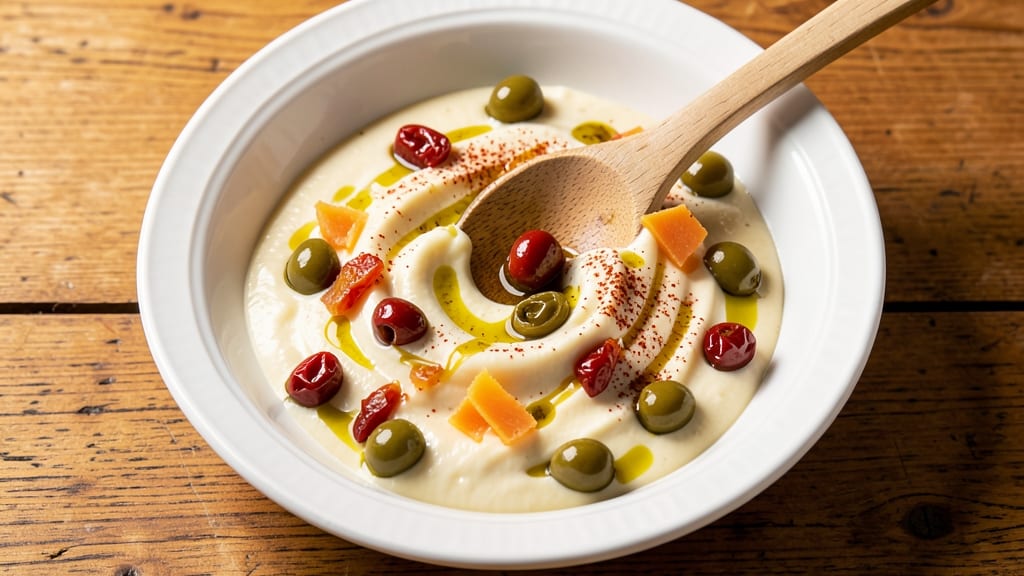
This copycat pimento cheese recipe delivers the same creamy, smoky-spiced perfection you crave from classic Southern delis. The secret lies in balancing sharp cheddar, tangy mayonnaise, and sweet pimentos with just the right amount of cayenne for that signature kick.
I've tested countless variations, and this one consistently earns rave reviews—whether spread on sandwiches or served as a dip.
What sets this recipe apart is its foolproof method for achieving that ideal texture—smooth yet spreadable, with no lumps or separation. The key ingredients are simple: sharp cheddar cheese, mayonnaise, pimentos, and a pinch of cayenne, but the technique ensures professional results every time.
No fancy equipment needed—just a food processor or sturdy bowl and a whisk.
By the time you're done blending, you'll have a velvety, golden spread with just the right balance of heat and creaminess. The aroma alone will have everyone asking for seconds, and the flavor stays vibrant for days.
This isn't just pimento cheese—it's the kind of spread that becomes a staple in your kitchen, perfect for sandwiches, crackers, or as a dip for veggies.
Store it in an airtight container in the fridge for up to a week, and trust me—you'll want to make a double batch. The versatility makes it a game-changer for appetizers, lunches, or even a quick snack. Let's get started on this classic with a modern twist.
Ingredients for copycat pimento cheese
Sharp cheddar, tangy mayo, and smoky pimentos—just eight ingredients for deli-quality pimento cheese.
| Ingredient | Amount | Notes |
|---|---|---|
| Sharp Cheddar Cheese 🧀 | 1 ½ cups | Shredded or block for grating |
| Mayonnaise 🥛 | ¾ cup | Duck brand or Hellmann's preferred |
| Pimento-Stuffed Green Olives 🫒 | ½ cup | Chopped, pitted, from a can |
| Cayenne Pepper 🔥 | ¼ tsp | Adjust for desired heat level |
| Extra-Virgin Olive Oil 🫒 | 1 tbsp | For smoothness and richness |
| Dijon Mustard 🍯 | 1 tsp | For tangy depth |
| Garlic Powder 🧄 | ½ tsp | Freshly ground preferred |
| Salt 🧂 | ½ tsp | Diamond Crystal kosher salt |
| Black Pepper 🌶️ | ¼ tsp | Freshly ground for finish |
| Smoked Paprika 🌶️ | ¼ tsp | For authentic smoky flavor |
The cheddar is non-negotiable here. Sharp, not mild, and the kind that's aged at least six months—White Cheddar from Tillamook or Colby Jack if you want a creamier base. I always grab the block and grate it myself (the pre-shredded kind has anti-caking agents that make the spread grainy). For the pimentos, Goya or Muir Glen cans are my go-tos—they're consistent in size and flavor. If you're feeling fancy, swap half the pimentos for roasted red peppers for extra depth. The mayo should be full-fat, none of that 'light' nonsense—Duck brand has the best balance of tang and creaminess.
No smoked paprika? Substitute half the amount of regular paprika plus a pinch of liquid smoke—it's a game-changer for that authentic deli taste. Running low on Dijon? Yellow mustard at half the amount works in a pinch, but you'll lose some complexity. The cayenne is where you can get creative—hot sauce like Crystal or Tabasco adds moisture and heat if you want to dial it up. For a milder version, reduce the cayenne to a pinch and add a dash of onion powder instead. The garlic powder is optional but recommended—it rounds out the flavors beautifully, especially if you're using this as a sandwich spread.
This keeps beautifully for 5-7 days in an airtight container, but the flavor actually improves after the first day as everything melds. For longer storage, portion into small jars or containers—they freeze for up to 3 months without losing quality. I like to make a double batch and keep one in the fridge and one frozen. The spread thickens when chilled, so let it sit at room temperature for 10-15 minutes before serving if it's too stiff. Trust me, it's worth the wait for that perfect, velvety consistency.
Why You'll Love This Recipe
- No Mixing Madness: I swear by this recipe because it’s literally three ingredients you mash together—no fancy techniques, no waiting for cheese to melt, just sharp cheddar, mayo, and those briny olives. My food processor does all the work while I drink my coffee.
- That Pimento Heat: Honestly, the cayenne and pimento-stuffed olives give it this perfect little kick—creamy but never bland. The olive oil ties it all together with a bright finish that makes it taste like you slaved over it (but you didn’t).
- Sandwich Hero: Between us, this is my go-to for quick lunches, game-day snacks, or even a fancy charcuterie board. Spread it on toast, stuff it in a biscuit, or just eat it with crackers—it’s the ultimate crowd-pleaser without trying too hard.
- Lasts All Week: I make a big batch on Sundays and it’s still good by Friday. The mayo keeps it rich but not greasy, and the sharp cheddar holds up better than store-bought versions. Plus, it’s cheaper than buying pre-made—win-win.
Step-by-step instructions for smoky-spiced pimento cheese spread
Here's how to craft that iconic Southern spread with the perfect balance of sharp cheddar, tangy olives, and just the right kick.
Grate the Sharp Cheddar Cheese
Start with the 1.5 cups sharp cheddar cheese—this is your flavor foundation. If using a block, grate it directly into a medium mixing bowl using the large holes of a box grater. For pre-shredded cheese, pulse it in a food processor until you achieve coarse, uneven shreds—this mimics the texture of freshly grated cheese and prevents that dreaded "stringy" consistency.
I like to press the cheese through a fine-mesh sieve after grating to remove any excess moisture or wax coating that might make the final spread too wet. This step ensures your pimento cheese has that perfect, velvety texture rather than a grainy one. Work quickly to keep the cheese from melting in the heat of your hands.
Combine Wet Ingredients and Seasonings
Add the 0.75 cup mayonnaise, 1 tbsp extra-virgin olive oil, 1 tsp Dijon mustard, 0.5 cup chopped pimento-stuffed green olives, and all the dry seasonings—0.5 tsp garlic powder, 0.5 tsp salt, 0.25 tsp black pepper, 0.25 tsp smoked paprika, and 0.25 tsp cayenne pepper—to the bowl with the grated cheese.
The extra-virgin olive oil and Dijon mustard work together to create a silky, tangy base that balances the richness of the cheese. I always use freshly ground black pepper and garlic powder for maximum flavor impact. The smoked paprika adds that authentic smoky depth you find in classic Southern recipes, while the cayenne pepper provides just the right amount of heat—adjust this to taste if you prefer a milder spread.
Mix Until Fully Incorporated
Using a sturdy wooden spoon or rubber spatula, fold and mix the ingredients together until completely combined. Start by cutting through the cheese with the spoon to break it down, then gradually incorporate all the wet ingredients. The mixture should come together into a thick, spreadable consistency—similar to hummus but with a sharper, more complex flavor profile.
This is where the magic happens: the mayonnaise and olive oil emulsify with the cheese to create that signature creamy texture. If the mixture seems too thick after mixing, add 1-2 teaspoons of water to loosen it slightly. Conversely, if it's too loose, add a bit more grated cheese to thicken it. The final spread should hold its shape when spooned but still be easy to spread on crackers or bread.
Chill and Develop Flavors
Cover the bowl with plastic wrap and refrigerate the pimento cheese for at least 1 hour—this allows the flavors to meld and the texture to set properly. I often make mine the night before so the flavors have even more time to develop. The longer it chills, the more cohesive and flavorful the spread becomes.
During this time, the sharp cheddar will mellow slightly, the Dijon mustard will mellow out its tang, and the smoked paprika will infuse deeper into the mixture. When you're ready to serve, give it one final stir to ensure everything is evenly distributed. The spread should be smooth, creamy, and ready to spread with ease—no lumps or separation, just that perfect, velvety consistency you crave.
Serve and Enjoy
Transfer the pimento cheese to a serving bowl or airtight container. It should hold its shape when spooned but still be spreadable on crackers, bread, or even as a dip for fresh vegetables. The smoky-sweet olives should be evenly distributed throughout, and the cayenne pepper should provide a subtle but noticeable kick.
For the ultimate experience, serve this classic spread with toasted bread, crispy crackers, or even as a filling for sandwiches. The sharp cheddar should shine through with a bold, tangy finish, while the smoked paprika and olive oil add layers of complexity. Store any leftovers in the refrigerator for up to 5 days, though I doubt it will last that long!
Pro Tips For Making Copycat Pimento Cheese
- Grate Cheese Fresh: Skip the pre-shredded cheese—it’s coated with anti-caking agents that make the spread grainy. Use a box grater for sharp cheddar and pulse it in a food processor just until combined. This keeps the texture smooth and the flavor bright.
- Drain Those Olives: Pimento-stuffed olives hold moisture like nobody’s business. After chopping them, spread them on a paper towel and let them sit for 10 minutes. This stops your cheese from turning into a sad, watery paste.
- Mix Low and Slow: Dumping everything in a bowl and stirring fast? You’ll end up with a greasy mess. Use a stand mixer on low speed (or a hand mixer) for 2-3 minutes. This incorporates the oil evenly without breaking the mayo’s emulsion.
- Taste Before Adding Cayenne: Start with a pinch—like, a real pinch—and let it sit for 10 minutes. Your tongue gets numb to spice over time, so you’ll end up overdoing it. Adjust only if needed; the olives and mayo already bring heat.
Essential equipment for copycat pimento cheese
Food Processor Power
For the smoothest texture, a food processor is my go-to tool. Pulse the sharp cheddar cheese in batches until it resembles coarse crumbs—this prevents clumping and mimics freshly grated cheese. I use a Cuisinart Food Processor because its sharp blades handle cheese efficiently without overheating.
If you don’t have one, a hand mixer with a dough hook attachment works too, though it requires more elbow grease. 💪
Mixing Bowls Matter
A sturdy mixing bowl is essential for combining ingredients without warping from heat. I prefer glass or stainless steel—they’re non-reactive and easy to clean. Avoid plastic, which can absorb odors and melt slightly when mixing hot cheese.
A wide, shallow bowl (like a Pyrex mixing bowl) gives you plenty of room to fold ingredients without spills.
Whisk or Spatula?
For blending, I recommend a silicon spatula or wooden spoon—they’re gentle on bowls and help scrape every last bit of spread. A balloon whisk works well for emulsifying the mayo and olive oil into the cheese, but avoid metal whisks, which can leave streaks.
If you’re using a hand mixer, attach the paddle attachment for a smoother finish.
Storage Containers
Transfer leftovers to an airtight container—I love glass jars with snap lids (like Le Parfait jars) for portion control. They stack neatly in the fridge and prevent freezer burn if you freeze extras.
For serving, a ceramic crock keeps the spread at room temperature while showcasing its vibrant color. Label containers with the date to track freshness.
Optional: Immersion Blender
If you want ultra-smooth pimento cheese without transferring ingredients, an immersion blender (like the Ninja Foodi) blends everything directly in the bowl. Just grate the cheese into the mayo and blend until creamy—no extra steps! This method is perfect for those who hate washing multiple bowls. 💫
Knife for Chopping Olives
For chopping pimento-stuffed olives, a sharp chef’s knife (like Mercer Culinary Genius) is a must. A rocking motion ensures even chopping, and a cutting board with a groove (like John Boos) keeps olives from rolling away.
If you’re lazy, use a microplane to grate them—it’s faster and yields finer pieces for a smoother spread.
Nutrition facts
Frequently asked questions
Why does my pimento cheese turn out grainy?
Graininess happens when cheese isn't broken down enough or when pre-shredded cheese (with anti-caking agents) is used. Always grate sharp cheddar yourself using a box grater, then press it through a fine-mesh sieve to remove excess moisture. For extra smoothness, pulse the cheese in a food processor first before mixing with other ingredients.
Can I make this without a food processor?
While a food processor creates the smoothest texture, you can still make delicious pimento cheese with just a sturdy mixing bowl and a whisk. Grate the cheese by hand, then mix vigorously with a wooden spoon or fork. The key is patience—keep folding and stirring until everything combines perfectly. A hand mixer with a paddle attachment also works wonders!
How do I adjust the heat level?
The recipe includes a mild 0.25 tsp cayenne pepper for subtle heat, but you can easily adjust it. For more kick, add an extra 0.25 tsp cayenne or 1 tsp hot sauce. For milder flavor, reduce the cayenne to 0.125 tsp or swap it for 0.5 tsp smoked paprika alone. Taste as you mix to find your perfect balance.
What's the best way to use up leftover pimento cheese?
This versatile spread works in countless ways! Spread it on toasted bread or crackers for a quick snack, stuff it into pita pockets, or use it as a dip for veggie sticks and chips. For a hearty meal, layer it between grilled chicken and lettuce in a sandwich. It also makes an amazing topping for baked potatoes or tater tots.
Can I make this dairy-free?
Yes, but you'll need to substitute the sharp cheddar and mayo. Use dairy-free sharp cheddar shreds (like Violife or Daiya) and a vegan mayo (like Just Mayo or Hellmann's Vegan). For extra creaminess, add 1 tbsp olive oil or avocado puree. The texture will be slightly different but still delicious! The flavor will be milder, so consider adding 1 tsp nutritional yeast for a cheesy depth.