Soups & Stews
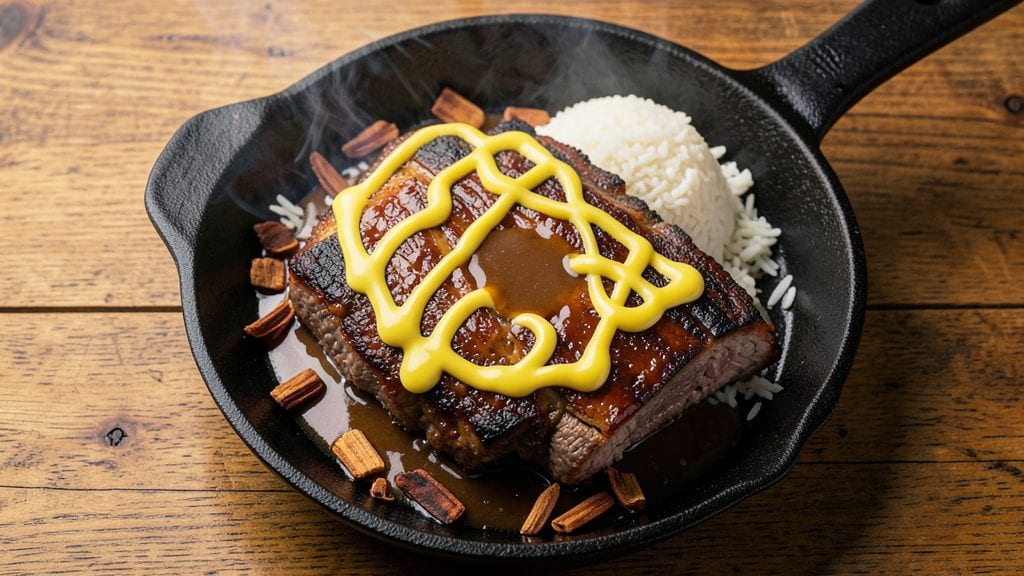
Recreating Famous Dave's beef brisket at home delivers that signature smoky tenderness that keeps guests coming back for seconds. The secret lies in precise temperature control, a well-developed bark, and the patience to let the meat work its magic over hours.
I've perfected this method after countless trials—each one teaching me how to balance time, heat, and technique for restaurant-quality results.
This recipe transforms a tough cut into melt-in-your-mouth perfection through slow cooking at 225°F, allowing collagen to break down while developing a deep, flavorful bark. The key steps—smoking, wrapping, and resting—ensure every slice is tender without losing that signature crust.
With just a few simple ingredients and a steady hand, you'll achieve the same legendary texture that made Dave's brisket famous.
By the time you serve this brisket, you'll have a centerpiece dish that's rich, smoky, and impossibly tender. The aroma alone will have everyone gathering around the table, and the first bite will confirm why this recipe stands apart.
Pair it with classic sides like baked beans or coleslaw for the full experience.
Whether you're hosting a barbecue or feeding a hungry family, this method guarantees a brisket that rivals the original. Let's get started on unlocking that legendary tenderness in your own kitchen.
Ingredients for famous dave's beef brisket
Six pounds of brisket and a handful of pantry staples—this is all you need for legendary smoky tenderness.
| Ingredient | Amount | Notes |
|---|---|---|
| Beef Brisket 🥩 | 6 lb | Flat cut, 1.5-inch thick |
| Yellow Mustard 🍯 | ½ cup | For rub application |
| Wood Chips 🌳 | 2 cups | Hickory or oak preferred |
| Beef Broth 💧 | 1 cup | Low-sodium preferred |
| Brown Sugar 🍚 | ¼ cup | Light or dark variety |
| Salt 🧂 | ½ cup | Diamond Crystal kosher |
| Black Pepper 🌶️ | 2 tbsp | Freshly ground preferred |
| Garlic Powder 🧄 | 1 tbsp | Not garlic salt |
| Onion Powder 🧅 | 1 tbsp | Freshly ground preferred |
| Smoked Paprika 🌶️ | 1 tbsp | For deep smoky flavor |
| Butter 🧈 | ½ cup | Unsalted, softened |
| Aluminum Foil 📄 | 2 sheets | Heavy-duty preferred |
The brisket is non-negotiable—flat cut, 1.5-inch thick is key for even cooking. Costco or Whole Foods usually carry the best quality, but check your local butcher too. Look for good marbling and vibrant color. If you're buying a whole packer cut, trim it yourself to 1.5 inches. For wood chips, hickory or oak gives that classic Dave's flavor. Avoid fruitwoods—they can overpower. Store your chips in a sealed container in the fridge to keep them dry. The mustard isn't just for flavor—it helps the rub stick to the meat during cooking.
No kosher salt? Diamond Crystal is ideal, but Morton kosher salt works too. Short on brown sugar? White sugar plus 1 tsp molasses mimics the depth. The smoked paprika is what gives that signature Dave's bark—don't skip it. For the broth, low-sodium is crucial so you don't over-season the meat. If you're using a smoker, soak your wood chips for 30 minutes before cooking. No smoker? A cast-iron skillet on the grill with indirect heat works surprisingly well. The butter gets wrapped with the brisket—it adds richness and helps keep the meat moist during the long cook.
This isn't a quick recipe—plan for 10-12 hours total time. The brisket reheats beautifully, so make extra. Wrap leftovers tightly in foil and refrigerate for up to 5 days. For freezing, portion into individual servings and freeze for up to 3 months. The bark is best eaten fresh, but the tender meat stays delicious for days. Keep your smoker at 225°F consistently—that's the secret to that melt-in-your-mouth texture. Don't rush it; patience is what turns tough meat into restaurant-quality perfection.
Why You'll Love This Recipe
- Smoke in Minutes: I swear, the wood chips do all the heavy lifting—just toss them on the grill or smoker, and let that sweet, smoky aroma fill the air while you prep the rest. No fancy setup needed; this brisket feels like a Sunday cookout, even on a weeknight.
- Sweet-Savory Magic: That yellow mustard and brown sugar combo? It’s the secret weapon—tenderizing the meat while giving it a sticky, caramelized crust that’s ridiculously good. The beef broth keeps it juicy, and the smoky depth from the wood chips ties it all together like a hug.
- Leftovers for Days: Between us, I make this brisket on purpose just to have sandwiches for the next three days. Slice it thin, pile it high on toasted bread with pickles, and you’ve got a meal that’s just as good cold as it is hot. (Yes, even on a Tuesday night.)
- Budget-Friendly Feast: A whole brisket feeds a crowd for less than $20—honestly, it’s my go-to for potlucks, game days, or when my college-aged kids show up hungry. The mustard and broth stretch the flavor, so every bite feels like a splurge, even though it’s not.
Step-by-step instructions for smoky, slow-cooked beef brisket
Here's how to transform a tough cut into melt-in-your-mouth perfection using Famous Dave's signature method.
Create the Signature Dry Rub
In a large bowl, combine the 0.5 cup salt, 2 tbsp black pepper, 1 tbsp garlic powder, 1 tbsp onion powder, and 1 tbsp smoked paprika. Mix thoroughly with your hands until you achieve a fine, even powder. The reason for this dry blend first is to ensure all spices are evenly distributed before adding the mustard and sugar.
Next, add the 0.5 cup yellow mustard and 0.25 cup brown sugar to the dry mixture. Using your fingers, work the mustard and sugar into the dry rub until it forms a coarse, moist paste. This mustard-based rub isn't just for flavor—it helps tenderize the meat and creates that signature bark we're after. Spread this mixture out on a plate and let it sit at room temperature for 15 minutes to soften slightly before application.
Prepare the Brisket and Smoker
Pat the 6 lb beef brisket completely dry with paper towels, paying special attention to the fat cap. This drying step is crucial—it prevents steam from forming under the foil during cooking, which would otherwise soften the bark. Apply the mustard rub generously to all sides of the brisket, pressing it firmly into the meat so it adheres well. Don't be shy—you want this rub to penetrate the surface.
While the brisket rests, set up your smoker using the 2 cups wood chips (hickory or oak works best). Soak the wood chips in water for 30 minutes before adding them to your smoker. Preheat the smoker to 225°F and let it stabilize for 15 minutes before adding the brisket. The smoke should be clean and blue—if it's thick and white, your smoker needs more time to heat up properly.
Smoke the Brisket Low and Slow
Place the brisket fat-side up in the smoker and close the lid immediately. Resist the urge to peek—every time you open the lid, you lose 15-20 minutes of cook time and disrupt the temperature. Smoke the brisket for 6 hours, maintaining a consistent 225°F temperature. You'll know it's ready when the internal temperature reaches 165°F—this is when you'll hit "the stall," where the temperature stops rising as moisture evaporates.
Here's where the magic happens: when you hit the stall, wrap the brisket tightly in both sheets of aluminum foil. This technique, known as the "Texas crutch," helps power through the stall while preserving that beautiful bark. Return the wrapped brisket to the smoker and continue cooking until the internal temperature reaches 200-203°F, which should take another 3-4 hours. The brisket is now probe-tender—when you insert a meat thermometer, it should slide in like butter with no resistance.
Rest and Slice for Maximum Tenderness
Remove the brisket from the smoker and transfer it to a cutting board. Let it rest for 1 hour before slicing—this resting period allows the juices to redistribute throughout the meat, ensuring every slice is moist and flavorful. While it rests, tent it loosely with foil to keep it warm. Real talk: this is the most important step, and skipping it will result in dry, tough slices.
Once rested, locate the grain direction—you'll see lines running through the meat. Using a sharp carving knife, slice the brisket against the grain into ¼-inch thick slices. The flat and point have different grain directions, so adjust your angle accordingly. Serve immediately while still warm, and watch as each bite delivers that perfect balance of smoky flavor and melt-in-your-mouth tenderness.
Pro Tips For Making Famous Dave'S Beef Brisket
- Preheat Wood Chips: Toss them in a dry skillet over medium heat for 2-3 minutes first—this jumpstarts the smoke and cuts down on that initial weak, watery cloud. I learned this the hard way when my brisket smelled like a campfire instead of a smoker.
- Skip the Mustard Rush: Apply that yellow mustard after the first hour of cooking, not at the start. The heat will burn it into a bitter sludge if you slather it on early. Brush it on when the brisket’s already got a crust going—about 165°F internal.
- Broth in Stages: Don’t dump all the beef broth at once. Add half early (when you flip) and save the rest for the last 30 minutes—this keeps the sauce from turning into a thin, salty mess. Think of it like seasoning a stew, not a soup.
- Probe the Thickest Part: Stick your thermometer into the flat end (not the pointy bit) where it’s thickest. That’s where it’ll hit 203°F last, and guessing by the thin end will leave you with a dry, overcooked mess. (Yes, even if it looks "done" earlier.)
Creative variations of these flavors
Smoky Maple-Glazed Twist
Transform the classic brisket into a sweet-smoky masterpiece by adding a ½ cup pure maple syrup and 1 tbsp apple cider vinegar to the rub. Mix these into the mustard paste before applying it to the brisket.
During the last 1 hour of cooking, brush the brisket with 2 tbsp melted butter mixed with 2 tbsp maple syrup. This creates a sticky, caramelized crust that pairs beautifully with the smoky bark. Serve with a side of roasted sweet potatoes for a fall-inspired feast. 🍁
Spicy Carolina-Inspired
For a Carolina-style brisket with a kick, add 1 tbsp cayenne pepper and 1 tbsp paprika to the dry rub.
After the initial 6-hour smoke, inject the brisket with ½ cup vinegar-based barbecue sauce (like Sweet Baby Ray's) and wrap it in foil with 2 tbsp chopped onion and 2 tbsp chopped garlic. Return to the smoker until it reaches 203°F.
This method mimics the tangy, vinegar-forward flavors of Carolina BBQ while keeping the brisket's signature tenderness. 🌶️
Beer-Braised Shortcut
Skip the smoker entirely and create a restaurant-worthy brisket in your oven. Brown the brisket in a Dutch oven with 2 tbsp olive oil, then remove it. Deglaze the pan with 1 cup dark beer (like Guinness) and 1 cup beef broth, scraping up the browned bits.
Return the brisket to the pot, cover, and braise at 300°F for 4-5 hours until fork-tender. Finish with the same mustard rub and a spritz of apple cider vinegar for brightness. This method delivers deep flavor with minimal effort. 🍺
Asian-Inspired Five-Spice
Infuse the brisket with warm, aromatic flavors by adding 1 tbsp Chinese five-spice powder to the dry rub. After smoking, slice the brisket thinly against the grain and serve over steamed jasmine rice.
Top with a quick sauce made from 2 tbsp hoisin sauce, 1 tbsp soy sauce, and 1 tsp sesame oil. Garnish with sliced scallions and toasted sesame seeds for a fusion dish that’s both familiar and exciting. 🌏
Breakfast Brisket Hash
Turn leftover brisket into a hearty breakfast dish. Dice the brisket into ½-inch cubes and pan-fry in a skillet with 2 tbsp bacon fat until crispy. Add 1 cup diced potatoes, ½ cup bell peppers, and ½ cup onions, cooking until golden.
Top with fried eggs and a sprinkle of green onions. This twist turns brisket into a satisfying breakfast or brunch centerpiece. 🍳
Wine-Braised Brisket
For a French-inspired approach, sear the brisket in a Dutch oven with 2 tbsp butter and 2 tbsp olive oil, then deglaze with 1 cup dry red wine (like Cabernet Sauvignon) and 1 cup beef stock.
Add 2 tbsp tomato paste and 1 sprig thyme, then cover and simmer at 325°F for 4-5 hours until tender. Finish with the mustard rub and a drizzle of reduced wine sauce. Serve with mashed potatoes and roasted carrots for an elegant twist. 🍷
Nutrition facts
Frequently asked questions about Famous Dave's beef brisket
What makes this brisket recipe different from other smoked briskets?
This recipe captures Famous Dave's signature technique using a mustard-based rub and precise 225°F smoking for 6 hours before wrapping. The key difference is the Texas crutch (foil wrapping at 165°F) which preserves the bark while tenderizing the meat to 203°F. Most recipes either overcook or don't develop that signature crust.
Can I cook this brisket without a smoker?
Use a cast-iron skillet on a grill with indirect heat or your oven at 275°F. Place a water pan in the bottom to maintain moisture. The cooking time will be slightly longer (8-10 hours total), but the results will be just as tender. For oven cooking, insert a probe thermometer through the oven door to monitor temperature.
Why does the recipe call for wrapping the brisket in foil?
Wrapping at 165°F (the "stall") creates a steam environment that breaks down collagen faster while preserving the bark you've worked so hard to develop. This Texas crutch technique is what transforms tough meat into melt-in-your-mouth perfection. Without it, you risk drying out the brisket before it reaches ideal tenderness. The foil also helps retain moisture during the final 3-4 hours of cooking.
How do I know when the brisket is done?
Use the probe test: insert a meat thermometer into the thickest part. It should read 200-203°F and slide in like butter with no resistance. The bark should be dark and crispy. If you don't have a probe, check for 203°F internal temp—this guarantees fork-tender meat every time. Never rely on time alone, as brisket thickness varies.
What's the best way to serve leftover brisket?
Slice against the grain and use in sandwiches, tacos, or hash. For reheating, wrap slices in foil and warm in a 350°F oven for 10 minutes or until heated through. The brisket reheats beautifully for up to 5 days when stored properly in the fridge. For extra flavor, add a splash of beef broth when reheating.