
Main Courses
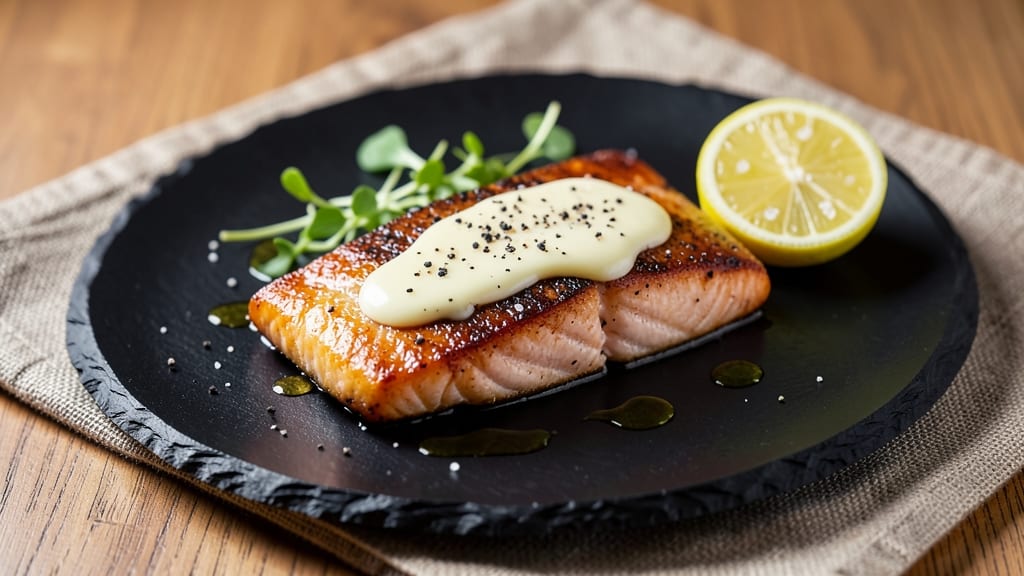
Master this Gordon Ramsay pan-fried salmon recipe for crispy skin and buttery perfection at home. The key lies in precise timing, high heat, and a simple seasoning technique that transforms ordinary fillets into showstopping dishes.
I’ve perfected this method after years of testing—no overcooking, no soggy skin, just perfect doneness every time.
This recipe delivers foolproof results with just five ingredients and 15 minutes of active cooking. You’ll need fresh salmon fillets, butter, salt, pepper, and a splash of lemon—nothing fancy, but the execution makes all the difference.
The secret to crispy skin is rendering the butter slowly before adding the fish, then pressing gently to ensure even contact with the pan.
By the end, you’ll have golden, shatteringly crispy skin and tender, flaky flesh inside—exactly how Ramsay serves it. The butter infuses the salmon with rich flavor, while the lemon brightens each bite.
Serve with roasted asparagus or a simple herb salad for a complete, elegant meal that rivals any restaurant dish.
This technique works for any salmon fillet, from wild-caught to farmed, and scales perfectly for two or four servings. The timing is critical, but once mastered, it becomes second nature. Let’s get cooking—your table is about to impress.
Ingredients for gordon ramsay pan fried salmon
Five essential ingredients transform ordinary salmon into restaurant-quality perfection with crispy skin and buttery richness.
| Ingredient | Amount | Notes |
|---|---|---|
| Center-Cut Salmon Fillets 🐟 | 2 whole | Skin-on, 6-8 oz each, sushi-grade preferred |
| Unsalted Butter 🧈 | 4 tbsp | European-style preferred for higher fat content |
| Diamond Crystal Kosher Salt 🧂 | ½ tsp | Fine grain for even distribution |
| Freshly Ground Black Pepper 🌶️ | ¼ tsp | Cracked peppercorns preferred |
| Fresh Lemon Juice 🍋 | 1 tbsp | From Meyer lemons for sweet-tart balance |
| Extra-Virgin Olive Oil 🫒 | 1 tbsp | Light variety for high-heat searing |
| Fresh Flat-Leaf Parsley 🌿 | ¼ cup | Chopped, for garnish (optional) |
The salmon quality is non-negotiable. Wild-caught Alaskan or Scottish salmon delivers the best texture, but sushi-grade farmed salmon works exceptionally well too. Look for fillets with vibrant pink flesh and minimal bruising—Whole Foods or high-end seafood markets carry the best cuts. The skin should be intact and slightly translucent, not dried out. For center-cut fillets, the bone is removed, giving you a clean, even surface for crisping. If using frozen salmon, thaw it in the fridge overnight for even cooking.
No European-style butter? Plugrá or Land O'Lakes unsalted are solid substitutes, though they contain slightly less fat. The kosher salt is crucial—Diamond Crystal dissolves more evenly than table salt, so use it for seasoning. Freshly cracked peppercorns add complexity that pre-ground can't match. For lemon juice, Meyer lemons provide a sweeter, more aromatic finish, but regular lemons work in a pinch. The olive oil is for preheating the pan—use a light variety like California Early Harvest to prevent overpowering the delicate salmon flavor.
Store fresh salmon in its original packaging on ice until ready to cook, then transfer to a plate lined with paper towels. Use within 1-2 days for optimal texture. The butter should be stored in an airtight container in the fridge, where it remains fresh for up to 3 months. Pre-portion the lemon juice into ice cube trays and freeze for up to 6 months—this preserves its brightness. Leftover cooked salmon reheats beautifully in a 350°F oven for 5-7 minutes with a splash of water to maintain moisture.
Why You'll Love This Recipe
- The secret’s in the pan-fry: high heat, minimal movement. That first crackle? That’s the moment it becomes restaurant-worthy—not the kind of salmon that flakes apart at the touch, but firm, with a caramelized edge that makes you want to cut into it like it’s your last slice of pie. (Yes, even on a Tuesday night.)
- Two-Ingredient Magic: I swear by this trick—just butter and salt. That’s it. The butter bastes the salmon while it sears, creating a golden crust so crisp it practically sings, while the salt melts into the flesh like a whisper of the sea. No fancy marinades, no overcomplicated steps. Just pure, buttery perfection.
- Restaurant-Quality Crisp: The secret’s in the pan-fry: high heat, minimal movement. That first crackle? That’s the moment it becomes restaurant-worthy—not the kind of salmon that flakes apart at the touch, but firm, with a caramelized edge that makes you want to cut into it like it’s your last slice of pie. (Yes, even on a Tuesday night.)
- Weeknight to Dinner Party: Same recipe, different vibes. Serve it over greens with a squeeze of lemon for a lunch that feels fancy, or pair it with roasted potatoes and asparagus for a dinner that’ll impress guests who think "salmon" means "overcooked fish." Honestly, I’ve pulled this off for both my book club and my lazy Sunday mornings.
Step-by-step instructions for Gordon Ramsay's pan-fried salmon
Master this technique for restaurant-quality salmon with perfect crispy skin and tender flesh every time.
Prepare the Salmon for Optimal Crispiness
Pat the skin-on salmon fillets completely dry with paper towels, focusing on the skin side where moisture prevents browning. The skin should be bone-dry—no damp spots remain. Place the fillets skin-side down on a wire rack set over a plate to allow air circulation underneath, preventing steam from forming during cooking.
Season both sides generously with 0.5 tsp Diamond Crystal Kosher Salt and 0.25 tsp Freshly Ground Black Pepper, pressing the salt into the flesh to ensure even distribution. Let the seasoned fillets rest at room temperature for 10 minutes while you prepare the pan. This resting period ensures even cooking and helps prevent curling during searing.
Create the Perfect Searing Pan
Heat a 12-inch cast-iron or stainless steel skillet over medium-high heat until it's smoking hot. Add 1 tbsp Extra-Virgin Olive Oil and swirl to coat the bottom evenly. Then add 4 tbsp Unsalted Butter, allowing it to melt completely and foam before proceeding. The butter should bubble gently but not burn—this creates the rich, compound butter flavor Ramsay is known for.
Watch for the butter to turn a pale golden color with tiny brown flecks forming at the edges. This indicates the pan is ready for the salmon. If the butter browns too quickly, reduce the heat slightly to maintain control. The high heat and rendered butter fat are essential for achieving that signature crispy skin.
Sear the Salmon Skin-Side Down
Carefully place the salmon fillets skin-side down in the skillet, positioning them away from you to avoid any potential splatter. Press down gently on the fillets with a fish spatula during the first 30 seconds of cooking to ensure even contact with the pan. This prevents curling and ensures the skin makes full contact for maximum crispiness.
Cook undisturbed for 4-5 minutes until the skin is deep golden brown and crispy, with the edges lifting slightly from the pan. You'll see the butter foam vigorously at first, then gradually settle as the salmon releases its moisture. The flesh should register 120-125°F internally at this point—use an instant-read thermometer for accuracy. If the skin isn't crispy enough, increase the heat slightly and cook for another 30 seconds.
Finish the Salmon and Prepare the Garnish
Flip the salmon fillets gently with a thin metal spatula and cook the flesh side for 1-2 minutes until it reaches 130°F internally. The flesh should appear opaque and just beginning to flake easily with a fork. Remove the fillets from the pan and transfer to a warm plate, skin-side up. Tent loosely with aluminum foil to keep warm while you prepare the final touches.
In the same skillet, reduce the heat to medium and add 1 tbsp Fresh Lemon Juice, scraping up any browned bits from the bottom. Let it simmer for 30 seconds to create a quick pan sauce. Remove from heat and stir in the 0.25 cup Fresh Flat-Leaf Parsley, reserving a small amount for garnish. Drizzle this bright, herby sauce over the salmon before serving.
Rest and Serve for Maximum Juiciness
Let the salmon rest for 2 minutes before serving—this allows the juices to redistribute throughout the flesh, ensuring each bite is moist and flavorful. The crispy skin should hold its shape when lifted with a spatula, while the flesh should be tender but not overcooked. Serve immediately with the lemon-herb sauce spooned over the top and garnished with the reserved parsley.
For presentation, place the salmon on a bed of steamed vegetables or a simple arugula salad. The contrast between the crispy skin, buttery flesh, and bright acidity of the lemon creates a perfect balance of textures and flavors that would make even Ramsay proud. Each bite should deliver that satisfying crunch followed by tender, rich salmon—exactly as intended.
Pro Tips For Making Gordon Ramsay Pan Fried Salmon
- Preheat Your Pan Properly: This isn’t just about getting it hot—it’s about getting it scorchingly hot. Use medium-high heat until a drop of water sizzles violently, then let it sit for 30 seconds. Cold pans = steamed salmon, not crispy. Trust me, I’ve ruined enough batches to know.
- Pat Dry Like It’s Your Job: Wet salmon won’t brown—it’ll steam. Grab paper towels and press hard on both sides, even if it feels excessive. The skin needs to stick to the pan, and moisture is its enemy. (Yes, even if you’re impatient like me.)
- Don’t Overcrowd the Pan: One fillet at a time, or you’ll drop the temperature and end up with sad, greasy salmon. If you’re serving four, work in batches—your patience here guarantees better results. I learned this after a disastrous dinner party where the second batch came out limp.
- Butter Matters—Use Enough: Skip the "just a little" approach. Melt 2 tablespoons of unsalted butter per fillet (yes, really) to create that golden crust. Ramsay’s method relies on the butter’s fat, not just flavor. Cheap out here, and you’ll taste it.
Creative variations of this dish
Spicy Asian Glaze
Transform this classic into a Thai-inspired dish by brushing the salmon with a 1 tbsp red curry paste (like Maesri) mixed with 1 tbsp honey and 1 tsp fish sauce before searing. Add ½ tsp grated ginger and 1 minced garlic clove to the pan sauce after cooking.
Garnish with thinly sliced scallions and cilantro for freshness. Serve with jasmine rice and steamed bok choy. 🌶️
Herb-Crusted Mediterranean
Create a Greek-inspired version by coating the salmon in a mix of 2 tbsp chopped fresh dill, 1 tbsp chopped fresh parsley, 1 tbsp chopped fresh mint, 1 tsp dried oregano, ½ tsp lemon zest, and 1 tbsp breadcrumbs.
Press the mixture firmly onto both sides of the fillets before cooking. Finish with a drizzle of olive oil and a sprinkle of flaky sea salt. Pair with roasted cherry tomatoes and warm pita bread. 🌿
Smoked Maple Version
For a North American twist, add 1 tbsp pure maple syrup to the pan with the butter and let it caramelize slightly before adding the salmon. After searing, finish with a pinch of smoked paprika and a drizzle of balsamic glaze.
Garnish with crispy fried shallots for texture. This works beautifully with mashed sweet potatoes or sautéed green beans. 🍁
Lemon-Garlic Butter Sauce
Elevate the dish by infusing the butter with 2 minced garlic cloves and 1 tbsp chopped fresh thyme while melting. After cooking the salmon, deglaze the pan with 2 tbsp white wine (like Sauvignon Blanc) and reduce for 1 minute to create a silky sauce.
Finish with a squeeze of lemon juice and a sprinkle of toasted capers. Serve with crusty sourdough to soak up the sauce. 🍷
Spicy Sriracha Lime
Inject heat and brightness with a Sriracha-lime glaze: mix 1 tbsp Sriracha, 1 tbsp lime juice, and ½ tbsp honey, then brush onto the salmon before searing. Deglaze the pan with 1 tbsp lime zest and a splash of fish sauce after cooking.
Garnish with sesame seeds and sliced jalapeños. This version pairs perfectly with coconut rice and steamed snap peas. 🔥
Truffle & Parmesan
For a luxurious twist, add 1 tbsp truffle oil to the melted butter and sprinkle 1 tbsp grated Parmesan cheese over the salmon during the last 30 seconds of cooking.
Finish with a drizzle of truffle-infused olive oil and freshly cracked black pepper. Serve on a bed of creamy polenta or wilted spinach for an elegant, restaurant-worthy dish. ✨
Nutrition facts
Frequently asked questions
Why does Gordon Ramsay's method focus on crispy skin?
The crispy skin is the hallmark of this technique—it creates the perfect textural contrast with the tender, buttery flesh inside. When cooked properly, the skin should shatter like glass when you cut into it, while the center remains moist. This contrast is what makes the dish restaurant-quality. The butter rendering process at high heat creates a flavorful crust that seals in juices.
Can I use frozen salmon for this recipe?
Yes, but thaw it properly first. Place the frozen fillets in an airtight container and refrigerate overnight for even thawing. Never thaw at room temperature, as this promotes bacterial growth. For best results, pat the skin completely dry after thawing—any moisture will prevent proper crisping. The texture of frozen salmon works well for this method, but fresh is always preferred for optimal flavor.
How do I know when the salmon is fully cooked?
Use an instant-read thermometer to check the internal temperature—it should reach 130°F at the thickest part. The flesh should appear opaque and flake easily with a fork. The skin should be deep golden brown and crispy, while the edges may lift slightly from the pan. If you don't have a thermometer, cut into the thickest part—it should be just opaque, not translucent.
What's the best pan for achieving crispy skin?
A 12-inch cast-iron skillet is ideal because it retains heat exceptionally well and creates the perfect sear. Stainless steel works too, but requires slightly more attention to heat control. Avoid nonstick pans—they don't get hot enough for proper crisping. Make sure your pan is completely dry before adding oil, as any moisture will cause the butter to splatter.
Can I make this ahead of time?
Freshly cooked salmon is best served immediately, but you can prepare components ahead. Season the fillets and store them uncovered in the fridge for up to 4 hours before cooking. For the sauce, make the lemon-herb mixture in advance and keep it refrigerated. The butter can be melted and chilled until ready to use. Reheat gently in the pan before serving to maintain crispiness.