
Soups & Stews
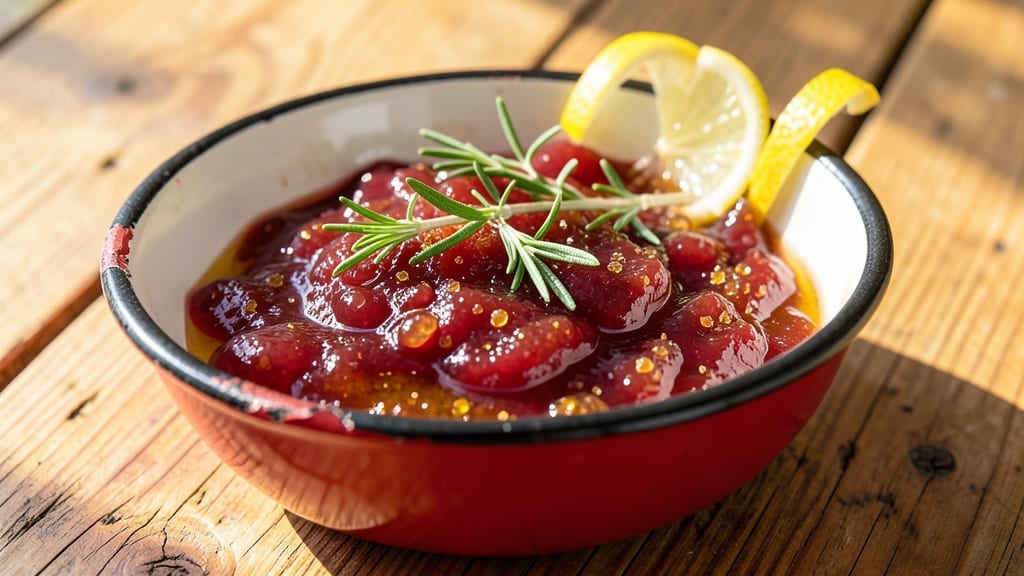
Grandma's tomato jam recipe transforms simple garden tomatoes into a sweet-tart preserve that captures summer in every spoonful. This isn't just another jam—it's a labor of love that balances sugar and acid for that perfect harmony, with a texture that's thick enough to spread but still holds visible fruit pieces.
I first learned this recipe from my grandmother, who insisted on using ripe, sun-warmed tomatoes straight from the vine.
The secret lies in slow cooking the tomatoes until they break down naturally, then carefully balancing sugar with just enough lemon to brighten the flavors. No pectin needed—this jam sets properly through the natural pectin in the tomatoes and a touch of vinegar for stability.
The result is a preserve that's rich, flavorful, and perfect for gifting or keeping in your pantry for months.
What makes this recipe special is its versatility—spread it on toast, drizzle it over cheese boards, or use it as a glaze for meats. The flavors deepen over time, making it even better after a week or two.
With just five ingredients and about 45 minutes of active time, you'll have jars of homemade goodness that taste like summer all year round.
This method produces about four 8-ounce jars, enough to share with neighbors or stock your own pantry. The key to success is patience—letting the jam simmer until it reaches the perfect spreadable consistency.
Once you taste the difference between store-bought and this homemade version, you'll never go back to the jarred kind again.
Ingredients for grandma's tomato jam
Five ingredients, four jars of summer magic—this is Grandma's way of preserving sunshine.
| Ingredient | Amount | Notes |
|---|---|---|
| Ripe Tomatoes 🍅 | 4 lb | Sun-warmed, vine-ripened preferred |
| Granulated Sugar 🍚 | 3 cups | White or light brown |
| Lemon Juice 🍋 | ½ cup | Freshly squeezed, no pulp |
| Apple Cider Vinegar 🍶 | 2 tbsp | For acidity and stability |
| Salt 🧂 | 1 tsp | Kosher or sea salt preferred |
| Fresh Rosemary 🌿 | 1 sprig | Optional, for subtle aroma |
Tomatoes are the heart of this jam, so pick the ripest ones you can find. Farmers markets usually have the best—look for tomatoes that smell sweet and give slightly when gently squeezed. If you can't get fresh ones, canned crushed tomatoes work in a pinch, but they won't have that same garden-fresh depth. The sugar is key here—white sugar dissolves faster, but brown adds a caramel note if you're feeling fancy. I always grab Domino sugar from the bulk section at Walmart—it's cheap and consistent. The rosemary? Just a little sprig for aroma—skip it if you don't have any, but don't substitute with other herbs.
No fresh rosemary? Dried rosemary at half the amount works, but honestly, you might not even notice it's missing. Running low on vinegar? Substitute with more lemon juice, but keep the total acidity around 2 tablespoons. For the tomatoes, if you've got some that are slightly overripe, they're perfect—they'll break down faster and make the jam even sweeter. The sugar amount can be adjusted slightly if your tomatoes are extra tart or sweet, but start with the recipe and taste as you go. This jam gets better with time, so don't rush the cooking process.
Once cooled, this jam keeps for up to a year in the fridge, though I usually go through it faster than that. For gifting, use sterilized jars with new lids—Grandma always said presentation matters. The jam thickens as it sits, so if it seems too loose right after cooking, give it a week before judging. Freezing isn't recommended since the texture changes, but you can freeze it in ice cube trays for small portions. I always make extra—neighbors love it as gifts, and it's the perfect sweet-tart topping for brie or pork chops.
Why You'll Love This Recipe
- No Chopping Needed: I’ll be real—this recipe only needs ripe tomatoes halved (or even quartered if they’re big). No dicing, no peeling, no fuss. Just toss them in a pot with sugar, lemon juice, and vinegar, and let them melt down into jam. My lazy Sundays thank me every time.
- Sweet-Tart Magic: That perfect balance of sugar and vinegar? It’s like summer in a jar. The lemon juice brightens everything up while the vinegar keeps it from being too cloying—plus, the tomatoes caramelize into this glossy, jammy goodness that’s ridiculously good on toast or cheese plates.
- Pantry Staple Power: Honestly, you’re probably already stocked for this. Sugar, vinegar, lemon—chances are, you’ve got them. No specialty ingredients, no last-minute grocery runs. It’s the kind of recipe that works when you’re hosting, when you’re meal prepping, or when you just want to impress someone with zero effort.
- Lasts for Months: I made a big batch last summer, and it’s still in my pantry—no spoilage, no waste. The vinegar and sugar preserve it beautifully, so you can slap it on crackers, dollop it on grilled cheese, or even use it in marinades. (Yes, even on a Tuesday night.)
Step-by-step instructions for Grandma's tomato jam recipe
Here's how to make this sweet-tart preserve that captures summer's essence in every jar.
Prepare the Tomatoes for Cooking
Begin by washing the 4 lb ripe tomatoes thoroughly under cool water to remove any dirt or debris. I like to cut them into quarters, removing the stems and any bruised spots. This makes them easier to handle and ensures you're working with fresh, unblemished fruit.
Place the tomato quarters in a large pot and add the 1 sprig fresh rosemary (if using). This optional herb adds a subtle piney aroma that complements the sweet-tart balance. Bring the tomatoes to a boil over medium-high heat, then immediately reduce the heat to medium-low. Let them simmer uncovered for 15-20 minutes, stirring occasionally, until they begin to break down and release their juices.
Here's the thing—you want the tomatoes to soften and release their natural juices, but not completely disintegrate. You'll know they're ready when they form a thick, chunky sauce with some whole tomato pieces remaining. This texture is perfect for jam-making as it creates a beautiful balance of smooth and rustic.
Blend and Strain the Tomato Mixture
Once the tomatoes have broken down, remove the pot from heat and let it cool slightly for 5 minutes. This cooling period is important—it prevents burning when you blend. Transfer the tomato mixture to a food processor or blender and pulse until smooth. You want a completely homogeneous texture without any chunks.
Line a fine-mesh strainer with cheesecloth or a clean kitchen towel and set it over a large bowl. Pour the blended tomato mixture through the strainer, pressing gently on the solids with a wooden spoon to extract all the liquid. This step is crucial for creating a clear, elegant jam. Discard the solids in the strainer—they've given up all their flavor to the liquid.
You should have about 4-5 cups of strained tomato juice. If you're working with particularly watery tomatoes, you might need to reduce this further. Return the strained juice to the pot and bring it to a boil over medium-high heat. Let it boil vigorously for 10 minutes to concentrate the flavors and reduce the liquid by about 25%. This step develops the jam's depth of flavor and ensures proper gelling later.
Add Sweetener and Acid Components
While the tomato juice is boiling, add the 3 cups granulated sugar, 0.5 cup lemon juice, 2 tbsp apple cider vinegar, and 1 tsp salt. Stir constantly with a wooden spoon, making sure the sugar dissolves completely. This is where the magic happens—the sugar will begin to caramelize slightly, creating that beautiful amber color and rich flavor.
Here's where it gets interesting: the lemon juice and vinegar work together to balance the sweetness and preserve the jam. The acidity from both ingredients helps prevent the jam from becoming too cloying while also acting as a natural preservative. Keep stirring for 5-7 minutes until the mixture reaches 210°F on a candy thermometer. This temperature is critical for proper gelling and shelf stability.
If you don't have a candy thermometer, perform the "sheet test" instead. Dip a metal spoon into the jam and let it cool for a minute. Then run your finger through the jam on the spoon. If it leaves a clear path that holds its shape for a few seconds before dissolving, your jam is ready. If it runs immediately, you need to cook it a bit longer.
Test for Doneness and Prepare Jars
Once your jam reaches 210°F or passes the sheet test, it's ready for jarring. Preheat your canning jars and lids in a 200°F oven for 10 minutes to sterilize them. While the jars are heating, skim off any foam that may have formed on the surface of the jam with a spoon—this ensures a clean, professional-looking finish.
Using a ladle or funnel, carefully fill each jar with the hot jam, leaving about ½-inch headspace at the top. Wipe the jar rims with a clean, damp cloth to remove any jam residue that could interfere with sealing. Place the lids on the jars and screw on the bands until they're fingertip-tight.
Process the jars in a water bath canner for 10 minutes to ensure proper sealing. Remove the jars and let them cool completely on a towel-lined counter. You'll hear the satisfying "ping" of the lids sealing as they cool. Once cooled, check that the lids have sealed by pressing down on them—they shouldn't pop back up. Store your beautifully preserved tomato jam in a cool, dark place for up to 1 year.
Pro Tips For Making Grandma'S Tomato Jam
- Peel Tomatoes First: I learned this the hard way—skinning them before cooking saves hours of scrubbing seeds and skins later. Use a paring knife to slice off the stem end, then drop them in boiling water for 30 seconds. The peels slip off like magic, and your jam stays silky smooth.
- Stir Constantly, Low Heat: After burning three batches, I finally figured out: low and slow wins. Keep the heat at a simmer (gentle bubbles, no splashing) and stir every 2–3 minutes with a wooden spoon. This prevents scorching and lets the sugar dissolve evenly—no grainy bits in your jar.
- Weigh Your Sugar: Granulated sugar varies by brand, and eyeballing it ruins the balance. Use a kitchen scale for precision—aim for 1:1 sugar to tomato ratio by weight (e.g., 1 lb tomatoes, 1 lb sugar). Too much? It’ll taste cloying. Too little? The jam won’t set properly.
- Acid Test Before Canning: My grandmother swore by this, and she was right: add vinegar and lemon juice last (after 45 minutes of cooking). Let the mixture simmer another 10 minutes, then taste—it should taste slightly tart, like a tomato with a kick. No test kit? A pH strip guarantees safety for storing.
Perfect pairings for this dish
Breakfast Spreads
This jam is a game-changer on toasted sourdough or brioche—the sweet-tart balance cuts through rich buttery bread beautifully. I like to spread a thick layer and top with crumbled goat cheese or fresh fig slices for a gourmet touch.
For a classic combo, pair it with scrambled eggs and crispy bacon—the acidity in the jam makes every bite more vibrant. 🍞
Cheese Board Magic
Tomato jam elevates any cheese board, especially with aged cheddar, brie, or blue cheese. The acidity cuts through the richness, while the sweetness adds complexity. I arrange walnut halves, honeycomb, and crackers around the jam for a balanced spread.
For a Southern twist, add smoked gouda and pickled jalapeños—the heat and sweetness create a perfect harmony.
Meat Glazes
Use this jam as a glaze for grilled pork chops or roasted chicken thighs—simmer it with a splash of balsamic vinegar for 10 minutes before brushing on meat in the last 5 minutes of cooking.
The caramelized sugar creates a sticky, flavorful crust. I also love drizzling it over seared duck breasts before serving for a sweet-savory contrast. 🍗
Sandwich & Wrap Ideas
Spread a thin layer on grilled cheese sandwiches with sharp cheddar and apple slices—the jam adds moisture and depth. For wraps, mix it with cream cheese and smoked salmon on a whole wheat tortilla for a quick lunch.
The acidity balances the richness of the fish perfectly, making every bite more dynamic.
Dessert Pairings
Drizzle this jam over vanilla ice cream or panna cotta for a sophisticated dessert. I also love it with ricotta cheese and honey on warm biscuits—the texture contrasts beautifully with the creamy ricotta.
For a boozy twist, serve it with mascarpone cheese and a splash of orange liqueur for dipping.
Savory Sauces
Reduce this jam with white wine and a pinch of red pepper flakes to create a tangy sauce for pasta or risotto. The acidity brightens rich dishes like mushroom risotto or creamy fettuccine Alfredo.
I also use it as a base for marinades—simmer with olive oil, garlic, and oregano for grilled shrimp skewers or chicken thighs. 🍝
Nutrition facts
Frequently asked questions
Why does this tomato jam need both lemon juice and vinegar?
The lemon juice brightens the flavors while the vinegar acts as a natural preservative and helps stabilize the jam's texture. Together, they balance the sweetness and prevent the jam from becoming too cloying or fermenting too quickly. Think of them as flavor guardians!
Can I make this jam without a candy thermometer?
Use the "sheet test" instead: Dip a metal spoon into the hot jam, let it cool for 1 minute, then run your finger through it. If it leaves a clear path that holds its shape for 5-10 seconds, your jam is ready. This works just as well as a thermometer.
How do I know if my jars have sealed properly?
After cooling, press the center of each lid—if it doesn't pop back up, it's sealed! You'll also hear a satisfying "ping" sound as they cool. Unsealed jars may have lids that flex when pressed or show liquid around the rim. These should be refrigerated and used within 1 week.
Can I adjust the sweetness level in this recipe?
Yes, but do it gradually! Start with the full 3 cups sugar and taste as you go. For less sweetness, reduce by ½ cup increments, but keep at least 2 cups to ensure proper gelling. Remember, tomatoes vary in natural sweetness—your mileage may vary with different varieties.
What can I do with extra jam that didn't quite set properly?
Don't toss it! Use it immediately as a glaze for meats or in savory sauces where texture isn't critical. The acidity will still shine through. For future batches, ensure you reach 210°F and cook longer if needed—undercooked jam won't thicken further once cooled.