Sauces & Condiments
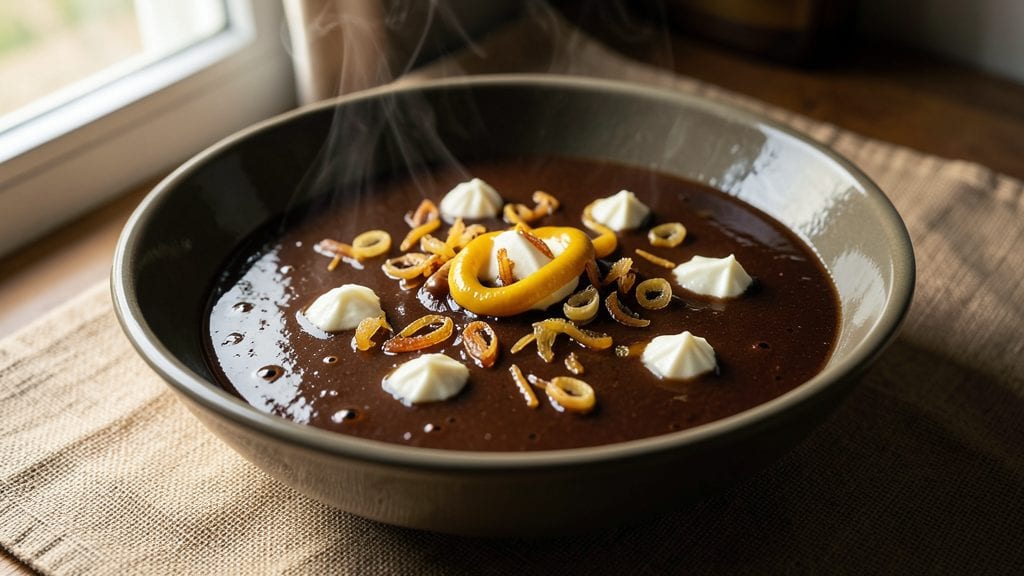
This Guinness beer sauce recipe transforms a simple beer into a velvety, smoky masterpiece that elevates steak, seafood, and even cocktails. The deep maltiness of Guinness creates a rich, complex flavor profile that’s impossible to replicate with lighter beers.
After years of refining this sauce, I’ve perfected a method that delivers professional-quality results without requiring advanced techniques.
The magic happens when you reduce the beer with aromatics like shallots and garlic, then blend it with cream and a touch of Dijon mustard for balance.
This sauce isn’t just for dipping—it’s a versatile condiment that works as a glaze for grilled meats, a drizzle for creamy mashed potatoes, or even a cocktail mixer. The key is patience during the reduction, which intensifies the beer’s natural flavors into something truly extraordinary.
By the time you’re done, you’ll have a sauce that’s smooth, smoky, and deeply satisfying—with just the right amount of bitterness to complement rich dishes. It keeps well in the fridge for up to 5 days, making it perfect for meal prep or entertaining.
Whether you’re serving a Sunday roast or crafting a gourmet cocktail, this sauce will become a staple in your kitchen.
For extra depth, consider adding sautéed mushrooms or a pinch of smoked paprika. The possibilities are endless, but the foundation remains the same: a simple, foolproof method that delivers restaurant-quality results at home. Let’s get started!
Ingredients for guinness sauce
Six ingredients transform Guinness into a velvety sauce that pairs perfectly with steak and seafood.
| Ingredient | Amount | Notes |
|---|---|---|
| Guinness Beer 🍺 | 1 cup | Cold, straight from the fridge |
| Heavy Cream 🥛 | ½ cup | Full-fat for richness |
| Shallots 🧅 | 2 whole | Finely minced, not chopped |
| Garlic Cloves 🧄 | 4 cloves | Peeled, roughly chopped |
| Dijon Mustard 🍯 | 1 tbsp | For depth and balance |
| Unsalted Butter 🧈 | 2 tbsp | Cold, cubed for cooking |
| Smoked Paprika 🌶️ | ½ tsp | For subtle smokiness |
| Sea Salt 🧂 | ½ tsp | Adjust to taste |
| Fresh Thyme Leaves 🌿 | 2 tsp | Or 0.5 tsp dried thyme |
| Black Pepper 🌶️ | ¼ tsp | Freshly cracked |
Guinness is the star here—pick a cold bottle from the fridge (room temp tastes flat). The shallots and garlic need to be finely minced for silky texture, not chopped. For extra depth, grab smoked paprika from Penzeys—it adds a subtle char that’s hard to beat. Fresh thyme is ideal, but dried works in a pinch (just halve the amount). The butter should be cold when you add it—this keeps the sauce from breaking. I always grab European-style butter from the specialty section at Whole Foods for that extra richness.
No Guinness? Stout beer works in a pinch, but the maltiness won’t be as deep. Short on butter? Olive oil at half the amount keeps it smooth, though the texture changes slightly. Fresh thyme out of season? Dried thyme or even rosemary adds a different but still delicious dimension. The Dijon mustard is non-negotiable—it cuts through the richness. If you can’t find it, whole-grain mustard thinned with a splash of beer does the trick. For a spicier kick, add a pinch of cayenne, but start small—this sauce is already bold.
This sauce thickens as it cools, so reheat gently with a splash of beer to restore its velvety texture. Keeps 5 days in the fridge, sealed tightly. Freezes beautifully for 3 months—portion into ice cube trays for easy single servings. The flavor actually improves after a day or two, as the beer’s maltiness mellows into something even deeper. Store it in a glass jar away from light to preserve that rich, smoky color.
Why You'll Love This Recipe
- Pantry Magic: I swear by this sauce because it uses things I already have—no special trips to the store. The shallots and garlic caramelize right in the pan while the beer simmers down, and the heavy cream ties it all together without extra fuss.
- Rich Umami Bomb: That first sip of the sauce—where the Guinness’s malty depth meets the Dijon’s tang—is pure indulgence. The cream softens the edges, but the roasted shallots add this earthy crunch that makes it unforgettable.
- Weeknight Hero: I drizzle this over roasted chicken, toss it with mashed potatoes, or even slather it on grilled steak. It’s the kind of sauce that turns a simple meal into something that feels like a restaurant dish, and I’m always scrambling to use it up.
- Leftovers That Beg for More: Between us, this sauce only gets better after a day in the fridge. The flavors meld even deeper, and I’ve reheated it for sandwiches, pasta, or even as a dip—no one ever turns it down. Plus, it stretches to feed a crowd without breaking the bank.
Step-by-step instructions for Guinness beer sauce
This rich, smoky sauce comes together faster than you'd expect—perfect for steak, seafood, or even mashed potatoes.
Sauté Shallots and Garlic Until Fragrant
Melt the 2 tablespoons unsalted butter in a medium saucepan over medium heat. Add the 2 whole shallots, finely minced, and cook for 3-4 minutes until they turn translucent and just begin to soften. Here's the thing—don't let them brown or they'll turn bitter.
Add the 4 cloves garlic cloves, roughly chopped, and cook for another 30 seconds until you can smell that irresistible aroma. The garlic should be golden around the edges but not crispy. If it starts to darken too quickly, reduce the heat slightly. This step builds the flavor foundation, so don't rush it.
Deglaze with Guinness Beer
Pour in the 1 cup cold Guinness beer straight from the fridge. The sudden temperature drop helps release those deep, malty flavors. Increase the heat to medium-high and bring the mixture to a gentle boil, letting it simmer for 5 minutes until reduced by about half. You'll see the liquid darken and thicken slightly—this is when the sauce starts developing its signature richness.
Real talk: If you taste it now, it'll be bitter and intense. That's normal—the beer needs time to mellow. Keep the heat steady and don't walk away. The sauce should reduce to about ½ cup of liquid at this point, with the shallots and garlic completely tender.
Add Cream and Seasonings
Lower the heat to medium-low and stir in the 0.5 cup heavy cream. Let it simmer gently for 3-4 minutes until slightly thickened but still pourable. This is where the sauce transforms from bold to velvety.
Add the 0.5 teaspoon smoked paprika, 0.5 teaspoon sea salt, 2 teaspoons fresh thyme leaves, and 0.25 teaspoon black pepper. Stir well and let the sauce simmer for another 2 minutes—just enough time for the spices to bloom and the flavors to meld. Taste and adjust the seasoning if needed. The sauce should be rich but balanced, with the smokiness from the beer and paprika complementing the creaminess.
Finish with Dijon Mustard
Remove the sauce from heat and stir in the 1 tablespoon Dijon mustard. The mustard cuts through the richness of the cream and beer, adding a bright, tangy note that balances the flavors beautifully. Let it sit off the heat for 1-2 minutes to thicken slightly—this resting time helps the sauce reach its ideal consistency.
For the smoothest texture, strain the sauce through a fine-mesh sieve if you prefer a silky finish. If you like texture, skip this step. Serve immediately over your favorite protein or drizzle it over roasted vegetables. The sauce keeps well in the fridge for up to 3 days, but it's best enjoyed fresh while the flavors are at their peak.
Pro Tips For Making Guinness Sauce
- Simmer Slow and Steady: Guinness sauce needs patience—don’t rush the reduction. After adding the beer, keep the heat at a gentle simmer (not a boil) for at least 10-15 minutes. I learned this the hard way when I rushed it and ended up with a thin, bitter mess instead of a rich, velvety sauce.
- Mince Shallots Like You Mean It: Tiny, even mincing of shallots makes all the difference. If they’re chunky, they’ll turn to mush instead of dissolving into the sauce. Use a sharp knife or pulse in a food processor—just don’t overdo it, or you’ll lose their sweetness.
- Skip the Boiling Cream: Heavy cream scalds easily, and once it curdles, there’s no fixing it. Warm it gently in a separate pan until steaming (not rolling bubbles) before whisking it into the beer mixture. This keeps the sauce silky instead of grainy.
- Balance the Mustard Early: Taste the sauce before adding all the Dijon—it’s easy to overdo it. Start with half the mustard, let it sit for a minute, then adjust. I was skeptical until I tried it: the flavor develops better when you let it mellow rather than dumping it all in at once.
Pro cooking tips for this recipe
Reduction Timing
Patience is key when reducing the Guinness—don’t rush it! Simmer the beer over medium-high heat for exactly 5 minutes until it reduces by about half. The liquid should darken and thicken noticeably, but if it boils too vigorously, it’ll scorch.
I’ve learned the hard way: never walk away during this step. The sauce’s depth comes from this slow reduction, so keep an eye on it and adjust the heat as needed. 🔥
Cream Integration
When adding the ½ cup heavy cream, reduce the heat to medium-low immediately to prevent curdling. Stir constantly for 3-4 minutes until the sauce thickens slightly but remains silky.
If you see any separation, whisk vigorously—this is normal and can be fixed by returning the sauce to low heat for 30 seconds until smooth again. The cream should blend seamlessly, creating that luxurious, velvety texture. 🥛
Mustard Balance
The 1 tablespoon Dijon mustard is non-negotiable—it cuts through the richness and adds brightness. Stir it in off the heat to avoid cooking it into the sauce, which can make it bitter. Let the mixture rest for 1-2 minutes before tasting.
If it’s too sharp, add a pinch of sea salt or smoked paprika to mellow it out. The goal is a harmonious balance between smoky, creamy, and tangy flavors. 🍯
Straining for Silky Texture
For a restaurant-quality finish, strain the sauce through a fine-mesh sieve to remove any shallot bits. This step isn’t mandatory, but it makes a noticeable difference in texture. If you prefer a rustic look, skip it—just whisk the sauce vigorously before serving.
The choice depends on whether you want smooth elegance or rustic charm. Either way, the flavor stays rich and bold. 🌟
Heat Control Tips
Guinness sauce is finicky about heat—too high and it’ll curdle, too low and it’ll take forever. Use a medium-low setting when adding cream and spices, and medium-high only for the initial reduction.
If your sauce starts to separate, immediately lower the heat and whisk in 1 teaspoon cornstarch mixed with 1 tablespoon cold water to rescue it. A little attention to heat makes all the difference. ⚡
Flavor Boost Hacks
Want to take your sauce to the next level? Add 1 teaspoon Worcestershire sauce when you incorporate the cream for an umami kick. For a mushroom twist, sauté ½ cup finely chopped cremini mushrooms with the shallots—they’ll melt into the sauce, adding earthy depth.
Always taste as you go and adjust seasonings gradually. Small tweaks lead to big flavor payoffs. 💡
Nutrition facts
Frequently asked questions
Can I substitute Guinness with another beer?
The deep maltiness of Guinness is key to this sauce's rich flavor. For a similar result, use a dark stout beer like Guinness Foreign Extra Stout or another dry stout. Avoid pale ales or lagers—they lack the necessary roasted malt notes that create the sauce's signature depth. If substituting, increase the reduction time slightly to concentrate the flavors.
How do I fix a sauce that's too thick or separated?
For a thick sauce, thin it by whisking in 1-2 tablespoons warm beer or water at a time until smooth. If it separates, whisk vigorously and return to low heat for 30 seconds. For a more permanent fix, mix 1 teaspoon cornstarch with 1 tablespoon cold water, stir into the sauce, and cook for 1 minute until thickened. Always stir constantly to prevent lumps.
What are the best dishes to serve with this sauce?
This versatile sauce pairs beautifully with grilled steaks, roasted lamb, and pan-seared seafood like salmon or scallops. Try it as a drizzle over creamy mashed potatoes or buttery egg noodles. For cocktails, stir 1 tablespoon sauce into a whiskey sour or Irish coffee for a smoky twist. The rich flavors complement hearty, protein-focused dishes best.
Can I make this sauce ahead of time?
Yes! This sauce actually improves when made 1-2 days ahead—the flavors meld and deepen. Store in an airtight container in the fridge for up to 5 days. Reheat gently on the stove with a splash of beer to restore its silky texture. For longer storage, freeze in ice cube trays for easy single-serving portions, thawing overnight in the fridge before reheating.
Why does my sauce taste bitter?
Over-reducing the beer or cooking the garlic too long can create bitterness. To fix it, stir in 1 teaspoon honey or maple syrup to balance the flavors. For prevention, reduce the beer just until it's half its original volume (about 5 minutes) and cook garlic only until fragrant (30 seconds). The Dijon mustard also helps cut bitterness—add a bit more if needed.