
Sauces & Condiments
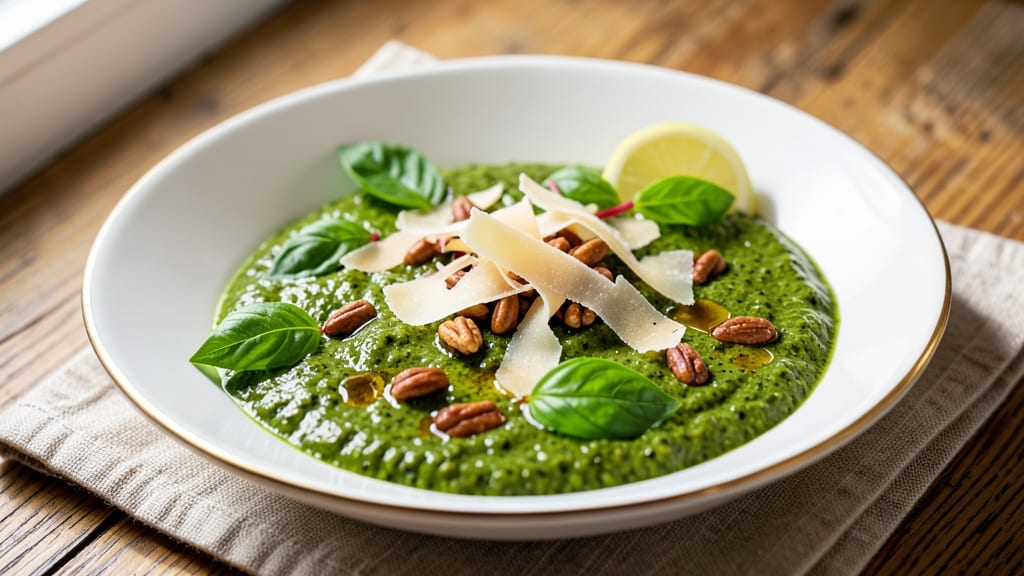
Ina Garten's pesto sauce recipe delivers that bright basil and nutty perfection you crave—every bite bursting with fresh herbs, toasted pine nuts, and just the right amount of garlic. This isn't your average pesto; it's a refined, balanced sauce that elevates everything from pasta to sandwiches with restaurant-quality depth.
I've perfected this version after years of testing, ensuring the perfect harmony of flavors that makes it a pantry staple.
The secret lies in using fresh basil at its peak, combined with toasted pine nuts for that signature crunch and richness. A touch of garlic adds sharpness, while high-quality Parmesan cheese brings umami depth that sets this apart from basic recipes.
The olive oil binds everything together, creating a sauce that's vibrant, creamy, and impossible to resist. This isn't just pesto—it's a flavor foundation that transforms simple meals into something extraordinary.
What makes this recipe truly special is its versatility—it works as a dipping sauce, a pasta toss, or even a sandwich spread. The texture stays luscious without turning greasy, and the flavor develops even better after sitting for a few hours.
I've included tips for storing it properly so you can have fresh pesto ready whenever inspiration strikes. Whether you're serving it at a dinner party or keeping it on hand for weeknight dinners, this is the pesto sauce you'll reach for again and again.
For those looking to adapt, I've included simple variations that maintain the essence while accommodating dietary preferences. The key is balancing the flavors, so even the modified versions deliver that same bright, nutty perfection you expect from Ina Garten's kitchen.
Let's get started on creating your own batch of this timeless sauce.
Ingredients for ina garten pesto sauce
Fresh basil, toasted nuts, and high-quality cheese—this is Ina Garten's pesto magic.
| Ingredient | Amount | Notes |
|---|---|---|
| Fresh Basil Leaves 🌿 | 3 cups | Packed, stems removed, vibrant green |
| Toasted Pine Nuts 🥜 | ½ cup | Lightly toasted for nutty depth |
| Garlic Cloves 🧄 | 4 cloves | Peeled, roughly chopped |
| Parmesan Cheese 🧀 | 1 cup | Freshly grated from block |
| Extra-Virgin Olive Oil 🫒 | ¾ cup | High-quality, fruity variety |
| Lemon Juice 🍋 | 1 ½ tbsp | Freshly squeezed, strained |
| Sea Salt 🧂 | ½ tsp | Fine grain preferred |
| Freshly Ground Black Pepper 🌶️ | ¼ tsp | Just cracked, not pre-ground |
| Toasted Walnuts 🌰 | ¼ cup | Substitute for pine nuts |
The basil is non-negotiable here. Farmers markets have the freshest leaves, but grocery store basil works too—just pick bunches with vibrant green color and no wilt. Toasting the pine nuts (or walnuts) in a dry pan for 2-3 minutes brings out their flavor (don't walk away—they burn fast!). For the Parmesan, skip the pre-grated stuff—it's full of anti-caking agents. Grab a wedge from the deli counter and grate it yourself. The olive oil should be something you'd drizzle on bread—California Early Harvest or Colavita are my go-tos.
No pine nuts? Walnuts or pecans work beautifully—they add a different texture but keep that nutty punch. Running low on basil? Stretch it with fresh parsley (up to half the amount). Want extra brightness? Add a splash of white wine vinegar instead of lemon juice. The cheese can be swapped for Pecorino Romano for a sharper bite. And if you're feeling lazy, store-bought pesto is fine in a pinch—but this version tastes like a million times better.
Pesto browns fast, so store it in a sealed jar with a thin layer of olive oil on top. Keeps fresh in the fridge for 5-7 days, or freeze in ice cube trays for 3 months. I always make a double batch—half goes on pasta, half becomes a sandwich spread. The flavor actually improves after sitting overnight, so let it rest if you can. And if it gets too thick? Just stir in a splash of warm water or olive oil.
Why You'll Love This Recipe
- Here’s what sold me: I make a big batch, store it in the fridge, and it stays fresh for weeks. No weird aftertaste, no slimy texture—just pure, vibrant flavor ready to elevate whatever I’m cooking. And because it’s mostly olive oil and cheese, it’s cheaper than takeout but way more impressive.
- No-Pulse Required: I swear by this recipe because it’s the only pesto I’ll make when my hands are sticky from rolling out pie dough. Toss the basil, garlic, and nuts in a food processor—no chopping, no stress—just pulse until it’s chunky enough to see the bright green flecks but still smooth enough to drizzle.
- Pine Nut Magic: Honestly, the toasted pine nuts take this from good to I’ll-buy-these-every-week. That nutty crunch against the garlic’s bite and Parmesan’s sharpness? It’s like a flavor hug—creamy, salty, and just a little bit indulgent without trying too hard.
- Pasta Party Starter: Between us, this is my go-to for game day, lazy Sundays, or when friends drop by unannounced. Drizzle it over linguine, toss it with roasted veggies, or slap it on a grilled chicken sandwich—it’s the one sauce that makes everything feel like a celebration, even when it’s just me and takeout containers.
Step-by-step instructions for Ina Garten's pesto sauce recipe
Here's how to craft a vibrant, nutty pesto that's bright, balanced, and perfect for any dish.
Toast the Nuts for Maximum Flavor
Heat a dry skillet over medium heat. Add the 0.5 cup toasted pine nuts (or 0.25 cup toasted walnuts if substituting) and toast for 2-3 minutes until they're fragrant and just beginning to turn golden. Watch closely—they burn quickly! Remove from heat immediately and let cool for 1 minute before transferring to a food processor.
This toasting step develops the nuts' natural oils and deepens their flavor. If you're using walnuts, they'll hold their shape better than pine nuts, which can become crispy. Let them cool completely before processing to avoid steam buildup in your food processor.
Process the Nuts with Garlic and Salt
Add the 4 cloves garlic cloves and 0.5 teaspoon sea salt to the cooled nuts in the food processor. Pulse 3-4 times until the garlic is finely chopped but not pasty. This creates a flavorful base without releasing too much moisture that could make your pesto too thin.
Here's the thing—you want the garlic to be finely minced but not turned into a paste. If it's too fine, your pesto will taste bitter. Pulse just until you see tiny specks of garlic throughout the nuts. The salt at this stage helps draw out the garlic's natural oils for maximum flavor.
Add the Fresh Basil and Parmesan
Add the 3 cups fresh basil leaves (packed tightly) and 1 cup parmesan cheese to the processor. Pulse 2-3 times to combine everything roughly. You're just breaking up the basil leaves at this point—don't over-process or you'll end up with a mushy pesto.
I like to give the basil a quick chop this way so it blends more evenly with the other ingredients. The parmesan should be freshly grated from a block—pre-shredded cheese contains anti-caking agents that make your pesto grainy. If you're using walnuts instead of pine nuts, you might want to pulse an extra time to ensure even distribution.
Stream in the Olive Oil and Lemon
With the processor running, slowly pour in the 0.75 cup extra-virgin olive oil through the feed tube. This gradual addition creates a smooth, emulsified texture. After the oil is fully incorporated, add the 1.5 tablespoons lemon juice and pulse 2-3 more times until completely smooth.
The oil should be high-quality—you can taste the difference. If your pesto looks too thick, add 1-2 tablespoons of water at a time until it reaches your desired consistency. The lemon juice brightens the whole sauce and balances the richness of the nuts and cheese. Taste as you go—this is where you can adjust the seasoning before it's too late.
Season and Serve Immediately
Transfer the pesto to a bowl and stir in the 0.25 teaspoon freshly ground black pepper. Taste and adjust the seasoning—you might need a pinch more salt or a splash more lemon juice. The pesto should be vibrant green, nutty, and bright with lemony freshness.
Use immediately for best results, but if you need to store it, transfer to an airtight container and cover the surface with a thin layer of olive oil. This prevents oxidation and keeps the pesto fresh for up to 3 days in the refrigerator. For a restaurant-quality touch, serve with warm pasta, grilled vegetables, or as a sandwich spread—it's that good.
Pro Tips For Making Ina Garten Pesto Sauce
- Pulse, Don’t Blend: DESCRIPTION: Use a food processor but resist the urge to puree—stop when it’s chunky, not smooth. I learned this after making a gloppy mess that clung like glue; the texture should look like thick, uneven clumps, not a paste. That’s how you get real flavor, not just mush.
- Toast Nuts Low: DESCRIPTION: Dry-toast pine nuts in a skillet over medium-low heat—high heat burns them before they brown. Stir constantly and pull them out as soon as they’re golden, not when you walk away. (Yes, even if you’re impatient like me.) Overcooked nuts taste bitter, and no one wants that in pesto.
- Salt the Garlic: DESCRIPTION: Toss the minced garlic with a pinch of salt before adding it to the basil—it softens the bite and prevents that harsh, raw garlic punch. I skipped this once and ended up with pesto that tasted like a garlic factory. Not ideal.
- Reserve Some Oil: DESCRIPTION: Don’t drain all the olive oil from the processor—leave about 2 tablespoons in the bowl. It helps emulsify the pesto and makes it easier to drizzle later. (Your future self will thank you when the pesto doesn’t separate like a sad salad dressing.)
Flavor customization for ina garten pesto sauce
Classic Variations
For a traditional Italian touch, swap pine nuts for walnuts—they add a deeper, earthier flavor that pairs beautifully with roasted vegetables. I’ve also found that pecans work well if you want a slightly sweeter note, especially when tossed with butternut squash pasta.
The key is toasting them first—this releases their natural oils and intensifies their nuttiness. 🌰
Spicy Kick
Add ½ teaspoon red pepper flakes or 1-2 slices of fresh jalapeño (seeds removed) to the food processor with the garlic. This adds a subtle heat that brightens the sauce without overpowering it.
For a smoky twist, mix in ½ teaspoon smoked paprika with the nuts before toasting. Trust me, this elevates pesto for tacos or grilled chicken wings. 🌶️
Creamy Twist
Blend in ¼ cup ricotta cheese or 2 oz cream cheese with the Parmesan for a richer, spreadable texture. This works amazingly as a sandwich spread or dipping sauce for mozzarella sticks.
For a vegan option, replace the cheese with ¼ cup silken tofu—it adds creaminess without dairy. The result? A pesto that’s smooth, luscious, and perfect for dipping. 🧀
Herb Swaps
Need to use up other herbs? Replace basil with parsley (for a milder taste) or cilantro (for a zesty kick). I’ve even made a sun-dried tomato pesto by blending in ¼ cup chopped sun-dried tomatoes with the nuts—it adds a deep, umami richness.
The rule is simple: 1 cup of herb (packed) for every 3 cups of basil you’d normally use. 🌿
Nut-Free Option
For those avoiding nuts, blend ¼ cup toasted pumpkin seeds or sunflower seeds instead of pine nuts. These add a subtle earthiness and crunch without the allergens. To keep the texture rich, add 1 tablespoon tahini to the oil stream—it mimics the creaminess of nuts beautifully.
This version is just as vibrant and works perfectly as a pasta sauce. 🥜
Sweet & Tangy
Balance the richness with 1 tablespoon honey or maple syrup mixed into the olive oil before streaming it in. This works surprisingly well with grilled pineapple or peaches—think summer salads with prosciutto and arugula.
For a tangy twist, add 1 tablespoon white wine vinegar instead of lemon juice. The contrast is pure magic. 🍯
Nutrition facts
Frequently asked questions
Why does Ina Garten's pesto taste different from store-bought?
Fresh ingredients make all the difference! Store-bought pesto often uses dried herbs, pre-grated cheese (with anti-caking agents), and lower-quality oils. Ina's version features fresh basil, toasted pine nuts, and freshly grated Parmesan—plus the right balance of lemon and garlic. The texture is smoother and the flavor brighter because everything's at its peak.
Can I make this pesto ahead of time?
In fact, it tastes even better after resting for 1-2 hours as the flavors meld. For storage, transfer to an airtight container and cover the surface with a thin layer of olive oil. It keeps fresh in the fridge for 5-7 days or freezes beautifully in ice cube trays for 3 months. Thaw overnight in the fridge for best results.
What's the best way to use up leftover pesto?
This versatile sauce works everywhere! Toss it with pasta, spread it on sandwiches, or use it as a dip for baguette slices. Mix into salad dressings, stir into soups, or even drizzle over grilled chicken. For a creative twist, blend it into homemade pizza sauce or use it as a marinade for seafood. The possibilities are endless!
Can I substitute walnuts for pine nuts?
Yes! Walnuts work beautifully—they add a deeper, earthier flavor that pairs wonderfully with roasted vegetables. Use ¼ cup walnuts instead of pine nuts and toast them first to intensify their flavor. For a different texture, try pecans which add a subtle sweetness. Just remember to toast them first to develop their natural oils.
What should I do if my pesto turns brown?
Pesto oxidizes quickly when exposed to air, turning brown. To prevent this, always store it in an airtight container with a thin layer of olive oil on top. If it's already browned, don't worry—it's still safe to eat. For a fresher look, mix in 1 teaspoon lemon juice to brighten the color. The flavor won't be affected, but the vibrant green appearance will return.