Sauces & Condiments
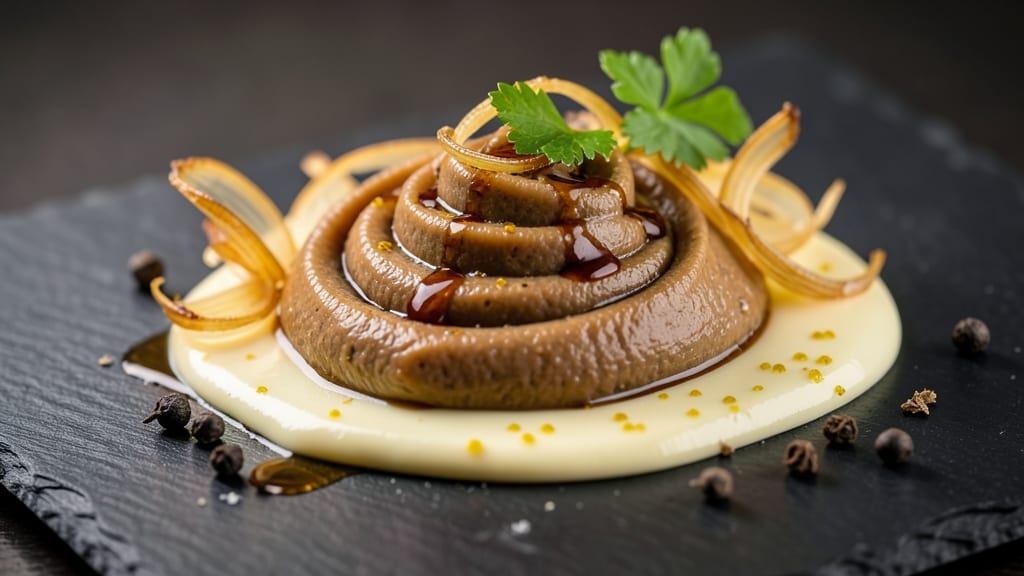
This liver paste recipe transforms humble organ meat into a velvety, umami-packed spread that elevates any charcuterie board.
The secret lies in slow-cooking liver with aromatic fats and herbs until it melts into a silky, spreadable consistency—rich enough to stand alone but balanced enough to complement cured meats and sharp cheeses. I developed this version after years of testing, ensuring it delivers restaurant-quality depth without requiring specialized equipment.
The process begins with poaching liver in flavorful broth until tender, then blending it with rendered fat (lard or butter) until smooth. Optional additions like shallots, brandy, or Dijon mustard allow for customization, but the base recipe remains simple: liver, fat, salt, and pepper.
What sets this apart is the patience—simmering until the paste achieves that signature glossy, velvety texture that makes it irresistible.
Once complete, you’ll have a spread that’s bold in flavor but refined in texture, perfect for slathering on crusty bread, pairing with pâté, or using as a bold dip.
Unlike store-bought versions, this paste develops deeper layers of flavor over time, making it worth the effort. The result? A condiment that turns simple bites into an experience.
Store leftovers in the refrigerator for up to two weeks or freeze for months, ensuring you always have a gourmet touch ready for any occasion. Whether you’re hosting a dinner party or simply craving something sophisticated, this liver paste delivers professional results with just a few key ingredients.
Ingredients for liver paste
Eight ingredients, one luxurious spread. Nothing beats this velvety liver paste for charcuterie magic.
| Ingredient | Amount | Notes |
|---|---|---|
| Chicken Livers 🍗 | 1 ½ lb | Fresh, trimmed of connective tissue |
| Unsalted Butter 🧈 | ¾ cup | Cold, cut into pieces for rendering |
| Shallots 🧅 | 4 whole | Minced, for aromatic depth |
| Garlic Cloves 🧄 | 4 cloves | Minced, for savory balance |
| Brandy 🍷 | 2 tbsp | Optional, for depth of flavor |
| Dijon Mustard 🍯 | 1 tbsp | For subtle tanginess |
| Fresh Thyme Leaves 🌿 | ¼ cup | Chopped, for herbal brightness |
| Kosher Salt 🧂 | 1 ½ tsp | Diamond Crystal preferred |
| Freshly Ground Black Pepper 🌶️ | ½ tsp | For finishing touch |
| Vegetable or Chicken Broth 💧 | 1 cup | Low-sodium for poaching |
The livers are the star—chicken livers are my go-to (they’re milder than duck), but beef or pork work too. Grab them from the butcher counter if you can—they keep better than pre-packaged. Trim off any connective tissue or gristle first, then rinse and pat dry. The butter? European-style (like Plugrá) renders better than American butter—it’s worth the splurge for that rich flavor. For shallots, grab the small, sweet ones from the grocery store’s produce section—they’re easier to peel and finer to mince. Fresh thyme is non-negotiable here; dried won’t give you that same bright herbal punch.
No brandy? Dry sherry or even a splash of red wine works in a pinch, but don’t skip it entirely—it’s what deepens the umami. Short on Dijon? Whole-grain mustard thinned with a little broth gets you close. The broth can be homemade or store-bought (just check for low sodium). If you’re feeling fancy, add a pinch of sugar to balance the richness—trust me, it’s worth it. For the pepper, freshly ground is a must; pre-ground loses its kick fast. And if you’re worried about the liver tasting too strong, simmering it gently in the broth first mellows it out beautifully.
This paste keeps like a dream. Once blended to perfection, store it in an airtight jar in the fridge for up to two weeks—it actually gets better as the flavors meld. For longer storage, freeze in 1-tablespoon portions on a tray, then transfer to a bag. Thaw overnight in the fridge before using. Pro tip: spread a thin layer of butter on toasted baguette slices before adding the paste—it makes every bite feel like a fancy bistro experience. Leftovers? Use them to jazz up deviled eggs, mix into mashed potatoes, or slather on grilled cheese.
Why You'll Love This Recipe
- Foolproof Cleanup: I swear by this one—just a single pan, a quick wipe, and you’re done. The livers render down into a glossy paste while the butter and brandy caramelize into a rich sauce that barely sticks, so you’re not scrubbing pots at midnight.
- Rich Umami Bomb: That first bite? Pure satisfaction. The brandy cuts through the richness of the butter, while the shallots and garlic mellow into a deep, savory base—like a fancy pâté but with half the fuss. Honestly, I’ve never met a liver paste that didn’t disappear in minutes.
- Party or Pantry: Slather it on crusty bread for a charcuterie board, dollop it into mashed potatoes for a restaurant-worthy twist, or use it to elevate a simple grilled cheese. It’s my go-to for last-minute appetizers because it turns basic bites into something special—no one will guess it’s just chicken livers.
- Budget Magic: Chicken livers are the unsung hero of affordable proteins, and this recipe stretches them into something luxurious. A pound of livers goes a long way, and the butter and brandy add depth without breaking the bank. Between us, I’ve fed a crowd of six for under $15 with this—no one complained.
Step-by-step instructions for liver paste recipe
Here's how to transform humble chicken livers into a velvety, umami-packed spread that steals the show on any charcuterie board.
Prepare and Poach the Chicken Livers
Start by trimming any visible connective tissue from the 1.5 lb chicken livers using a sharp knife. Rinse them thoroughly under cold water and pat completely dry with paper towels—this ensures they cook evenly and don't steam instead of sear. In a large skillet, melt the 0.75 cup unsalted butter over medium heat until it foams, then add the livers in a single layer. Cook for 2 minutes per side until lightly browned, then remove and set aside.
In the same skillet, add the 4 whole shallots and 4 cloves garlic cloves that have been minced. Sauté for 3 minutes until softened but not browned. Pour in the 1 cup vegetable or chicken broth and bring to a gentle simmer. Return the livers to the skillet, reduce heat to low, cover, and poach for 8-10 minutes until the livers are just cooked through but still tender. You'll know they're ready when they reach an internal temperature of 145°F and the edges begin to curl slightly.
Render and Build the Flavor Base
Using a slotted spoon, carefully remove the cooked livers from the skillet and set them aside on a plate. Increase the heat to medium-high and add the 2 tbsp brandy (if using), scraping up any browned bits from the bottom of the pan. Let it simmer for 1-2 minutes until the alcohol smell dissipates completely. Stir in the 1 tbsp Dijon mustard and cook for another 30 seconds until fully incorporated.
Add the 0.25 cup chopped fresh thyme leaves and cook for 1 minute until fragrant. Season generously with the 1.5 tsp kosher salt and 0.5 tsp freshly ground black pepper, stirring constantly to combine. The mixture should smell rich and aromatic—this is where the magic begins. Let the sauce reduce slightly for 2-3 minutes until it thickens into a glossy consistency, but don't let it burn.
Blend to Silky Perfection
Transfer the livers to a food processor fitted with the metal blade attachment. Add the flavorful pan sauce from the skillet, ensuring you get every last drop. Pulse the mixture 3-4 times until the livers are roughly chopped but still visible. Scrape down the sides of the processor with a spatula to ensure even blending. Process in 30-second bursts until the mixture becomes completely smooth and velvety, about 1-2 minutes total.
Here's the thing—don't over-blend or the paste will become greasy. You want it to hold its shape when spread but still have a luxurious, creamy texture. If it's too thick, add 1-2 teaspoons of the poaching liquid to loosen it. The final consistency should be like a rich, spreadable pâté that clings beautifully to crackers or bread.
Rest and Serve
Transfer the liver paste to a serving bowl or airtight container. Let it rest at room temperature for 15-20 minutes before serving. This resting period allows the flavors to meld completely and the texture to set slightly, making it easier to spread without making a mess. The paste should have a deep, mahogany color with a glossy sheen from the butter and brandy.
Serve immediately for the best texture, but it will keep in the refrigerator for up to 5 days. For an elegant presentation, pipe it onto a platter using a star tip or spread it directly onto crusty bread slices. Pair with sharp cheeses, cured meats, or fresh fruit to balance its rich, umami profile. Each bite should deliver a perfect harmony of buttery richness, savory depth, and herbal brightness.
Pro Tips For Making Liver Paste
- Blanching First: Drop those livers in simmering water for 30 seconds before cooking—this removes blood and bitterness. I used to skip it and wondered why my paste always tasted metallic; this step makes a real difference.
- Mince Shallots Fine: Use a knife, not a food processor—you want tiny, even pieces that dissolve into the butter. I tried pulsing them once, and they turned to mush; hand-chopping keeps texture and flavor intact.
- Deglaze with Brandy: Add the brandy after the livers brown, not before—it burns easily and ruins the flavor. A splash (2-3 tablespoons) lifts the whole dish, but timing matters.
- Press Out Moisture: After cooking, spread the paste on parchment and chill for 10 minutes—this firms it up for cleaner slices. I used to serve it warm and messy; chilling makes it elegant and easy to spread.
Perfect pairings for this dish
Bread Pairings
This liver paste shines on crusty baguette slices—toasted until golden and slathered with a thin layer of butter before adding the paste. The crispy crust contrasts beautifully with the velvety spread. For extra elegance, try sourdough or brioche—their rich textures hold up to the bold flavors.
I also love spreading it on water crackers for a lighter option that lets the liver's depth take center stage. 🥖
Cheese Complements
Pair with aged cheeses to balance the paste's richness. A sharp Comté or Pecorino Romano adds nutty contrast, while creamy Brie or Camembert softens the intensity. For a tangy twist, try blue cheese like Gorgonzola Dolce—the funky notes cut through the umami beautifully.
I often arrange small cubes of cheese alongside the paste on a board for guests to mix and match. 🧀
Cured Meats
The saltiness of cured meats elevates the paste's depth. Prosciutto di Parma or serrano ham are classic choices—their delicate flavors let the liver shine. For something heartier, try salami or chorizo, which stand up to the paste's intensity.
I like to roll thin slices of prosciutto around the paste for a handheld bite. The combination of salty, fatty, and umami is pure magic. 🍖
Sweet Contrasts
Balance the richness with something sweet. Honeycomb drizzled over the paste adds floral notes, while fig jam brings fruity depth. For a crunchy element, add toasted nuts like pecans or walnuts.
I also love pairing it with dried apricots or dates—their chewy texture and natural sweetness contrast perfectly with the savory spread. 🍯
Dip Ideas
Use the paste as a dip for endive leaves or radishes—their peppery bite cleanses the palate. For something heartier, try crudités like carrots, celery, or jicama sticks.
I also love serving it in blini or mini quiches for a more substantial bite. The paste's velvety texture makes every dip feel luxurious. 🥕
Beverage Pairings
A dry red wine like Pinot Noir or Cabernet Sauvignon complements the liver's richness. For white wine lovers, a Chardonnay with oaky notes works beautifully. If you prefer beer, a Belgian witbier or amber ale balances the umami with citrusy brightness.
I also enjoy a dry sherry or Port with the paste—both enhance its depth. 🍷
Nutrition facts
Frequently asked questions
Can I use beef or pork liver instead of chicken?
Beef liver has a richer, deeper flavor while pork liver falls somewhere between chicken and beef in intensity. For beef liver, reduce the cooking time slightly (about 6-8 minutes poaching) as it cooks faster. Pork liver works best with the same method but may need an extra 1-2 minutes of poaching. Adjust seasoning to taste—beef liver often needs more salt.
Why does my liver paste turn out greasy?
Over-blending is the most common cause. Stop blending once the mixture is smooth—it should hold its shape when spread but still be creamy. If it's too thick, add 1 teaspoon of poaching liquid at a time. For extra insurance, chill the paste for 30 minutes before serving to help it firm up slightly.
How do I store liver paste for maximum freshness?
Transfer to an airtight container and refrigerate for up to 2 weeks. For longer storage, freeze in 1-tablespoon portions on a tray, then transfer to a freezer bag. Thaw overnight in the fridge—never at room temperature. The paste actually improves in flavor as it ages, developing deeper complexity over time.
Can I make this without brandy?
Yes! Substitute with 2 teaspoons of dry sherry, red wine, or even apple cider vinegar for acidity. If omitting alcohol entirely, add an extra ½ teaspoon of salt to compensate for lost depth. The brandy primarily adds complexity—without it, the paste will still be delicious but slightly less sophisticated.
What's the best way to reheat liver paste?
Never microwave it directly—this can make it greasy. Instead, transfer to a small saucepan and warm gently over low heat with 1 tablespoon of water or broth, stirring constantly until just heated through (1-2 minutes). For the best texture, reheat only what you plan to use immediately. The paste should remain velvety, not melted.