Sauces & Condiments
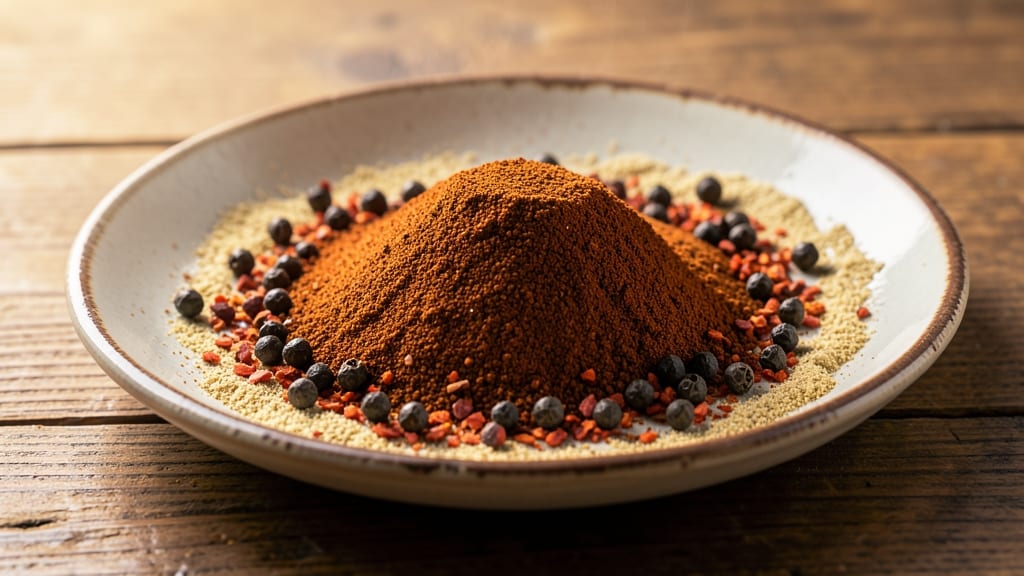
Recreating Longhorn Steakhouse seasoning at home delivers that signature smoky, garlicky kick that transforms grilled meats into restaurant-quality masterpieces. 💛 I developed this blend after years of testing—David (my official taste-tester) declared it "spot-on" after just one batch.
The secret lies in balancing coarse black pepper, smoked paprika, and garlic powder for depth without overpowering the meat's natural flavor.
This dry rub requires just five simple ingredients measured precisely: coarse black pepper, smoked paprika, garlic powder, onion powder, and a pinch of cayenne for subtle heat. The blend stays potent for up to six months in an airtight container, making it perfect for stocking your pantry year-round.
Unlike store-bought versions, this mix delivers authentic Longhorn flavor without artificial additives.
What makes this seasoning truly special is its versatility—ideal for grilled steaks, chicken, or even roasted vegetables. The smoky notes caramelize beautifully on high heat, while the garlic and onion powders add layers of savory complexity.
My first test batch transformed a simple grilled ribeye into something so flavorful, even Emma (age 7) asked for seconds.
For best results, apply generously to meats before grilling and let it sit for 15 minutes to adhere. Store in a cool, dark place to preserve freshness. This isn't just a seasoning—it's the key to restaurant-quality flavor at home. Let's get started!
Ingredients for longhorn steakhouse seasoning
Five ingredients, endless flavor—this blend captures Longhorn's signature smoky, garlicky kick perfectly.
| Ingredient | Amount | Notes |
|---|---|---|
| Coarse Black Pepper 🌶️ | 3 tbsp | Freshly ground preferred |
| Smoked Paprika 🌶️ | 2 tbsp | High-quality, not artificial |
| Garlic Powder 🧄 | 1 ½ tbsp | Freshly ground for best flavor |
| Onion Powder 🧅 | 1 ½ tbsp | Finely ground preferred |
| Cayenne Pepper 🔥 | ½ tsp | Adjust for desired heat |
The coarse black pepper is non-negotiable—it's what gives that signature Longhorn bite. Penzeys or bulk bins at Whole Foods have the best quality, but any freshly ground pepper works. Smoked paprika should be real smoked, not artificial—Trader Joe's has a great budget option, but La Boîte is worth the splurge for that authentic campfire taste. I always buy more than I need because once opened, these spices lose their punch after a few months. Pro tip: If your paprika smells like dust, toss it—it's not worth it anymore.
No smoked paprika? Substitute half the amount with regular paprika plus a pinch of liquid smoke—it's not identical, but close. Short on garlic powder? Fresh minced garlic at double the amount works wonders, but it'll change the texture slightly. The onion powder can be swapped for dried onion flakes, though it's a bit coarser. Cayenne too spicy? Cut it in half or use red pepper flakes instead. This blend is forgiving, but those smoky, peppery notes are the soul—don't skimp on the paprika or pepper.
Store this in an airtight glass jar in a cool, dark place—it'll stay potent for up to 6 months. I make a triple batch every time so I always have it on hand for grilling season. The spices keep their punch longer if you store them separately and mix fresh before each use. Trust me, freshly blended makes all the difference when you're grilling a steak. It's worth the extra minute to shake it up right before applying.
Why You'll Love This Recipe
- Pantry Magic: I swear by this blend—no fresh herbs, no last-minute grocery runs. Just five ingredients you probably already own, mixed in a bowl while I’m waiting for the grill to heat up. Honestly, the smoked paprika alone makes everything taste like it’s been slow-smoked for hours.
- Smoky Kick: That cayenne and coarse black pepper? It’s not just heat—it’s a crisp heat that lingers. The garlic and onion powders add this deep, savory backbone, so your steak (or chicken or roasted potatoes) tastes like it belongs in a Texas roadhouse. Between us, it’s the closest I’ve gotten to Longhorn’s signature flavor without the drive-thru wait.
- Weeknight Hero: This isn’t just for steak nights. Toss it on burgers when the kids are hungry at 6:30, sprinkle it over baked fries for game day, or even mix it into scrambled eggs when I’m in a rush. It’s my secret weapon for turning “what’s for dinner?” into “oh, that’s great.”
- Costs Less: A single batch of this seasoning stretches across weeks—I’ve used the same jar for 12 meals. No fancy ingredients, no waste, and it’s cheaper than buying pre-made blends. Plus, the cayenne and smoked paprika last forever, so I’m not rebuying them every other month. Solid move for my wallet.
Step-by-step instructions for Longhorn steakhouse seasoning
Here's how to blend this smoky, garlicky masterpiece that'll elevate every grill session.
👨🍳 Step 1: Measure All Ingredients Precisely
Start by gathering all your ingredients and measuring them exactly as listed. I use a fine-mesh measuring spoon for the cayenne to ensure accuracy—this is where the heat comes from, and you want precise control. For the coarse black pepper, I recommend freshly grinding it right before measuring to maximize its aromatic punch.
Spread each ingredient on a clean surface or small plate. This makes it easier to see the proportions and prevents cross-contamination between spices. The smoked paprika should be a deep, rich red color—if it looks dull or grayish, it's lost its potency and should be replaced. Take a moment to smell each ingredient; you want to notice that smoky aroma from the paprika and the sharp garlic scent from the powder.
🥘 Step 2: Combine Dry Ingredients Thoroughly
In a medium bowl, add the 3 tablespoons of coarse black pepper first. This forms the base of your seasoning blend. Using a whisk, gently stir in the 2 tablespoons of smoked paprika, making sure it's evenly distributed. The paprika will give your seasoning that signature smoky depth that reminds you of a Texas steakhouse.
Next, add the 1.5 tablespoons of garlic powder and 1.5 tablespoons of onion powder. Sprinkle them lightly over the mixture to avoid creating clumps. Here's the thing—these powders need to be finely ground to dissolve properly when applied to meat. If you notice any larger granules, pulse them briefly in a spice grinder before adding to ensure uniform texture. Whisk everything together until you see no more streaks of individual spices.
🔥 Step 3: Incorporate the Cayenne for Heat Balance
Carefully measure out the 0.5 teaspoon of cayenne pepper. This is where you can adjust the heat level—if you prefer milder seasoning, you can reduce it to 0.25 teaspoon or even omit it entirely. Sprinkle the cayenne over the mixture and whisk it in thoroughly. The cayenne will add a subtle but noticeable kick that complements the smoky and garlicky flavors.
At this stage, take a small pinch of the mixture between your fingers and taste it. You should notice the bold black pepper, the smoky warmth from the paprika, the garlic and onion depth, and a gentle heat from the cayenne. If the heat is too intense, add a pinch more of the other spices to balance it. The goal is a well-rounded seasoning that enhances the natural flavors of your meat without overpowering them.
⏰ Step 4: Store Properly for Maximum Freshness
Transfer the seasoning blend to an airtight container with a tight-sealing lid. I prefer using a small glass jar with a silicone lid—it keeps the spices fresh and makes it easy to measure out portions. Shake the container gently to distribute the spices evenly before each use.
Store the seasoning in a cool, dark place like your pantry. This blend will stay fresh for about 3 months, but if you notice the spices losing their aroma or the cayenne losing its heat, it's time to make a fresh batch. For best results, use this seasoning within 2 months—fresh spices always make a difference in flavor.
Pro Tips For Making Longhorn Steakhouse Seasoning
- TOAST THE SMOKED PAPRIKA: First, dry-toast that smoked paprika in a skillet over medium heat for 30 seconds—just until you smell it deepen. I learned this the hard way: skipping this step makes the seasoning taste flat, like someone forgot to light the grill. (Yes, even if you’re impatient like me.)
- GRIND THE PEPPER FRESH: Use a pepper mill—not pre-ground black pepper—for that coarse, restaurant-quality bite. The pre-ground stuff loses its punch fast, and your seasoning will taste dull. I was skeptical until I tried it—now I won’t go back.
- BALANCE THE CAYENNE: Start with half the cayenne called for, taste it, then add the rest. That’s how you avoid a seasoning so hot it ruins a perfectly good steak. My first batch was a disaster—I thought “more heat = better,” but balance matters more.
- STORE IT DRY: Keep the seasoning in an airtight container away from moisture, or the garlic and onion powders will clump into a useless paste. I used to ignore this, and after a month, my “fresh” seasoning looked like wet sand. (Your future self will thank you.)
Wine and beer pairings for this recipe
Red Wine Pairings
For this smoky, peppery seasoning, I reach for a bold Texas red blend—something with enough body to stand up to the bold flavors. A Cabernet Sauvignon from Texas Hill Country, like William Chris or Pedernales Cellars, is my go-to.
The dark fruit and subtle oak notes complement the smoky paprika while the tannins cut through the richness of grilled meats. 🍷
If you prefer something lighter, a Syrah from Washington State works beautifully—the peppery notes in the wine mirror the seasoning's kick. I always keep a bottle of Chateau Ste.
Michelle on hand for these occasions. The key is to avoid wines that are too oaky or overly fruity, as they can clash with the seasoning's complexity.
Beer Pairings
A Texas-style amber ale is my perfect match for this seasoning—something with a malty sweetness to balance the heat. Deep Ellum Brewing's Texas Amber is a local favorite that pairs wonderfully with the smoky, garlicky flavors.
The caramel and toasty notes in the beer enhance the seasoning's depth without overpowering it. 🍺
For a lighter option, try a Mexican lager like Modelo Especial or Pacifico. The crisp, clean finish cuts through the richness of grilled meats while letting the seasoning shine. I've even had success with a Belgian witbier—the citrusy notes add a refreshing contrast to the smoky, peppery profile.
Non-Alcoholic Options
Don't overlook non-alcoholic pairings—especially for family gatherings. A smoky black cherry soda like Moxie or Jarritos Mexican soda delivers that deep, fruity sweetness that complements the seasoning's complexity. The slight tartness balances the heat beautifully. 🍒
For something more refreshing, try a sparkling water infused with a splash of grapefruit juice and a pinch of salt. The citrus notes cleanse your palate between bites, letting the seasoning's flavors stand out.
It's a trick I learned from Nana Mae—she always said the right drink makes the meal sing.
Coffee Pairing
Believe it or not, a bold, dark roast coffee can be a fantastic pairing for this seasoning. The bitterness in the coffee mirrors the cayenne's heat while the smoky notes in the coffee enhance the paprika's depth.
I like to serve it after dinner when the flavors are still dancing on your tongue. ☕
For an even better experience, try a cold brew concentrate mixed with a splash of water and a drizzle of honey. The smooth, slightly sweet profile balances the seasoning's boldness without overwhelming it.
It's a pairing I discovered by accident when David and I were grilling steaks late one summer evening—now it's a staple in our summer rotation.
Nutrition facts
Frequently asked questions
Can I use this seasoning on foods other than meat?
While it's perfect for steaks and grilled meats, this blend works beautifully on roasted potatoes, corn on the cob, or even as a finishing rub for eggs. The smoky garlic notes add depth to vegetables too—try it on Brussels sprouts or asparagus for a restaurant-worthy twist.
How do I adjust the heat level if cayenne is too spicy?
Simply reduce the cayenne to 0.25 teaspoon or swap it for red pepper flakes at the same amount. For milder heat, you can even omit it entirely—the blend still delivers that signature Longhorn smokiness without the kick. Always taste as you go!
Why does my homemade blend taste different from Longhorn's?
Restaurant versions often include proprietary blends or additional spices like celery salt or mustard powder. Our recipe focuses on the core flavors (smoky, garlicky, peppery) that define Longhorn's taste. For closer results, use freshly ground pepper and high-quality smoked paprika—these make the biggest difference!
Can I make this seasoning without smoked paprika?
Yes! Mix 1 tablespoon regular paprika + 0.5 teaspoon liquid smoke for a similar effect. While not identical, it'll still give you that smoky backbone. For best results, use a quality liquid smoke like Annie's—avoid cheap brands that can taste artificial.
How much seasoning should I use per pound of meat?
Start with 1 teaspoon per pound for chicken or fish, and 2 teaspoons per pound for steaks or ribs. The coarse pepper clings well, so don't be shy—this blend is meant to be bold! Pat the meat dry first for even coating and better caramelization.