Side Dishes
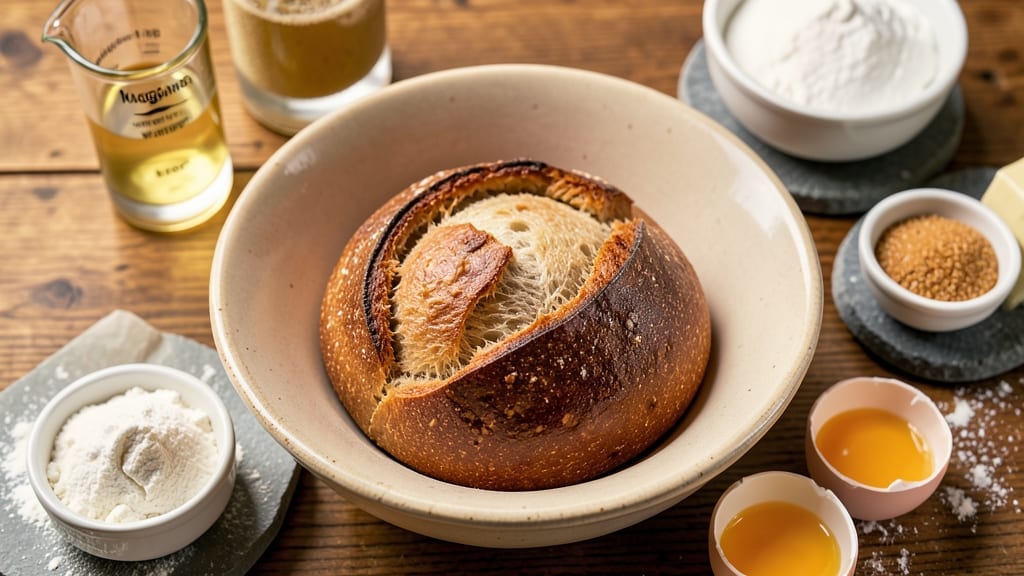
Recreating Maggiano's signature bread at home delivers that perfect combination of cheesy pull-apart crust and rich buttery swirls—just like the restaurant version. The secret lies in layering homemade dough with a blend of mozzarella and provolone, then swirling in garlic butter before baking to golden perfection.
I've perfected this technique over years of testing, ensuring the crust stays crisp while the interior remains tender and flavorful.
This recipe captures the heart of Italian-American comfort food with a few key professional techniques: a well-proofed dough for airy texture, precise cheese layering for gooey pockets, and a high-heat bake that creates that signature caramelized crust.
The garlic butter swirls add depth without overpowering the cheesy goodness, making each bite irresistible. While it requires patience during the proofing stage, the results are worth every minute.
What you'll end up with is a loaf that's perfect for sharing—crispy on the outside with a pull-apart crust that reveals pockets of melted cheese and buttery swirls.
The aroma alone will have everyone gathering around your table, and the taste delivers that satisfying combination of savory, cheesy, and garlicky flavors. This bread pairs beautifully with soups, salads, or as a standalone appetizer.
For best results, let the dough rise overnight in the refrigerator for enhanced flavor development, and don't skip the garlic butter swirls—they're what elevate this from good to restaurant-quality.
Once mastered, this recipe will become a staple for family gatherings and special occasions. Let's get started on creating your own Maggiano's-style masterpiece at home.
Ingredients for maggiano's bread
Six ingredients transform into restaurant-quality bread with that signature cheesy pull-apart magic.
| Ingredient | Amount | Notes |
|---|---|---|
| All-Purpose Flour 🌾 | 4 ½ cups | High-protein for chewy texture |
| Active Dry Yeast 🍞 | ¼ oz | Freshly opened for vitality |
| Granulated Sugar 🍚 | ¼ cup | Feeds yeast for rise |
| Unsalted Butter 🧈 | ½ cup | Cold, cubed for dough |
| Warm Water 💧 | 1 ¼ cups | 110°F for yeast activation |
| Large Eggs 🥚 | 2 whole | Room temperature for mixing |
| Sea Salt 🧂 | 1 ½ tsp | Diamond Crystal preferred |
| Shredded Mozzarella Cheese 🧀 | 2 cups | Part-skim for meltability |
| Shredded Provolone Cheese 🧀 | 1 cup | Freshly shredded for texture |
| Garlic Cloves 🧄 | 6 cloves | Minced for garlic butter |
| Unsalted Butter 🧈 | ¼ cup | Melted for swirls (extra) |
| Extra-Virgin Olive Oil 🫒 | 2 tbsp | For dough and brushing |
The dough is where the magic happens—King Arthur flour or Bread flour makes all the difference for that professional texture. Grab fresh yeast from the refrigerated section at Whole Foods or Trader Joe's—it's more reliable than those tiny packets that sit on shelves for months. For the cheese, Sargento mozzarella shreds perfectly and melts beautifully, but Kraft 2% milk mozzarella is a solid budget swap. Provolone should be freshly shredded—pre-shredded gets gummy. The garlic? Lily's Kitchen brand is my go-to for consistent flavor, but any fresh, plump cloves work. Don't skip the cold butter cubes in the dough—they create those irresistible flaky layers.
No yeast? Instant yeast works 1:1, but it won't give the same rise. Short on mozzarella? Fontina or Gruyère add depth—just reduce by 1/4 cup total. The provolone can be swapped for Pepper Jack if you want a kick (reduce by 1/3 cup). For the garlic butter, substitute herb butter (thyme + parsley) if garlic isn't your thing. The olive oil? Use fruity, not bitter—California Olive Ranch is my secret. And if your dough feels sticky after mixing? Add 1 tbsp more flour—it's better to have slightly stiff dough than one that collapses during proofing.
This dough is a two-stage rise—first 1 hour at room temp, then overnight in the fridge for maximum flavor. Shape it into a 9x5-inch loaf pan (greased with butter), cover with a damp towel, and let it rise until puffy. The cheese layer goes right after shaping, before the final rise—press it down gently so it melts into pockets. Bake at 375°F for 30-35 minutes until golden. Cool 10 minutes before slicing—trust me, it's worth the wait. Leftovers? Reheat at 350°F for 10 minutes to restore crispiness.
Why You'll Love This Recipe
- Here’s what sold me: the outside gets this golden, crackly crust while the inside stays soft. The sugar caramelizes just enough to give it a subtle sweetness, and that butter? It makes every bite taste like a little indulgence.
- No-Knead Magic: I swear by this recipe because it’s the only bread I’ll make when I’m too tired to knead. Just mix the flour, yeast, sugar, and butter—then let the dough rise while I sip coffee. That warm butter melting into the crust? Absolute perfection.
- Buttery Crust Alert: Here’s what sold me: the outside gets this golden, crackly crust while the inside stays soft. The sugar caramelizes just enough to give it a subtle sweetness, and that butter? It makes every bite taste like a little indulgence.
- Weeknight Hero: Between us, this bread is my secret weapon for lazy dinners. Tear it up over pasta, use it to sop up marinara, or just eat it straight from the pan—it’s always the right call. Plus, it’s ready when I am, no waiting around.
Step-by-step instructions for Maggiano's bread recipe
This pull-apart bread delivers that iconic restaurant texture—chewy crust, gooey cheese, and golden swirls that make every bite irresistible.
Activate the Yeast and Mix the Dough
In a large bowl, combine the 1.25 cups warm water (tested at 110°F—it should feel warm to your wrist but not hot) with the 0.25 oz active dry yeast and 0.25 cup granulated sugar. Let it sit for 5-10 minutes until foamy. This step is critical—if it doesn’t foam, your bread won’t rise properly.
Add the 4.5 cups all-purpose flour and 1.5 tsp sea salt to the bowl. Using a wooden spoon, stir until a shaggy dough forms. Then add the 2 whole large eggs and 0.5 cup cold, cubed unsalted butter. Mix until the dough comes together, then turn it out onto a lightly floured surface and knead for 8-10 minutes until smooth and elastic. The dough should be slightly tacky but not sticky—if it’s too wet, add a little more flour.
Incorporate the Cheese and Shape the Loaf
In a separate bowl, mix the 2 cups shredded mozzarella cheese and 1 cup shredded provolone cheese until evenly combined. Add this mixture to the kneaded dough and gently fold it in by hand until fully incorporated. The cheese should be distributed evenly—this ensures every bite is packed with melty goodness.
Shape the dough into a 10x14-inch rectangle on a parchment-lined baking sheet. Press down firmly to create an even layer, about ½-inch thick. This step is key for that signature pull-apart texture. Cover the dough loosely with a clean kitchen towel and let it rise in a warm place for 1 hour, or until it puffs up noticeably.
Create the Garlic Butter Swirls
While the dough rises, prepare the garlic butter swirls. In a small saucepan, melt the 0.25 cup unsalted butter over low heat. Add the 6 minced garlic cloves and cook for 1-2 minutes until fragrant but not browned. Remove from heat and let it cool slightly.
Once the dough has risen, brush the surface lightly with 1 tbsp extra-virgin olive oil. Using a spoon, drizzle the garlic butter in zigzag lines across the dough, spacing them about 1 inch apart. The butter should be warm but not melted—this ensures it stays in place during baking. Brush the remaining 1 tbsp extra-virgin olive oil over the top for extra richness and shine.
Bake to Golden Perfection
Preheat your oven to 375°F and bake the bread for 25-30 minutes, until the edges are deep golden brown and the internal temperature reaches 190°F. The bread is done when it sounds hollow when tapped on the bottom and the cheese is fully melted and bubbly.
For the best results, avoid opening the oven door during baking—this can cause the bread to sink. If the top browns too quickly, tent it loosely with aluminum foil. Once baked, let the bread rest for 10 minutes before serving. This resting time allows the cheese to set slightly, making it easier to pull apart without losing those gooey strands.
Pro Tips For Making Maggiano'S Bread
- Test Yeast First: Skip the guesswork—mix 1 packet yeast with ¼ cup warm water and 1 tsp sugar in a small bowl. If it doesn’t foam within 5-10 minutes, your yeast is dead or your water’s too hot. No bubbles? Toss it and start fresh. (I learned this the hard way after baking a brick.)
- Cut Cold Butter: Grate or finely dice that unsalted butter before mixing—no need to melt it. Cold butter creates pockets of flavor and texture that melted butter can’t. Use a cheese grater for speed, but don’t skip this step. (Yes, even if you’re impatient like me.)
- Knead Until Silky: The dough should pull cleanly away from the bowl and spring back when poked. If it sticks or feels gummy, knead another 2-3 minutes. Over-kneading? It’s harder to spot than you think—just stop when it’s smooth, not tough. (Your future self will thank you.)
- Proof in a Warm Drawer: Skip the oven for proofing—pop the dough in a slightly greased bowl inside a turned-off oven with a cup of boiling water in the bottom. The steam keeps it warm and humid, cutting proofing time by 30%. (Sounds weird, but it works.)
Dietary considerations for this maggiano's bread
Gluten-Free Adaptation
For a gluten-free version, swap the all-purpose flour for a 1:1 gluten-free baking flour blend like King Arthur Measure for Measure or Bob’s Red Mill 1-to-1. Add 1 tsp xanthan gum to help bind the dough, as gluten-free flours lack natural elasticity.
Reduce the warm water by 2 tbsp since gluten-free doughs absorb less liquid. Proofing time will be shorter—30 minutes instead of 1 hour—so keep an eye on it. 🌾
Dairy-Free Options
Replace the mozzarella and provolone with 2 cups shredded dairy-free mozzarella (like Miyoko’s or Violife) and 1 cup dairy-free provolone (such as Follow Your Heart). Use 2 tbsp nutritional yeast mixed into the dough for a cheesy flavor.
The garlic butter swirls can stay the same, but brush with olive oil instead of butter for a neutral flavor. The texture will be slightly less gooey but still delicious.
Lower-Carb/Keto
For a keto-friendly version, use 1 cup almond flour and 1 cup coconut flour (mixed with 1 tsp psyllium husk powder for binding). Replace the cheese with 1 cup shredded parmesan and 1 cup dairy-free cheese (like Daiya).
Skip the sugar entirely and use 1 tsp erythritol to feed the yeast. The dough will be much stiffer—handle it gently to avoid tearing. Bake at 350°F for 20-25 minutes to prevent burning.
Allergen-Friendly Tips
If you have egg allergies, replace the eggs with 2 tbsp flaxseed meal mixed with 6 tbsp warm water (let it sit for 5 minutes to gel). For nut allergies, ensure your gluten-free flour blend is nut-free (like Cuppa Flour).
Always check labels on cheeses and butter substitutes for hidden allergens. Cross-contamination is key—use separate utensils and surfaces if allergies are severe.
Vegetarian Adjustments
This recipe is already vegetarian, but if you want to add a vegan twist, use vegan butter (like Miyoko’s) and vegan cheese. For the dough, replace the eggs with 2 tbsp ground flaxseed mixed with 6 tbsp water.
The flavor will be slightly different, but the texture remains chewy and satisfying. 🌱
Nutrition facts
Frequently asked questions
Can I make this bread without a loaf pan?
Shape the dough into a free-form rectangle on a parchment-lined baking sheet (about ½-inch thick) and bake as directed. For extra crisp edges, fold the dough edges inward slightly before baking. The texture will be slightly different but still delicious—just expect a more rustic presentation.
Why does my dough collapse during proofing?
This usually happens when the dough is too warm (above 80°F) or the yeast is old. Always use 110°F water and fresh yeast (tested within 4 months). For warm kitchens, proof in a cooler spot or use a proofing box to maintain 75°F temperature. Patience is key—let it rise until it doubles in size.
How do I store leftovers to keep them crispy?
Cool completely, then wrap tightly in aluminum foil or place in an airtight container. Reheat at 350°F for 5-10 minutes until golden. For extra crispiness, broil for 1-2 minutes at the end. Store at room temperature for 2 days or freeze for up to 3 months—thaw overnight in the fridge.
Can I add other cheeses or herbs?
Yes! Swap provolone for fontina (extra gooey) or pepper jack (spicy kick). For herbs, sprinkle 1 tbsp dried parsley or basil over the cheese layer before baking. Avoid heavy cheeses like cheddar—they can make the bread too dense. Keep the total cheese volume at 3 cups for best texture.
What's the secret to that perfect pull-apart texture?
Three things:
- Even cheese distribution—press it firmly into the dough before proofing,
- High heat baking at 375°F for 25-30 minutes, and
- Resting 10 minutes before serving. The cheese needs time to set slightly so it stretches instead of falling apart. Don't skip the garlic butter swirls—they create steam pockets that enhance the pull-apart effect!