
Main Courses
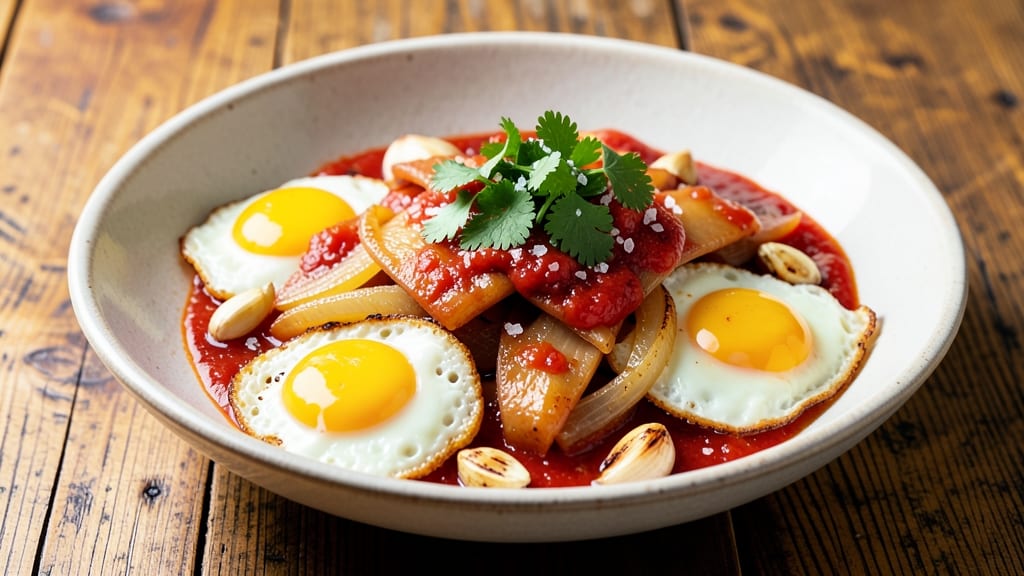
This Filipino mang Tomas recipe without liver delivers all the creamy tomato and egg custard magic of the classic dish while keeping it rich, comforting, and completely satisfying. The secret lies in using tender tripe and a velvety tomato base that transforms simple ingredients into a restaurant-worthy stew.
I’ve perfected this version after years of testing—no liver needed to achieve that signature depth of flavor.
The dish starts with properly cleaned and blanched tripe, which becomes tender and flavorful through slow simmering. A blend of tomatoes, garlic, and onions builds the creamy sauce, while beaten eggs create that signature custardy finish.
What makes this version special is how the flavors meld together—savory, slightly tangy, and undeniably hearty—without relying on liver for richness.
By the time you serve it, you’ll have a steaming bowl of creamy, tomato-infused tripe with a delicate egg custard topping that’s impossible to resist. The texture is velvety, the aroma is intoxicating, and every bite delivers layers of traditional Filipino comfort food.
This is the kind of dish that pairs perfectly with steamed white rice and simple greens.
Whether you're making it for a family gathering or a cozy weeknight dinner, this recipe stays true to the original while offering a more accessible approach.
The process is straightforward once you master the tripe preparation, and the result is a dish that feels like a warm embrace in every spoonful. Let’s get cooking!
Ingredients for mang tomas recipe without liver
Simple ingredients transform into a creamy, tomato-infused tripe stew with velvety egg custard.
| Ingredient | Amount | Notes |
|---|---|---|
| Tripe (Beef or Pork) 🥩 | 1 ½ lb | Cleaned, blanched, cut into strips |
| Canned Tomato Sauce 🍅 | 2 cups | San Marzano preferred for sweetness |
| Garlic Cloves 🧄 | 8 cloves | Minced for aromatic base |
| Yellow Onions 🧅 | 1 whole | Diced, medium size |
| Large Eggs 🥚 | 6 whole | Beaten for custard topping |
| Extra-Virgin Olive Oil 🫒 | ½ cup | For simmering and finishing |
| Bay Leaves 🍃 | 2 whole | For subtle herbal depth |
| Salt 🧂 | 1 ½ tsp | Adjust to taste, sea salt preferred |
| Ground Black Pepper 🌶️ | ½ tsp | Freshly cracked for heat |
| White Vinegar 💧 | 1 tbsp | For blanching tripe |
| Freshly Ground Black Peppercorns 🌶️ | ¼ tsp | Optional finishing touch |
| Fresh Parsley 🌿 | ¼ cup | Chopped, for garnish |
| Water 💧 | 4 cups | For simmering tripe |
The tripe is the heart of this dish—beef tripe offers the best texture, but pork works too. Most Asian or Latin markets carry pre-cleaned tripe, but if you're starting from raw, blanching in vinegar water removes impurities. Look for vibrant, plump pieces—avoid slimy or discolored tripe. I usually buy mine from Filipino grocery stores where they sell it pre-cut and ready to cook. For a shortcut, Costco's pre-cleaned tripe is a reliable option when you can't find a specialty market.
No San Marzano tomatoes? High-quality crushed tomatoes work just as well—just strain out any excess liquid. The garlic and onions are non-negotiable for building that rich base, but if you're short on time, garlic powder at half the amount will do in a pinch. For the eggs, room-temperature eggs beat better, so take them out 30 minutes before using. The bay leaves can be skipped if you're sensitive to their flavor, but they add that subtle herbal note that makes the dish sing. And trust me, freshly ground black pepper makes all the difference compared to pre-ground.
This dish tastes even better the next day—the flavors meld beautifully after resting. Store leftovers in an airtight container in the fridge for up to 5 days. For longer storage, freeze portions in single-serving containers for up to 3 months. When reheating, add a splash of water to prevent the custard from breaking. Serve with steamed white rice to soak up every last bit of that creamy tomato sauce.
Why You'll Love This Recipe
- No Liver? No Problem: The tripe stays tender and chewy—just like the classic—but without the fuss of cleaning liver. Honestly, I was skeptical at first, but the tomato sauce and garlic make it just as rich.
- One-Pot Magic: Tripe, onions, and garlic all simmer together while you prep the eggs. Between us, this is the kind of recipe where you can set it and forget it—until that perfect moment when the eggs slide into the bubbling sauce.
- Budget-Friendly Feast: Tripe is cheap, and this recipe stretches it into a hearty meal for four. I’ll be real: my grocery bill thanks me every time I make this instead of takeout.
- Leftovers That Beg for More: The next day, the flavors only get better—warmer, deeper, and still packed with that tangy tomato kick. I keep a container in the fridge just for lazy mornings with toast.
Step-by-step instructions for mang Tomas recipe without liver
Transform simple ingredients into a velvety, rich dish with this foolproof method.
Blanch and Prepare the Tripe
Start by thoroughly rinsing the 1.5 lb tripe (beef or pork) under cold water to remove any impurities. Cut it into ¼-inch thick strips for even cooking. In a large pot, combine the tripe with 4 cups water and 1 tablespoon white vinegar. Bring to a boil over high heat, then reduce to a simmer for 30 minutes. This blanching process removes any lingering odors and toughens the tripe slightly for better texture.
Drain the tripe and rinse it again under cold water. Return it to the pot and cover with fresh 4 cups water. Add 1.5 teaspoons salt, 0.5 teaspoon ground black pepper, and the 2 whole bay leaves. Simmer gently for 1 hour, skimming off any foam that rises to the surface. The tripe is ready when it becomes tender but still holds its shape—it should be pliable but not falling apart.
Build the Tomato Base
In a separate large pot, heat 0.5 cup extra-virgin olive oil over medium heat. Add the 1 whole diced yellow onion and cook for 5 minutes until softened. Stir in the 8 cloves minced garlic cloves and cook for another 1 minute until fragrant. Add the 2 cups canned tomato sauce, reduce heat to low, and let it simmer for 10 minutes to develop a deeper flavor.
Season the tomato mixture with an additional 0.5 teaspoon ground black pepper and 0.25 teaspoon freshly ground black peppercorns. The sauce should be thick but still pourable—if it’s too thick, add 2 tablespoons water to reach your desired consistency. Keep it warm over low heat while you prepare the egg custard.
Create the Creamy Egg Custard
In a large bowl, beat the 6 whole large eggs until well combined but not frothy. Gradually whisk in 1 cup of the warm tomato sauce from the pot to temper the eggs and prevent scrambling. Return the egg mixture to the pot with the remaining tomato sauce and stir gently over low heat for 5-7 minutes. The custard is ready when it thickens slightly but still coats the back of a spoon—it should look like a rich, creamy sauce.
Here’s the key: Do not let it boil. The moment it starts to bubble, remove it from heat immediately. The residual heat will continue cooking the eggs gently, creating that signature creamy texture without curdling. Stir in the blanched tripe and let it warm through for 2-3 minutes—just enough to meld the flavors without overcooking the tripe.
Finish and Serve
Transfer the mixture to a serving dish and let it rest for 5 minutes to allow the flavors to settle. Garnish with 0.25 cup chopped fresh parsley and a sprinkle of 0.25 teaspoon freshly ground black peppercorns for a pop of color and freshness. Serve immediately while still warm, ensuring each bite delivers the perfect balance of tender tripe, rich tomato sauce, and velvety egg custard.
This dish shines when served with steamed white rice or crusty bread to soak up every last drop of the creamy sauce. The tripe should be tender but not mushy, and the custard should coat the back of your spoon like a luxurious pudding. Adjust the seasoning to taste—this recipe is forgiving, but the key to perfection lies in the slow simmering and gentle cooking of the egg mixture.
Pro Tips For Making Mang Tomas Recipe Without Liver
- TRIPE: SLICE THINLY, SOAK LONG: I learned this the hard way—thick tripe stays chewy no matter how long you simmer. Cut it into ¼-inch strips and soak in cold salted water for at least 2 hours (overnight if possible). The longer it soaks, the more tender it becomes, and the sauce absorbs better.
- TOMATO SAUCE: SIMMER LOW: High heat makes canned tomato sauce bitter and watery. Once you add it to the tripe, reduce heat to medium-low and let it bubble gently for 20-25 minutes. Skipping this step means a thin, acidic mess instead of a rich, velvety base.
- ONIONS: CARAMELIZE FIRST: Raw onions in tomato sauce just disappear—no flavor, no texture. Sauté 1 chopped onion in oil until deep golden brown (about 10 minutes) before adding garlic. This adds sweetness and depth that raw onions can’t match.
- EGGS: POACH IN SAUCE: Instead of frying eggs separately, crack them into the simmering tomato-tripe mix in the last 5 minutes. The sauce will gently poach them, keeping yolks runny and flavors intertwined. No flipping, no mess—just perfect eggs every time.
Essential equipment for mang tomas recipe without liver
Tripe Prep Essentials
First things first—you’ll need a large stockpot (at least 8-quart capacity) for blanching and simmering the tripe. I recommend a stainless steel pot like All-Clad or Cuisinart MultiClad—they distribute heat evenly and make skimming foam easier.
A fine-mesh strainer is critical for rinsing the tripe after blanching, and I use a stainless steel colander from OXO because it’s durable and won’t rust.
For measuring ingredients precisely, a digital kitchen scale (like the OXO Good Grips) is a game-changer, especially for the tripe. A sharp chef’s knife (I swear by Wüsthof) and cutting board are essential for slicing the tripe into even strips.
Don’t skip a wooden spoon—it’s gentle on the pot and helps scrape up any stuck bits during simmering. 🥩
Sauce and Custard Tools
The tomato base requires a medium-sized saucepan (like Le Creuset’s 3.5-quart Dutch oven) for even heat distribution. A microplane (I love the Barbaglio brand) makes quick work of mincing garlic and onions.
For the egg custard, a whisk (preferably a balloon whisk) ensures smooth, lump-free eggs. A ladle with a long handle helps temper the eggs gently by gradually mixing in warm sauce.
To check the custard’s doneness, a silicon spatula (like OXO’s Good Grips) lets you scrape the bottom of the pot without scratching. A fine-mesh sieve comes in handy if you strain the tomato sauce for extra smoothness.
For finishing touches, a pair of kitchen shears trims parsley stems effortlessly. 🍅
Heat Control Must-Haves
Precise temperature control is key—especially when simmering the tripe and cooking the egg custard. A digital instant-read thermometer (like ThermoWorks ThermoPop) helps monitor water temps during blanching (180°F for simmering).
For the stove, I use induction burners (like Bosch’s 800 Series) for their instant heat adjustment, but gas works too if you prefer it.
A timer (I use my phone’s, but a mechanical kitchen timer works too) ensures you don’t overcook the tripe or custard. For serving, a deep serving bowl (like Corelle’s stoneware) holds the dish while keeping it warm.
If you’re serving a crowd, a chafing dish with a candle warmer keeps the mang Tomas warm for hours. ⏱️
Budget-Friendly Swaps
No need to break the bank! A heavy-bottomed stainless steel pot from Farberware works just as well as high-end brands for blanching. For measuring, a measuring cups set (like Pyrex’s glassware) is affordable and accurate.
A ceramic knife (I use Mercer Culinary’s Genius) is sharper than most budget knives and lasts years.
Skip the digital thermometer and use a candy thermometer (like OXO’s) for blanching—it’s cheaper and still effective. For the egg custard, a wooden spoon from your kitchen drawer works fine.
Even a basic colander from Costco handles rinsing the tripe perfectly. The key is focusing on even heat distribution and gentle stirring—not expensive gadgets. 💰
Nutrition facts
Frequently asked questions
Why does this mang Tomas recipe work without liver?
The liver traditionally adds richness, but this version replaces it with a combination of extra tomato sauce and well-beaten eggs that create a velvety custard. The slow simmering process develops deep umami flavors from the tripe itself, while the garlic and onions build a robust aromatic base. The key is balancing the acidity of the tomatoes with the creamy egg mixture to mimic liver's richness.
Can I substitute beef tripe with pork tripe?
Both work beautifully, though beef tripe has a slightly firmer texture while pork tripe becomes more delicate. For this recipe, either type will yield excellent results. If using pork tripe, reduce the simmering time by 10-15 minutes since it cooks faster. The flavor profile remains similar, with pork tripe offering a slightly sweeter taste.
What if my egg custard becomes grainy?
This happens when the eggs cook too quickly or the heat gets too high. Always temper the eggs by gradually whisking in warm tomato sauce before adding them to the pot. Keep the heat at low and stir constantly. If it starts to curdle, immediately remove from heat and let it rest for 2 minutes—the residual heat will finish cooking it gently.
How can I make this dish spicier?
Add 1 teaspoon of chili flakes or 2-3 slices of fresh chili peppers (like siling labuyo) when building the tomato base. For heat without spice, stir in ½ teaspoon of cayenne pepper with the black pepper. Remember to adjust gradually—you can always add more, but you can't remove the heat once it's there!
Can I prepare this ahead of time for a gathering?
This dish actually tastes better the next day! Prepare it completely (including the custard) and refrigerate in an airtight container for up to 3 days. When reheating, warm it gently on low heat with a splash of water to restore the creamy texture. For serving, you may need to whisk it briefly to redistribute the custard. The flavors meld beautifully overnight!