Sauces & Condiments
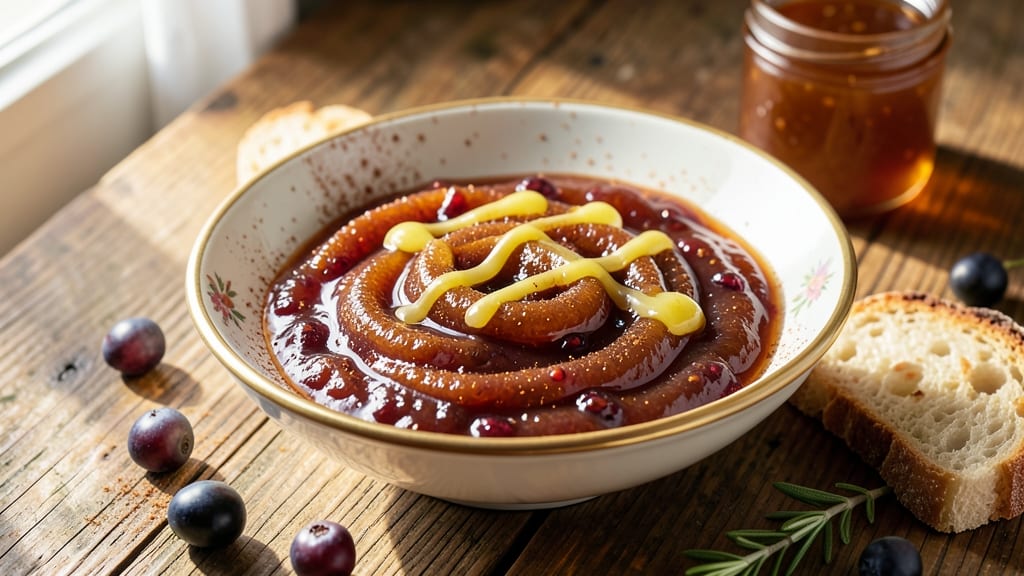
Creating mulberry jam without pectin is simpler than you think, and this recipe delivers a naturally thickened spread with vibrant color and rich berry flavor. 💫 I developed this method after realizing how easy it is to achieve perfect set using just sugar and lemon juice—no store-bought additives needed.
The secret lies in balancing sugar concentration and acidity to create that ideal gel-like texture.
This recipe requires just five ingredients: fresh mulberries, sugar, lemon juice, water, and a touch of cinnamon for warmth. The process is straightforward—simmering the fruit until tender, then cooking with sugar until it reaches the perfect thickness.
What makes this method work is the natural pectin in the mulberries combined with the acidity from lemon juice, which helps bind everything together beautifully.
By the time you're done, you'll have a glossy, deep purple jam that's perfect for toast, yogurt, or even as a glaze for meats. The flavor is intensely berry-forward with just a hint of tartness from the lemon, and the texture is smooth yet slightly spreadable.
It keeps well in the fridge for up to three months, making it a great pantry staple for those who love homemade preserves.
The best part? This recipe is foolproof for beginners—no special equipment needed beyond a pot, spoon, and clean jars. Whether you're making it for gifts, breakfast treats, or just to enjoy with tea, this mulberry jam will impress everyone who tastes it. Let's get started!
Ingredients for mulberry jam recipe without pectin
Five simple ingredients transform into a velvety jam with no pectin needed.
| Ingredient | Amount | Notes |
|---|---|---|
| Fresh Mulberries 🫐 | 4 cups | Pitted if large, packed tightly |
| Granulated Sugar 🍚 | 3 cups | White or light brown preferred |
| Fresh Lemon Juice 🍋 | ¼ cup | From 1-2 lemons, freshly squeezed |
| Water 💧 | ¼ cup | Filtered preferred for clarity |
| Ground Cinnamon 🌿 | ½ tsp | Ceylon cinnamon for delicate flavor |
The mulberries are the star—look for deep purple, plump berries at farmers markets or specialty stores. Whole Foods or Trader Joe's often carry them in summer, but frozen works in a pinch (thaw first). Sugar is non-negotiable for set—white or light brown gives the cleanest color, while dark brown adds depth but may darken the jam. The lemon juice? Fresh is key—bottled lacks the acidity punch needed for proper gelling. If you're short on mulberries, blackberries or raspberries can stretch the batch (reduce water by half).
No Ceylon cinnamon? Regular ground cinnamon works, but it's more potent—start with a quarter teaspoon and adjust. Running low on sugar? Honey or maple syrup can replace up to half, but the texture might be softer. The water seems minor, but it's crucial—filtered water prevents cloudiness in the final jam. For a spiced twist, add a pinch of cardamom or star anise. And if your jam isn't setting? Simmer 5 more minutes—it'll thicken as it cools.
Store the jam in sterilized glass jars with tight lids—keeps for 3 months in the fridge or 6 months if frozen. The flavor actually improves over time! For gifting, use amber glass jars to protect from light. Need to reheat? Low heat only—microwaving can scorch. This jam is magical on toasted sourdough, Greek yogurt, or even as a glaze for roasted pork tenderloin. Make a double batch—you'll want it everywhere.
Why You'll Love This Recipe
- No Pectin Needed: I’ll admit, I was skeptical at first—how does jam set without that extra gelling agent? Turns out, the lemon juice and slow simmer do all the work. No fancy equipment, just a pot and patience.
- Sweet-Tart Magic: That first spoonful of jam—warm mulberries balanced by bright lemon and a whisper of cinnamon—is ridiculously good. The sugar caramelizes just enough to make it taste like summer in a jar, even when it’s not.
- Breakfast to Dessert: Spread it on toast for a quick breakfast, drizzle it over yogurt, or—here’s my guilty pleasure—slather it on a grilled cheese. It’s the kind of jam that makes you want to eat it straight from the spoon.
- Lasts All Season: A single batch keeps for months in the fridge, and the cinnamon actually deepens over time. Honestly, I’ve made this twice and still haven’t run out—my pantry’s the winner here.
Step-by-step instructions for mulberry jam without pectin
Here's how to create a luscious, naturally thickened mulberry spread that rivals store-bought—no pectin required!
🍳 Step 1: Cook the Mulberries Until Soft
Combine the 4 cups fresh mulberries with the 0.25 cup water in a heavy-bottomed saucepan. Bring to a gentle boil over medium-high heat, then reduce to medium-low and let it simmer uncovered for 15-20 minutes. You'll notice the berries breaking down and releasing their juices—this is where the magic happens for natural thickening.
Stir occasionally to prevent sticking, and watch for the mulberries to soften completely. They should collapse easily when pressed with a spoon. If the mixture starts to foam excessively, skim off any excess to prevent overflow. This step builds the jam's natural pectin through gentle cooking—no artificial thickeners needed!
👨🍳 Step 2: Add Sugar and Lemon Juice
Once the mulberries are completely softened, stir in the 3 cups granulated sugar and 0.25 cup fresh lemon juice. The sugar will dissolve quickly, and the lemon juice adds brightness while helping to preserve the jam. Increase the heat back to medium-high and bring the mixture to a full boil, stirring constantly to dissolve all the sugar crystals.
Here's where it gets exciting—the jam will start to bubble vigorously. Let it boil hard for 5-7 minutes, stirring frequently to prevent scorching. You'll see the mixture thicken noticeably as the sugar and fruit interact. This is your cue that the natural pectin in the mulberries is activating to create that perfect spreadable consistency.
⏰ Step 3: Simmer Until Thick and Glossy
After the initial boil, reduce the heat to medium-low and let the jam simmer for another 30-45 minutes. This is the most critical step—keep stirring occasionally to ensure even cooking and prevent sticking. The jam should gradually thicken until it coats the back of a spoon when you lift it out and let it drip back in.
To test for doneness, place a small spoonful of jam on a chilled plate and run your finger through it. If the jam holds its shape and doesn't run together immediately, it's ready! If it's still too thin, continue simmering for another 5-10 minutes. The color should be deep ruby red with a glossy sheen—this indicates proper thickening and concentration of flavor.
🍽️ Step 4: Finish with Cinnamon and Jar
Remove the jam from heat and stir in the 0.5 teaspoon ground cinnamon. Let it steep for 5 minutes to infuse the warm spices throughout the jam. This is where that delicate cinnamon flavor really shines—just enough to complement the tart-sweet mulberry without overpowering it.
Ladle the hot jam into sterilized jars, leaving about ¼ inch headspace at the top. Seal the jars while they're still warm to ensure a proper seal. Let the jam cool completely at room temperature before refrigerating. The texture will firm up slightly as it cools, but it will remain beautifully spreadable. This jam keeps for up to 3 months in the refrigerator—perfect for gifting or enjoying throughout the season!
Pro Tips For Making Mulberry Jam Recipe Without Pectin
- Simmer Slow and Steady: Mulberries release their juices at a crawl—don’t rush the first 20 minutes. Low heat (barely a simmer, more like a whisper) prevents scorching and lets the fruit break down naturally. I learned this the hard way after watching my first batch turn into a sticky, burnt mess.
- Strain Twice, Regret Nothing: Mulberry skins are sneaky—they’ll make your jam gritty if you skip this. Use a fine-mesh sieve first to catch big bits, then a cheesecloth-lined strainer for the final pass. Trust me, your teeth will thank you later.
- Sugar in Stages: Dump all the sugar at once, and you’ll end up with a syrup instead of jam. Add half the sugar first, let it dissolve completely, then stir in the rest while the mixture is still moving. This keeps the texture smooth and the flavor balanced.
- Lemon Juice First: Acidify the mulberries before adding sugar—this stops enzymes that turn jam into mush. Toss in the lemon juice and water right at the start, then cook as usual. It’s a small step, but it makes a real difference in shelf life and texture.
Perfect pairings for this recipe
Breakfast Pairings
This mulberry jam shines on toasted sourdough or brioche with a smear of cultured butter. I love pairing it with Greek yogurt and a sprinkle of granola for a balanced breakfast bowl. For something heartier, try it on buttermilk pancakes—the tartness cuts through the sweetness beautifully. 🥞
Cheese Board Magic
Spread a thin layer of mulberry jam on brie or goat cheese for an elegant appetizer. The jam's acidity enhances the creaminess of the cheese while adding a fruity contrast.
I also pair it with aged cheddar and sharp gouda for a bold flavor combo. Add crackers and nuts to round out the board.
Savory Applications
Don't limit this jam to sweet dishes! Use it as a glaze for roasted pork tenderloin or baked chicken thighs. Brush it on in the last 10 minutes of cooking for a sticky, caramelized finish.
It also works beautifully as a filling for sausage rolls or empanadas, adding a fruity-sweet contrast to savory meats.
Dessert Elevations
Warm the jam slightly and drizzle it over vanilla ice cream or panna cotta for a restaurant-quality dessert. The warm-spiced notes complement cold dairy perfectly. I also use it as a filling for thick crepes or mini cheesecakes—just fold it between layers of batter before baking.
For a simple treat, spread it on shortbread cookies or waffles.
Beverage Pairings
Sip on black tea or chamomile tea with a spoonful of mulberry jam—it's like a fruity tea bag in every bite. For coffee lovers, try it with cold brew or iced latte for a sweet-tart contrast.
The jam's depth also pairs well with sparkling wine or dry rosé for an unexpected but delicious combination. 🍷
Gift-Worthy Presentation
For gifting, layer the jam with honeycomb slices in small jars or pair it with artisanal crackers in a gift box. I've also seen it beautifully presented with dark chocolate chunks sprinkled on top.
Use amber glass jars to protect the color from light degradation. Label with a simple tag: "Homemade Mulberry Bliss."
Nutrition facts
Frequently asked questions
Can I use frozen mulberries instead of fresh?
Yes, but thaw them first by placing the frozen berries in a colander under cool running water for 5-10 minutes. Drain well before using. Frozen mulberries work just as well, though they may release slightly more liquid during cooking. Adjust the water in the recipe by reducing it to 2 tablespoons if needed to maintain proper thickness.
Why isn't my jam thickening without pectin?
Natural thickening relies on three key factors: proper sugar concentration (3 cups per 4 cups fruit), sufficient cooking time (45-60 minutes total), and acidity from lemon juice. If your jam is still runny, simmer uncovered for another 10 minutes to evaporate excess moisture. For extra insurance, add 1 extra tablespoon lemon juice and cook 5 more minutes.
How do I know when the jam is done?
Use the plate test: Spoon a small amount onto a chilled plate. When ready, the jam should wrinkle slightly when you push it with your finger and hold its shape. Alternatively, the spoon test works too—when you lift a spoonful, the jam should coat the back of the spoon and leave a clear path as it drips back. The mixture should also reach 220°F on a candy thermometer.
Can I substitute other berries for mulberries?
Yes! Blackberries or raspberries work well as substitutes, but reduce the water to 2 tablespoons since they're juicier. For strawberries, add 1 extra tablespoon lemon juice to compensate for lower natural acidity. The sugar ratio remains the same, but cooking time may need adjustment—watch closely for proper thickness.
How long does homemade mulberry jam last?
Unopened jars keep for 6 months in the pantry, while opened jars last 3 months refrigerated. For longer storage, freeze the jam in ice cube trays or small jars—it maintains quality for up to 1 year. The flavor actually improves with time, developing deeper complexity as it ages. Always store in sterilized glass jars with airtight seals.