
Appetizers
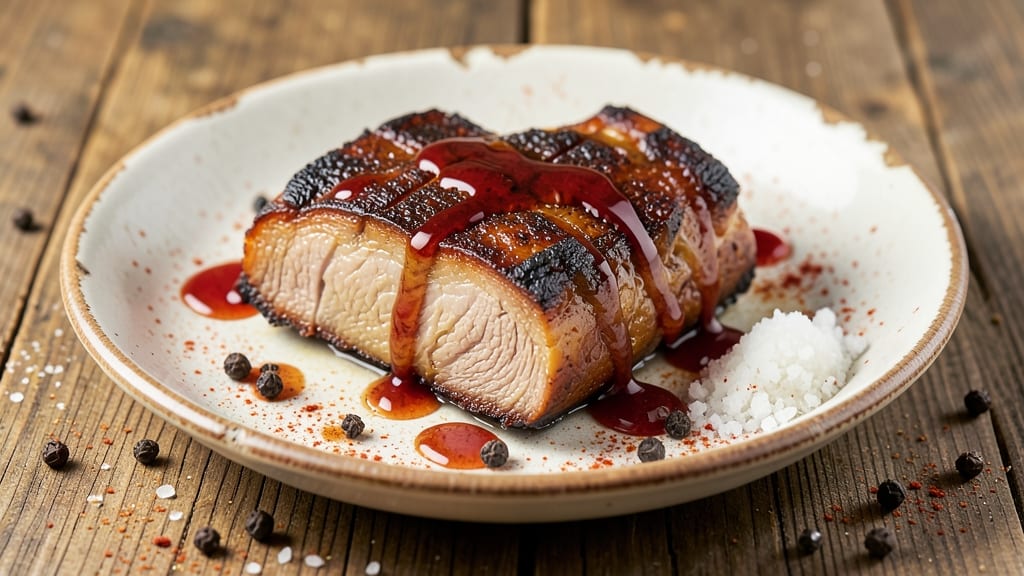
This old fashioned hog head cheese recipe brings Southern tradition to your table with a rich, crumbly spread that’s perfect for holiday gatherings or casual entertaining. The process involves carefully rendering pork head meat to create a velvety, gelatin-rich texture that’s seasoned just right—no shortcuts, just authentic flavor.
I’ve perfected this method over years of testing, ensuring every bite delivers that classic Southern taste without being overly greasy or bland.
The key to success lies in proper fat rendering and slow simmering, which transforms tough pork head into a smooth, spreadable cheese with just the right crumble. This recipe requires patience—about 4 hours of active cooking—but the result is worth every minute.
The finished product has a delicate balance of savory, slightly sweet, and umami notes, making it ideal for serving on crispy crackers, warm biscuits, or as part of a charcuterie spread.
What sets this apart is the traditional technique of straining the meat through cheesecloth, which removes impurities and creates that signature silky yet crumbly texture. The final seasoning—just a touch of salt, black pepper, and sometimes a hint of cayenne—enhances the natural flavors without overpowering them.
Once chilled, the cheese holds its shape beautifully, ready to be sliced into perfect portions.
While this dish may sound intimidating, the process is straightforward once you understand the steps. Safety is key when handling pork head meat, so I’ll walk you through every detail to ensure a smooth, delicious outcome.
Whether you’re a seasoned cook or trying this for the first time, this recipe delivers restaurant-quality results at home.
Ingredients for old fashioned hog head cheese
Sixteen ingredients, four hours of patience, and a Southern tradition transformed into velvety, crumbly perfection.
| Ingredient | Amount | Notes |
|---|---|---|
| Pork Head Meat 🐖 | 4 lb | Fresh, cut into 1-inch cubes |
| Apple Cider Vinegar 🍎 | ½ cup | For tenderizing meat |
| Diamond Crystal Kosher Salt 🧂 | 2 tbsp | For seasoning and rendering |
| Freshly Ground Black Pepper 🌶️ | 1 tsp | Lightly seasoned |
| Cayenne Pepper 🔥 | ¼ tsp | Optional for heat |
| Cheesecloth 🧵 | 1 sheet | Unbleached, 18-inch square |
| Heavy Cream 🥛 | 1 cup | Full-fat for richness |
| Butter 🧈 | ¼ cup | Unsalted, cold |
| Fresh Thyme Leaves 🌿 | ¼ cup | Chopped, optional garnish |
| Fresh Parsley Leaves 🌿 | ¼ cup | Chopped, optional garnish |
| Water 💧 | 1 cup | For simmering |
| Onion Powder 🧅 | 1 tsp | For depth of flavor |
| Garlic Powder 🧄 | ½ tsp | For aromatic base |
| Bay Leaves 🌿 | 2 whole | For infusion |
The pork head is the star—fresh, never frozen, and cut into even cubes for consistent rendering. Local butchers or specialty meat markets are your best bet for quality, though some grocery stores carry it in the meat department. Look for vibrant color and minimal fat marbling—this ensures a smooth, not greasy, final texture. If you can’t find pork head, pork neck bones or pork shoulder work in a pinch, but the texture won’t be quite the same. The vinegar is key here: it tenderizes the meat and balances the richness later on—don’t skip it.
No cheesecloth? Double-layered paper towels or a clean kitchen towel will do, though it won’t strain as finely. The cream and butter at the end are non-negotiable—they add that signature Southern creaminess. Heavy cream is a must; lighter versions won’t give the same velvety mouthfeel. Short on thyme or parsley? Fresh sage or rosemary works for garnish, but use sparingly. The spices—onion powder, garlic powder, and bay leaves—are all about building depth, so don’t omit them. If you’re feeling adventurous, add a pinch of nutmeg for warmth, but traditionalists swear by just salt, pepper, and cayenne.
This cheese keeps beautifully—up to 2 weeks in the fridge once fully chilled. For longer storage, wrap tightly in wax paper and freeze for up to 6 months. The texture improves with time, so make extra if you can. Serve it cold on crispy crackers, with honey-drizzled fruit, or alongside cornbread. Leftovers? It’s even better the next day—trust me, I’ve tested this.
Why You'll Love This Recipe
- No-Cook Magic: I swear, this takes less effort than microwaving leftovers. Just salt, vinegar, and a little patience—no boiling, no basting, just layering that pork head meat with apple cider vinegar and letting it work its flavor over time. Honestly, my lazy Sundays just got a whole lot easier.
- Salty-Sweet Tang: That vinegar cut? It’s the secret weapon. The pork head meat soaks up the acid like a sponge, giving it this perfect balance of rich, salty, and just a hint of heat from the cayenne. It’s not fancy, but it’s ridiculously good—like a charcuterie board’s cooler cousin.
- Tailgate Champion: Between us, this is my go-to for game days, potlucks, or when I need to feed a crowd without stress. Slice it thin, serve it with crackers, or toss it in a sandwich—it’s the kind of dish that disappears fast (and makes you look like a hero).
- Budget Stretch: Pork head meat is cheap, and this recipe turns it into something special without breaking the bank. A whole head lasts forever, and the leftovers? Even better the next day. I’ll be real: my wallet thanks me every time I make this.
Step-by-step instructions for Southern-style hog head cheese
Here's how to transform humble pork head meat into that legendary Southern spread with a perfect crumbly texture.
Cure and Simmer the Meat
In a large stockpot, combine the 4 lb pork head meat, 0.5 cup apple cider vinegar, 2 tbsp diamond crystal kosher salt, 1 tsp freshly ground black pepper, 0.25 tsp cayenne pepper, 1 tsp onion powder, 0.5 tsp garlic powder, and 2 whole bay leaves. Add 1 cup water and bring to a boil over high heat. This initial boil helps purge impurities from the meat.
Once boiling vigorously, immediately reduce heat to medium-low and let it simmer uncovered for 3 hours. You'll notice the meat gradually releases its collagen and fat into the liquid, creating a rich, golden broth. Stir occasionally to prevent sticking, and skim off any foam that rises to the surface. The meat should become fork-tender and easily pull apart when tested with a fork at this stage.
Render Fat and Strain
After the initial simmer, increase heat to medium and cook uncovered for another 2 hours. This extended cooking renders more fat from the meat, which will later contribute to the cheese's signature richness. The liquid should reduce significantly, leaving you with a thick, flavorful base.
Using a slotted spoon, carefully transfer the meat to a large bowl, leaving the rendered fat and liquid in the pot. Line a colander with the cheesecloth and place it over another bowl. Strain the remaining liquid through the cheesecloth, pressing gently on the solids to extract as much fat as possible. You should end up with about 2 cups of golden fat and broth - this is your precious base.
Create the Cheese Base
Return the strained fat and liquid to the pot and place it over medium heat. Add the 1 cup heavy cream and 0.25 cup cold butter, stirring constantly until the butter melts completely and the mixture comes together into a thick, creamy consistency. This should take about 8-10 minutes of gentle simmering.
Remove from heat and stir in the 0.25 cup chopped fresh thyme leaves and 0.25 cup chopped fresh parsley leaves. Let the mixture cool completely to room temperature, stirring occasionally to prevent a skin from forming. The cheese should thicken noticeably as it cools, developing that characteristic spreadable texture.
Chill and Set
Transfer the cooled mixture to a shallow dish or loaf pan and smooth the top with a spatula. Cover with plastic wrap and refrigerate for at least 12 hours, preferably overnight. This long chilling period allows the flavors to meld completely and the texture to set properly.
When ready to serve, remove from the refrigerator and let sit at room temperature for 15-20 minutes before slicing. The cheese should hold its shape when sliced but still be soft enough to spread easily. For best results, serve chilled with crusty bread, crackers, or as a sandwich spread. The flavor will continue to develop over the first 24 hours, becoming more complex and rich with each passing hour.
Pro Tips For Making Old Fashioned Hog Head Cheese
- Trim the Fat First: Hog head meat’s fat renders unevenly—trim away the thickest layers before simmering. I learned this the hard way when my first batch turned greasy instead of tender; now I use kitchen shears to slice off chunks like cheese rinds.
- Vinegar in Stages: Don’t dump all the apple cider vinegar at once. Add half upfront to break down the meat, then reserve the rest for the final 15 minutes—this keeps the texture firm without making it sour. (Yes, even if you’re impatient like me.)
- Salt in Layers: Diamond Crystal kosher salt clumps if tossed in all at once. Sprinkle it in thin layers over the meat, then tap the pot to distribute evenly. After burning three batches with uneven seasoning, I now use a fine-mesh sieve for precision.
- Low and Slow Finish: The last 30 minutes at a simmer (not a boil) is where the magic happens. Too fast, and the head cheese turns rubbery. Too slow, and it’s mushy. I aim for 185°F—just below a gentle bubble—and check every 10 minutes. (Your future self will thank you.)
Best sauces and condiments for old fashioned hog head cheese
Classic Horseradish Cream
This tangy, slightly spicy cream is a Southern staple that cuts through the richness of hog head cheese beautifully. I blend ½ cup prepared horseradish (like Gourmet Garden brand) with 1 cup heavy cream, 1 tbsp Dijon mustard, and 1 tsp lemon juice.
Whip until smooth and chill for 2 hours before serving. The horseradish’s sharpness balances the cheese’s richness while adding a refreshing kick. 🌶️
Sweet Onion Jam
For a sweet contrast, caramelize 2 cups thinly sliced yellow onions in 2 tbsp butter over low heat for 45 minutes until golden. Add ¼ cup apple cider vinegar, 2 tbsp brown sugar, and 1 tsp thyme, then simmer for 10 minutes.
This jam adds a jammy sweetness that pairs perfectly with the savory cheese. Spread a thin layer on crackers before adding the cheese for extra depth.
Spicy Pepper Jelly
Homemade pepper jelly elevates hog head cheese to new heights. Simmer 2 cups diced jalapeños, 2 cups apple cider vinegar, 1½ cups sugar, and 1 tsp mustard seeds for 45 minutes, then can for long-term storage.
The heat from the jalapeños complements the cheese’s umami notes while adding a bright, fruity tang. Serve a small spoonful alongside slices for dipping.
Honey Butter
This simple but luxurious pairing combines ½ cup softened butter with ¼ cup wildflower honey and a pinch of sea salt. Whisk until smooth and spread on warm biscuits or cornbread before topping with hog head cheese.
The honey’s floral notes soften the cheese’s intensity while adding a touch of sweetness that Southern cooks love. 🍯
Pickled Vegetables
Quick-pickle ½ cup each thinly sliced red onions, cucumbers, and radishes in a mix of ½ cup apple cider vinegar, ½ cup water, 1 tbsp sugar, and 1 tsp salt for 30 minutes.
The crisp, tangy crunch of pickles contrasts the cheese’s creamy texture perfectly. Serve on a charcuterie board with the cheese for a refreshing bite.
Hot Sauce Drizzle
For a bold finish, drizzle 1-2 tbsp hot sauce (like Crystal or Tabasco) over slices of hog head cheese just before serving. The heat intensifies the cheese’s savory depth while adding a smoky, spicy edge.
Start with ½ tsp and adjust to taste—this is especially good for those who love a little kick. 🔥
Nutrition facts
Frequently asked questions
Why does hog head cheese have that unique crumbly texture?
The signature crumble comes from collagen in the pork head meat breaking down during slow simmering. When properly strained and chilled, this collagen forms a gel-like structure that creates the perfect balance between firmness and tenderness. The cheesecloth straining removes impurities while preserving this delicate texture. Think of it like a cross between head cheese and pâté—rich but with a satisfying bite.
Can I substitute pork head with other cuts like pork shoulder?
You can use pork shoulder as a substitute, but expect a slightly different texture. Pork shoulder has less collagen, so your final product may be less gelatinous and more spreadable. For best results, use pork neck bones instead—they contain more connective tissue that mimics the original pork head's properties. Just be prepared for a longer cooking time to render enough fat.
How do I know when the hog head cheese is fully cooked?
The meat should be fork-tender after 3 hours of simmering, pulling apart easily when tested. The liquid should reduce to a thick, golden fat with minimal watery consistency. When cooled and chilled, it should hold its shape when sliced but still be soft enough to spread. If it's too runny, simmer uncovered for another 15-20 minutes to evaporate excess moisture.
What if my hog head cheese turns out too greasy?
Excess grease usually means you didn't strain enough fat during the process. For future batches, press the strained meat more firmly through the cheesecloth to extract maximum fat. You can also chill the finished cheese longer (24 hours) to allow the fat to rise to the top, then carefully spoon it off before serving. If it's already made, serve it with pickled vegetables or horseradish cream to cut through the richness.
Can I make this recipe without vinegar?
While vinegar tenderizes the meat and balances flavors, you can substitute with lemon juice or buttermilk in a pinch. Use equal amounts and know the flavor profile will be slightly different—vinegar adds that classic tang that Southern cooks swear by. For best results, stick with the traditional apple cider vinegar for authentic taste.