Desserts
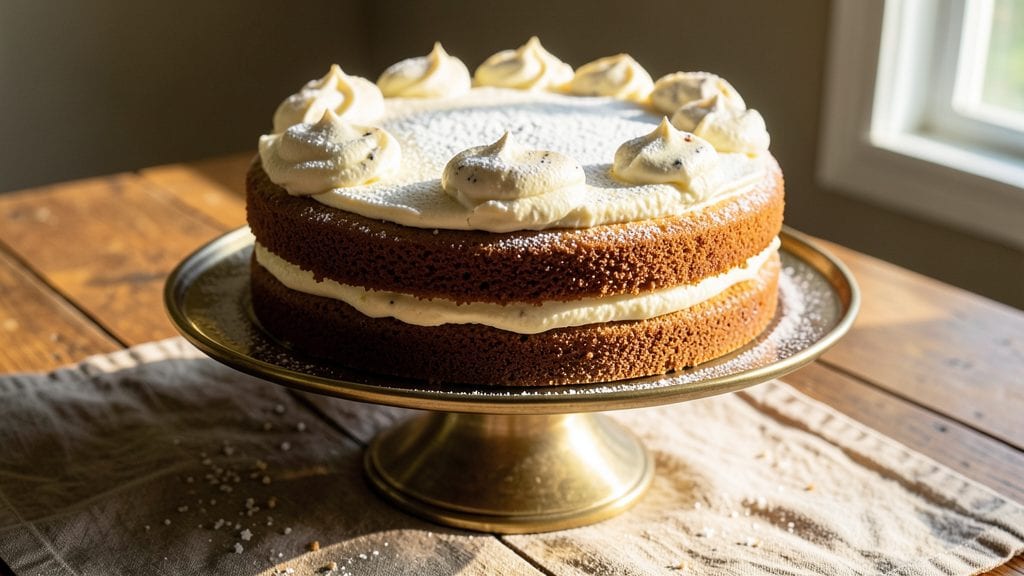
Paula Deen’s butter cake recipe delivers that iconic Southern richness—moist, tender layers infused with real vanilla bean and a buttery aroma that fills the kitchen before the first slice. ✨ The secret lies in creaming butter and sugar properly, creating air pockets that make every bite melt-in-your-mouth perfection.
I’ve baked this version dozens of times, and it never disappoints, whether served warm with tea or stacked with vanilla buttercream.
What sets this cake apart is Paula Deen’s signature technique: slow mixing to avoid overdeveloping the gluten, ensuring a fine crumb that stays moist for days. The vanilla bean adds depth beyond extract, and a touch of sour cream keeps the texture impossibly tender.
No fancy equipment needed—just a standard mixing bowl and a 350°F oven for foolproof results every time.
The moment you pull it from the oven, you’ll understand why this is a Southern classic—golden layers that hold their shape without being dry, with a subtle buttery sweetness that pairs perfectly with coffee or fresh berries.
The frosting, if you choose to add it, becomes part of the experience, sealing in that buttery goodness for a showstopping dessert.
Whether you’re baking for a family gathering or a quiet afternoon treat, this recipe delivers restaurant-quality cake with a homestyle touch. The best part? Leftovers taste even better the next day—proof that Southern baking is all about love, patience, and a little extra butter.
Let’s get started on creating your own slice of Southern tradition.
Ingredients for paula deen butter cake
Eight ingredients, Southern magic—this butter cake delivers melt-in-your-mouth layers with real vanilla depth.
| Ingredient | Amount | Notes |
|---|---|---|
| Unsalted Butter 🧈 | 1 cup | Cold, cubed for creaming |
| Granulated Sugar 🍚 | 2 cups | White or light brown |
| Large Eggs 🥚 | 4 whole | Room temperature preferred |
| All-Purpose Flour 🌾 | 2 ½ cups | Sifted, spooned lightly |
| Baking Powder 🍃 | 2 tbsp | Aluminum-free preferred |
| Salt 🧂 | ½ tsp | Diamond Crystal kosher |
| Vanilla Bean 🌿 | 1 whole | Scraped seeds only |
| Sour Cream 🥛 | ½ cup | Full-fat, room temperature |
| Milk 🥛 | ½ cup | Whole milk preferred |
| Vanilla Extract 🍯 | 1 tbsp | Pure Madagascar preferred |
| Vegetable Oil 🫒 | ½ cup | Light, neutral flavor |
The butter is non-negotiable—European-style unsalted butter like Plugrá or Land O’Lakes Cultured gives that signature richness. Grab it cold from the fridge and cube it before creaming—room temperature butter melts too fast. For the vanilla, Madagascar beans from Penzeys or your local spice shop make all the difference (no sad little bottles here!). The flour? King Arthur or Gold Medal—both sift beautifully. Pro tip: spoon it into the measuring cup instead of scooping to avoid compaction.
No vanilla bean? Double the vanilla extract—but trust me, the real thing transforms this cake. Short on sour cream? Plain Greek yogurt at the same amount works in a pinch (it’s tangier, though). The baking powder needs to be fresh—if it’s over a year old, test it first (mix 1 tsp with 1/4 cup hot water; should foam immediately). For the milk, whole milk keeps the crumb tender, but 2% works too. And if you’ve got buttermilk on hand, swap it for the milk and sour cream combo—just omit the extra vanilla.
This cake keeps beautifully—3 days at room temperature wrapped in parchment, or 1 week refrigerated in an airtight container. For leftovers, reheat slices at 300°F for 5 minutes to restore that buttery aroma. Freezes like a dream: wrap layers in plastic, then foil, for up to 3 months. I always bake an extra layer or two—perfect for quick breakfast toast with a smear of that same butter you used to bake it.
Why You'll Love This Recipe
- Butter So Soft: I swear by that creamy texture—creamed butter and sugar until it’s light as air, then folded in just enough flour to keep it tender. No dense crumb here, just melt-in-your-mouth goodness that makes every bite feel like a hug.
- Sugar Rush Guaranteed: That perfect balance of buttery richness and sweetness? It’s the secret weapon. Paula’s method of mixing sugar into the butter until it’s almost fluffy means the first forkful is pure joy—no dry aftertaste, just pure, happy flavor.
- Party in a Box: This cake is my go-to for birthdays, potlucks, or even a lazy Sunday. Bake it, slice it, and watch it disappear—it’s that good. Plus, the simple vanilla base means you can dress it up with frosting, fruit, or even a sprinkle of cinnamon for a crowd-pleaser.
Step-by-step instructions for Paula Deen's butter cake
This classic Southern cake delivers tender layers with a moist crumb and deep vanilla aroma—here's how to nail it.
👨🍳 Step 1: Cream Butter, Sugar, and Vanilla Bean
In a stand mixer fitted with the paddle attachment, beat the 1 cup unsalted butter (cold, cubed) and 2 cups granulated sugar on medium speed for 3-4 minutes until light and fluffy. You'll see the mixture nearly double in volume and turn pale.
Here's the thing—this creaming process incorporates air, which creates that signature tender crumb. Scrape down the sides of the bowl with a spatula to ensure even mixing. Now split the 1 whole vanilla bean lengthwise and scrape out the seeds. Add the seeds and 1 tablespoon vanilla extract to the butter mixture and mix for 30 seconds until fully combined.
👨🍳 Step 2: Add Eggs and Mix Until Ribbon Stage
Add the 4 whole large eggs (room temperature) one at a time, mixing on low speed for 30 seconds after each addition. This slow incorporation prevents breaking the eggs and keeps the batter smooth.
After the last egg, increase the speed to medium-high and beat for another 2-3 minutes until the mixture forms a thick ribbon when the paddle is lifted. You'll know it's ready when the batter leaves a clear trail that holds its shape for a few seconds. This ensures proper structure without being dense.
👨🍳 Step 3: Alternate Dry and Wet Ingredients
In a separate bowl, whisk together the 2.5 cups all-purpose flour (sifted), 2 tablespoons baking powder, and 0.5 teaspoon salt. With the mixer on low speed, gradually add the dry ingredients to the wet mixture in 3 additions, mixing just until combined after each addition.
After the dry ingredients are incorporated, add the 0.5 cup sour cream and 0.5 cup milk alternately with the 0.5 cup vegetable oil. Mix on low speed just until the batter is smooth and no flour streaks remain. Overmixing develops gluten, which can make the cake tough—stop as soon as everything comes together.
🥘 Step 4: Divide and Bake in Layers
Preheat your oven to 350°F and grease two 9-inch round cake pans (or line with parchment circles). Divide the batter evenly between the pans, spreading it out to fill the corners. Tap the pans gently on the counter to remove any air bubbles.
Bake for 25-30 minutes or until a toothpick inserted in the center comes out clean. The edges should be golden brown, but the top might still look slightly underdone—don't overbake. Rotate the pans halfway through for even baking. Let the cakes cool in the pans for 10 minutes before transferring to a wire rack to cool completely.
🍽️ Step 5: Assemble and Frost (Optional)
Once completely cooled, place one cake layer on a serving plate. Spread a thin layer of your favorite buttercream or whipped cream between layers if desired. Place the second layer on top and frost the entire cake if you like. For a classic Southern touch, dust with powdered sugar or serve plain to let the cake's natural vanilla flavor shine.
This cake keeps well for 3 days at room temperature or can be frozen for up to 3 months. The secret to its moist texture lies in the sour cream and proper creaming—don't rush these steps!
Pro Tips For Making Paula Deen Butter Cake
- Cream Butter Properly: Paula Deen’s cake relies on that rich, fluffy texture, and you get it by beating the butter and sugar until it’s light, not just pale. Use a stand mixer—no hand mixers here—and scrape the bowl every 30 seconds to keep the butter from overheating. I learned this the hard way when my first batch turned out dense because I rushed.
- Measure Flour Right: Spooning flour into cups and packing it down? Stop. Use the "dip-and-sweep" method: spoon flour into the measuring cup, then level it off with a knife. Too much flour makes the cake dry, and this recipe isn’t forgiving. I was skeptical until I tried it—now my cakes stay moist for days.
- Don’t Overmix the Batter: Once you fold in the flour, stop as soon as it’s just combined. Overmixing develops the gluten, and that’s how you end up with a tough, chewy cake instead of the tender crumb you want. Drop the batter in by the spoonful—no need to stir it to death.
- Bake Until Golden: The cake’s done when the top springs back slowly and has a golden hue, not when it’s still pale. If yours comes out underdone, tent it with foil and finish baking—just watch it like a hawk. I used to pull mine too soon, and the center stayed gummy. Now I wait, even if it means an extra 5 minutes.
Troubleshooting perfect results
Dense or Gummy Texture
If your cake turns out dense or gummy, overmixing is usually the culprit. I’ve found that mixing the dry ingredients into the wet just until combined—no longer—prevents gluten development. Also, ensure your butter is cold but not frozen when creaming.
If the batter looks too thick, add 1 tablespoon milk at a time until smooth. For a gummy texture, check your baking powder—old baking powder loses potency and can cause this issue. 💡
Cracked Top or Sinking Layers
Cracked tops or sinking layers often happen when the oven temperature fluctuates. Preheat your oven for at least 20 minutes before baking, and use an oven thermometer to confirm it’s at 350°F. Avoid opening the oven door during the first 20 minutes of baking.
If your cake sinks, it might be due to overbaking—pull it out when a toothpick comes out with a few moist crumbs, not wet batter. Let it cool in the pan for the full 10 minutes before removing.
Dry or Crumbly Cake
A dry or crumbly cake usually means the butter wasn’t creamed properly or the cake was overbaked. To fix this, cream the butter and sugar for the full 3-4 minutes until light and fluffy. Also, don’t overbake—remove the cake when the center is set but still slightly springy.
If you’ve already baked it, try reviving dry cake by brushing layers with simple syrup (equal parts sugar and water, heated) before frosting. For future batches, ensure your sour cream is full-fat and room temperature.
Uneven Baking
Uneven baking can be fixed by rotating your pans halfway through the baking time. Place them on the middle rack for even heat distribution. If one side browns faster, try swapping the pans’ positions.
Also, ensure your cake pans are the same size and material—I recommend heavy aluminum or stainless steel pans for even heat conduction. If your oven has hot spots, consider using an oven thermometer to monitor temperature variations. 🌡️
Batter Too Thin or Too Thick
If your batter is too thin, it might need more flour. Gradually add 1 tablespoon at a time until it reaches the right consistency. For a thick batter, add 1 tablespoon milk or sour cream at a time. The ideal batter should be smooth and pourable but not runny.
If you’re unsure, remember: a slightly thicker batter is better than a thin one, as it helps create structure. Always mix just until combined to avoid overdeveloping the gluten.
Vanilla Flavor Missing
If your cake lacks vanilla flavor, the issue is likely with the vanilla bean or extract. Always use a whole vanilla bean (scraped) along with 1 tablespoon vanilla extract for maximum depth. If you’re using extract alone, opt for pure Madagascar vanilla extract like McCormick Pure or Nielsen-Massey.
For extra richness, infuse the milk with the vanilla bean while heating it slightly before adding to the batter. Let the bean steep in the warm milk for 10 minutes before straining and using. 🌿
Nutrition facts
Frequently asked questions
Can I substitute sour cream in Paula Deen's butter cake?
Yes, you can! Use ½ cup plain Greek yogurt as a 1:1 substitute, though it adds a slightly tangier flavor. For a closer match, try ½ cup buttermilk (omit the extra milk in the recipe). The key is maintaining that ½ cup total of dairy to keep the cake moist.
How do I store leftover butter cake?
Wrap layers tightly in plastic wrap or aluminum foil and store at room temperature for up to 3 days. For longer storage, refrigerate in an airtight container for 1 week or freeze for 3 months. Thaw overnight in the fridge before serving. The cake actually tastes better the next day!
What's the best frosting for this cake?
Paula Deen's classic choice is vanilla buttercream, but a simple powdered sugar glaze (2 cups powdered sugar + 2 tbsp milk + 1 tsp vanilla extract) enhances the cake's natural flavor. For a Southern twist, try whipped cream with a dusting of powdered sugar.
Why does my cake have a dense texture?
Overmixing or old baking powder are common culprits. Mix dry ingredients just until combined (no longer) and ensure your butter is cold but not frozen when creaming. Check your baking powder's freshness by testing with hot water—it should foam immediately.
Can I bake this cake in a different pan size?
Yes, but adjust baking time accordingly. For 8-inch pans, bake 20-25 minutes and for 10-inch pans, bake 30-35 minutes. The key is baking until a toothpick comes out clean. Tap pans gently on the counter before baking to remove air bubbles for even layers.