Main Courses
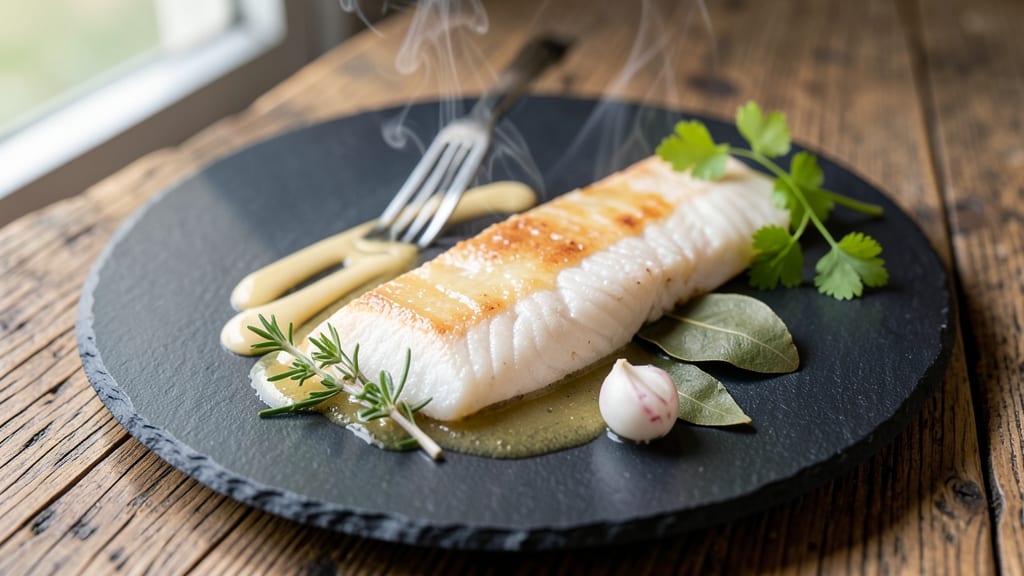
Mastering a poached white fish recipe transforms simple weeknight dinners into elegant, restaurant-worthy meals with minimal effort. The secret lies in gentle heat and precise timing—creating tender, flaky fillets that melt in your mouth while absorbing bright herb-infused flavors.
I developed this method after years of perfecting the balance between delicate texture and bold seasoning, ensuring even home cooks achieve professional results every time.
This technique uses just four ingredients—white fish fillets, aromatics, white wine, and herbs—but delivers complex, layered flavors without overpowering the natural sweetness of the fish. The key is maintaining a simmer, not a boil, which prevents the fish from curling or drying out.
With 15 minutes of hands-off cooking time, you’ll end up with silky, opulent fillets that showcase the fish’s natural beauty while holding their shape perfectly.
What makes this recipe truly special is its versatility. Serve the fish over a bed of sautéed spinach, drizzled with a lemon-beurre blanc sauce, or pair it with roasted asparagus for a complete, balanced meal.
The bright herb infusion—typically a mix of thyme, parsley, and bay leaf—adds freshness that cuts through the richness, making this dish equally impressive for dinner parties or simple family dinners.
The beauty of poaching is its forgiving nature—even slight mistakes yield delicious results. Whether you’re cooking cod, halibut, or tilapia, this method ensures a foolproof, tender outcome.
The fish’s natural flavors shine through while the aromatics infuse just enough to elevate without overwhelming. Ready to elevate your seafood game? Let’s get started.
Ingredients for poached white fish
Four core ingredients elevate simple fish into restaurant-quality perfection with minimal effort.
| Ingredient | Amount | Notes |
|---|---|---|
| White Fish Fillets 🐟 | 4 whole | Cod, halibut or tilapia preferred |
| Dry White Wine 🍷 | 1 cup | Sauvignon Blanc or Pinot Grigio |
| Fresh Thyme Sprigs 🌿 | 4 whole | Stems intact for easy removal |
| Fresh Parsley Sprigs 🌿 | 4 whole | Curly parsley preferred |
| Bay Leaves 🍃 | 2 whole | Fresh or high-quality dried |
| Garlic Cloves 🧄 | 3 cloves | Smashed lightly for infusion |
| Extra-Virgin Olive Oil 🫒 | 2 tbsp | Light fruity variety preferred |
| Diamond Crystal Kosher Salt 🧂 | ¾ tsp | For seasoning fish only |
| Fresh Lemon Zest 🍋 | 1 tsp | From organic lemon preferred |
| Unsalted Butter 🧈 | 2 tbsp | Cold, for finishing |
| Fresh Lemon Juice 🍋 | 1 tbsp | From organic lemon preferred |
The fish selection is critical—cod delivers the most delicate texture, while halibut offers slightly more substance. Purchase fillets from your local seafood counter or trusted fishmonger, ensuring they're freshly cut and vibrant in color. If using frozen fish, thaw overnight in the refrigerator—never at room temperature. For the wine component, Sauvignon Blanc provides bright acidity that complements the herbs beautifully, while Pinot Grigio offers a more neutral profile. The aromatics—fresh thyme, parsley, and bay leaves—should be bright green and fragrant, indicating peak freshness. Source these from a reputable grocery store like Whole Foods or a local farmers market for optimal quality.
No white wine on hand? Dry vermouth or even fish stock can substitute, though the flavor profile will differ slightly. Fresh herbs unavailable? Dried thyme and parsley work at one-third the amount, but the texture won't be as refined. For the garlic, roasted garlic adds a subtle sweetness that pairs beautifully with the poaching liquid. The olive oil should be light and fruity—avoid heavy, peppery varieties that can overpower the delicate fish. When zesting the lemon, use a microplane for fine, even strips that dissolve beautifully into the poaching liquid. The butter should be cold and unsalted to prevent over-salting the finished dish.
Store fresh fish in the coldest part of your refrigerator, using within 2 days for optimal texture. The poaching liquid can be refrigerated for up to 3 days in an airtight container, though the herbs will lose potency after 24 hours. For best results, prepare the fish just before cooking—never rinse the fillets, as this removes natural oils that contribute to moisture during poaching. The finished dish reheats beautifully—gentle warming in a skillet with a splash of wine restores its silky texture. Portion into glass containers for elegant leftovers that maintain their presentation.
Why You'll Love This Recipe
- No Wine Waste: Honestly, I always keep a cheap bottle of white wine on hand just for this—every drop gets used, no sad leftover dregs. The acidity in that wine tenderizes the fish while keeping it light, and the thyme and parsley? They soak up the flavor like a sponge.
- Weeknight Magic: Twenty minutes, one pot, zero fuss. I throw in the fish fillets, splash in the wine, tuck in the herbs, and let it simmer. No basting, no flipping, no stress—just melt-in-your-mouth texture when it’s done.
- Lunchbox Hero: Between us, this is my go-to for meal prep. Poach a big batch on Sunday, flake it into salads, or pack it with crusty bread and lemon for lunches that actually make you look forward to Tuesday. (Yes, even on a Tuesday night.)
- Budget Win: White fish is affordable, and this method makes it feel fancy without breaking the bank. A single fillet stretches into two servings if you’re clever, and the herbs add brightness without costing a fortune. My daughter picks out the parsley stems, but she still asks for seconds.
Step-by-step instructions for poached white fish with herb infusion
A delicate balance of heat and aromatics transforms simple white fish into restaurant-worthy perfection.
Prepare the Poaching Liquids and Aromatics
In a medium saucepan, combine the 1 cup dry white wine, 4 whole fresh thyme sprigs, 4 whole fresh parsley sprigs, 2 whole bay leaves, and 3 cloves smashed garlic. Bring to a gentle simmer over medium heat until the liquid reaches 160°F—just below a full boil. This temperature ensures the fish cooks gently without curdling.
Watch for small bubbles breaking the surface but no vigorous boiling. The aromatics should infuse the liquid for 5 minutes, filling your kitchen with bright herbal notes. Remove from heat and let the mixture steep for another 2 minutes to deepen the flavors before adding the fish.
Season and Poach the Fish Fillets
Pat the 4 whole white fish fillets dry with paper towels to remove any surface moisture. Sprinkle evenly with 0.75 teaspoon diamond crystal kosher salt and 1 teaspoon fresh lemon zest, pressing gently to adhere. Place the fillets skin-side down in the poaching liquid.
Return the pan to low heat and maintain the temperature at 160°F—just enough to keep the liquid shimmering. Poach for 8-10 minutes until the fish becomes opaque and flakes easily with a fork. The edges should lift cleanly from the pan, indicating perfect doneness. Avoid overcooking; white fish continues to cook slightly after removal.
Finish with Butter and Lemon
Remove the fish from the poaching liquid and transfer to a serving platter. Discard the thyme and parsley sprigs, but keep the bay leaves and garlic for garnish if desired. Return the poaching liquid to medium heat and reduce by half to intensify the flavor. Strain if you prefer a smoother sauce.
Add the 2 tablespoons cold unsalted butter and 1 tablespoon fresh lemon juice, whisking until the butter melts completely. Pour this fragrant sauce over the fish, allowing it to coat evenly. The butter adds richness while the lemon brightens the dish, balancing the herbal notes.
Serve Immediately with Herb Garnish
Garnish each fillet with a sprig of fresh parsley and a bay leaf for presentation. Serve the fish immediately while the sauce is still warm and the fish remains tender. The silky texture should yield effortlessly to a fork, with a delicate interplay of wine-infused herbs and citrus brightness.
Pair with steamed asparagus or a simple green salad to complement the dish's refined yet approachable character. The poaching method preserves moisture, ensuring every bite is as elegant as it is effortless.
Pro Tips For Making Poached White Fish
- Start with Cold Liquid: I used to dump the wine and herbs into the pot first, then add the fish—big mistake. The liquid needs to be cold when the fish goes in, or it’ll cook unevenly and turn rubbery at the edges. Fill the pot with water first, then add the wine and herbs, and let it chill in the fridge for 10 minutes before adding the fish.
- Trim the Fat, Not the Skin: If your fish has skin, leave it on—it protects the fillet and adds texture. But scrape off any visible fat or silverskin with a knife first. I learned this the hard way when a fatty piece of trout made the poaching liquid cloudy and the fish greasy.
- Simmer, Don’t Boil: The liquid should barely bubble—tiny ripples, not violent rolling. If it boils, the fish will break apart. Use a thermometer if you’re unsure: aim for 160°F (71°C). I once let mine boil for 2 minutes, and the fillets turned to mush.
- Finish with Butter: Skip the wine’s acidity at the end—add a pat of cold butter (2 tbsp) off the heat for 30 seconds. It coats the fish, mellows the flavors, and makes the dish look restaurant-worthy. (Yes, even if you’re impatient like me.)
Creative variations of this poached white fish
Citrus-Inspired Twist
Brighten the dish by swapping white wine for ½ cup orange juice and ½ cup dry vermouth. Add 1 strip orange zest and ½ teaspoon ground turmeric to the poaching liquid for a golden hue and subtle warmth.
Garnish with a microplaned orange twist instead of lemon. This variation works beautifully with halibut and pairs perfectly with sautéed fennel. 🍊
Mediterranean Herb Blend
Infuse the poaching liquid with 1 sprig rosemary, 1 sprig oregano, and ½ teaspoon fennel seeds instead of thyme and parsley. Use olive oil> as the base liquid (replace wine) for a more rustic flavor.
Top with crumbled feta and toasted pine nuts for a Greek-inspired finish. This variation shines with cod and complements roasted eggplant sides.
Spicy Asian Fusion
Replace the white wine with 1 cup coconut milk and add 1-inch ginger slice, 1 clove garlic, and ½ teaspoon red pepper flakes to the poaching liquid.
Finish with a drizzle of sweet chili sauce and sesame seeds. This bold variation works best with tilapia and pairs wonderfully with stir-fried bok choy. 🌶️
Smoked Paprika Version
For a smoky depth, add ½ teaspoon smoked paprika and ½ teaspoon ground cumin to the poaching liquid along with the herbs. Use chicken stock> instead of wine for a richer base.
Garnish with chopped cilantro and serve with charred corn and avocado slices. This variation transforms the dish into a Southwestern-inspired meal.
Lemon-Garlic Butter Sauce
After poaching, make a quick sauce by melting 2 tablespoons butter> with 1 tablespoon lemon juice, 1 minced garlic clove, and ½ teaspoon Dijon mustard. Whisk in 2 tablespoons crème fraîche for a silky finish.
This sauce elevates the dish without overpowering the delicate fish. Serve with roasted Brussels sprouts for a balanced meal. 💛
Vegetable-Inspired Poaching
Infuse the poaching liquid with ½ cup vegetable broth> and add 1 sprig tarragon, 1 sprig chervil, and 2 thin lemon slices. This lighter variation works well with sole and pairs beautifully with sautéed zucchini or asparagus spears.
The subtle herbal notes create a refined, elegant dish perfect for spring menus.
Nutrition facts
Frequently asked questions
What’s the best type of white fish for poaching?
Delicate, mild-flavored fish work best—cod and halibut are top choices for their silky texture. Tilapia or sole also poach beautifully, but avoid firm fish like mahi-mahi, which can dry out. The key is selecting fillets that are fresh, skinless, and uniform in thickness for even cooking.
Can I poach fish without wine?
Replace the wine with dry vermouth, fish stock, or even broth (vegetable or chicken). For a lighter option, use water with lemon slices and herbs. The wine adds depth, but the technique works with any clear, flavorful liquid. Just ensure it simmers gently to avoid clouding.
Why did my poached fish turn rubbery?
Overcooking is the most common cause—white fish cooks in 2-3 minutes per ½-inch thickness. Always use a thermometer to maintain 160°F (60°C) and remove the fish when it’s just opaque. Another culprit? Boiling the liquid, which toughens the texture. Keep heat low and steady for tender results.
How do I store leftover poached fish?
Store in an airtight container with a splash of the poaching liquid to keep it moist. Refrigerate for up to 2 days or freeze for 1 month. To reheat, gently warm in a skillet with a little butter or broth—never microwave, as it dries out the fish.
What sides pair best with poached white fish?
Light, bright sides complement the dish perfectly. Try sautéed spinach with garlic, roasted asparagus, or a lemon-dill couscous. For contrast, add a crisp green salad with a tangy vinaigrette. The goal is to balance richness without overpowering the delicate fish.