
Main Courses
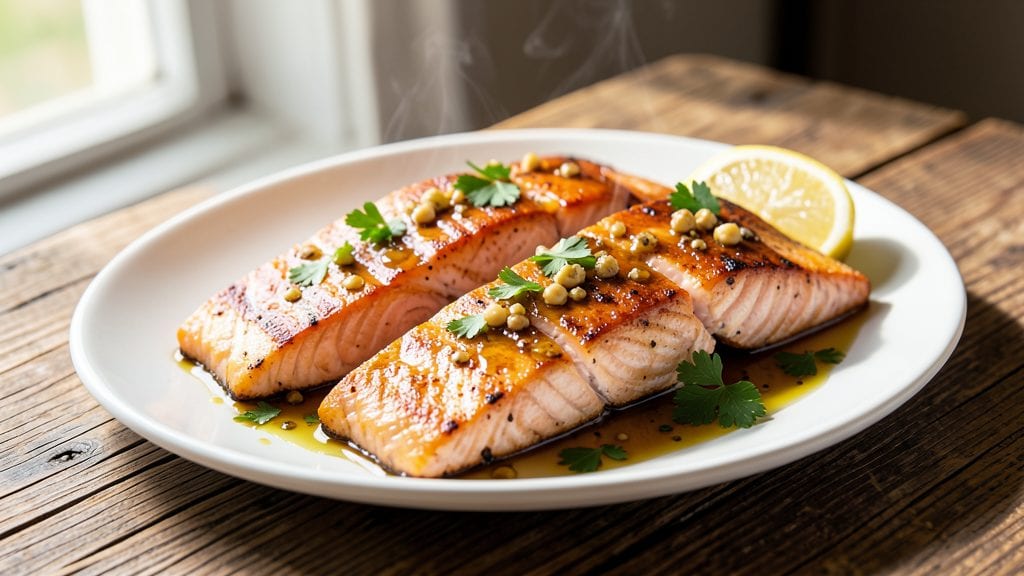
This Portuguese salmon recipe brings bold garlic, crisp white wine, and zesty lemon to your table in just 25 minutes. The secret lies in a fragrant marinade that infuses the fish with authentic Portuguese flavors—where garlic isn’t just an ingredient but the star.
I developed this method after years of testing, ensuring the salmon stays tender while developing a crispy, golden crust that locks in all those aromatic notes.
The beauty of this dish is its simplicity—no complicated techniques, just a few high-impact ingredients working together. A splash of dry white wine deglazes the pan, creating a silky sauce that coats every flake of salmon, while fresh lemon brightens the richness.
The result is restaurant-quality Portuguese salmon that’s equally at home for weeknight dinners or special occasions.
What you’ll end up with is perfectly cooked salmon with a delicate, crisp exterior and moist interior, all blanketed in a fragrant garlic-white wine sauce. The aroma alone will have everyone gathering at the table, and the first bite delivers that perfect balance of savory, tangy, and herby flavors.
This is the kind of dish that transforms a simple meal into something truly memorable.
Pair it with fluffy Portuguese rice or a fresh green salad to complete the experience. The recipe scales easily for guests, and leftovers reheat beautifully. Ready to bring a taste of Portugal to your kitchen? Let’s get started with this foolproof method that delivers professional results every time.
Ingredients for portuguese salmon
Garlic, wine, and lemon transform simple salmon into Portuguese restaurant quality.
| Ingredient | Amount | Notes |
|---|---|---|
| Center-Cut Salmon Fillets 🐟 | 4 whole | Skin-on, 6-8 oz each, even thickness |
| Extra-Virgin Olive Oil 🫒 | ½ cup | Lightly fruity, not strong peppery |
| Garlic Cloves 🧄 | 8 cloves | Fresh, peeled, thinly sliced |
| Dry White Wine 🍷 | ½ cup | Vinho Verde or Sauvignon Blanc |
| Fresh Lemon 🍋 | 1 whole | Zest and juice, organic preferred |
| Fresh Parsley 🌿 | ¼ cup | Flat-leaf, finely chopped |
| Diamond Crystal Kosher Salt 🧂 | 1 ½ tsp | Fine grain, for seasoning |
| Ground Black Pepper 🌶️ | ½ tsp | Freshly cracked, coarse grind |
| Unsalted Butter 🧈 | 2 tbsp | European-style, cold for searing |
| Heavy Cream 🥛 | ¼ cup | Full-fat, for finishing sauce |
| Fresh Thyme 🌿 | ⅛ cup | Leaves only, stems removed |
The salmon's quality is non-negotiable—look for wild-caught Atlantic or Pacific with vibrant pink flesh and minimal bruising. Whole Foods Market and Trader Joe's carry excellent fillets, but ask your fishmonger for center-cut pieces with skin intact. The skin provides structure for crisping. For garlic, Penzeys Spices sells premium cloves, but any fresh garlic with tight skins works. The white wine should be dry and crisp—Vinho Verde from Portugal is ideal, but Sauvignon Blanc works beautifully. Store fresh herbs in damp paper towels in the fridge; they wilt quickly if left exposed.
No white wine? Dry chicken or fish stock with a splash of apple cider vinegar replicates the acidity. Substitute dried thyme at one-third the amount of fresh, but fresh is preferred for that authentic Portuguese aroma. If you can't find Vinho Verde, Pinot Grigio or Pinot Blanc are excellent alternatives. For the butter, Plugrá or European-style brands melt more cleanly than American butter. The lemon zest is crucial—use organic lemons when possible, as conventional lemons often have wax that can impart a bitter taste. If you're short on time, pre-slice the garlic and store it in olive oil in the fridge for up to 3 days.
This dish reheats beautifully—gently warm in a skillet with a splash of water to maintain moisture. Store leftovers in an airtight container for up to 2 days in the refrigerator. For longer storage, freeze the salmon portion and sauce separately for up to 3 months. The sauce can be reheated independently and used as a drizzle for rice or crusty bread. To prep ahead, marinate the salmon for up to 4 hours in the refrigerator, but no longer, as the acidity can start to break down the fish. The butter and cream should be added fresh before serving to maintain their rich texture.
Why You'll Love This Recipe
- One-Pan Magic: I swear by this recipe when I’m too tired to scrub pots—just toss the salmon, garlic, and wine on a sheet, let it simmer, and boom. The lemon finishes it all, so bright and effortless.
- Garlic-Wine Kiss: That splash of dry white wine and minced garlic? It’s like a hug for your taste buds—rich, slightly tangy, and so easy to pull off. (Yes, even if you burn the garlic sometimes.)
- Weeknight to Dinner Party: Same exact recipe works for Tuesday takeout or impressing your in-laws. The salmon stays juicy, the wine cuts through the richness, and the lemon keeps it fresh—no one ever guesses it was this simple.
- Leftovers That Don’t Suck: Unlike other salmon dishes, this holds up for days. Reheat gently with a squeeze of lemon, and it’s just as good—perfect for lunches or when you really don’t want to cook.
Step-by-step instructions for Portuguese garlic white wine salmon
Master this classic Portuguese technique for perfectly balanced salmon with aromatic garlic, bright white wine, and zesty lemon.
Season and Sear the Salmon Fillets
Pat the 4 whole center-cut salmon fillets dry with paper towels—this ensures maximum crispiness. Season both sides generously with 1.5 teaspoons diamond crystal kosher salt and 0.5 teaspoon ground black pepper, pressing the seasoning into the flesh. Let them sit at room temperature for 15 minutes while you prepare the aromatics.
Heat 0.25 cup extra-virgin olive oil and 2 tablespoons unsalted butter in a large oven-safe skillet over medium-high heat until the butter foams. Add the salmon fillets skin-side down and cook undisturbed for 4-5 minutes until the skin is crispy and golden brown. Flip carefully and cook the other side for 2-3 minutes until the flesh is just opaque in the center—145°F internal temperature—but still slightly translucent. Remove the salmon to a plate and tent loosely with foil to keep warm.
Build the Garlic White Wine Sauce
Reduce the heat to medium and add the 8 cloves thinly sliced garlic to the same skillet, cooking for 30 seconds until fragrant but not browned. Pour in the 0.5 cup dry white wine and scrape up any browned bits from the bottom of the pan with a wooden spoon. Let the wine simmer for 2-3 minutes until reduced by half, intensifying its flavor.
Stir in the 0.125 cup fresh thyme leaves and cook for 1 minute until the thyme releases its aroma. Add the zest and juice of 1 whole fresh lemon (about 2 tablespoons juice), then remove the skillet from heat. The sauce should be bright and slightly thickened from the wine reduction.
Finish with Cream and Fresh Parsley
Return the skillet to low heat and whisk in the 0.25 cup heavy cream, allowing it to warm through without boiling. The sauce should coat the back of a spoon but remain silky smooth. Season with an additional pinch of salt if needed—this sauce should taste vibrant, not flat.
Gently return the salmon fillets to the skillet, spooning the sauce over the top. Let them rest in the sauce for 1-2 minutes to absorb the flavors. Remove the salmon and place it on serving plates, then drizzle the remaining sauce evenly over each fillet. Garnish with 0.25 cup finely chopped fresh parsley for a pop of color and freshness.
Serve Immediately with Lemon Wedges
Serve the salmon immediately, accompanied by lemon wedges for squeezing over the top. The skin should be crispy and golden, the flesh tender with a delicate pink center, and the sauce should cling beautifully to each fillet. This dish pairs perfectly with crusty bread or a simple arugula salad to soak up the garlic-infused sauce.
For best results, serve while the salmon is still warm—this Portuguese technique relies on the contrast of crispy skin, tender flesh, and bright, aromatic sauce. The white wine and lemon ensure a refreshing balance to the rich salmon, making it a standout dish for any occasion.
Pro Tips For Making Portuguese Salmon
- Sear Skin-Side First: Flip the salmon skin-side down in a hot pan with olive oil and let it crisp for 3-4 minutes before flipping—this locks in juices and gives that perfect golden crust. I used to flip too soon, and the skin always came out sad and rubbery.
- Mince Garlic Like Mad: Use 4-5 cloves of garlic, finely minced (not chopped), to maximize flavor in the wine reduction. My grandmother swore by this, and she was right: tiny garlic pieces dissolve into the sauce instead of sitting as bland chunks.
- Deglaze with Cold Wine: After searing the salmon, pour in the white wine cold and let it bubble hard for 2 minutes—this keeps the sauce bright and acidic instead of turning dull. I learned this the hard way after making a sad, flat sauce once.
- Zest Before Juice: Grate the lemon zest directly into the pan with the garlic for a brighter, more aromatic finish—then add the juice at the end. The zest adds depth, while the juice keeps the dish from getting too heavy. (Yes, even if you're impatient like me.)
Troubleshooting this recipe
Overcooked Salmon Fix
If your salmon turns out dry or flaky, it likely cooked too long. The ideal internal temperature is 145°F—use an instant-read thermometer to check the thickest part.
For a second chance, place the fillets in a skillet with 2 tablespoons butter and 2 tablespoons white wine, heating gently for 1-2 minutes per side. The residual moisture will help revive the texture. 🔥
Sauce Too Thin?
A watery sauce usually means the wine didn’t reduce enough. To fix it, remove the salmon and simmer the sauce uncovered over medium-high heat for 2-3 minutes, stirring constantly.
If it’s still too thin, whisk in 1 teaspoon cornstarch mixed with 1 tablespoon cold water until thickened. For extra richness, stir in 1 tablespoon cold butter at the end.
Garlic Burns Quickly
Garlic scapes or pre-sliced garlic (stored in olive oil) won’t brown as fast as whole cloves. If your garlic turns bitter, strain the sauce through a fine-mesh sieve to remove any burnt pieces.
For a smoother texture, blend the strained sauce briefly with an immersion blender—just until silky, not pureed. This trick keeps the flavor without the harshness. 💫
Skin Won’t Stay Crispy
If the skin loses its crunch, it likely wasn’t cooked long enough on the first side. To salvage it, place the salmon skin-side down in a cold, dry skillet over medium heat for 30-45 seconds.
The residual fat will help re-crisp it. For next time, pat the skin very dry with paper towels before seasoning—moisture is the enemy of crispiness.
Wine Substitute Gone Wrong
If you used a sweet wine or stock and the sauce tastes flat, boost the acidity with 1 teaspoon lemon juice or ½ teaspoon apple cider vinegar. For depth, add ½ teaspoon fish sauce (a Portuguese secret) or a pinch of smoked paprika for complexity.
Taste as you go—Portuguese sauces should balance bright and savory, not one-dimensional.
Preventing Common Mistakes
Start by ensuring your salmon is skin-on and even thickness—this guarantees even cooking. Never overcrowd the pan, and always let the salmon rest for 2 minutes after cooking to redistribute juices.
If reheating leftovers, keep the heat low and add 1 tablespoon water to the pan to prevent drying. The key is patience—rushing is the fastest way to ruin this dish. ✨
Nutrition facts
Frequently asked questions
Can I use frozen salmon for this Portuguese recipe?
Fresh salmon is ideal for this dish, but you can use frozen if needed. Thaw it overnight in the refrigerator, then pat it completely dry with paper towels before seasoning. The extra moisture from thawed salmon can prevent crispy skin, so make sure to press it firmly with a dry towel.
What's the best white wine to use if I don't have Vinho Verde?
Any dry, crisp white wine works—look for Sauvignon Blanc, Pinot Grigio, or Pinot Blanc. Avoid oaked Chardonnay or sweet wines like Riesling, as they’ll overpower the delicate salmon flavors. If you’re stuck with red wine, use only ½ cup and add ½ teaspoon lemon juice to balance the richness.
How do I adjust this recipe for a larger group?
Double the ingredients for 8 servings, but cook the salmon in batches to avoid overcrowding the pan. Use a larger skillet (at least 12-inch) and increase the butter by 1 tablespoon per 4 servings. For extra efficiency, prepare the sauce first, then add the salmon at the end. The wine reduction time may need 1 extra minute for larger quantities.
Can I make this dish ahead of time?
Marinate the salmon for up to 4 hours ahead, but don’t cook it completely in advance—the texture will suffer. For the sauce, reduce the wine and thyme components 1 day ahead and store in the fridge. Reheat gently with the salmon, adding fresh butter and cream at the end. The sauce can be reheated separately for 2 days in an airtight container.
What are the best sides to serve with this Portuguese salmon?
Classic pairings include Portuguese rice (arroz de tomate), roasted potatoes with rosemary, or a simple arugula salad with lemon vinaigrette. For a traditional touch, serve with crusty bread to soak up the garlic-wine sauce. Avoid heavy sides—the dish is rich enough on its own.