
Sauces & Condiments
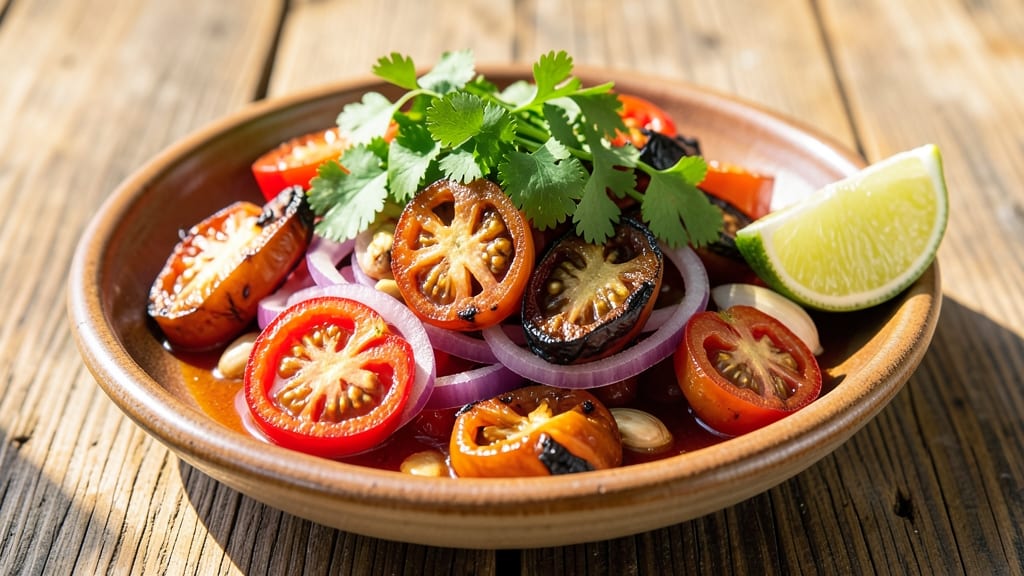
This Puerto Rican salsa recipe delivers the bright, herbaceous zing that defines island cuisine—where fresh cilantro, zesty lime, and smoky sofrito create a perfect balance of heat and acidity. The secret lies in blending roasted garlic and tomatoes with traditional ají dulce, a sweet chili that adds depth without overpowering.
I developed this version after years of testing, ensuring every batch captures that authentic island flavor while staying simple enough for weeknight meals.
The process is straightforward: roast your vegetables for natural sweetness, then blend with fresh herbs and lime juice for that signature tang. This salsa works as a dip, topping for grilled meats, or even a marinade—its versatility makes it a kitchen essential.
Unlike many store-bought versions, this recipe avoids excess salt while maintaining bold flavor through proper ingredient ratios and fresh ingredients.
What sets this apart is the sofrito base, which builds layers of flavor as it cooks. The result is a vibrant green salsa with just the right amount of heat and acidity, perfect for pairing with mofongo, plantains, or grilled fish.
It keeps well in the fridge for up to five days, making it ideal for meal prep or entertaining.
For a modern twist, you can add diced avocado or a splash of coconut milk, but the traditional version remains my favorite. Let’s get started—your taste buds will thank you for this authentic island flavor experience.
Ingredients for puerto rican salsa
Fresh herbs, roasted veggies, and zesty lime—this salsa packs authentic island flavor in every bite.
| Ingredient | Amount | Notes |
|---|---|---|
| Fresh Cilantro Leaves 🌿 | 1 ½ cups | Stems removed, tightly packed |
| Fresh Lime Juice 🍋 | ½ cup | Freshly squeezed, no pulp |
| Ají Dulce Peppers 🌶️ | 3 whole | Sweet chili, seeded, fresh or frozen |
| Garlic Cloves 🧄 | 6 cloves | Roasted until caramelized |
| Roma Tomatoes 🍅 | 4 whole | Roasted, skins removed |
| Red Onion 🧅 | ½ whole | Roasted, peeled, chopped |
| Extra-Virgin Olive Oil 🫒 | ¼ cup | For roasting vegetables |
| Salt 🧂 | ½ tsp | Kosher or sea salt |
| Ground Black Pepper 🌶️ | ¼ tsp | Freshly ground preferred |
| Fresh Cilantro Stems 🌿 | ¼ cup | For extra flavor, optional |
The cilantro is non-negotiable—farmers markets or Latin grocery stores have the freshest bunches. Look for bright green leaves without brown spots. Ají dulce peppers are the secret weapon here; if you can't find them, mild roasted red peppers work in a pinch. Roasting the garlic, tomatoes, and onion brings out their natural sweetness—don't skip this step. I always roast mine on a sheet pan at 400°F for about 20 minutes, then peel the skins off while still warm. The Roma tomatoes should be ripe but firm, and the red onion should have a crisp bite before roasting.
No ají dulce? Substitute with a mix of roasted red bell pepper and a pinch of sugar—it mimics that sweet, smoky depth. Short on lime juice? Fresh lemon works at the same amount, but lime's zing is what makes this salsa sing. The cilantro stems add extra flavor, but if you're using just leaves, pack them tightly in the measuring cup—they shrink when chopped. For a smoother texture, strain out some of the seeds after blending, but I like a little texture for that authentic feel. The olive oil is just for roasting—don't add it to the final blend unless you want a richer salsa.
This salsa tastes even better the next day as the flavors meld. Store it in an airtight container in the fridge for up to 5 days. For longer storage, freeze in ice cube trays—thaw and blend with a splash of water if it thickens. I always make a double batch because it disappears fast—perfect for topping grilled meats, serving with plantains, or even mixing into dressings. The leftovers keep their vibrant color if you press plastic wrap directly onto the surface before sealing.
Why You'll Love This Recipe
- Here’s what sold me: this salsa tastes better after a day in the fridge. The flavors meld, the lime brightens, and the ají dulce’s mild heat deepens. Store it in a jar, and you’ve got a ready-made secret weapon for tacos, sandwiches, or even as a dip—no last-minute shopping, no stress. Just open, taste, and enjoy.
- No-Chop Nightmare: Honestly, I’m not a knife person—but this salsa only needs three chops total. Those Roma tomatoes? Toss ‘em in whole, blister in the skillet, then squish. The ají dulce? Halve them, maybe seed them if you’re feeling fancy. That’s it. No dicing, no julienne stress—just raw, honest flavor with zero fuss.
- Bright & Tangy: Between us, the lime juice in this salsa is the MVP. It cuts through the smoky char of the tomatoes and the sweetness of the ají dulce like a citrusy knife fight—you’ll want to squeeze more than the recipe calls for. And that cilantro? It’s not just garnish; it’s the fresh, herby finish that makes you reach for it again.
- Weeknight to Party: I’ve used this salsa to top tostones at 7 AM, drizzle it over grilled chicken for a crowd, and even mix it into scrambled eggs when I’m really lazy. It’s the one condiment that works with everything—no judgment if you’re sneaking it onto your plain rice. (I won’t tell.)
Step-by-step instructions for Puerto Rican salsa recipe
Here's how to make this vibrant, zesty salsa that captures true island flavor.
Roast the Vegetables Until Caramelized
Preheat your oven to 400°F and line a baking sheet with parchment paper. Cut the 4 whole Roma tomatoes and 0.5 whole red onion into ½-inch chunks. Place them on the prepared sheet along with the 6 cloves garlic cloves, peeled, and the 3 whole ají dulce peppers, halved lengthwise and seeded.
Drizzle everything with the 0.25 cup extra-virgin olive oil, sprinkle with 0.25 tsp ground black pepper, and toss gently to coat. Roast for 25-30 minutes until the vegetables are tender and the edges start turning golden brown. You'll notice the tomatoes softening and the onions caramelizing slightly—this deepens the flavor base for your salsa.
Prepare the Cilantro and Lime Components
While the vegetables roast, separate the 1.5 cups fresh cilantro leaves from the 0.25 cup fresh cilantro stems. Roughly chop both the leaves and stems together—this ensures you get maximum flavor from every part of the plant. Transfer them to a medium bowl and set aside.
In a separate small bowl, combine the 0.5 cup fresh lime juice with 0.5 tsp salt. Stir well to dissolve the salt completely. This mixture will brighten the salsa and balance the flavors as you combine everything. The lime juice should be freshly squeezed to prevent any bitterness from developing.
Combine All Ingredients for Maximum Flavor
Once the roasted vegetables are tender, transfer them to a food processor or blender. Add the chopped cilantro leaves and stems, then pour in the lime juice mixture. Pulse or blend until you achieve a chunky but well-combined texture—some small pieces of vegetables and cilantro should remain for authentic texture.
Taste the mixture and adjust the seasoning if needed. You might want to add a bit more lime juice for brightness or a pinch of salt to enhance the flavors. The salsa should be vibrant green with hints of red from the tomatoes and onions, and a fresh, herby aroma that fills your kitchen.
Rest and Serve for Perfect Flavor Development
Transfer the salsa to a serving bowl and let it rest at room temperature for 10-15 minutes. This resting period allows the flavors to meld together perfectly. The salsa will develop a deeper, more complex taste as the lime juice mellows slightly and the roasted vegetables release their full flavor.
Serve the salsa immediately with your favorite dishes—it pairs wonderfully with grilled meats, fish, or even as a topping for tacos. The vibrant green color and fresh, zesty flavor will make this salsa the star of your meal. Store any leftovers in an airtight container in the refrigerator for up to 3 days, though it's best enjoyed fresh.
Pro Tips For Making Puerto Rican Salsa
- CHAR THE TOMATOES: Char the Roma tomatoes over an open flame or high gas burner—cut-side down—for 1-2 minutes per side until blackened in spots. This smoky depth cuts through the cilantro’s brightness and makes the salsa taste like it’s been simmering for hours (it hasn’t, but who’s counting?).
- PEEL THE GARLIC RIGHT: Smash the garlic cloves flat with the side of your knife before mincing—no peeling needed. This keeps the flavor potent and prevents that bitter aftertaste from overcooked garlic (which happens faster than you’d think when blended with acidic lime).
- STRAIN THE AJÍ DULCE: After seeding and blending the ají dulce, strain the purée through a fine-mesh sieve to remove any lingering seeds or membrane bits. Trust me, you’ll taste the difference—no more gritty surprises when you’re mid-bite into your mofongo.
- SALT THE LIME JUICE: Add a pinch of salt (½ tsp) directly to the lime juice before mixing it in. The acid needs a little balance, and this stops the salsa from tasting like a lemon wedge hit you in the face—especially if you’re using those ultra-tart Key limes.
Best sauces and condiments for this dish
Classic Pairings
This vibrant salsa shines as a topping for grilled pernil or lechón asado, where its bright acidity cuts through the rich, fatty meat. I always serve it with mofongo—the creamy yuca mash soaks up the salsa beautifully.
For a lighter option, pair it with tostones or fried plantains, where the crispy texture contrasts perfectly with the salsa’s freshness. 🌶️
Protein Pairings
For seafood lovers, this salsa elevates grilled mahi-mahi or ceviche by adding a fresh, herby layer. I also love it with pollo guisado or carne mechada, where the lime brightens the slow-cooked meats.
Even black beans get a flavor boost when mixed with a spoonful of this salsa—great for a quick, protein-packed meal.
Modern Twists
Get creative with avocado slices on top for a creamy contrast, or drizzle with extra-virgin olive oil and a sprinkle of flaky sea salt for a gourmet touch.
I’ve also blended it into aioli or creamy dips for a fusion twist—just mix with Greek yogurt or mayonnaise for a dip that’s perfect with chips or veggie sticks.
Beverage Pairings
A cold Medalla beer or Ponce rum cocktail complements the salsa’s zesty flavors beautifully. For non-alcoholic options, try hibiscus iced tea or coconut water—both balance the acidity while keeping the tropical vibe. The effervescence of a sparkling lime soda also works wonders for cleansing the palate between bites.
Global Fusion Ideas
Use this salsa as a marinade for grilled shrimp or fish tacos, where its bold flavors shine. I’ve even mixed it into burgers—just spread a layer on the patty before grilling for a smoky, herby kick.
For a vegetarian option, serve it with grilled halloumi or portobello mushrooms—the salsa’s acidity makes them irresistible.
Nutrition facts
Frequently asked questions
Can I make this salsa without roasting the vegetables?
Roasting is key for authentic flavor, but if you're short on time, you can sauté the garlic, tomatoes, and onion in a pan with olive oil over medium-high heat for 8-10 minutes until softened. The flavor won't be as deep, but it'll still taste fresh and bright. For best results, always roast or char the veggies next time!
What if I can't find ají dulce peppers?
No problem! Substitute with 1-2 roasted red bell peppers (for sweetness) plus a pinch of sugar or honey to mimic the ají dulce's natural sweetness. You can also use mild poblano peppers (seeds removed) for a slightly earthier taste. The key is balancing sweetness with the heat from the lime juice.
How spicy is this salsa?
This recipe is mild to medium—ají dulce peppers are sweet, not spicy, and the lime juice balances any heat. For extra kick, add ½ tsp of hot sauce or 1-2 thinly sliced habanero peppers (seeds removed) to the blend. Always taste before serving and adjust to your preference!
Can I make this salsa ahead of time?
This salsa actually tastes better after 24 hours as the flavors meld. Store it in an airtight container in the fridge for up to 5 days. For longer storage, freeze in ice cube trays—thaw and blend with a splash of water if it thickens. The lime juice may make it slightly watery after freezing, so add a pinch of salt to brighten flavors.
What's the best way to serve this salsa?
This versatile salsa pairs perfectly with grilled meats, mofongo, or tostones. For a modern twist, use it as a marinade for shrimp or chicken, or mix it into Greek yogurt for a creamy dip. The vibrant green color makes it a stunning garnish for tacos, bowls, or even as a topping for avocado toast.