Sauces & Condiments
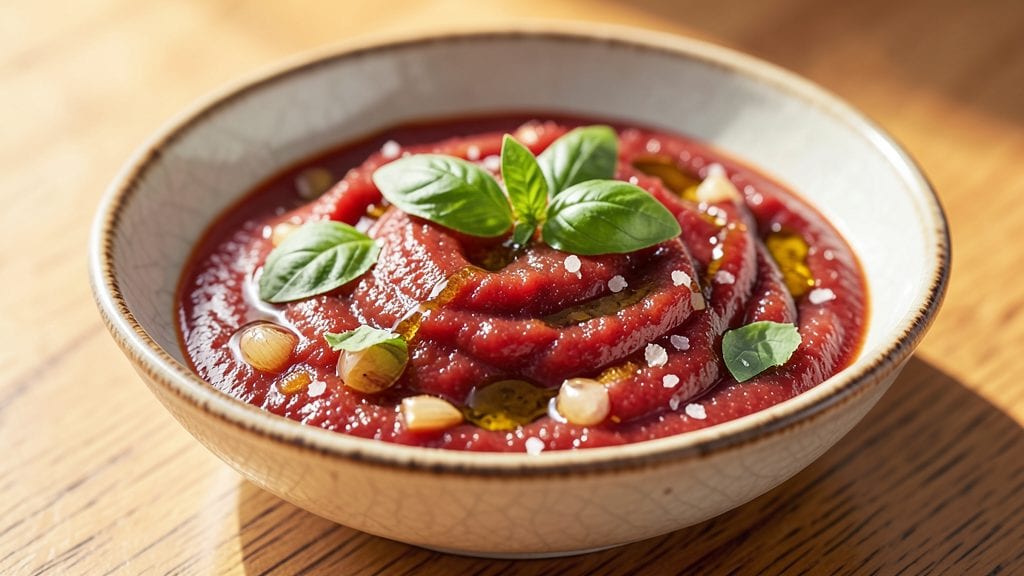
A pureed tomatoes recipe that delivers restaurant-quality smoothness without chunks is the secret weapon behind my favorite sauces and soups. The key lies in proper blending and simmering techniques that transform fresh or canned tomatoes into a velvety base.
I developed this method after struggling with lumpy textures in homemade dishes, and it now forms the foundation of everything from marinara to bisques.
What sets this recipe apart is its versatility—whether you're making a quick weeknight sauce or a rich winter soup, this puree delivers consistent results. The process involves sautéing aromatics like garlic and onion before blending, then simmering to deepen flavors while maintaining that silky texture.
Professional chefs rely on this same technique for their velvety tomato bases, and now you can too.
By the end, you'll have a smooth, flavorful puree that's ready to elevate any dish. The blend is rich enough for sauces but light enough for soups, with just the right balance of acidity and sweetness.
This is the kind of foundation that transforms simple meals into something special—no chunks, no fuss, just pure, silky tomato goodness.
Store it in the refrigerator for up to 5 days or freeze for longer storage, making it perfect for meal prep. Use it as a base for pasta sauces, soups, or even dips like bruschetta. The possibilities are endless, and the results are always professional-quality. Let's get started!
Ingredients for pureed tomatoes
Fresh tomatoes, aromatic veggies, and a few pantry staples—this puree delivers velvety perfection every time.
| Ingredient | Amount | Notes |
|---|---|---|
| Fresh Tomatoes 🍅 | 2 ½ lb | Ripe, firm, seedless preferred |
| Yellow Onion 🧅 | 1 whole | Medium size, diced small |
| Garlic Cloves 🧄 | 4 cloves | Fresh, peeled, minced fine |
| Extra-Virgin Olive Oil 🫒 | ¼ cup | High quality, fruity flavor |
| Fresh Basil Leaves 🌿 | ¼ cup | Packed, stems removed |
| Salt 🧂 | 1 tsp | Kosher or sea salt |
| Black Pepper 🌶️ | ½ tsp | Freshly ground preferred |
| Red Wine Vinegar 🍷 | 1 tbsp | For brightness, optional |
| Sugar 🍚 | 1 tsp | Balances acidity |
| Freshly Ground Black Pepper 🌶️ | ¼ tsp | For finishing touch |
The tomatoes are everything here. Heirloom or Roma from the farmers market pack the most flavor, but San Marzano canned tomatoes are my secret weapon when fresh aren't in season. Look for tomatoes that yield slightly to gentle pressure—they'll blend smoother. I always grab a pound or two extra because you can't beat fresh puree for sauces. If using canned, go for whole peeled tomatoes (no juice) to control consistency. The onion and garlic? Sauté them low and slow until they're nearly translucent—this builds the flavor base that makes the puree sing. Fresh basil adds aroma, but dried works at one-third the amount if you're in a pinch.
No fresh tomatoes? Canned crushed tomatoes are fine, but drain them well to avoid wateriness. Short on basil? Dried oregano or thyme works—just use half the amount. The red wine vinegar might seem like overkill, but it's what gives that professional brightness (trust me on this). If you don't have any, lemon juice works too. The sugar might seem odd, but it's all about balance—cuts through the acidity beautifully. For extra richness, stir in 1 tbsp tomato paste at the end. And if you're feeling fancy, a splash of balsamic vinegar at the end adds depth without overpowering.
This puree keeps like a dream. Room temperature for 2 hours max—then refrigerate in an airtight container for 5 days. For longer storage, freeze in ice cube trays—perfect portions for future recipes. Thaw overnight in the fridge before using. I always make double batches—one for immediate use, one to freeze. The flavor actually deepens over time, so it's worth the effort. And if you're worried about color fading? Store with a thin layer of olive oil on top—keeps it vibrant for days.
Why You'll Love This Recipe
- This stuff does it all: slather it on toast, stir it into pasta, or use it as a base for soups. I keep a jar in the fridge for lazy nights when I need flavor fast—no last-minute shopping, just pure, customizable sauce magic that turns simple meals into something special.
- No-Fuss Blend: I swear by this—just toss tomatoes, onion, and garlic into a pot, let them soften, then whirl. No peeling, no dicing, no stress. The onion caramelizes while you sip your coffee, and by the time you’re done, you’ve got smooth, velvety goodness with zero fuss.
- Sunshine in a Jar: That first taste of fresh basil swirled into warm, olive-oil-rich tomatoes? It’s like summer in your mouth. The garlic adds a slow, sweet heat, while the basil cuts through it with bright, herby freshness—exactly what makes this taste alive instead of just canned.
- Pantry Superhero: This stuff does it all: slather it on toast, stir it into pasta, or use it as a base for soups. I keep a jar in the fridge for lazy nights when I need flavor fast—no last-minute shopping, just pure, customizable sauce magic that turns simple meals into something special.
Step-by-step instructions for silky tomato purée
Here's how to transform fresh tomatoes into velvety smooth purée without any chunks or lumps.
Prep and Roast the Tomatoes for Deep Flavor
Preheat your oven to 425°F and line a baking sheet with parchment paper. Cut the 2.5 lb fresh tomatoes into quarters, removing any stems and seeds. Arrange them cut-side down on the prepared baking sheet, leaving a little space between each piece.
Roast for 25-30 minutes until the tomatoes collapse slightly and develop deep caramelized spots. This step intensifies their natural sweetness and makes them easier to purée. I like to check them at the 20-minute mark—they're done when they feel soft when gently squeezed and smell irresistibly fragrant.
Sauté Aromatics Until Fragrant
While the tomatoes roast, heat the 0.25 cup extra-virgin olive oil in a large skillet over medium heat. Add the 1 whole yellow onion (diced small) and cook for 5-6 minutes until softened and translucent. Add the 4 cloves garlic cloves (minced fine) and cook for another 30 seconds** until the garlic releases its aroma but doesn't brown.
Here's the thing—don't walk away. Garlic burns in seconds, and you want it to infuse the purée with flavor, not bitterness. When it smells heavenly, you're ready for the next step.
Blend Roasted Tomatoes with Aromatics
Transfer the roasted tomatoes to your food processor or blender along with the sautéed onion and garlic. Add the 0.25 cup fresh basil leaves (packed, stems removed), 1 tsp salt, 0.5 tsp black pepper, 1 tbsp red wine vinegar, and 1 tsp sugar. Pulse a few times to break everything down before blending continuously for 1-2 minutes until completely smooth.
If you encounter any resistance, stop and scrape down the sides with a spatula. I've found that adding 2-3 tablespoons of water at a time helps create a silky texture without diluting the flavor too much. The purée should be completely smooth with no visible chunks or seeds.
Simmer for Enhanced Flavor and Texture
Transfer the purée to a medium saucepan and place it over medium-low heat. Stir in the 0.25 tsp freshly ground black pepper and let the mixture simmer gently for 10-15 minutes, stirring occasionally. This step deepens the flavors and allows the purée to thicken slightly.
You'll know it's ready when the purée coats the back of a spoon and has a glossy appearance. If it's too thick for your liking, you can thin it with a little water or tomato juice. For a restaurant-quality finish, I like to taste and adjust the seasoning—sometimes I add a pinch more salt or a splash more vinegar to balance the flavors.
Cool and Store Properly
Remove the saucepan from heat and let the purée cool to room temperature. This step is crucial for preventing bacterial growth if you plan to store it. For best results, transfer the purée to airtight containers and refrigerate for up to 5 days or freeze for up to 3 months.
When reheating, I like to warm it gently on the stovetop over low heat, stirring frequently to prevent scorching. This silky purée is incredibly versatile—use it as a base for soups, sauces, or even as a marinade for grilled meats. The possibilities are endless!
Pro Tips For Making Pureed Tomatoes
- Char Before Blending: Sear your onions and garlic in olive oil until they’re deep golden—not just soft—before adding tomatoes. I learned this the hard way: skipping the char means flavor that’s flat and one-dimensional. Let that onion caramelize for 8-10 minutes, even if it smells like you’re burning the kitchen down.
- Skin Tomatoes First: Blanching tomatoes in boiling water for 30 seconds loosens the skins, making them slip right off when plunged into ice water. No more scraping pulp off your counter or ending up with gritty purée. Works especially well for heirlooms or tomatoes with thick skins.
- Salt the Purée: Taste your purée before blending in basil, then add salt—about ½ teaspoon per cup—while it’s still hot. The heat helps the salt dissolve fully, and you’ll catch any blandness early. I used to add salt at the end and wonder why my sauce tasted flat.
- Pulse Basil, Don’t Blend: Tear basil leaves roughly and pulse them 2-3 times in the blender before adding the rest. This keeps the texture bright and leafy instead of turning it into a paste. Trust me, your sauce will taste fresher—and you’ll notice the difference right away.
Perfect pairings for pureed tomatoes
Sauce Base Mastery
This silky tomato purée is the ultimate sauce foundation—perfect for transforming into marinara, alfredo, or even creamy bisques. For marinara, simmer the purée with 1 tbsp tomato paste and ½ cup crushed San Marzano tomatoes for 15 minutes to concentrate flavors.
For alfredo, blend in ½ cup heavy cream and 1 cup grated Parmesan until smooth. 🍝
Soup Elevations
Turn it into a velvety tomato soup by simmering with 2 cups vegetable broth and 1 cup coconut milk for creaminess. Stir in 1 tsp smoked paprika and top with crispy bacon or croutons.
For a minestrone, add diced potatoes, carrots, and white beans—this purée ensures a silky texture without chunks. 🥣
Dip and Spread Potential
Thin with a splash of water or broth to create a dipping sauce for mozzarella sticks or garlic bread. For a bruschetta twist, mix with 1 tbsp balsamic glaze and fresh basil, then spoon over toasted baguette slices. The acidity balances perfectly for a restaurant-worthy dip. 🧀
Meat Marinades
Use as a marinade base for grilled chicken or steak—simmer with 1 tbsp soy sauce and 1 tsp brown sugar for depth. Let meats soak for at least 2 hours before grilling. The purée caramelizes beautifully, creating a sticky, flavorful crust. 🍖
Breakfast Reinventions
Stir into scrambled eggs or omelets for a savory breakfast twist—add crumbled feta and fresh dill for a Mediterranean-inspired dish. For brunch, drizzle over avocado toast with a sprinkle of flaky salt. The acidity cuts through rich breakfast foods beautifully. 🍳
Global Flavor Twists
For Indian-inspired curries, blend in 1 tsp garam masala and ½ tsp turmeric. For a Mexican salsa, mix with diced jalapeños and lime juice. The purée adapts seamlessly to global cuisines while keeping that signature silky texture. 🌎
Nutrition facts
Frequently asked questions
Can I use canned tomatoes instead of fresh?
For the best results, use San Marzano canned tomatoes (whole or crushed) as they have fewer seeds and higher sweetness. Drain them well before blending to avoid wateriness. If using crushed tomatoes, skip the roasting step—they're already cooked. Adjust seasoning slightly since canned tomatoes tend to be saltier.
Why does my tomato purée have chunks?
Chunks usually appear from under-blending or using unripe tomatoes. For silky smoothness, blend until completely smooth and strain through a fine-mesh sieve if needed. Roasting tomatoes first helps break them down better. If using fresh tomatoes, remove seeds and cores completely before blending. A quick pulse before full blending often solves this issue too!
How can I make this purée spicier?
Add ½-1 tsp red pepper flakes during blending or stir in 1 tbsp hot sauce after simmering. For smoky heat, blend in ½ tsp smoked paprika with the aromatics. If you love fresh heat, add 1 chopped jalapeño (seeds removed) during the sautéing stage. Always taste as you go—spice builds intensity!
Can I make this purée in a blender instead of food processor?
Yes, but you may need to work in batches. A high-speed blender works best—start with 1 lb tomatoes at a time. For extra smoothness, add 2-3 tablespoons water while blending. If your blender struggles, roast the tomatoes first as this softens them significantly. A food processor handles larger volumes better but both methods work with proper technique.
What's the best way to store leftovers?
Transfer to airtight containers and refrigerate for up to 5 days. For longer storage, freeze in ice cube trays (perfect for single servings) or silicone molds. Thaw overnight in the fridge before using. To preserve color, always keep a thin layer of olive oil on the surface. Label containers with dates—fresh purée tastes best within 3 months of freezing.