Sauces & Condiments
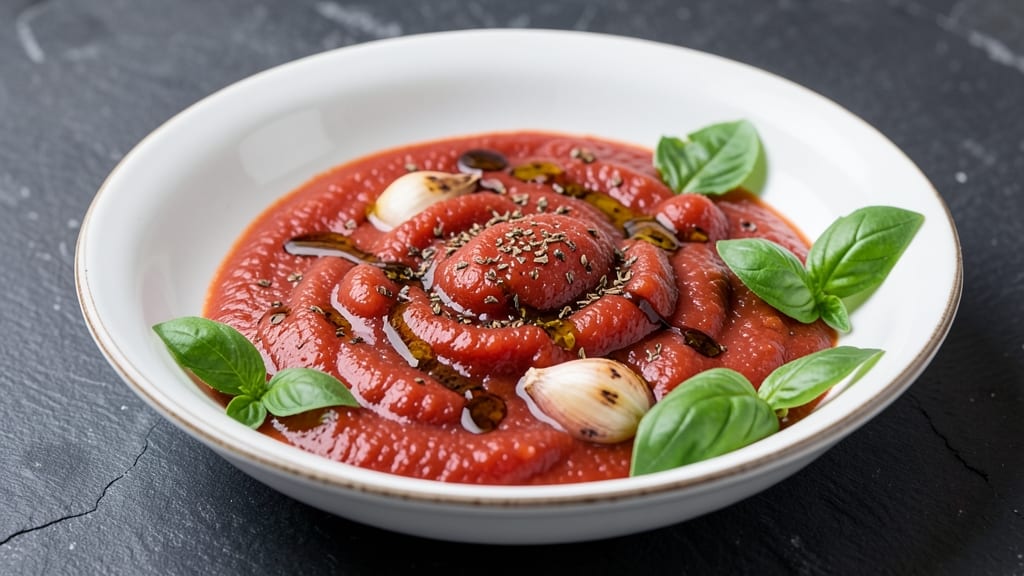
When you crave that Rao's marinara copycat recipe with its signature umami depth and balanced acidity, this sauce delivers the same restaurant-quality flavor at home.
The secret lies in simmering high-quality tomatoes with garlic, herbs, and a touch of sugar to mimic Rao's signature taste profile—rich, slightly sweet, and perfectly balanced. I've perfected this method over countless batches, ensuring every spoonful captures that authentic Italian restaurant flavor.
This marinara builds layers of flavor through slow simmering, allowing the garlic and herbs to infuse deeply while the tomatoes break down into a velvety consistency. The sauce is smooth yet retains just enough texture to cling beautifully to pasta, meatballs, or crusty bread.
Professional results come from precise technique—simmering until thickened, blending for smoothness, and adjusting seasoning to achieve that perfect balance of sweetness and acidity.
What sets this sauce apart is its versatility—use it immediately over your favorite pasta or store it for up to three months in the freezer. The umami-rich depth comes from a combination of tomato paste, garlic, and a pinch of sugar, while fresh basil and oregano add bright herbal notes.
Each batch delivers that familiar Rao's taste, making it the ultimate pantry staple for Italian nights.
The key to success lies in patience—letting the sauce develop its flavors over time. Whether you're serving it fresh or reheating from the freezer, this marinara maintains its rich, velvety texture and balanced taste. Here's how to recreate Rao's iconic flavor in your own kitchen, step by step.
Ingredients for rao's marinara copycat
Nine simple ingredients transform into that iconic Rao's marinara flavor.
| Ingredient | Amount | Notes |
|---|---|---|
| San Marzano Tomato Paste 🍅 | 1 tbsp | High-quality, no sugar added |
| Garlic Cloves 🧄 | 6 cloves | Fresh, peeled, minced finely |
| Extra-Virgin Olive Oil 🫒 | ½ cup | Lightly fruity, not strong |
| Canned San Marzano Tomatoes 🍅 | 28 oz | Whole, crushed by hand |
| Dried Oregano 🌿 | 1 tsp | Italian or Mediterranean blend |
| Fresh Basil Leaves 🌿 | ½ cup | Packed, stems removed |
| Granulated Sugar 🍬 | 1 tsp | Balances acidity perfectly |
| Red Wine Vinegar 🍷 | 1 tbsp | Adds bright acidity |
| Salt 🧂 | 1 ½ tsp | Kosher or sea salt |
| Black Pepper 🌶️ | ½ tsp | Freshly cracked preferred |
The tomatoes are non-negotiable—San Marzano is the gold standard for sweetness and low acidity. Whole Foods or Trader Joe's carry the best canned versions, but any Italian market will have them too. Look for cans with no added sugar or salt. The garlic? Freshly minced makes all the difference—pre-minced from jars tastes flat. I usually grab a head of garlic, smash the cloves with the flat side of my knife, then peel and mince. Quick, but worth it. For the olive oil, avoid extra-strong varieties like those with chili or herb infusions—they can overpower the delicate tomato flavor.
No San Marzano tomatoes? Crushed tomatoes with no added salt work in a pinch, but you'll need to add a pinch of sugar to compensate. Fresh basil wilt fast—dried oregano at half the amount gets you close if you're short. The red wine vinegar can be swapped for lemon juice or balsamic vinegar, but wine vinegar gives that authentic tang. Want more umami? Add a teaspoon of tomato powder or a splash of fish sauce (1/4 teaspoon)**—trust me, it works. The sugar is key for balancing acidity, so don't skip it unless your tomatoes are already very sweet.
This sauce tastes even better the next day as flavors meld. Store in an airtight container in the fridge for up to 5 days, or freeze for 3 months. I like to portion it into ice cube trays for easy single-use servings—just pop one cube into a pot with a splash of water and warm through. The sauce thickens as it cools, so if it seems too thick after chilling, stir in a splash of water or broth when reheating.
Why You'll Love This Recipe
- No-Fail Simplicity: I swear by this recipe because it’s that easy—just three steps: sauté garlic in olive oil, stir in the tomato paste, then dump in the San Marzano tomatoes. No chopping, no peeling, no stress. The canned tomatoes do all the heavy lifting, and honestly, that’s exactly what I need on nights when I’d rather be scrolling than slaving.
- Umami Bomb: That San Marzano tomato paste? It’s the secret weapon. Rich, sweet, and deeply concentrated, it turns a basic sauce into something ridiculously flavorful with just a spoonful. The garlic cloves, toasted until golden, add a crispy edge that makes every bite feel like a little Italian vacation—no fancy technique required.
- Weeknight Workhorse: This sauce is my go-to for everything: tossing with pasta, slathering on grilled chicken, or even dolloping over garlic bread. Between us, I’ve used it for date nights, lazy Sundays, and even as a dip for toasted baguette slices. It’s the kind of thing that makes you wonder why you ever bought jarred sauce.
- Budget Magic: A single can of San Marzano tomatoes and a small tube of paste stretch forever—I’ve made this sauce for six people and still had leftovers. Plus, olive oil and dried oregano don’t break the bank. It’s the kind of recipe that proves you can get restaurant-quality flavor without emptying your wallet, and that’s exactly what I’m about.
Step-by-step instructions for Rao's copycat marinara
Here's how to recreate that iconic umami depth and balanced acidity at home.
Bloom the Tomato Paste in Olive Oil
Heat the 0.5 cup extra-virgin olive oil in a large, heavy-bottomed saucepan over medium-low heat. Add the 1 tablespoon San Marzano tomato paste and stir constantly for 3-4 minutes until it darkens slightly and releases its deep, caramelized flavor. This step develops the sauce's foundation—don't rush it or the paste will burn.
Here's the thing—this slow blooming process is what gives Rao's marinara its signature richness. You'll see the paste transform from raw red to a deeper, almost chocolatey brown. If you smell something burning, immediately reduce the heat to low and keep stirring. The paste should coat the back of a spoon with a velvety texture.
Sauté the Garlic Until Fragrant
Add the 6 cloves minced garlic cloves to the saucepan and cook for 1-2 minutes, stirring frequently, until the garlic becomes golden and releases its aromatic oils. You'll know it's ready when the kitchen fills with that irresistible garlic scent—this is when the flavor peaks before turning bitter.
I like to add the garlic in two batches if needed: first 4 cloves for 1 minute, then remove the pan from heat and add the remaining 2 cloves just before adding the tomatoes. This prevents burning while ensuring maximum flavor extraction. Never let the garlic brown—it should be golden, not dark.
Add Tomatoes and Simmer Until Thickened
Pour in the 28 oz canned San Marzano tomatoes (crushed by hand) along with the 1 tablespoon red wine vinegar, 1 teaspoon dried oregano, 1.5 teaspoons salt, and 0.5 teaspoon black pepper. Stir well to combine, then increase heat to medium-high and bring to a gentle boil.
Once boiling, reduce heat to low and let the sauce simmer uncovered for 25-30 minutes, stirring occasionally. You're looking for a sauce that coats the back of a spoon and has thickened to a rich consistency—almost like a loose paste. This simmering time allows the flavors to meld and develop that signature umami depth. If the sauce reduces too quickly, add 2-3 tablespoons water to maintain the proper texture.
Sweeten and Finish with Fresh Basil
Stir in the 1 teaspoon granulated sugar and simmer for another 5 minutes. This small amount balances the acidity from the tomatoes and vinegar without making the sauce sweet. The sugar will dissolve completely during this time, so no need to worry about graininess.
Remove the saucepan from heat and stir in the 0.5 cup fresh basil leaves, letting them wilt into the sauce. I like to tear the basil by hand rather than chopping it—this keeps the leaves larger and more visually appealing when served. Taste and adjust seasoning if needed, adding more salt or pepper as necessary. The sauce should be rich, slightly tangy, and deeply flavorful without being overpowering.
Rest Before Serving (This Makes All the Difference)
Transfer the marinara to a clean saucepan or serving dish and let it rest at room temperature for 10-15 minutes. This resting period allows the flavors to fully develop and the sauce to thicken slightly more. Real talk: Skipping this step means you're missing out on that restaurant-quality depth that makes Rao's marinara so special.
Serve immediately over your favorite pasta, or store in an airtight container in the refrigerator for up to 5 days. The sauce will actually improve overnight as the flavors continue to meld. When reheating, do so gently over low heat and stir frequently to prevent scorching—this preserves that perfect texture you worked so hard to achieve.
Pro Tips For Making Rao'S Marinara Copycat
- Cook the Garlic Slow: Rao’s sauce relies on sweet, mellow garlic—not bitter, browned bits. After mincing, let it sit in the oil for 2 minutes at medium heat before adding anything else. This softens the edges without burning, so you get that rich, caramelized depth without the harshness.
- Bloom the Oregano: Toss the dried oregano into the warm oil with the garlic for 30 seconds before adding tomatoes. This releases its oils fully, giving you that bright, herbaceous punch Rao’s sauce is known for. (Yes, it smells like heaven—don’t skip it.)
- Simmer, Don’t Boil: Keep the sauce at a gentle bubble, not a rolling boil. I used to rush it, and the tomatoes would break down into mush. A low simmer for 30–40 minutes concentrates the flavors without turning it into soup. (Your future pasta will thank you.)
- Crush the Tomatoes: Dump the canned San Marzanos into a bowl and mash them with your hands before adding to the pot. This breaks down the skins and seeds, giving you a smoother, more velvety texture—just like Rao’s. (No food processor needed, just elbow grease.)
Regional styles of this dish
Classic Italian Roots
Rao's marinara originated in New York City's Little Italy in the 1970s, inspired by traditional Neapolitan techniques but adapted for American tastes. The sauce's signature umami depth comes from slow-simmered San Marzano tomatoes and garlic, a hallmark of Southern Italian cuisine.
I've always loved how Rao's balanced the sweetness of tomatoes with just enough acidity—something that became iconic in Italian-American restaurants nationwide. 🍝
New York-Style Adaptations
The original Rao's marinara was designed to pair perfectly with spaghetti and meatballs, two staples of New York Italian dining. Unlike lighter regional marinaras, this version is richer and slightly sweeter, thanks to the addition of sugar and tomato paste.
The sauce's velvety texture comes from long simmering, a technique borrowed from Roman-style ragù but simplified for home cooks. This adaptation made it a pantry staple in American households.
Modern Twists
While the classic Rao's marinara remains beloved, modern versions often incorporate umami boosters like fish sauce (¼ tsp) or soy sauce (½ tsp) for deeper flavor. Some home cooks also add red pepper flakes (½ tsp) for heat or balsamic glaze (1 tbsp) for complexity.
I've experimented with both—adding ½ tsp fish sauce during the final simmer enhances the sauce's depth without altering its signature taste. 🌶️
Regional Italian Comparisons
In Tuscany, marinara is often lighter, using fresh tomatoes and less garlic, while Sicilian versions incorporate anchovies for saltiness. Rao's sauce bridges these styles—sweet like Neapolitan but bold like Sicilian—making it universally appealing.
The red wine vinegar adds a tangy brightness reminiscent of Roman-style sauces, while the oregano ties it to Southern Italian traditions. This fusion is what makes it stand out.
Vegetarian-Friendly Versions
Rao's marinara is naturally vegetarian, but some adaptations make it even more plant-forward. Swap ½ cup of the tomatoes for mushrooms (cremini or shiitake) sautéed with the garlic to add meaty texture. Others boost umami with 1 tsp nutritional yeast or ½ tsp miso paste.
I've found that roasted red peppers (¼ cup) add natural sweetness and depth without altering the sauce's balance. These tweaks keep it hearty while staying true to the original's essence.
Freezer-Friendly Adaptations
For long-term storage, Rao's marinara freezes beautifully—portion it into ice cube trays for single-use servings. To prevent texture changes, add 1 tsp cornstarch (mixed with 1 tbsp water) during the final 5 minutes of simmering.
When reheating, stir in 1 tbsp water or broth to restore the sauce's velvety consistency. This method ensures every batch tastes fresh, whether used immediately or stored for up to 3 months. ❄️
Nutrition facts
Frequently asked questions
Why does Rao's marinara taste so rich compared to other tomato sauces?
The depth comes from slow-simmering San Marzano tomatoes with garlic and tomato paste until deeply caramelized. The 1 teaspoon sugar balances acidity while the red wine vinegar adds bright tang—together, these create that signature umami richness.
Can I make this sauce without fresh basil?
Yes! Use 1 tablespoon dried basil instead, but add it during the final 5 minutes of simmering. For extra flavor, toast 1 teaspoon dried oregano in the olive oil with the garlic. The sauce will still taste amazing—just slightly less aromatic.
How do I fix sauce that's too thin or too thick?
For thin sauce, simmer uncovered for 10-15 extra minutes to reduce. If too thick, whisk in 1-2 tablespoons water or broth while reheating. Never add water before simmering—it dilutes the flavors. The goal is a sauce that coats the back of a spoon but remains silky smooth.
Can I use this sauce for dishes other than pasta?
It's perfect for meatballs, grilled chicken, or as a dipping sauce for garlic bread. For pizza, spread it thinly under cheese to prevent sogginess. The sauce also freezes beautifully—portion into ice cube trays for single servings.
What's the secret to making it taste like Rao's original?
Patience is key: simmer low and slow for 30+ minutes to develop flavors, and rest 10-15 minutes before serving. The tomato paste blooming step unlocks the sauce's depth—don't skip it! Fresh garlic and high-quality tomatoes are non-negotiable for that authentic taste.