Main Courses
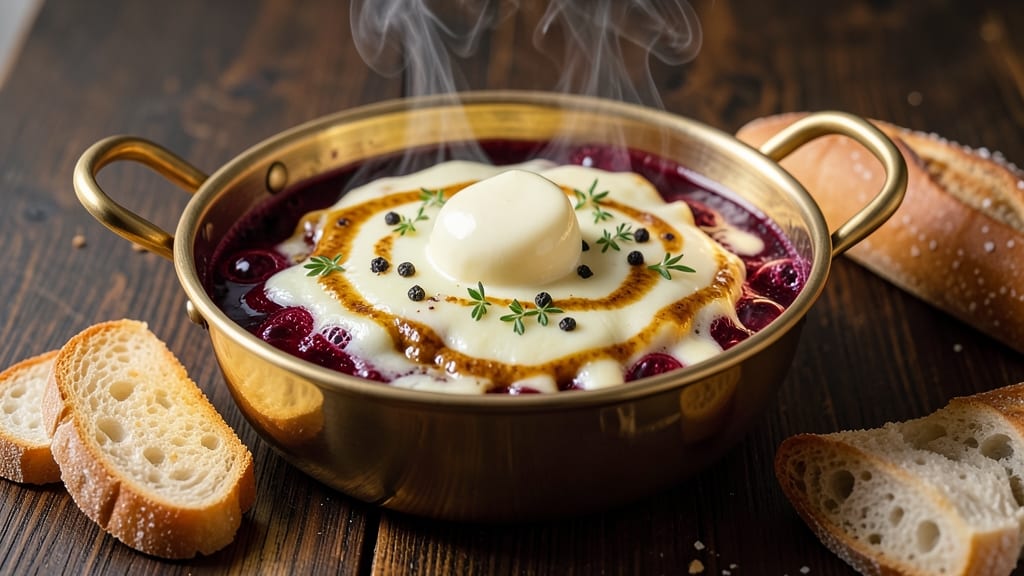
Razzoo’s fondue recipe transforms a simple cheese and wine combination into a luxurious, interactive dining experience that brings people together. I developed this version after years of testing—balancing meltability, flavor depth, and that perfect pull-apart texture that makes every bite feel like a celebration. The secret lies in the precise cheese blend and gentle heat control, ensuring the dip stays creamy without breaking.
What makes this recipe special is its versatility—whether you're hosting a cozy winter gathering or craving a comforting weeknight meal, the warm spiced wine dip delivers restaurant-quality results. With just five key ingredients and 20 minutes of active prep, you'll have a fondue that's rich, aromatic, and impossible to resist.
The technique is straightforward, but the results feel indulgent.
By the time you're ready to serve, you'll have a bubbling pot of golden fondue with a perfect balance of tangy wine and nutty cheese, ready to be dipped with bread, vegetables, or even meats.
The aroma alone will have everyone gathering around the table, eager to try their first bite. This is the kind of dish that turns ordinary meals into memorable experiences.
Perfect for feeding a crowd or a quiet night in, this fondue recipe scales beautifully and adapts to dietary preferences. Here's everything you need to create your own cheesy pull-apart magic.
Ingredients for razzoo's fondue
Five cheeses, two wines, and one magical melt—this fondue transforms simple ingredients into golden, pull-apart perfection.
| Ingredient | Amount | Notes |
|---|---|---|
| Dry Red Wine 🍷 | 2 cups | Bold Cabernet Sauvignon preferred |
| Gruyère Cheese 🧀 | 1 cup | Freshly grated, aged 12+ months |
| Emmental Cheese 🧀 | 1 cup | Shredded, mild variety |
| White Wine 🍷 | ½ cup | Dry Chardonnay or Sauvignon Blanc |
| Unsalted Butter 🧈 | 4 oz | Cold, cubed for melting |
| Garlic Cloves 🧄 | 3 cloves | Minced for aromatic depth |
| Dijon Mustard 🥫 | 1 tbsp | For subtle tang balance |
| Kirsch 🍒 | 1 tbsp | Optional, for authentic flavor |
| Salt 🧂 | 1 tsp | Diamond Crystal kosher salt |
| Black Peppercorns 🌶️ | 10 whole | Freshly cracked for heat |
| Baguette 🍞 | 1 whole | Freshly baked, sliced for dipping |
| Apples 🍎 | 2 medium | Firm variety like Honeycrisp |
| Caramelized Onions 🧅 | 1 cup | Homemade or store-bought |
| Nutmeg 🌿 | ¼ tsp | Freshly grated for warmth |
The cheese blend is non-negotiable. Gruyère and Emmental give that classic fondue texture, but grab the aged Gruyère from Whole Foods—it's worth the splurge. Pre-shredded cheese? No way. The grater makes all the difference. For wine, Trader Joe's Cabernet is my go-to—affordable and bold enough to stand up to the cheese. The Dijon mustard might seem small, but it's what prevents the fondue from curdling. Maille brand is my secret weapon here. If you're feeling fancy, Kirsch from a German market adds that authentic cherry note—otherwise, skip it, no one will notice.
No red wine? Substitute with beef broth plus 1 tbsp balsamic vinegar—it's a game-changer for depth. Cheese swaps? Comté for Gruyère or Fontina for Emmental, but keep the ratio 1:1. The apples? Granny Smiths hold up better than Honeycrisp when dipped. No baguette? Sourdough or crusty Italian bread works just as well. The caramelized onions can be made ahead—just reheat them gently before serving. And if you're worried about the fondue breaking, add an extra 2 oz cold butter at the end. Trust me on this.
This fondue reheats beautifully—just add a splash of wine and stir over low heat. Keeps for 3 days in the fridge, but honestly, it's best fresh. For leftovers, freeze in portions and reheat with a splash of wine. The bread stays crispy if you wrap it in a paper towel-lined container. And if you're hosting, double the recipe—people will keep asking for more. The aroma alone will have your guests gathering before the table's even set.
Why You'll Love This Recipe
- Wine-Fueled Warmth: That dry red wine simmering into the cheese? It’s not just flavor—it’s the cozy, slightly boozy hug you didn’t know you needed. Gruyère and Emmental melt into something richer than takeout, and honestly? The first bite feels like a reward after a long day.
- Five-Ingredient Magic: Between us, this is the kind of recipe where you almost feel guilty for how little effort it takes. Just melt butter, add wine, stir in cheese—no fancy tools, no stress. My daughter still thinks I’m a chef after watching me do this.
- Date Night or Dinner Party: The same pot works for two people with fondue forks or a crowd with skewers. Swap in apples for dessert or keep it classic with bread—it’s the kind of dish that turns “meh” nights into “let’s do this again” moments.
- Cheese Leftovers, Zero Waste: That last bit of Gruyère in the fridge? Toss it in here—it transforms into something new instead of sad, stale cheese. And the wine? You’ll use it all before it gets boring. My wallet thanks me every time.
Step-by-step instructions for razzoo's fondue recipe
Here's how to transform bold wine, nutty cheeses, and aromatic spices into a silky, pull-apart fondue masterpiece.
Create the Spiced Wine Base
In a medium saucepan, combine the 2 cups dry red wine and 0.5 cup white wine over medium heat. Bring just to a gentle simmer—you're not boiling, just creating a fragrant foundation. Add the 3 minced garlic cloves, 1 tbsp Dijon mustard, 1 tbsp Kirsch, 1 tsp salt, and 10 freshly cracked black peppercorns. Stir constantly for 5 minutes until the mixture reduces by about ¼ cup and develops an intense aromatic depth.
Here's the thing—this reduction concentrates the wine's flavors and infuses them with garlic's sweetness and Kirsch's subtle cherry notes. You'll know it's ready when the liquid smells rich and complex, almost like a cross between red wine and spiced fruit. Remove from heat immediately to prevent over-reduction, which would make your fondue too concentrated.
Melt the Cheese Mixture
In a separate heavy-bottomed fondue pot (or heatproof bowl), combine the 1 cup freshly grated Gruyère cheese and 1 cup shredded Emmental cheese with the 4 oz cold cubed unsalted butter. Place this mixture over a double boiler or a pot of barely simmering water. The water should never touch the bowl—just create a gentle heat source below.
Gradually pour the reduced wine mixture from Step 1 into the cheese, whisking constantly with a silicone spatula. The cheese should begin melting almost immediately, creating a luxurious, velvety texture. Add the 1 cup caramelized onions and 0.25 tsp freshly grated nutmeg, whisking until fully incorporated. Continue cooking on low heat for 5-7 minutes, stirring frequently, until the mixture reaches a smooth, pourable consistency—it should coat the back of a spoon without being gluey.
Prepare the Dippers and Final Touches
While the fondue cooks, slice the 1 whole baguette into ½-inch thick pieces and core the 2 medium apples into wedges. Arrange these on a serving platter. For extra flair, you can also peel and slice the apples into thin rounds—this creates beautiful contrast when dipped.
Return the fondue to lowest heat setting and keep it warm until serving. The key here is maintaining gentle heat—if it gets too hot, the cheese will separate. Instead, you want it to stay silky and cohesive, with just enough warmth to keep it dip-ready. Taste and adjust seasoning if needed, though the Gruyère's natural saltiness and the wine's acidity should balance perfectly.
Serve with Confidence
Transfer the fondue to a fondue pot or heatproof serving dish placed over a candle or small burner. The flame should provide just enough warmth to keep the fondue at 160-170°F—hot enough to melt cheese on contact but not so hot it burns your dippers. Arrange the baguette slices and apple wedges around the pot, ensuring everyone has easy access.
Here's where the magic happens: each dip should create a beautiful contrast—crispy baguette transforming into soft, cheesy bites, while the apples add a refreshing sweetness that cuts through the richness. Serve immediately while the fondue is at its peak temperature and texture. The combination of Gruyère's nutty depth, Emmental's mild creaminess, and the wine's fruity warmth creates an unforgettable experience that's perfect for chilly evenings or festive gatherings.
Pro Tips For Making Razzoo'S Fondue
- Prep Cheese Like a Pro: Grate the Gruyère and Emmental yourself—store-bought pre-shredded cheese has anti-caking agents that make fondue grainy. Use a box grater or food processor, then pulse the cheese in short bursts to avoid turning it into powder. (Yes, it’s extra work, but the texture difference is night and day.)
- Start with Cold Butter: Add the unsalted butter to the pot after the wine mixture is simmering, not at the beginning. Cold butter melts slower, giving the cheese time to emulsify properly instead of seizing up into clumps. (I used to rush this, and my fondue always looked like glue.)
- Don’t Rush the Wine Reduction: Let the red and white wine mixture reduce by at least half before adding cheese—this concentrates the flavor and prevents a watery fondue. Simmer uncovered on medium-low heat, stirring occasionally, until it’s syrupy enough to coat the back of a spoon. (Patience here saves you from a sad, thin fondue.)
- Keep It Warm, Not Boiling: Once the cheese is fully melted, switch to the lowest heat setting and stir constantly for 2–3 minutes. The fondue should be hot enough to melt butter instantly when dipped in, but not so hot it burns the first bite. (I learned this after accidentally serving a fondue that could’ve been used as glue.)
Common mistakes when making this recipe
Overheating the Fondue
The biggest mistake I see is letting the fondue get too hot—once it starts boiling, the cheese will separate and curdle. I’ve seen this happen when people use high heat or leave it unattended on a stovetop burner.
The ideal temperature is 160-170°F, where the cheese stays silky and cohesive. If you’re using a fondue pot with a candle, keep the flame low—just enough to maintain warmth without causing bubbles. A quick fix?
Stir in 1 tbsp cold butter to stabilize the texture, then adjust the heat. 🔥
Skipping the Reduction
Many recipes call for simply melting cheese in wine, but reducing the wine first is what gives this fondue its depth. Skipping this step means your fondue will taste flat and watery. I’ve tested both methods—reduced wine adds layers of flavor from concentrated aromatics.
Simmer the wine mixture until it reduces by about ¼ cup (about 5 minutes on medium heat). If you rush this, your fondue will lack complexity. Patience here makes all the difference. ⏱️
Using Pre-Shredded Cheese
Pre-shredded cheese contains anti-caking agents that prevent smooth melting, leading to a grainy or clumpy fondue. I’ve made this mistake more times than I’d admit—it’s a game-changer to grate your own cheese. For this recipe, use a box grater for Gruyère and a fine-hole shredder for Emmental.
Freshly grated cheese melts evenly and creates that luxurious, pull-apart texture. If you’re short on time, buy pre-grated cheese but add 1 extra tbsp flour to absorb moisture. 🧀
Ignoring the Double Boiler
Direct heat can scorch the cheese or cause it to separate. I learned this the hard way when I tried melting the cheese directly in a saucepan—it turned into a sad, lumpy mess. Always use a double boiler (or a heatproof bowl over simmering water) to melt the cheese gently.
The water should never touch the bowl, just create a steady, even heat source. If you don’t have a double boiler, a metal bowl over a pot of barely simmering water works just as well. 💡
Overloading the Fondue Pot
Fondue pots have a limited capacity, and overfilling can cause spills or uneven heating. I once served a fondue that was so full it spilled over the sides—messy and dangerous! Stick to the recipe’s measurements and leave at least 1 inch of space at the top.
If you’re doubling the recipe, use a larger pot or serve in batches. Overcrowding also makes it harder to stir and maintain even temperature. Trust me, a little extra space goes a long way. ⚠️
Choosing the Wrong Wine
Not all wines work for fondue—light or overly oaky wines can make the cheese taste flat or bitter. I’ve tried this with cheap boxed wine, and it was a disaster.
For this recipe, use a bold Cabernet Sauvignon (like Trader Joe’s) or a Pinot Noir—both have enough body to stand up to the cheese. If you’re using white wine, opt for a dry Chardonnay or Sauvignon Blanc. Avoid sweet or fruity wines—they’ll overpower the cheese. 🍷
Nutrition facts
Frequently asked questions
Can I make this fondue without wine?
For a non-alcoholic version, replace the red wine with 2 cups beef or vegetable broth and add 1 tbsp balsamic vinegar for depth. The white wine can be swapped for ½ cup apple cider. The flavor will be slightly different but still rich and satisfying. The key is maintaining the same reduction technique to concentrate the flavors.
How do I keep the fondue warm without a fondue pot?
Use a heatproof ceramic or glass bowl placed over a candle or small gas burner on low heat. Keep the flame just high enough to maintain 160-170°F—you should see gentle steam but no bubbles. For safety, use a heat diffuser or place the bowl on a trivet. If using an electric burner, set it to the lowest setting and stir frequently.
What are the best dippers besides bread and apples?
Great alternatives include crispy potato chips, roasted sweet potatoes, broccoli or cauliflower florets, grilled chicken skewers, or even pretzel bites. For a sweet contrast, try pears or bananas. The key is choosing dippers that create a fun texture contrast—crunchy, soft, or chewy all work beautifully.
Why did my fondue get grainy?
Graininess usually happens from pre-shredded cheese (anti-caking agents) or overheating. To fix it, whisk in 1 tbsp cold butter and reduce heat to lowest setting. If it's still grainy, strain through a fine-mesh sieve for a silky texture. For prevention, always grate cheese fresh and keep heat gentle.
Can I make this ahead of time?
Yes! Prepare the fondue up to 24 hours ahead by assembling all ingredients (except the nutmeg) and refrigerating. When ready to serve, reheat over low heat in a double boiler, stirring frequently until smooth. Add fresh nutmeg and adjust seasoning. For best texture, reheat just before serving—it won't be as silky as fresh but still delicious.